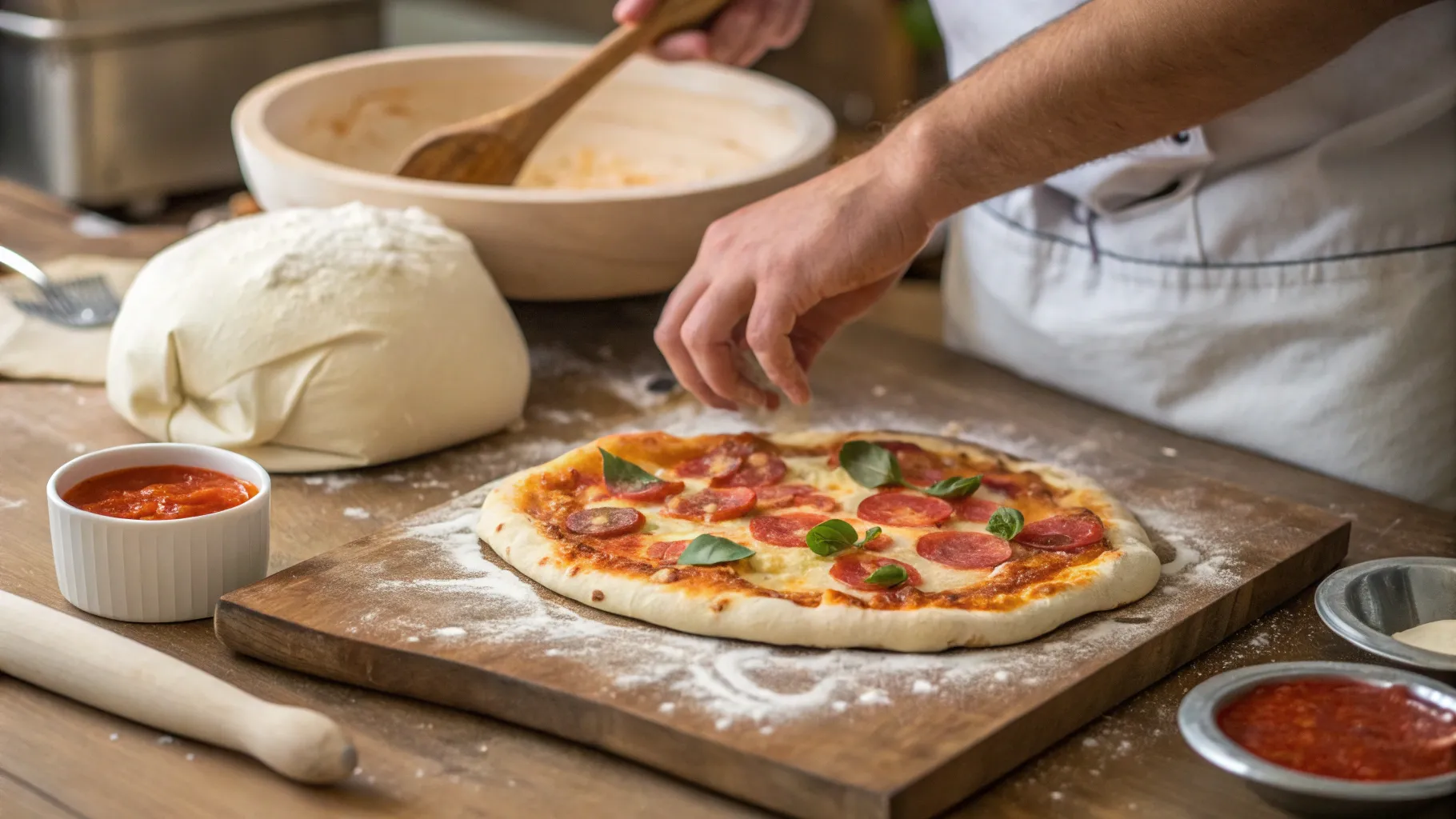
America's Test Kitchen breaks down a joyful, practical approach to Neapolitan pizza that balances tradition with clever home-kitchen hacks. This guide captures the essentials from their recipe and demo—covering tangzhong, high hydration dough, shaping, peels, and classic-to-creative toppings—so readers can follow along and get excellent results. cooking, recipes, bon apetit appears throughout as the spirit behind the techniques: delicious, approachable, and reproducible at home.
Key takeaways
- Use a tangzhong (pre-gelatinized flour + water) to get the benefits of high hydration without a slack, unworkable dough.
- Choose a fine “00” flour or a high-gluten substitute; aim for a slow, low-yeast fermentation for flavor.
- Pre-shape, rest, and cold-ferment the dough; stretch gently and launch with the right peel for stress-free handling.
- At-home oven hack: bake on a pizza steel (or stone) at the highest temp and finish under the broiler for great top and bottom color.
- Toppings: keep the sauce simple (whole peeled tomatoes + salt), use fresh mozzarella, add pecorino under the sauce, and finish with basil and oil.
Why tangzhong makes this dough work
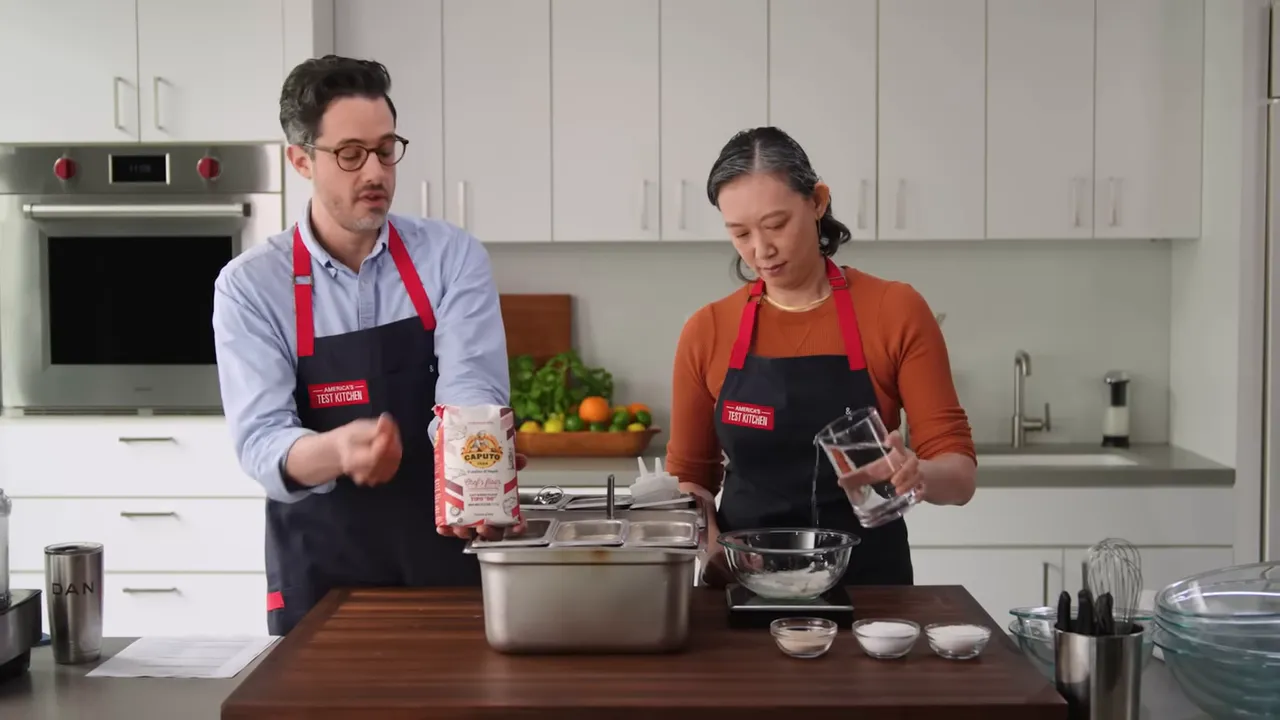
America's Test Kitchen adapts an East Asian baking technique—the tangzhong—to Neapolitan dough to solve a common home-oven problem. At home, ovens rarely reach the 900°F of wood-fired ovens, so pizzas take longer to cook and risk drying out. The tangzhong is a simple cooked mix of flour and water that gels and traps moisture. When folded into the dough it behaves like extra hydration in the oven (more steam, better oven spring, moist crumb) but without creating a dangerously slack, tearing dough.
As the hosts explain: the tangzhong gives “the benefit of a higher hydration dough” while keeping the dough easier to handle. This is a great example of food science applied to real-world constraints.
The dough: ingredients, hydration, and fermentation
Key ingredient choices and percentages matter. The recipe uses Italian “00” flour for its fine grind and silky feel; if unavailable, a strong bread flour is an acceptable substitute (avoid all-purpose if possible). The dough targets an unusually high hydration—about 78–79%—made workable by the tangzhong.
Other important details:
- Yeast: a small amount (about 1/2 teaspoon) supports a long, slow fermentation that maximizes flavor without boozy or overly yeasty notes.
- Sugar: a touch is added to help color and crisp the crust in lower-temperature home ovens—this is a deliberate, practical rule-bend.
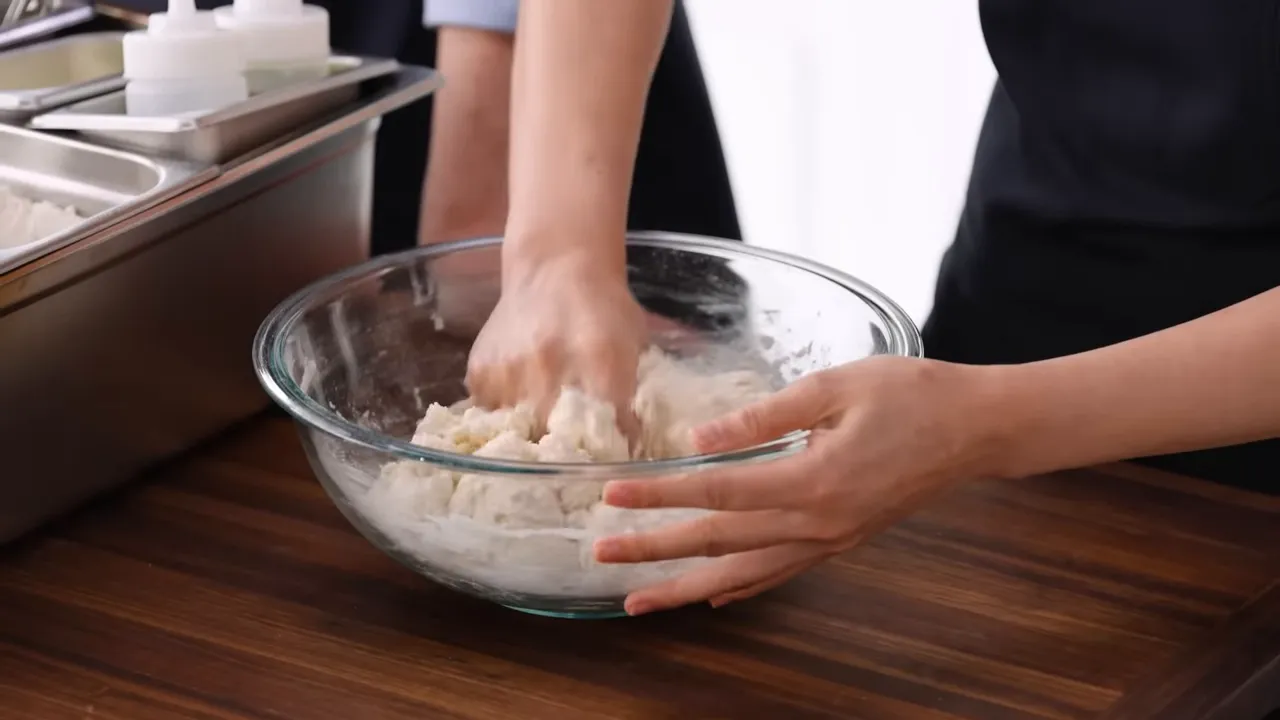
- Autolyse & folds: a 20-minute rest (autolyse) after the initial mix hydrates flour and makes subsequent folding easier. Perform 6–8 gentle folds to align gluten strands rather than aggressive kneading.
Pre-shape, cold ferment, and shape with ease
Pre-shaping before refrigeration saves headaches during final stretching. After bulk fermentation on the counter for flavor, the dough is portioned and pre-shaped into tight rounds, then refrigerated to slow fermentation and let the gluten relax. When ready to bake, bring the dough close to room temperature so it's easier to work.
Semolina is the unsung hero at this stage: sprinkle it on the peel or work surface to keep the dough sliding without adding a dusty mouthfeel. The hosts demonstrate a foolproof way to free dough from trays: scatter semolina, press under the dough with a bench scraper, then pick up the round onto the peel—this keeps the shape and avoids unwanted stretching.
Stretching, launching, and oven setup
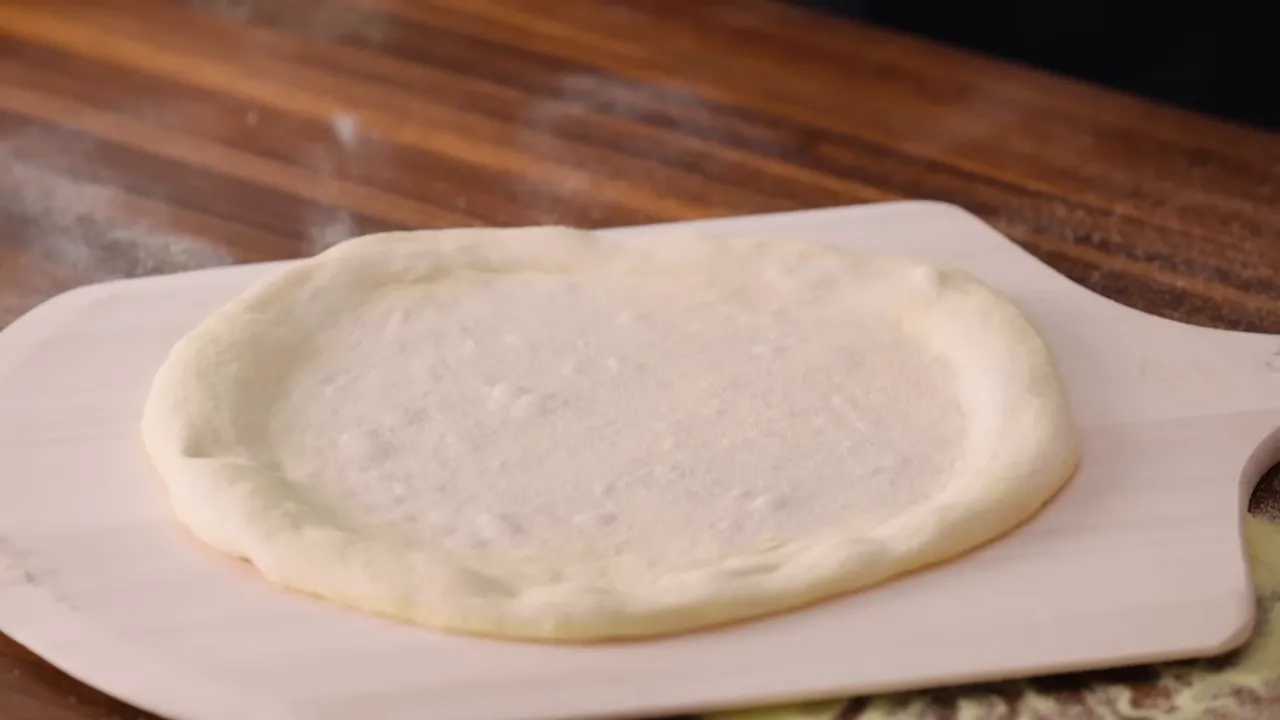
Stretch gently—turn the dough over your fists and coax it into a 10–11 inch round rather than aggressively pulling it thin. For launching:
- Use a loading peel (wood or canvas-covered) dusted with semolina to build and rest pizzas; these surfaces reduce sticking.
- Have a thin metal peel handy for removal—it's easy to slide under a cooked pie.
- To launch: bring the pizza to the front edge of the peel, set the peel close to the stone/steel, and use small wiggle motions to get an inch or two of dough onto the surface. Let the pizza stick for the first minute or two—“Don’t touch it”—then make any minor adjustments.
For best results at home, preheat a pizza steel (or stone) high in the oven (550°F) and position it close to the broiler. After sliding the pie in, flip the broiler on for the last minutes to achieve rapid top browning that replicates wood-fired ovens.
Toppings that honor tradition—and some playful departures
Traditional Neapolitan toppings are elegantly simple: whole peeled tomatoes pureed with salt only, torn fresh mozzarella (or buffalo mozzarella), fresh basil, extra virgin olive oil, and a grating of pecorino. A pro tip shown: grate pecorino under the tomato layer for savory depth while keeping the fresh mozzarella on top for that milky melt.
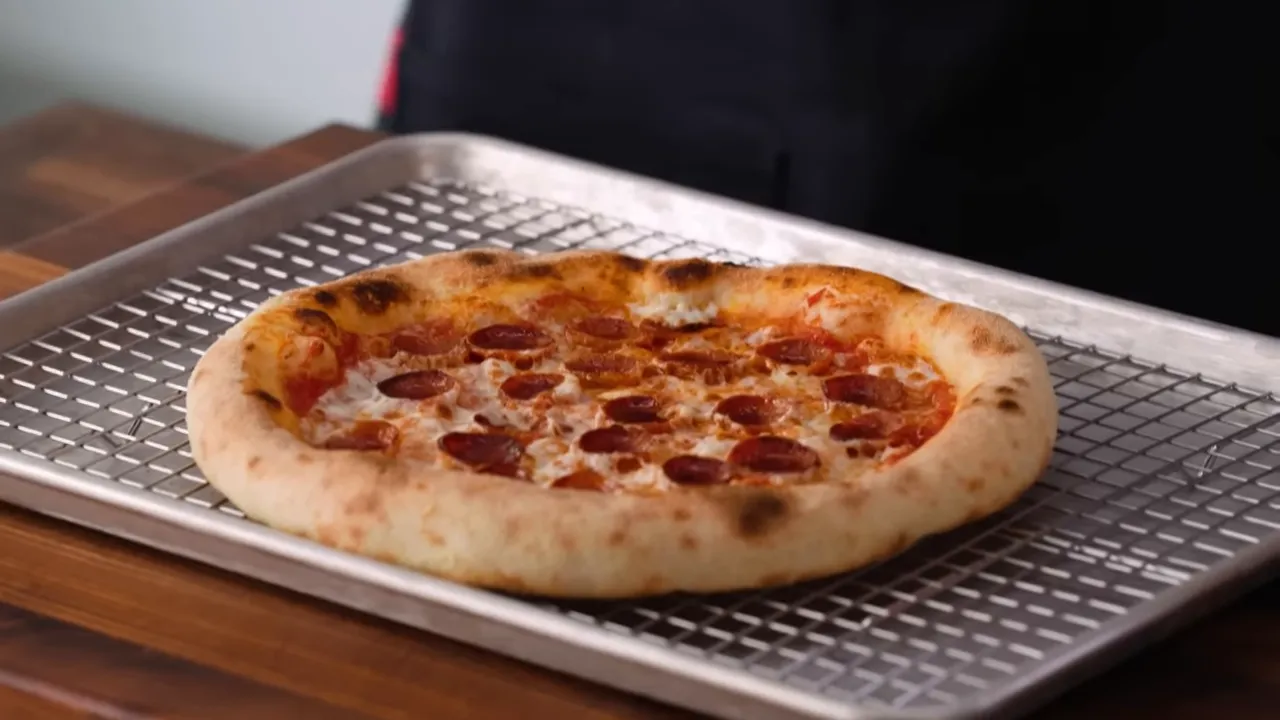
For a more playful riff, hand-sliced pepperoni from a log produces cupped edges that trap spicy oils—crispy rims and molten centers. Finish bold pies with pickled banana peppers for acidity and crunch. As the hosts joke, some combinations are “Hot and spicy. Just like you.”
Final bites and next steps
These techniques let home cooks balance authentic Neapolitan ideas with practical oven limitations. For step-by-step guidance and exact gram weights, America's Test Kitchen offers the full recipe and Cook Mode in their app. Whether the goal is a perfectly puffed classic Margherita or a nostalgic pepperoni-and-banana-pepper “abomination,” the same foundations apply: tangzhong, careful hydration, gentle handling, smart equipment choices, and confident launching.
Use these tips to experiment and enjoy—after all, cooking, recipes, bon apetit is about joyful, dependable results that taste like celebration.
This article was created from the video Everything You Need to Know to Make Neapolitan Pizza | America's Test Kitchen with the help of AI.
Everything You Need to Know to Make Neapolitan Pizza | cooking, recipes, bon apetit. There are any Everything You Need to Know to Make Neapolitan Pizza | cooking, recipes, bon apetit in here.

