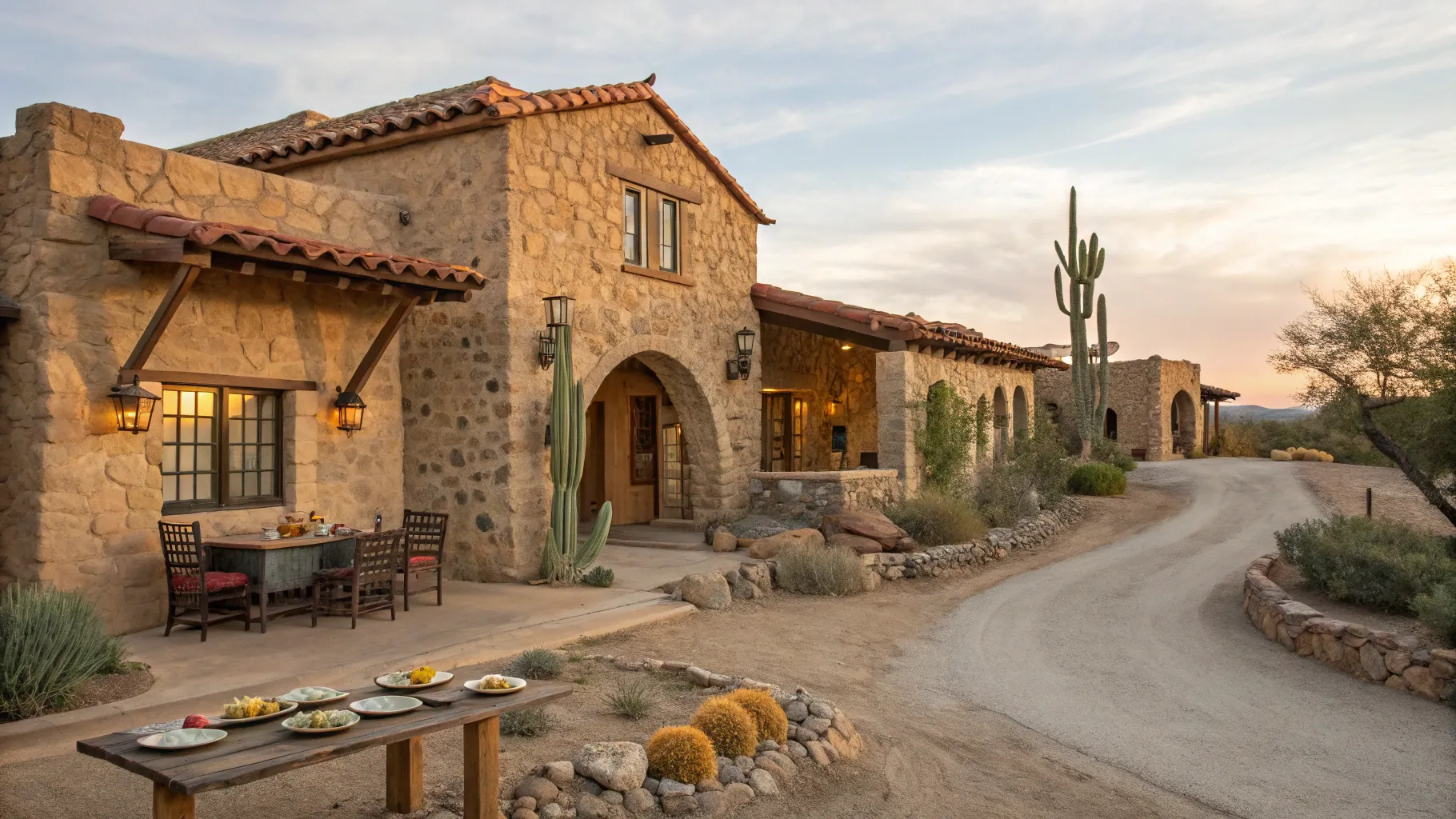
Gordon Ramsay visits a small 14-room boutique hotel in Las Cruces, New Mexico, and finds a property full of personality — and problems. This bright, upbeat write-up walks through the journey from dusty arrival to joyful reopening, highlighting practical changes to service, design, and menu that bring guests back. Along the way there’s a renewed focus on local flavor and simple, memorable dishes, perfect for readers who love cooking, easy recipes and hospitality that actually works.
Why this place needed a reset
The Maison de Messia had the bones of a charming Southwestern getaway but was masked by a mismatched Tuscan makeover, beige overload, and a laundry list of hospitality missteps. Guests walked in to find a waiver to sign on arrival, no proper breakfast, a messy pool, and an owner whose nightly performances often disrupted dining. No wonder occupancy was down — for long stretches none of the 14 rooms had guests.
Key problems identified
- Decor and branding that didn’t reflect New Mexico or the local community.
- Owner-focused programming (live singing) that interfered with guest experience.
- Poor food sourcing and inconsistent kitchen standards — frozen ingredients and overcooked dishes were being served.
- Operational friction between ownership and management undermining staff morale.
- Underused amenities — an overlooked pool and dead space that could be a major draw.
People: the heart of hospitality
Gordon found a passionate owner who bought the hotel to sing and entertain, a husband-wife team involved in operations, and a young general manager with plenty of restaurant experience but little hotel background. Friction and mistrust had crept in — staff reported being warned not to work for the owner while the owner felt undermined. One memorable guest quip summed the mood:
"I would pay you 100 bucks not to sing."
Addressing that people problem was step one: every guest experience must be centered on the guest, not the owner’s personal ambitions. Once the owner embraced that concept, change suddenly felt possible.
Food: simple, local, delightful
To win guests back, the kitchen needed clarity. The on-site menu leaned Tuscan but used frozen or imported ingredients and lacked a sense of place. The solution was refreshingly simple: lean into New Mexican flavors and offer dishes that are both authentic and easy to execute consistently — the kind of cooking, easy recipes that staff can prepare well every day.
Menu shifts that mattered
- Introduce a breakfast buffet with fresh, local ingredients and crisp white linens to improve first impressions.
- Swap heavy Tuscan mains for pool-friendly New Mexican fare: fish tacos, tomato gazpacho, fruit kebabs with local green chiles.
- Use straightforward recipes that can be taught quickly — think grilled fish tacos, marinated gazpacho, simple guacamole and salsa.
- Source smart: partner with local producers (and let the breakfast chef shine).
The changes made the culinary offering feel authentic, approachable, and repeatable — exactly what keeps guests coming back and staff confident. Even the hotel’s pantry cook found a creative outlet in a local food truck on market days, proving how small, local ideas can translate into better hotel dining.
Design and facilities: small fixes, big impact
A tidy, colorful reset replaced the overly beige palette and confusing Italian motifs with vibrant local tones. The pool — previously ignored and dirty — was transformed into an oasis with turf, loungers, and a cabana area. Done well, these improvements created instant Instagram-friendly moments and gave guests legitimate reasons to stay on property.
Quick wins for guest appeal
- Replace confusing signage with a clear hotel-and-restaurant sign so drive-bys know what the place is.
- Create a poolside menu: light, seasonal dishes that are easy for kitchen staff to execute.
- Eliminate guest waivers and other negative messages from check-in — first impressions matter.
- Convert performance stages into flexible spaces for daytime events and evening small-scale entertainment (but only when it’s appropriate for guests).
Leadership and guest-first culture
Ultimately, change hinged on one thing: the owner committing to put guests first. With a clear plan, a local mentor brought in to support operations, and a veteran innkeeper advising on service, the hotel began to stabilize. A memorable, light-hearted enforcement tool — putting the owner’s microphone in a block of ice to stop impromptu nightly concerts — symbolized the shift: fun is fine, but not at the expense of guests.
Operational tips for hoteliers
- Train staff on a small set of reliable, high-quality dishes (the essence of cooking, easy recipes).
- Audit every guest touchpoint: welcome, room, dining, pool — fix the cheapest, highest-impact items first.
- Empower a single accountable manager with clear authority and an aligned owner.
- Leverage local ingredients and simple recipes to tell a story and reduce complexity in the kitchen.
Final thoughts
This hotel’s transformation shows how targeted, joyful changes can turn a struggling property into a destination. By embracing local flavor, simplifying the menu with reliable cooking, easy recipes, refreshing the look and maximizing the pool, and building a guest-first culture, the Maison de Messia found new life. Bookings rose, guests smiled, and the owner discovered a new role: steward of a place that truly welcomes people.
For anyone running a small hotel or restaurant, the takeaways are clear: keep it local, keep it simple, and make the guest the star.
This article was created from the video Gordon Is BAFFLED By Owner Who Thinks She's Cher | Full Episode | Hotel Hell with the help of AI.
Gordon Ramsay Tackles a Tuscan Hotel in New Mexico — A Happy Guide to Turning Chaos into Warm Hospitality (with a Dash of cooking, easy recipes). There are any Gordon Ramsay Tackles a Tuscan Hotel in New Mexico — A Happy Guide to Turning Chaos into Warm Hospitality (with a Dash of cooking, easy recipes) in here.

