The world of vinegar is a long, flavorful story that transforms ordinary dishes into bright, memorable ones. This guide explains why vinegar behaves differently from other acids and shares five practical hacks that elevate everyday cooking. Expect clear science, simple formulas, and ideas that slot right into weekly cooking, recipes, bon apetit routines.
Why vinegar is special
Vinegar begins life as alcohol and finishes as acetic acid thanks to a two stage fermentation process. Yeast converts sugar into alcohol and then acetobacter turns alcohol into acetic acid. That acetic acid is what gives vinegar its sharp taste and distinctive aroma.
Acetic acid is highly volatile which means it announces itself in the air before it hits the tongue. This aroma stimulates salivation and primes the palate, a reason to choose vinegar instead of lemon in many preparations. Beyond that common thread, a vinegar’s personality is shaped by its base ingredient: wine, beer, cider, rice, sugar cane, coconut, or even a cocktail.
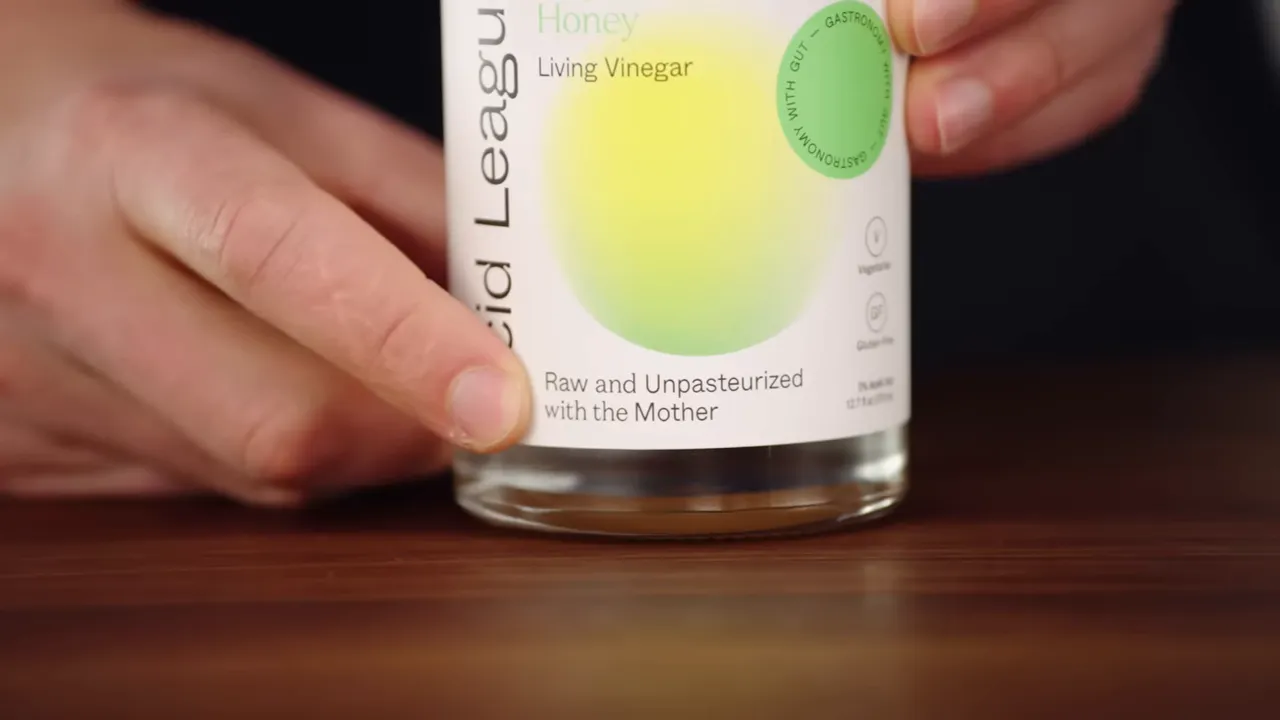
1. Quick pickles: a one size brine
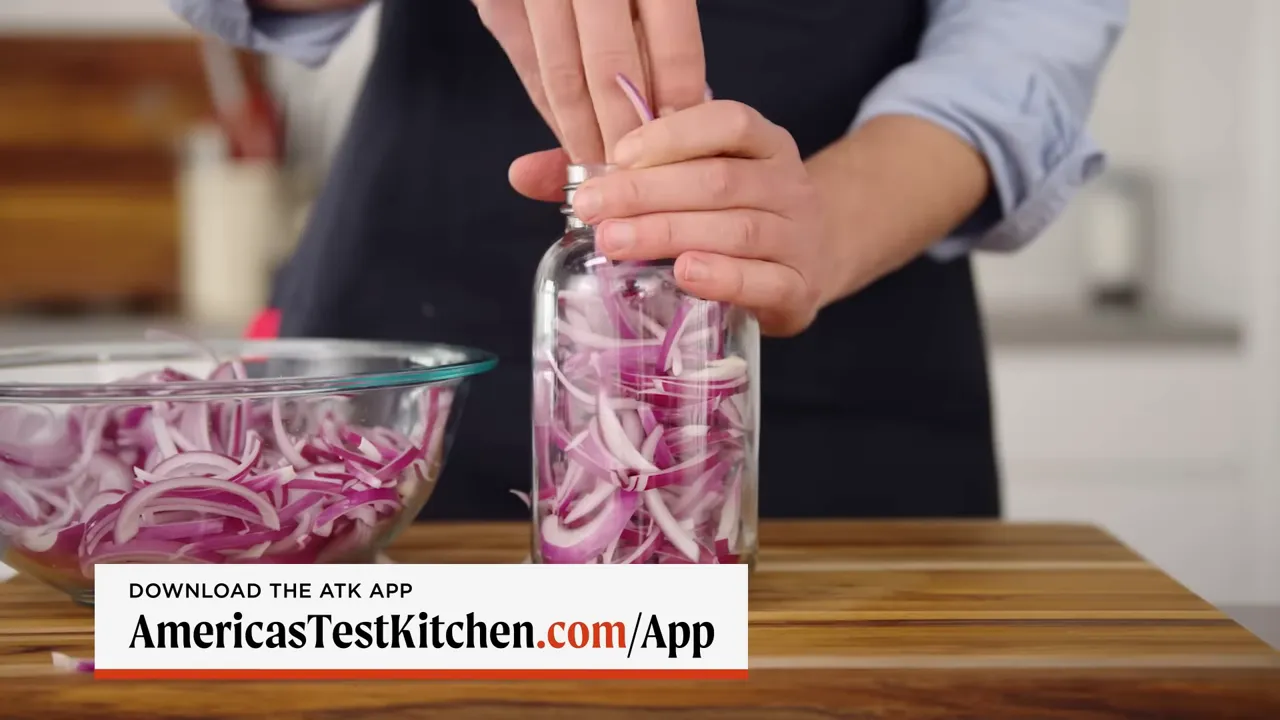
Quick pickles are crunchy, tangy, and endlessly useful. A go to brine works for most fruits and vegetables and is fast to make.
- For one pound thinly sliced veg: combine 1 1/2 cups vinegar, 1 1/2 cups water, 1/3 cup sugar, 2 1/2 tablespoons kosher salt.
- Bring to a boil and stir until sugar and salt dissolve. Pour hot brine over the produce in a heat proof container, cool, and refrigerate.
- Porous thin slices like onions or radish are ready as soon as they cool. Cucumbers take about 24 hours. Roots may need a couple of days.
Pickled red onions also show a neat color trick. The anthocyanins that make onions red are pH sensitive so bright magenta tones appear in acidic brines.
2. Poached eggs with pristine whites
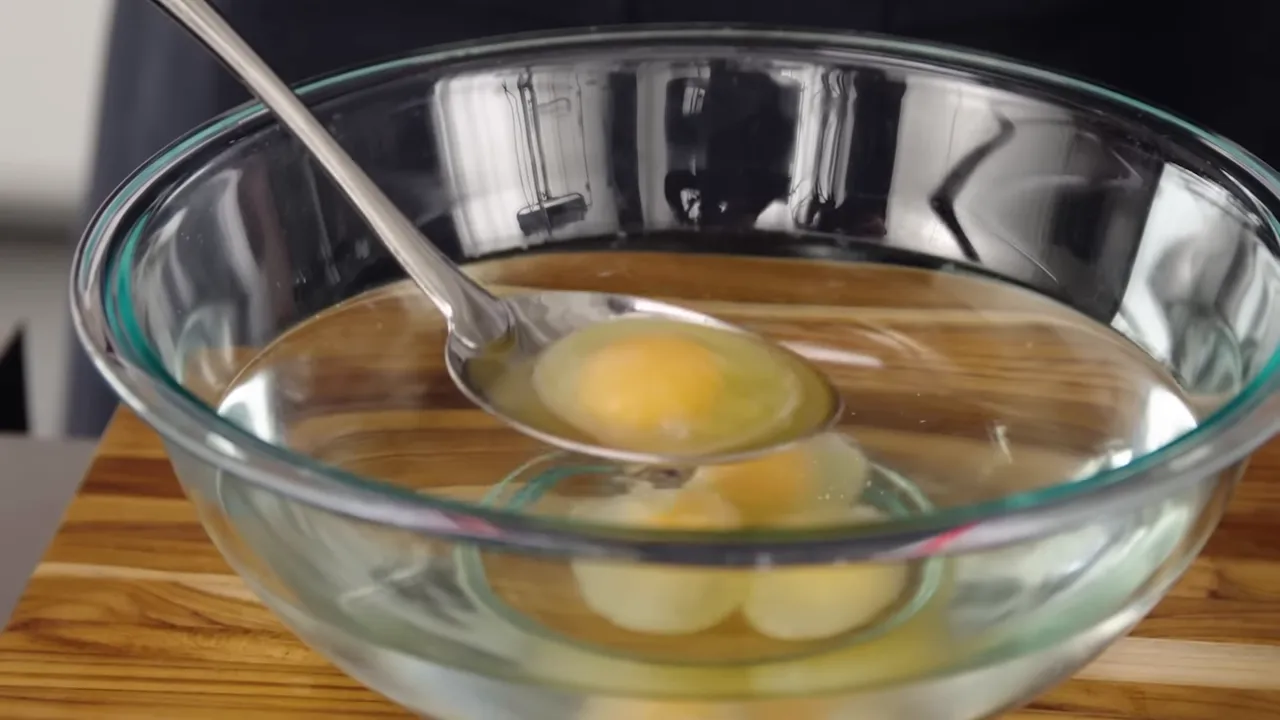
Acid helps egg whites coagulate, but instead of adding vinegar to the poaching water, lightly cure the eggs first. Strain off the thin white and soak whole eggs in a 50 50 solution of water and distilled white vinegar until the whites look opaque at the edges, about five minutes. Then poach in simmering water using residual heat for perfect, tidy whites and runny yolks.
3. Make cheap balsamic taste luxe
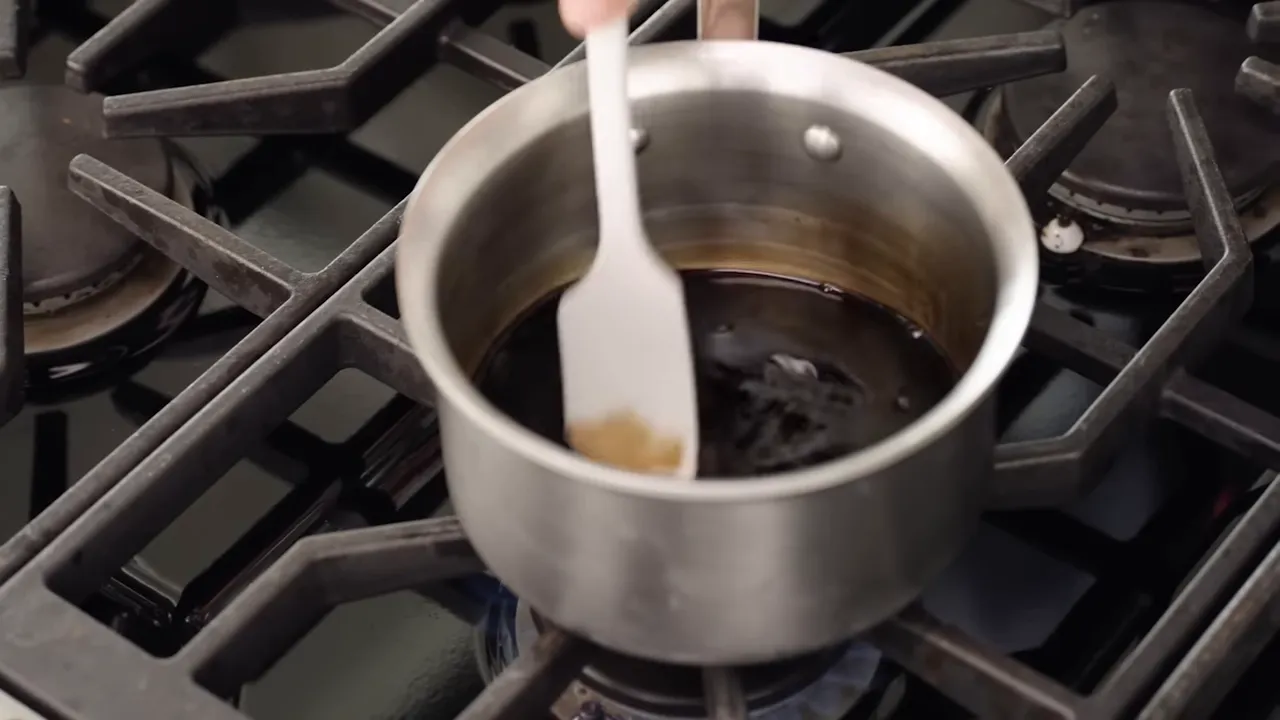
A quick reduction turns supermarket balsamic into a syrupy drizzle that mimics aged bottles. Simmer together 1/3 cup balsamic, 1 tablespoon sugar, and 1 tablespoon port over medium low until reduced by half, about five minutes. Cool and use sparingly over cheese, tomatoes, or vanilla ice cream for a sweet sharp finish that belies the price.
4. Turn a cocktail into vinegar
Any alcoholic base can become vinegar. Dilute one cup of a cocktail to about 7 percent alcohol by adding three cups bottled water, then add a splash of unpasteurized vinegar or a vinegar mother. Cover with cheesecloth and leave at room temperature around 80 degrees for a month until tart. Negroni vinegar carries citrusy bitter herb notes that work beautifully in pan sauces and dressings and invites playful twists like shrubs.
5. Chicken with vinegar: a weeknight classic
Chicken braised with vinegar is a testament to how well acid works in cooked dishes. Brown skin on thighs, sauté aromatics, then add chicken broth, white wine, and about 1/3 cup red wine vinegar. Simmer, finish in a 325 degree oven until the meat reaches about 195 degrees for silky tenderness. Thicken the final sauce with a touch of tomato paste, a whisk of cold butter, fresh herbs, and an extra splash of vinegar to taste. Acid here brightens and balances the richness.

Putting it into practice
Vinegar is underused but simple to incorporate. Use it to quick pickle market finds, tighten poached eggs, fake a luxurious balsamic, experiment with cocktail vinegars, and brighten braises. These techniques slot easily into weekly cooking, recipes, bon apetit habits and reward small investments with outsized flavor.
Season with acid the way you season with salt. Taste at the end and adjust with a splash of vinegar to add punch and complexity.
Try one hack this week and notice how much brighter and more interesting food becomes. These ideas empower home cooks to experiment with flavor in joyful, practical ways that improve both simple lunches and cozy dinners. Bon appetit and happy experimenting with vinegar in your cooking, recipes, bon apetit rotation.
This article was created from the video 5 Ways Vinegar Can Improve Your Food | What's Eating Dan? with the help of AI.
5 Vinegar Hacks Every Home Cook Should Try: cooking, recipes, bon apetit. There are any 5 Vinegar Hacks Every Home Cook Should Try: cooking, recipes, bon apetit in here.

