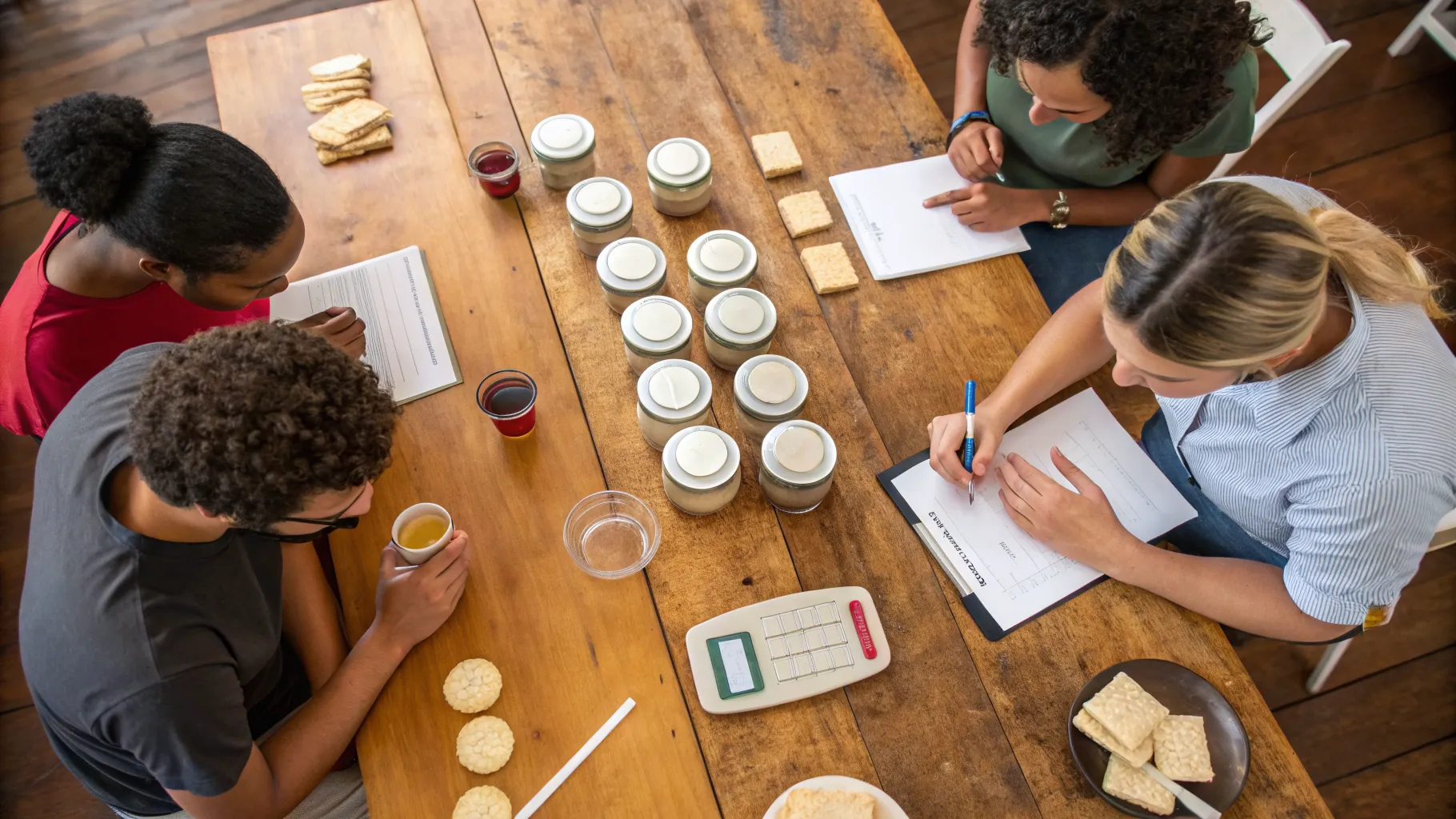
The goal is simple: prevent wasted money and deliver tools and ingredients that make cooking, recipes, bon apetit actually better and more enjoyable. A rigorous testing process combines blind tastings, practical stress tests, and scientific measurement to separate the truly useful products from the flashy but disappointing ones.
How blind tastings keep choices honest
Blind tastings create an even playing field. Panels of tasters gather to evaluate multiple samples without knowing brands or packaging. The process can include 8, 10, or 12 samples at a time, and large groups are common so results are less about one person and more about a consensus.
Practical rules make blind tastings fair: no advance prep for panelists, labels hidden, and palate cleansers such as crackers and water on hand. This keeps focus on what matters most — flavor and texture. As one tester puts it:
"I don't fake it on TV. I am genuinely tasting each sample as it goes."
Ringers occasionally appear to test whether the team will spot obvious problems. A box cake with no chocolate flavor, pre-ground pepper splashed into a whole peppercorn lineup, or a sample that "tasted like sawdust" are the kinds of surprises that reveal weaknesses in product formulation or labelling.

Practical testing: cook with the tools, and then push them
Hands-on cooking tests evaluate real-world performance. Testers cook with every product in multiple scenarios to see how it behaves under normal and extreme conditions. That includes using equipment in every way a home cook might and sometimes in ways they should not.
- Routine cooking checks for ease of use and performance during normal recipes.
- Stress tests push items to failure to reveal construction or material flaws.
- Durability trials show if a tool will last, not just look good the first time.
Examples of practical tests include heating a skillet to 500 degrees and plunging it into ice water to check for warping, or literally whacking a pan to test structural integrity. Even unusual tests, like dropping bags of tomato sauce onto a tarp to check seam strength and closure performance, provide clear, actionable insights about build quality.

When scientific tools back up common sense
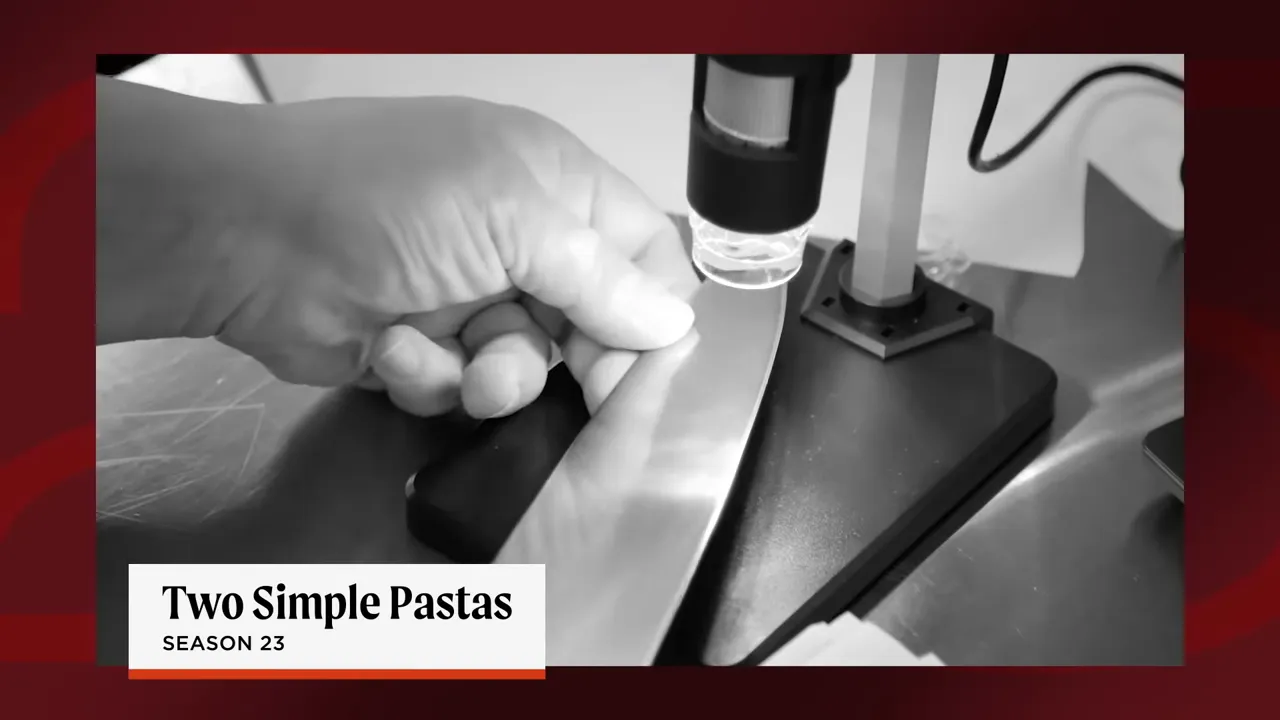
Measurements augment intuition. Temperature tracking, calipers, and industrial machines like sharpness testers quantify how well a product performs. The combination of numbers and tried-and-true cooking trials prevents misleading conclusions based on one-off impressions.
For instance, coolers that look similar can score differently once cut open. Seeing insulation with tiny air pockets versus dense foam explains why one cooler keeps drinks colder longer. Learning that air pockets can out-insulate harder foam ties test observations to material science.
Designing fair tests and honest recommendations
Tests are designed around how people actually use products. Test scenarios are chosen based on past kitchen experience and common home-cooking needs. The aim is to provide the best option available for a given budget, not the flashiest or most expensive item.
Key principles include:
- No product donations accepted to preserve independence.
- Recreating typical home-cooking tasks to reflect real use.
- Using a mix of science and common sense so readers get clear, reliable guidance.
Testing checklist for shoppers
- Look for independent tests that use blind tastings for ingredients and repeatable stress tests for gear.
- Check for data points like temperature stability, sharpness scores, and warping results.
- Prefer recommendations that consider value for money and real-world usability.
Testing done this way helps cooks make wise purchases and spend more time enjoying the cooking process. As one tester says, "Start with good gear. It will make cooking so much easier." That simple advice pays off in better results and more pleasure at the stove.
Where to find trustworthy reviews and keep learning
Readers looking to shop smarter for their kitchens can seek out sources that combine blind tastings, practical cooking trials, and scientific measurement. Subscriptions and newsletters that focus on product testing can deliver curated picks, no-nonsense buying guides, and recipes that put equipment to work. These resources help home cooks bring the benefits of rigorous testing into their own kitchens and enjoy better cooking, recipes, bon apetit every time.
This article was created from the video Behind the Scenes of ATK's Product Testing Methods | America's Test Kitchen with the help of AI.
Behind the Test: Practical Product Testing for better cooking, recipes, bon apetit. There are any Behind the Test: Practical Product Testing for better cooking, recipes, bon apetit in here.

