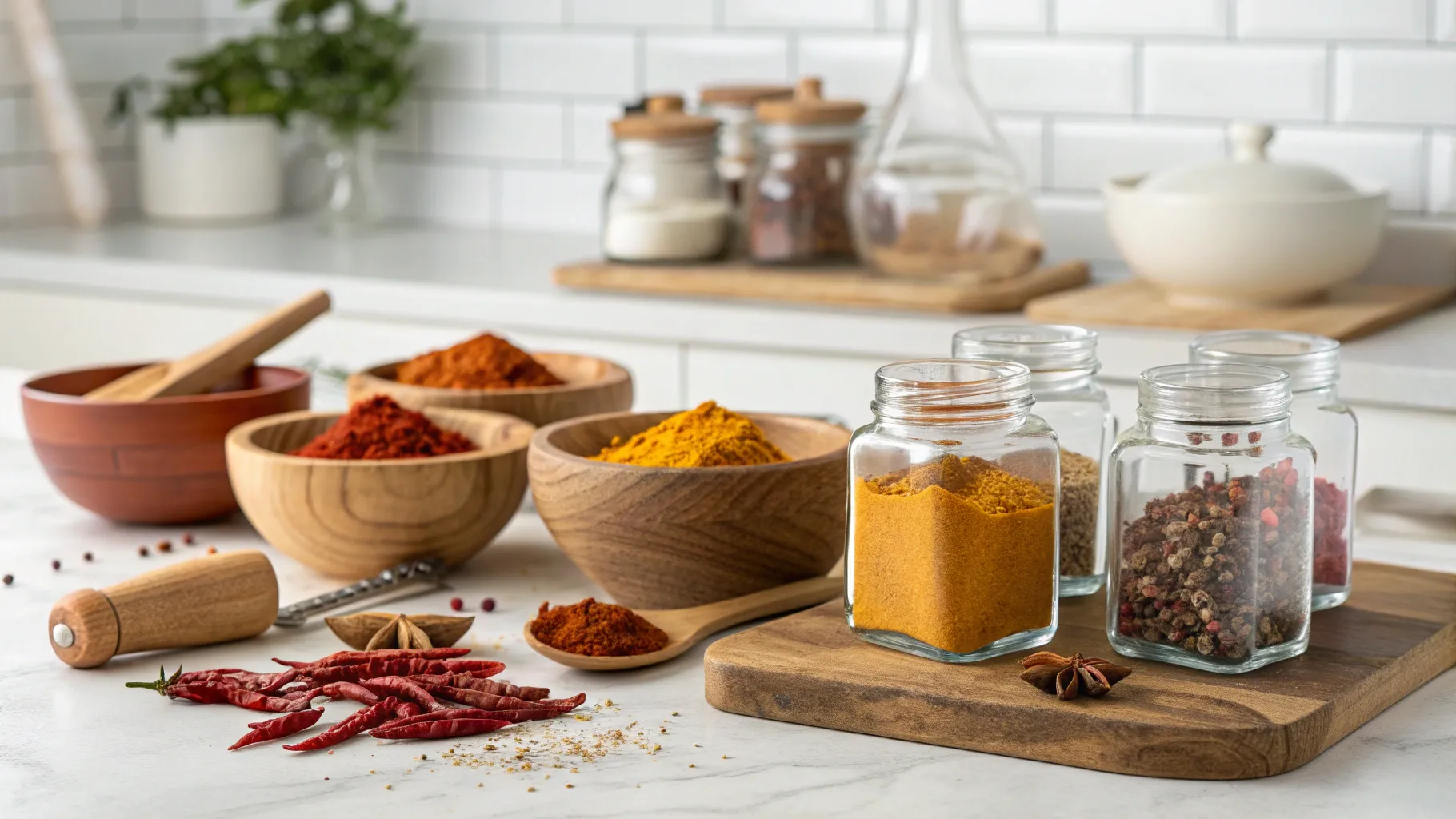
Bright, simple spice blends are the fastest way to lift home cooking. In a short, upbeat video from America's Test Kitchen, Jack Bishop breaks down how a handful of classic American spice blends—from taco seasoning to pumpkin spice—make weeknight cooking and baking more flavorful with minimal fuss. This guide walks through the key flavor components, how to use them, and easy DIY ratios so readers can simplify their spice racks and make cooking, recipes, bon apetit come alive in minutes.
Key takeaways
- One jar of a thoughtfully chosen blend can replace several single spices and speed up meal prep.
- Chili powder, taco seasoning, Creole, and blackening blends each have distinct roles—some season the food directly, others season the cooking liquid.
- Simple tweaks—like adding a pinch of cornstarch to taco mix or cooking blackening spice in butter—dramatically improve results.
- Homemade pumpkin spice is easy to mix and best used in baking, not necessarily in every latte.
Chili powder vs. taco seasoning: the backbone of hearty dishes
Chili powder emerged in the early 20th century as a convenient way to season chili. Typical commercial chili powder combines dried chilies with garlic, oregano, and cumin to create a deep, savory backbone for stews, chili, and Tex‑Mex dishes.
A helpful labeling tip: a chili spelled with an “e” (chile vs. chili) or simply the packaging can indicate purer ground chilies. In the speaker’s breakdown, classic chili powder (the everyday jar) is roughly 80% chilies with the rest made up of supporting spices; a product labeled as purely chilies will lean toward 100% ground peppers.
Taco seasoning is a close cousin but milder and more approachable for family meals. It typically adds more cumin and sometimes paprika in place of some chilies for a gentler profile. A practical tip from the test kitchen: when making a homemade taco mix, stir in a small amount of cornstarch. That starch helps the saucy liquid that forms around browned ground beef cling to the meat, giving every bite an even, saucy coating.
Creole and blackening blends: Southern heat and technique
Heading south, Creole seasoning is cayenne-forward—no surprise given Louisiana’s preference for that red pepper—often rounded with thyme and other aromatics. It’s a classic seasoning for gumbo, jambalaya, and many Cajun‑influenced recipes.
Blackening spice powder is similar but built for intense crusted flavor: it pairs cayenne with other red peppers and bold spices. The crucial technique here is fat: blackening spice performs best when it sees melted butter or another fat. Coat a fish or chicken in the blend and cook it in butter so the fat releases and blooms the spice oils—this is the trick that creates the signature charred, aromatic crust.
Blends that season the liquid: crab boil and pickling spice
Not every blend is meant to go straight on food. Some are designed to flavor the cooking liquid itself.
Crab boil blends—think Zatarain’s or Old Bay—are used to infuse large pots of water for shellfish boils and stews (Frogmore stew, New England crab boils). Typical components include mustard seeds, crushed bay leaves, and coriander seeds; the goal is a complex, savory broth that seasons seafood evenly.
Pickling spice is another liquid‑seasoning blend, but it tilts tart and fruity. Expect assertive notes from cloves and warm depth from allspice. These blends show how strategic spice combinations can flavor entire batches of food through the cooking medium rather than direct application.
Pumpkin spice: DIY ratio and where to use it
Finally, pumpkin spice is a modern pantry staple—especially for baking. The speaker offers a reliable DIY ratio for recipes that call for 1 teaspoon of pumpkin spice:
- 1/2 teaspoon cinnamon (the dominant flavor)
- 1/4 teaspoon ground ginger
- 1/8 teaspoon ground nutmeg
- 1/8 teaspoon ground allspice
This balance keeps cinnamon front and center while curbing the highly assertive nutmeg and allspice. It’s delightful in pumpkin bread and other baked goods—though the recommendation is to pick your moments; not every beverage or dessert needs pumpkin spice added.
Putting it into practice
With just a few jars and a little technique, home cooks can streamline their spice rack and make cooking, recipes, bon apetit feel effortless. Start by choosing one or two blends that match your weekly menu—taco seasoning for weeknight tacos, a Creole blend for a weekend pot of jambalaya, and a pumpkin mix for seasonal baking—and experiment with homemade versions using the ratios above. Small adjustments—cornstarch in taco mix, butter for blackening—will reward you with bolder, more reliable results.
Happy mixing—and bon apetit!
Building Great Spice Blends for Faster Cooking, Recipes, Bon Apetit. There are any Building Great Spice Blends for Faster Cooking, Recipes, Bon Apetit in here.

