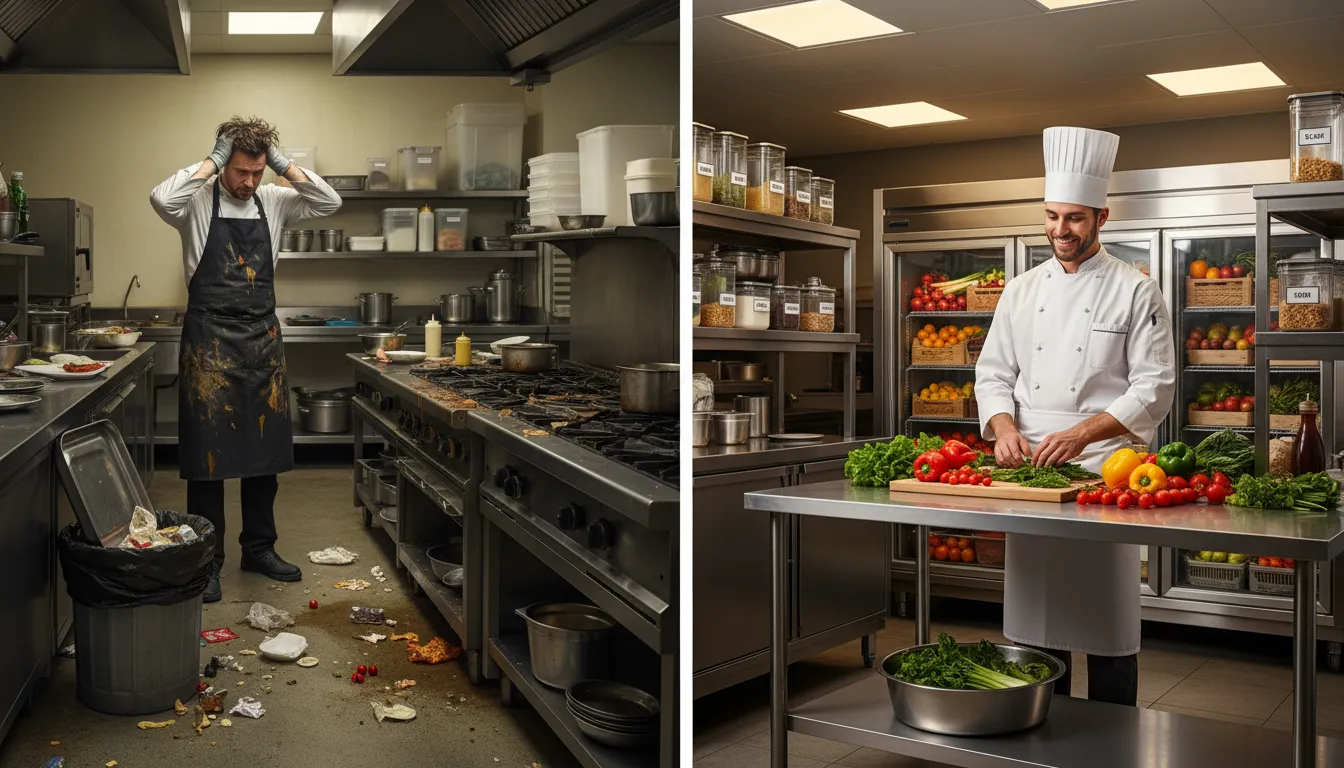
There is a clear difference between passionate cooking, easy recipes executed well, and a kitchen that slowly unravels into chaos. This piece looks at practical fixes for restaurants suffering from poor sanitation, sloppy prep, and menu overload. It celebrates the bright, achievable goal of getting back to fresh ingredients, simple processes, and reliable service.
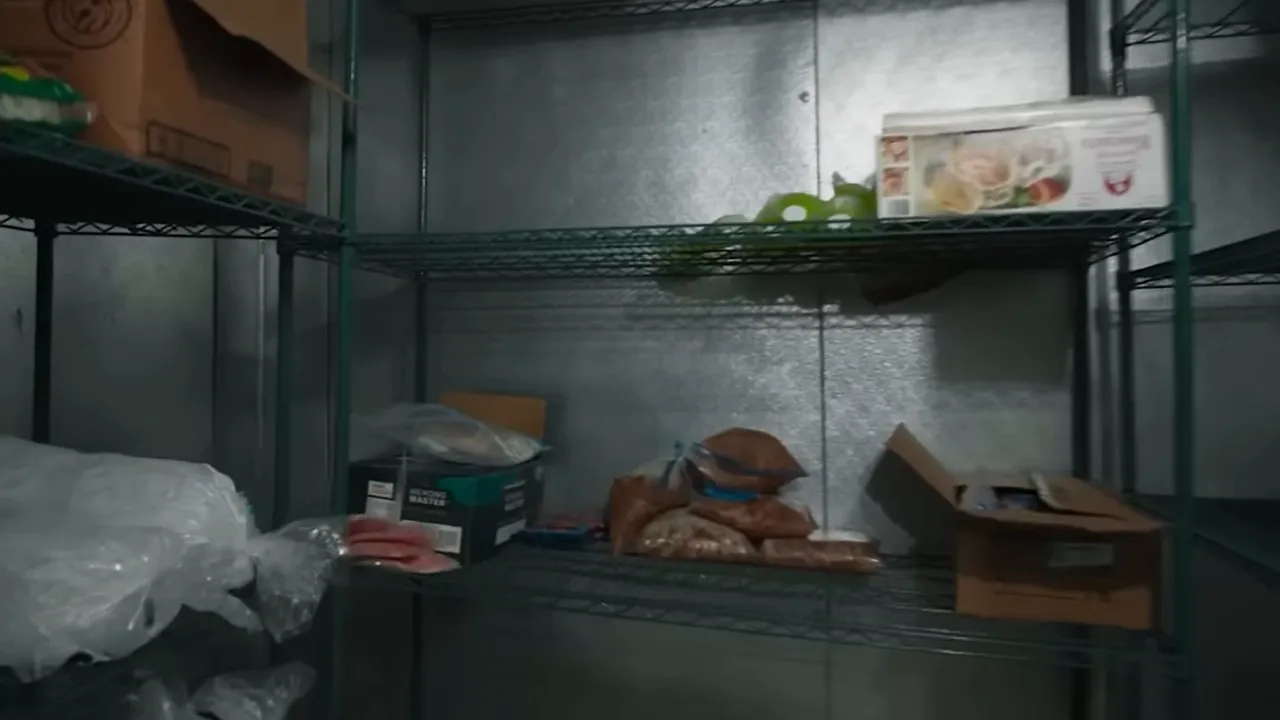
Why cleanliness matters more than clever plating
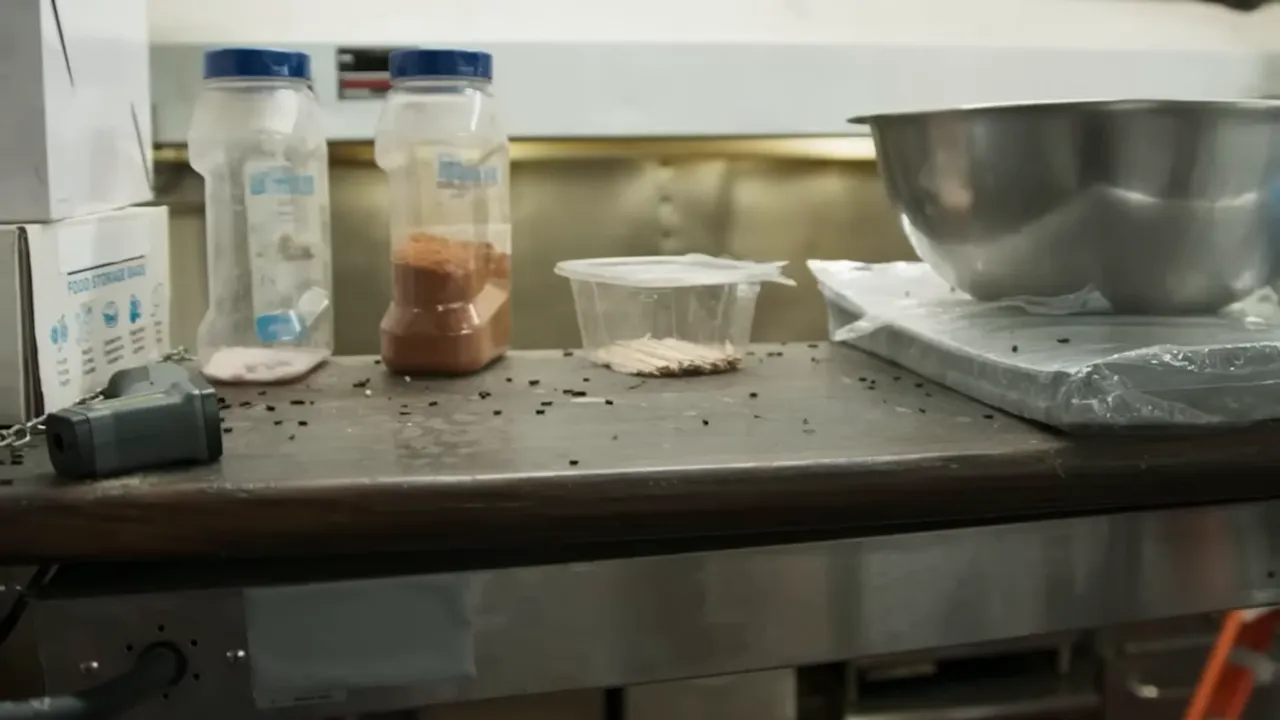
Food service can be glamorous in photos and social media reels, but safety and standards are the backbone of any successful kitchen. When basic hygiene fails, the whole operation collapses—waste increases, customers complain, and staff morale drops. Small changes have big returns: clean walk-ins, labeled containers, and grease disposal done properly protect customers and reduce staff stress.
Quick wins:
- Label and date everything—avoid guessing what’s in containers.
- Separate raw and ready-to-eat foods—never store raw meat above prepared items.
- Schedule deep cleaning weekly so grime never builds to an emergency.
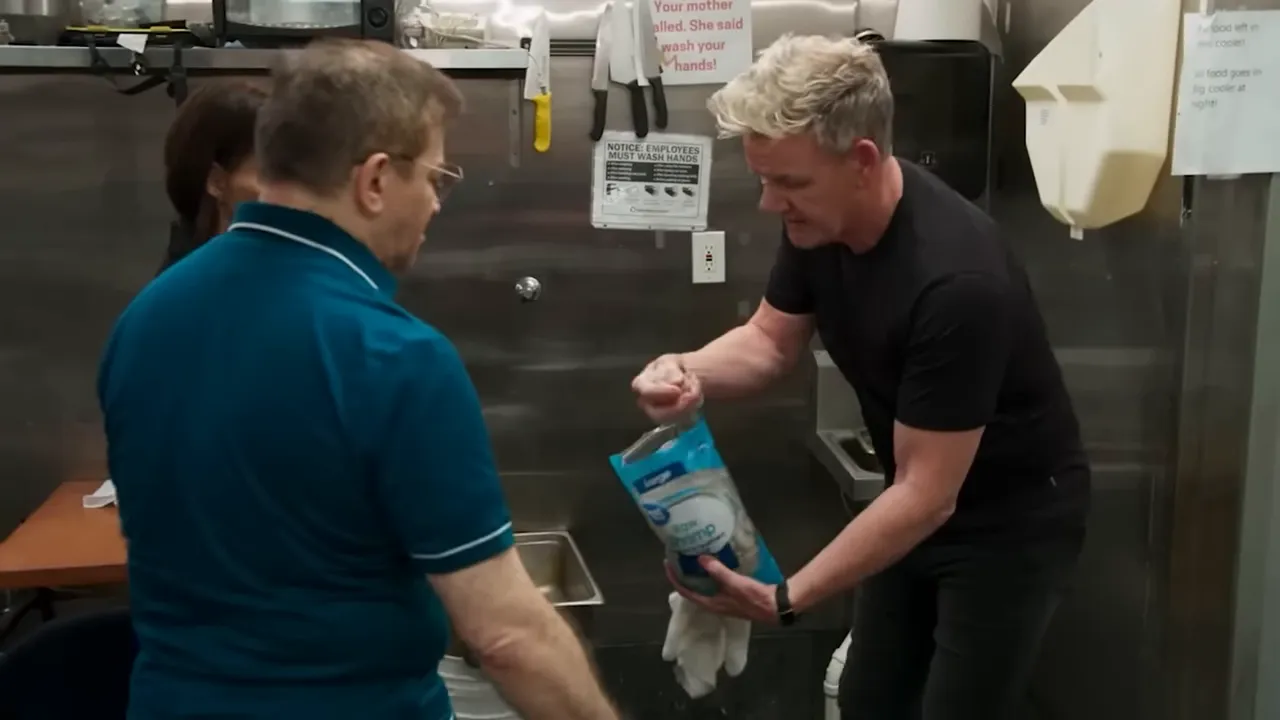
Fresh versus frozen: why shortcuts cost more than they save
Frozen shortcuts can be tempting for speed, but relying on them as a backbone leads to bland, repetitive dishes. Guests come for character and quality. When 90 percent of a menu is pulled from freezers, the restaurant loses its identity. A curated, shorter menu with fresh foundations protects both flavor and the kitchen team.
Actionable steps:
- Trim the menu to the best 12 to 20 items that can be produced well during service.
- Prioritize a few signature dishes and make them consistently fresh.
- Train cooks to execute key recipes so timing and quality improve.
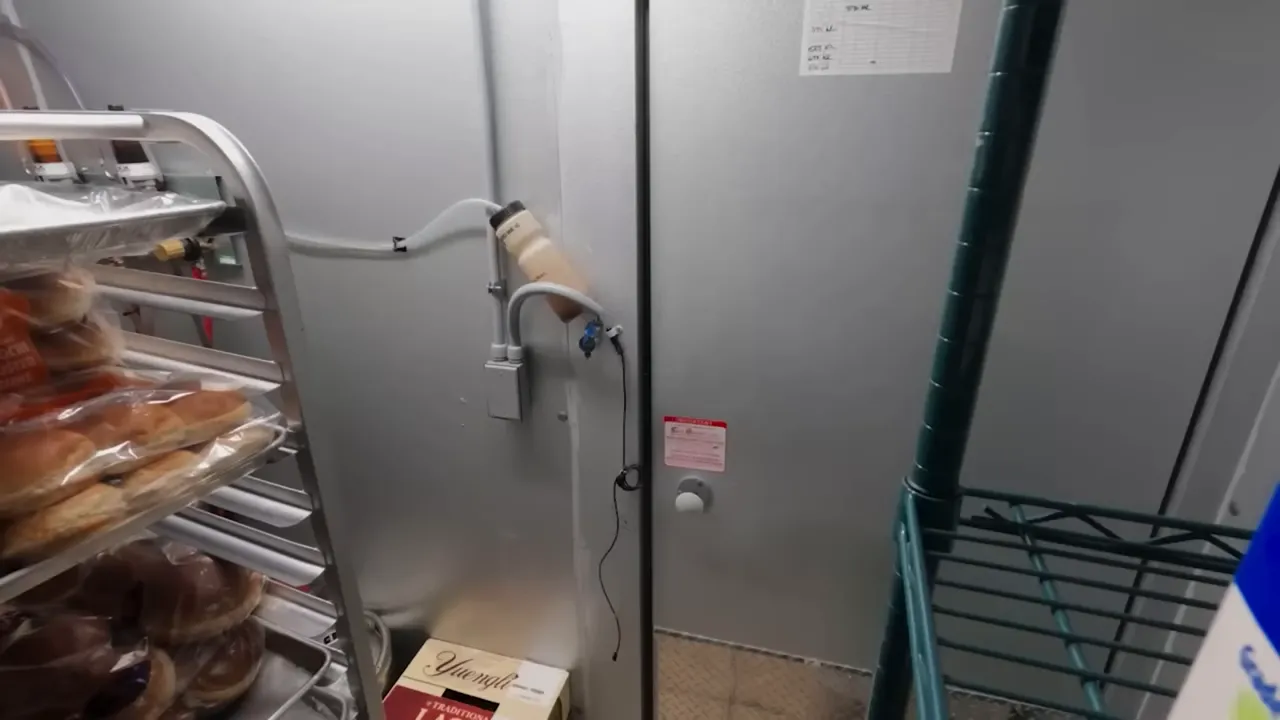
Process and communication: the invisible kitchen tools
A kitchen without clear roles is a constant firefight. Tickets get missed, plates go out at different times, and guests eat separately. Strong service flow requires defined stations, a ticket leader, and an effective pass. That structure makes even complex orders seamless and ensures dishes arrive together and hot.
Core principles:
- Assign a reliable expeditor for each service.
- Use ticket checks and verbal calls to coordinate entrees.
- Keep mise en place visible and restocked between rushes.
Staffing and ownership: trust and delegation
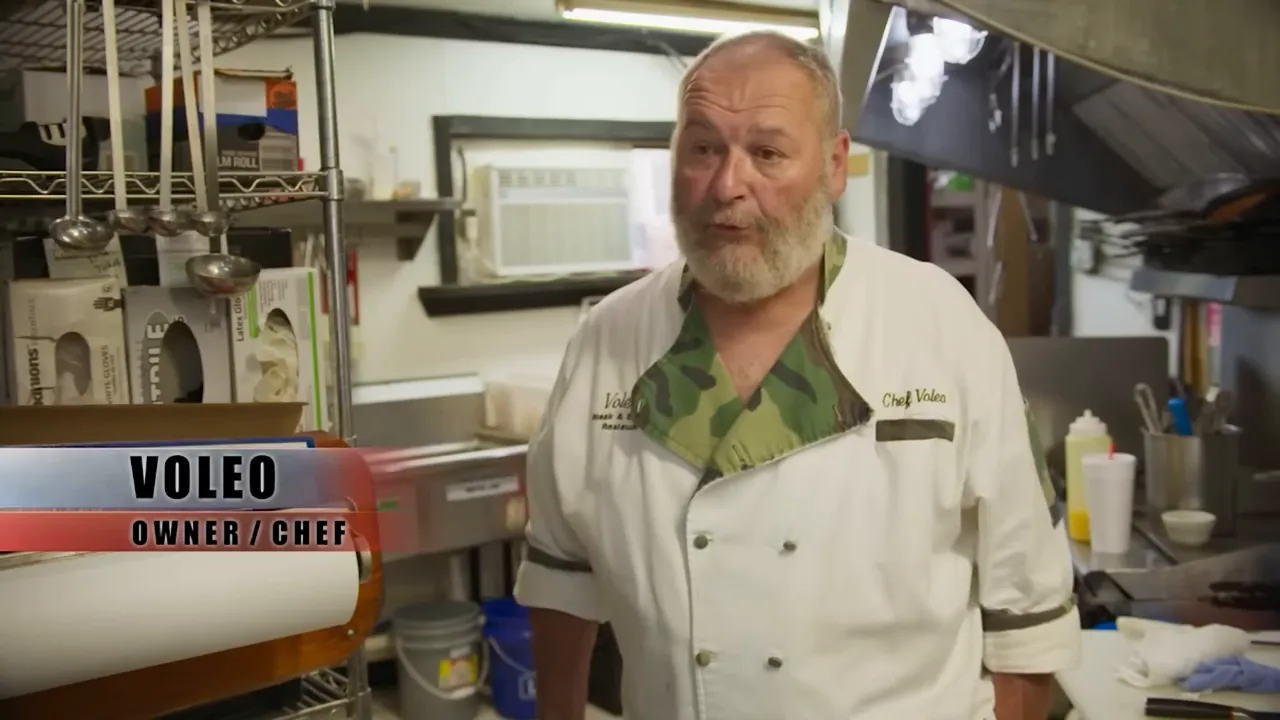
One person trying to run every station usually ends in burnout. A leader must learn to trust trained staff and step back from constant micromanagement. Delegation creates capacity for strategic improvements, like menu refinement and supplier relationships, which in turn yield better food and fewer crises.
"This place is like the plague."
The hard truth is useful when delivered with purpose. Accepting that help is needed is the first step to recovery. Teams improve rapidly when expectations are clear and leadership invests in staff development.
Practical checklist for immediate improvement
- Sanitation: Install and monitor proper soap dispensers, remove moldy or expired stock, and clean fryers and grills daily.
- Storage: Keep freezers organized, rotate stock, and never defrost hot food in the fridge; cool it properly first.
- Quality control: Taste test key dishes every service and reclaim dishes that fall below standard before they reach customers.
- Staffing: Create shift roles so someone is always responsible for tickets, plating, and the pass.
- Menu: Replace canned sauces with simple fresh equivalents and reduce over-reliance on microwaves or pre-made components.
- Culture: Reward staff who follow standards and coach those who need guidance.
Bringing it all together
Restoring pride to a kitchen starts with tangible improvements: better storage, a simplified menu, clear roles, and relentless cleaning. These steps lead directly to happier customers and a more sustainable business. The same passion that inspires creative dishes can also power efficient systems. With attention to detail and a commitment to lift standards, any struggling restaurant can transform into a place where cooking, easy recipes actually taste like they were meant to.
Embrace the change, train the team, and keep the focus on food that is honest, fresh, and consistently prepared. The goal is simple: great food made and served with care.
This article was created from the video Even More FILTHY Kitchens | BRAND NEW Season Kitchen Nightmares Compilation | Gordon Ramsay with the help of AI.
Cooking, easy recipes and kitchen sanity: transforming filthy kitchens into clean, consistent restaurants. There are any Cooking, easy recipes and kitchen sanity: transforming filthy kitchens into clean, consistent restaurants in here.

