Quick overview
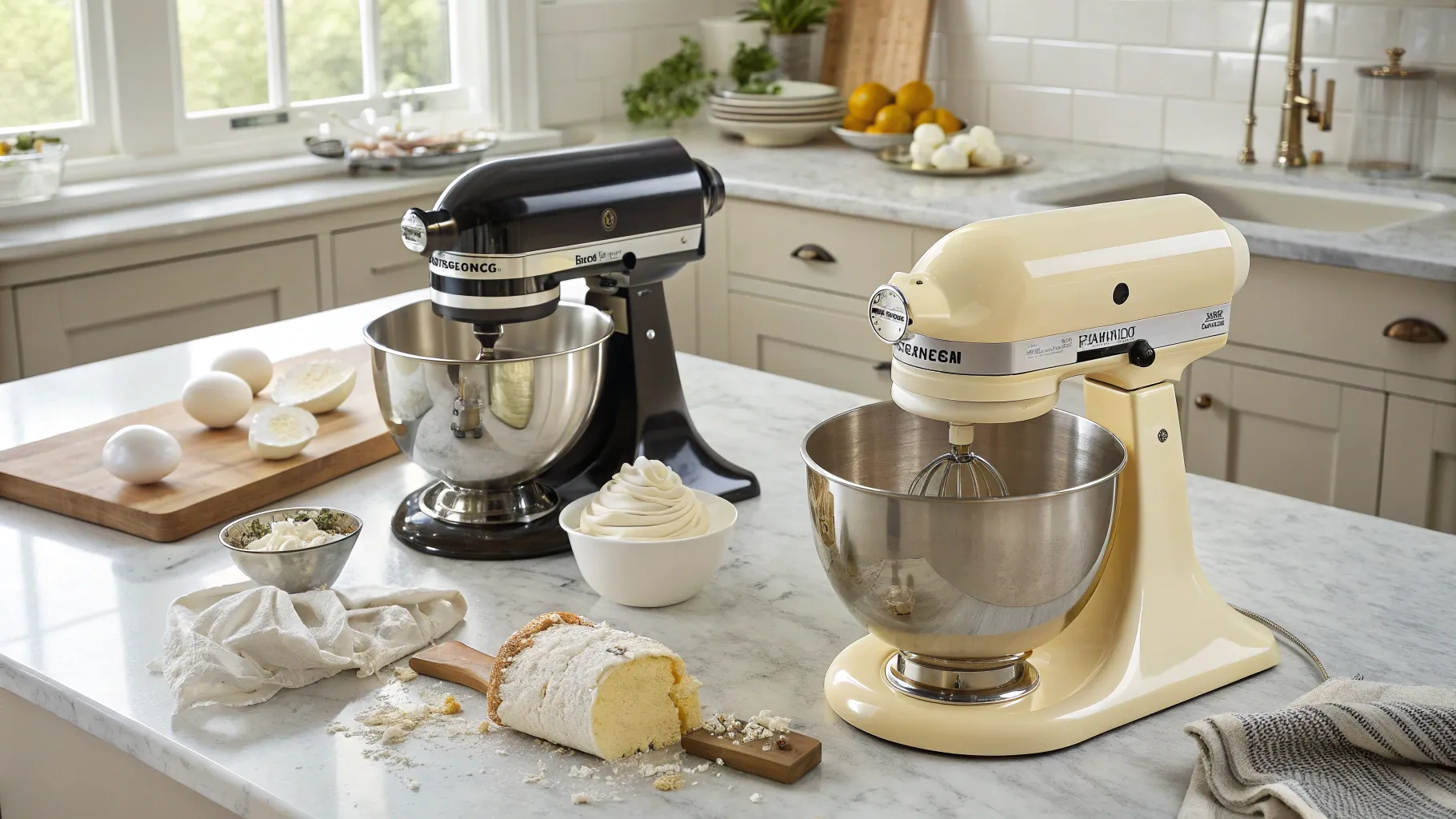
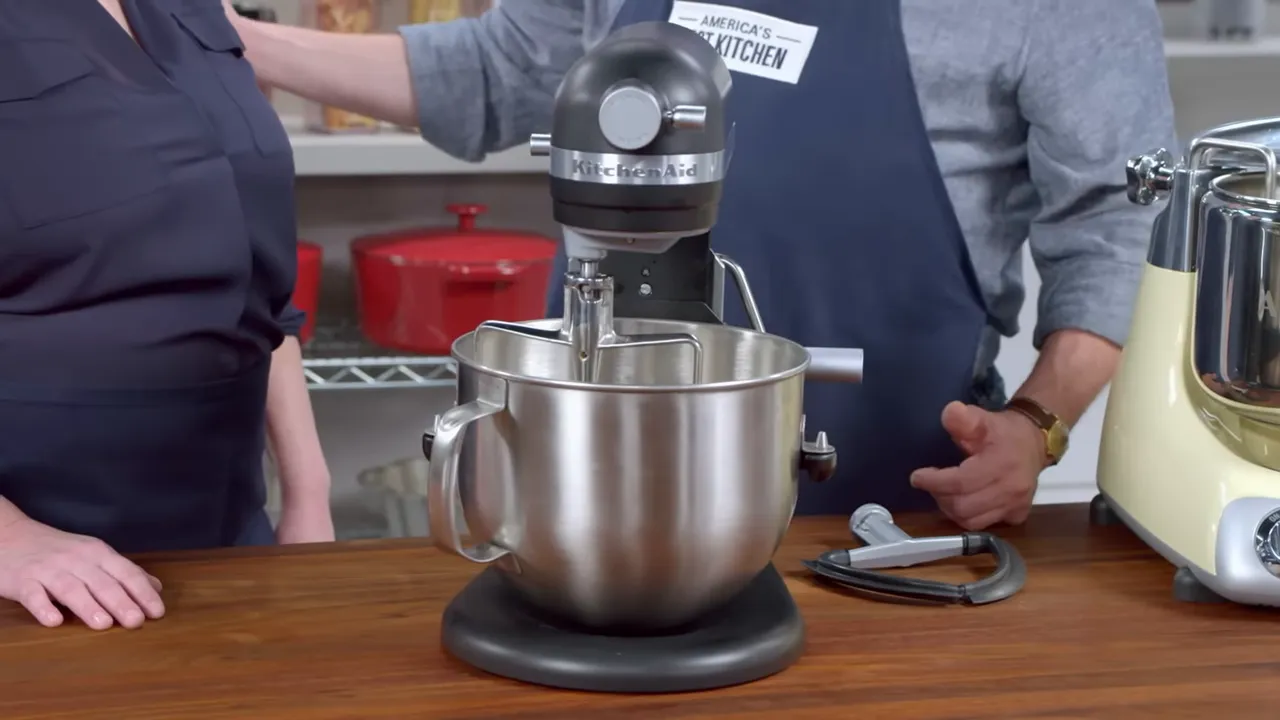
Serious home bakers need gear that can keep up. Two heavy duty stand mixers were put through a full battery of tests to see which one earns a permanent spot on the countertop. The contenders were the redesigned KitchenAid 7 quart bowl lift stand mixer and the Ankarsrum Original 6230 with its distinctive bowl-on-top design. This article walks through the tests, explains why torque matters, and shows which machine came out ahead for people who love cooking, recipes, bon apetit.
What was tested
- Whipping: small (two egg whites) and larger amounts (four egg whites, 1.5 cups heavy cream to stiff peaks)
- Creaming: standard creaming of butter and sugar for cookie dough and reverse creaming for cake batter
- Kneading: double batches of two extremes a very sticky high hydration pizza dough and a very stiff bagel dough
- General usability, attachments, weight, stability, and storage needs
Key takeaways
- Torque is more important than wattage for real-world mixing performance
- Both machines are powerful but offer very different approaches to dough handling and workflow
- The KitchenAid is familiar, solid, and improved in small ways; Ankarsrum is highly adjustable and ultimately better for heavy, varied doughs
Why torque matters
Wattage tells you how much electrical power a motor draws. Torque tells you the rotational force the motor actually produces. In real baking situations torque is the metric that determines whether a mixer can push sticky, heavy doughs through the bowl without stumbling, overheating, or shutting down. Testers noted that when torque is lacking a machine will groan and struggle under load. For serious bakers who knead a lot of dough, torque is the single most important performance trait to consider.
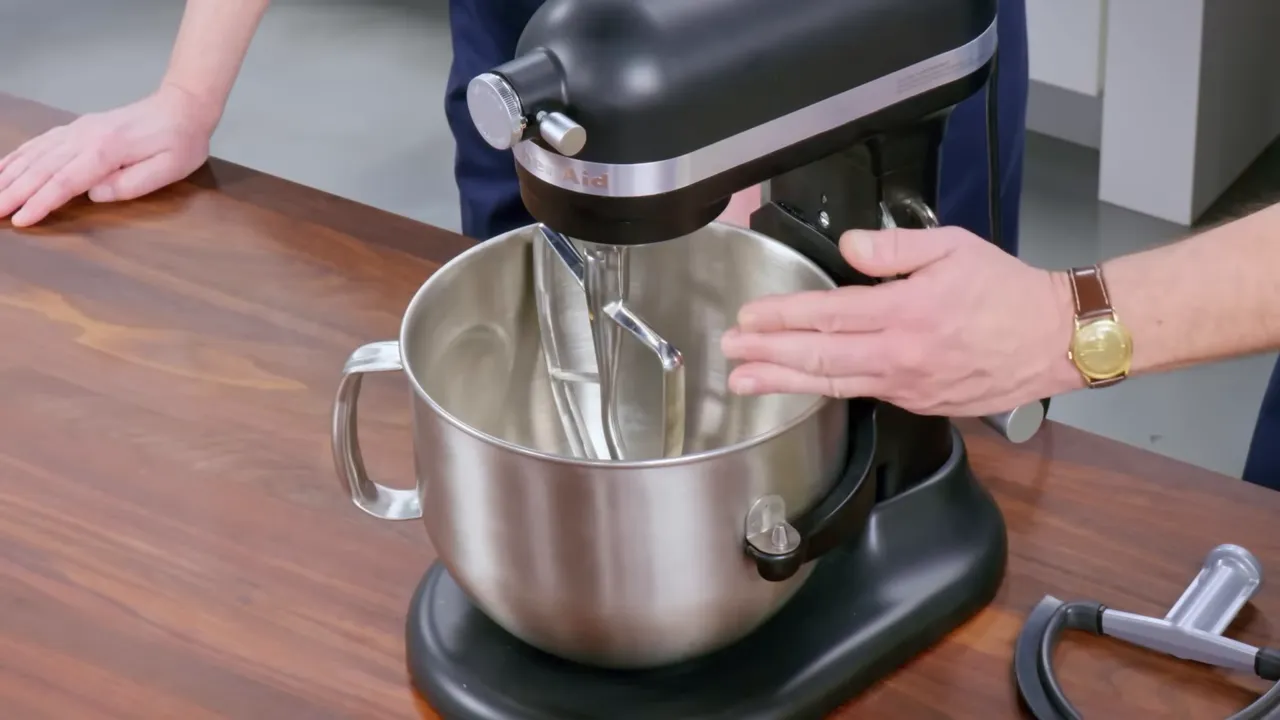
KitchenAid 7 quart bowl lift — familiar and improved
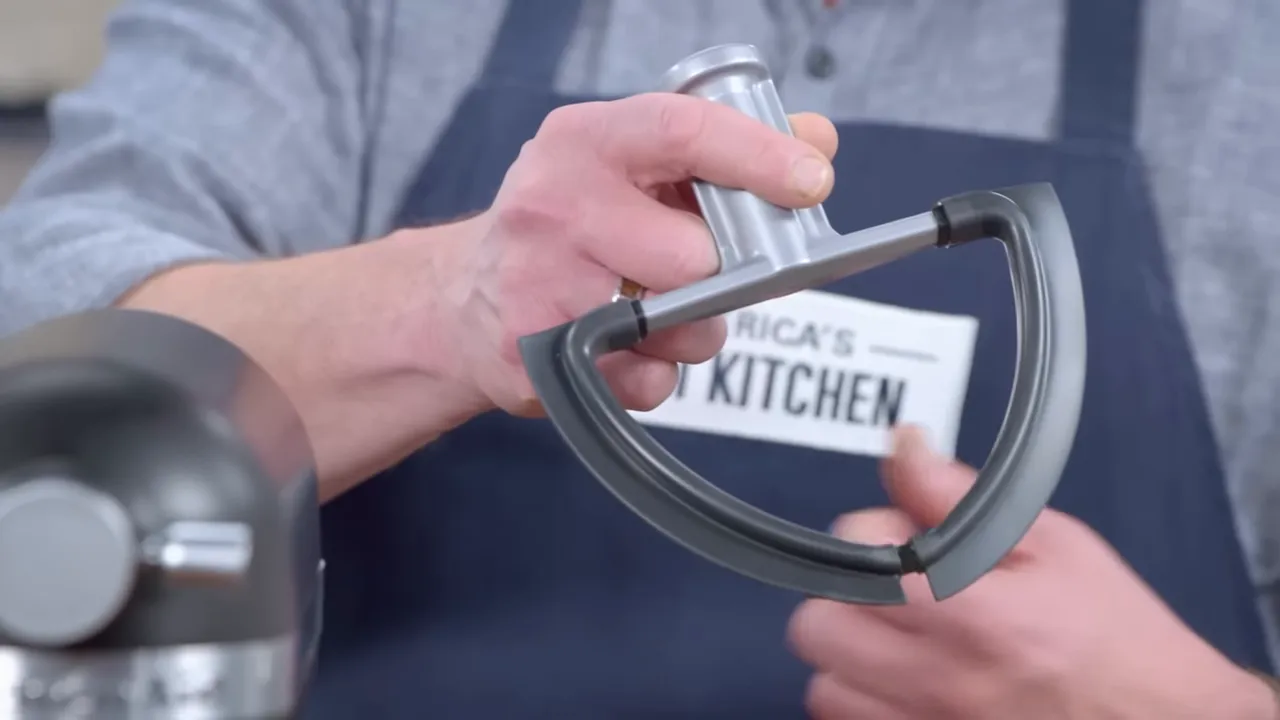
The KitchenAid tested smoothly across whipping and creaming tasks and demonstrated solid torque during kneading. Several practical updates make life easier. The new model includes stainless steel attachments and an extra paddle with silicone fins that scrape the bowl sides while mixing. It also adds more speeds and a half speed that is ideal for folding delicate ingredients.
Strengths
- Reliable power and torque for most home baking tasks
- Heavy weight and bowl lift design add stability
- Chunky vertical bowl handle makes lifting and pouring simple
- Familiar setup for American home bakers
Considerations
- Access to the bowl can be awkward when the bowl is cranked into place. Adding ingredients neatly sometimes requires lowering the bowl and removing the attachment
- Manufacturer guidance places limits on kneading speeds and times do not exceed speed two, two minutes at a time, or four to six minutes total. That restriction may matter for bakers who do long or repeated kneading sessions
- Price is about six hundred fifty dollars
Ankarsrum Original 6230 — different design, serious capability
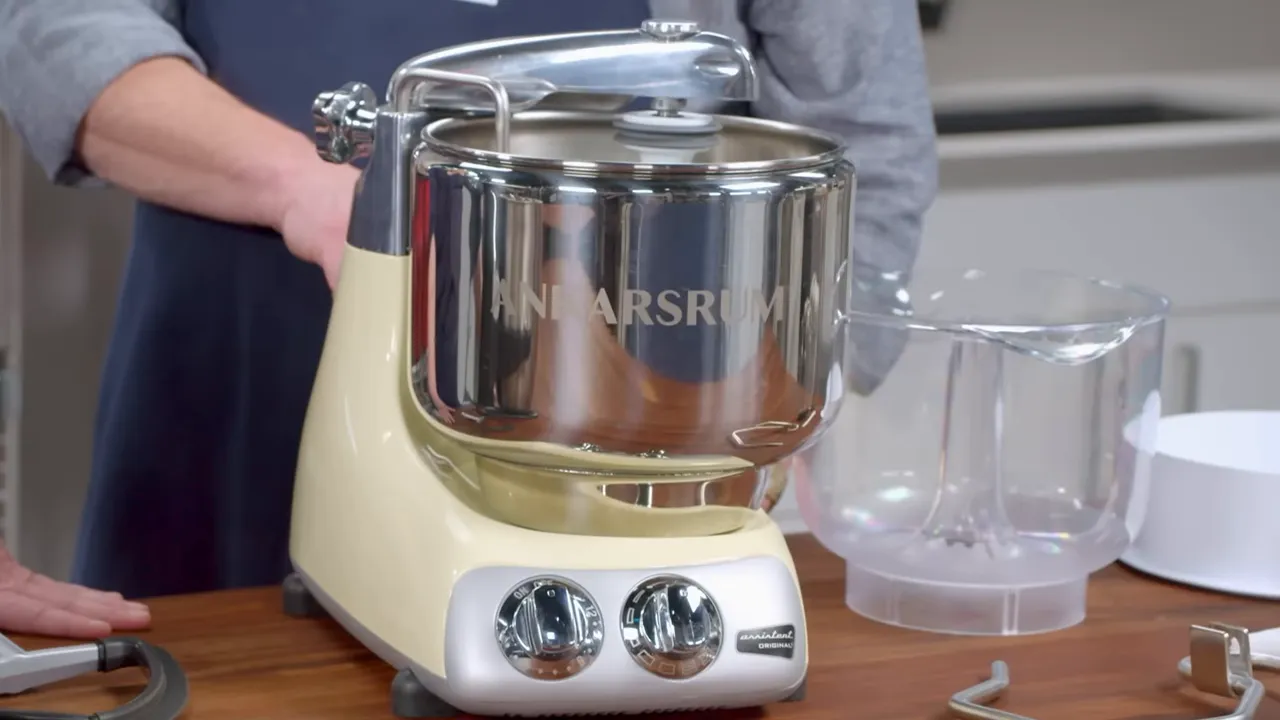
The Ankarsrum approaches mixing from the opposite direction. The motor lives in the base and the bowl rotates on top. That design is popular in Europe and takes a short learning curve for users unfamiliar with it. Once learned the controls are delightfully simple two knobs control power with a timer up to twelve minutes and speed up or down.
Strengths
- Exceptional torque. It handled both sticky, high hydration doughs and very stiff bagel doughs almost effortlessly
- Open top bowl makes it easy to add ingredients and to watch progress
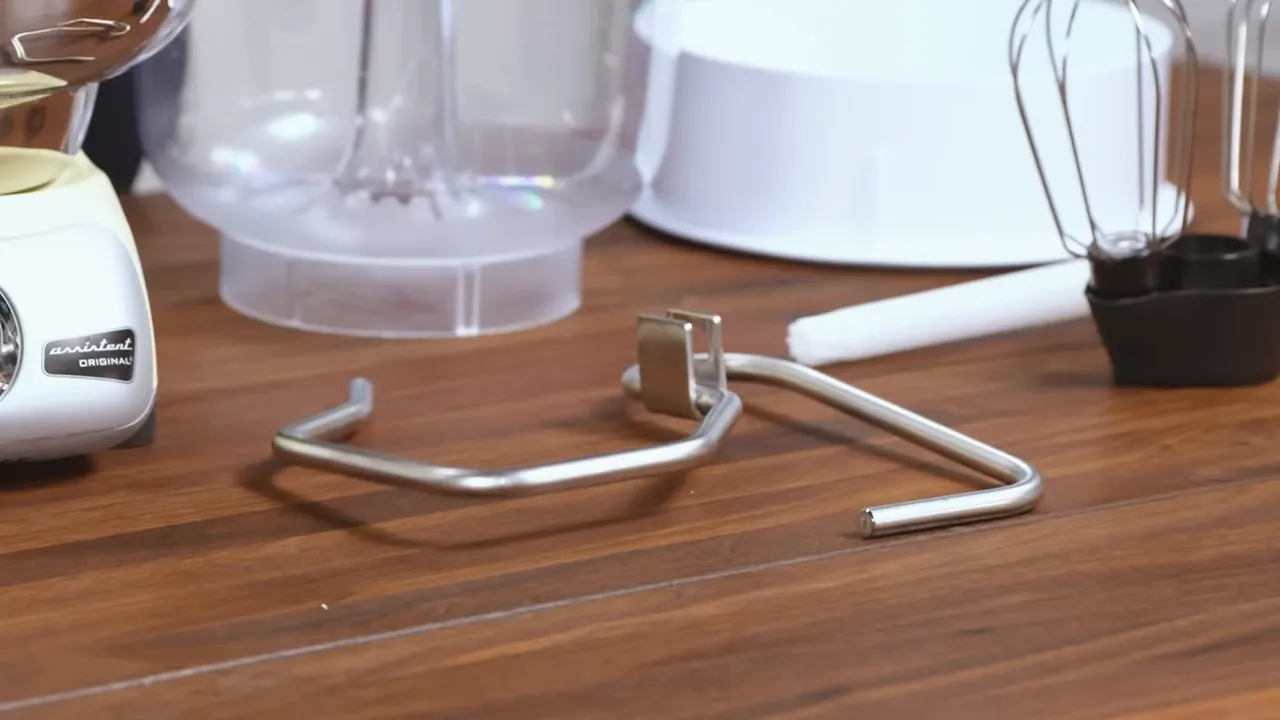
- High adjustability. Use a dough hook for softer doughs or a dedicated roller for stiff doughs. Arm position and roller tension are adjustable for fine tuning
- Comes with a large stainless steel bowl and a Tritan plastic bowl for whipping and creaming
Considerations
- More parts and accessories to manage. The system includes a dough roller, scraper, post, multiple whisk and hook options and optional attachments for pasta, sausage, and grain processing which increases storage needs
- Initial unfamiliarity for users used to top-mounted motor bowl lift mixers
- Price is about seven hundred fifty dollars
Which mixer suits which baker
Both machines are solid investments for people who love cooking, recipes, bon apetit and want a durable, capable stand mixer. The KitchenAid will appeal to bakers who want a familiar workflow, a heavy stable machine, and slightly updated convenience features. The Ankarsrum is the better pick for bakers who need maximum torque, want fine control over dough handling, and are comfortable storing and swapping more parts.
Who should choose KitchenAid
- Users who value a classic bowl lift design and simple attachment swapping
- Bakers who do moderate kneading and prefer a straightforward single dough hook approach
- Those who want a trusted American standard and a price point around six hundred fifty dollars
Who should choose Ankarsrum
- Serious bakers who work with a wide range of dough textures from loose pizza dough to stiff bagel dough
- People who want deep adjustability in dough handling and do repeated heavy kneading
- Users willing to learn a different system for the payoff of exceptional torque and a very open, accessible bowl
Final thoughts for serious home bakers
Testers ultimately selected the Ankarsrum Original 6230 as the winner for its torque, adjustability, and open bowl convenience. It costs about seven hundred fifty dollars and is recommended for bakers who regularly tackle large or challenging doughs. That said the KitchenAid remains an excellent and familiar workhorse at roughly six hundred fifty dollars and may be the better fit for bakers who prefer a simpler setup.
Either way the important takeaway is to evaluate torque, usability, and how each machine fits the baker s workflow. With the right choice the mixer becomes a countertop workhorse that helps transform more cooking, recipes, bon apetit moments into delicious results.
This article was created from the video Testing Heavy-Duty Stand Mixers: KitchenAid vs Ankarsrum | America's Test Kitchen with the help of AI.
cooking, recipes, bon apetit: Testing Heavy-Duty Stand Mixers — KitchenAid vs Ankarsrum. There are any cooking, recipes, bon apetit: Testing Heavy-Duty Stand Mixers — KitchenAid vs Ankarsrum in here.

