Why a garnish is more than a pretty accessory
Garnishes often get dismissed as mere decoration, but they are actually powerful flavor delivery systems. A twist of citrus, a briny olive, or a slapped sprig of mint can change how a cocktail smells, tastes, and feels. This piece looks at practical garnish techniques that lift simple recipes into memorable moments. Expect actionable tips any home bartender can use to make drinks taste better and look luxurious while keeping a playful, culinary approach to cooking, recipes, bon apetit.
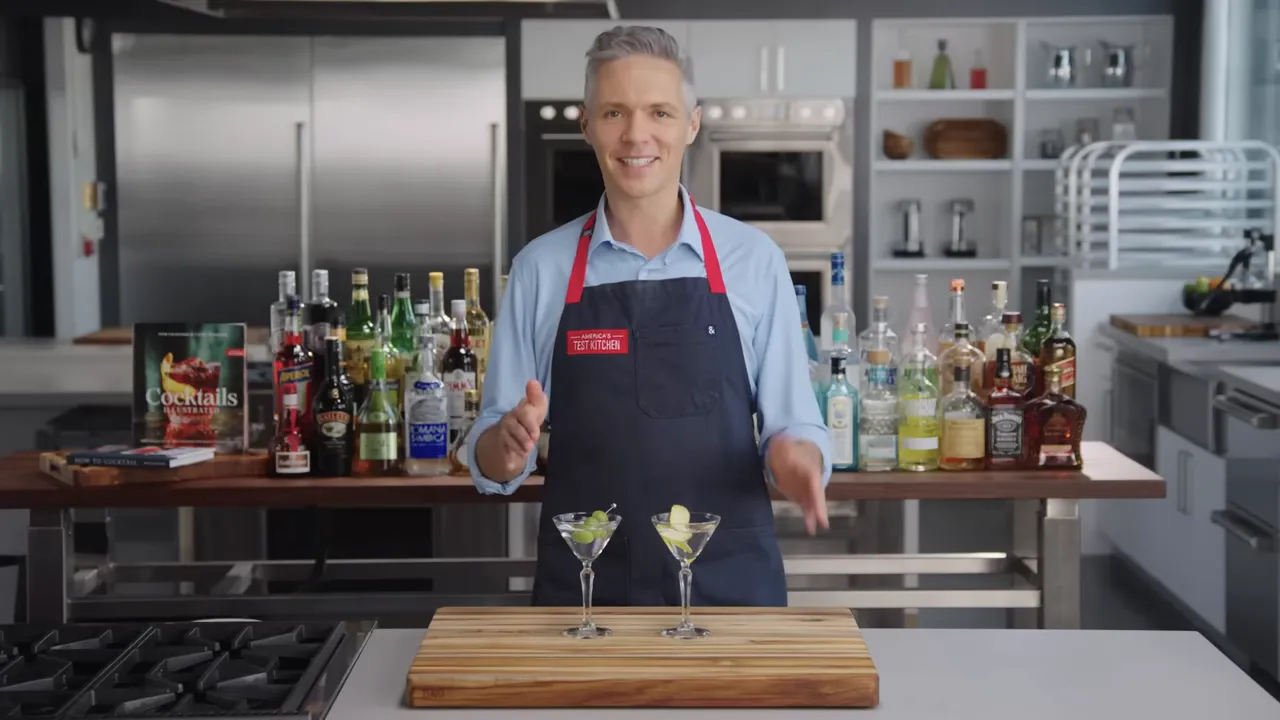
How aroma changes what you taste
Most perception of flavor comes from smell rather than taste. That means aromatic garnishes are not optional extras; they are central to the experience. A lemon twist does not make the gin sweeter on the tongue, but its citrus oils create a perception of sweetness and highlight floral notes. An olive injects salt and umami, amplifying savory and earthy vermouth characteristics. Both alter the same martini recipe in distinct, delightful ways.
Quick technique: expressing citrus
For a reliable lemon twist, choose lemons with small pores which usually indicates fresh zest. Wash and dry to remove wax, then use a vegetable peeler to remove a 2 inch strip leaving a touch of pith. With the pith facing out, squeeze the peel over the drink to express the oils. Rub the rim, twist, and drop it in. That spray of oils is what makes the scent hit first, and the sip follow with new life.
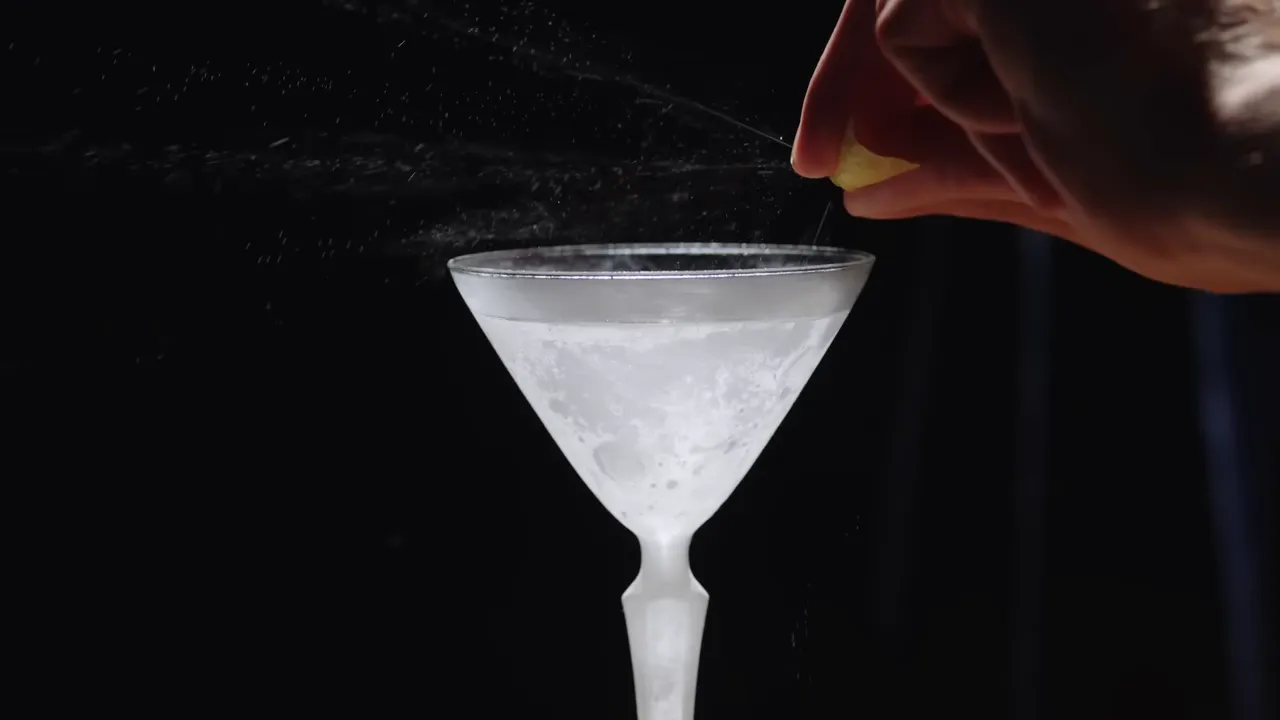
Garnishes that do more than smell good
- Sugar rims let the drinker choose sweetness by drinking through the rim or not.
- Olives add salt and umami that linger on the palate and in the olive itself.
- Mint sprigs when muddled add flavor; when slapped and placed near the nose they add aroma.
Example recipes and garnish ideas
Simple, tested formulas make it easier to practice garnishing skills. Here are a few, with garnish suggestions that change the character of the drink.
- Jabberwocky — 1 ounce gin, 1 ounce dry sherry, 1 ounce Coquimera cano, eighth teaspoon citrus bitters. Stir for one minute. A lemon parallelogram perched on the rim adds a fresh aromatic burst as the glass approaches the nose.
- Boulevardier — 1.5 ounces rye, 3/4 ounce Campari, 3/4 ounce sweet vermouth. Stir 30 seconds. Gently warm an orange zest and express it over a match to add faint smoky caramelized orange notes.
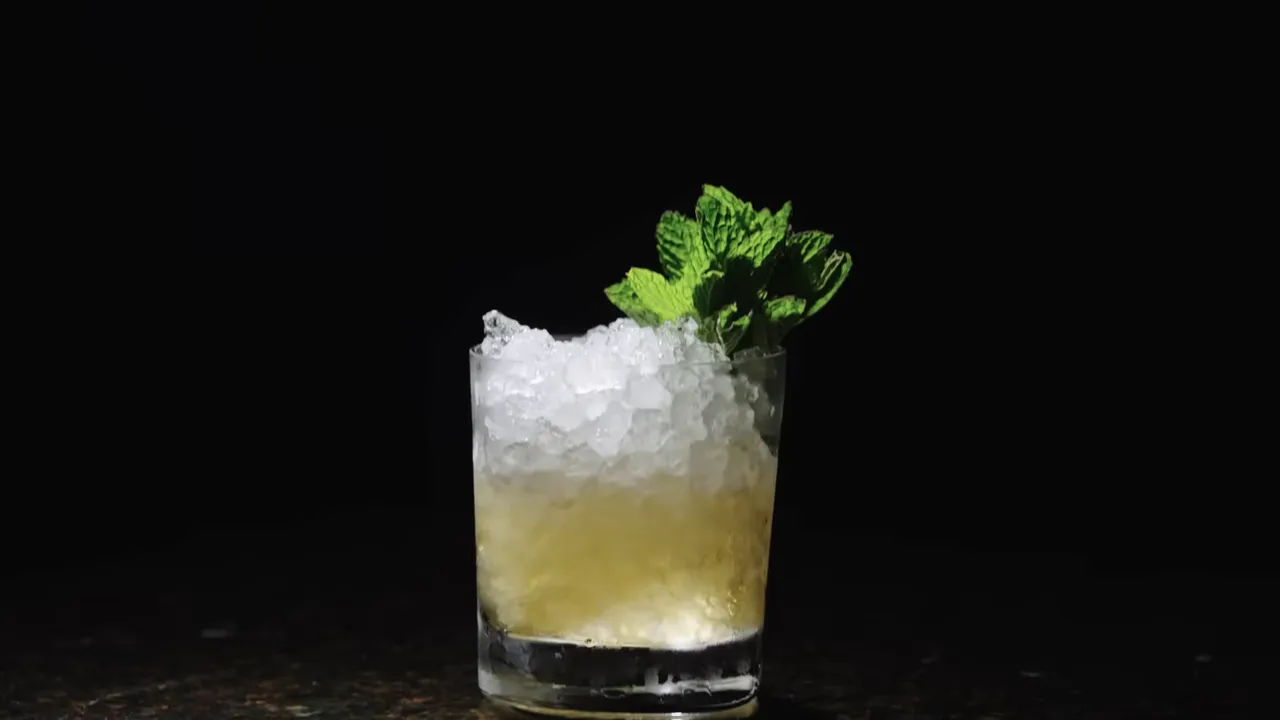
- Mint Julep variation — Muddle a third cup of mint with 1/2 ounce simple syrup, stir in 2 ounces bourbon, strain over crushed ice. Slap a mint sprig and rest it under the nose to amplify cooling aromatics.
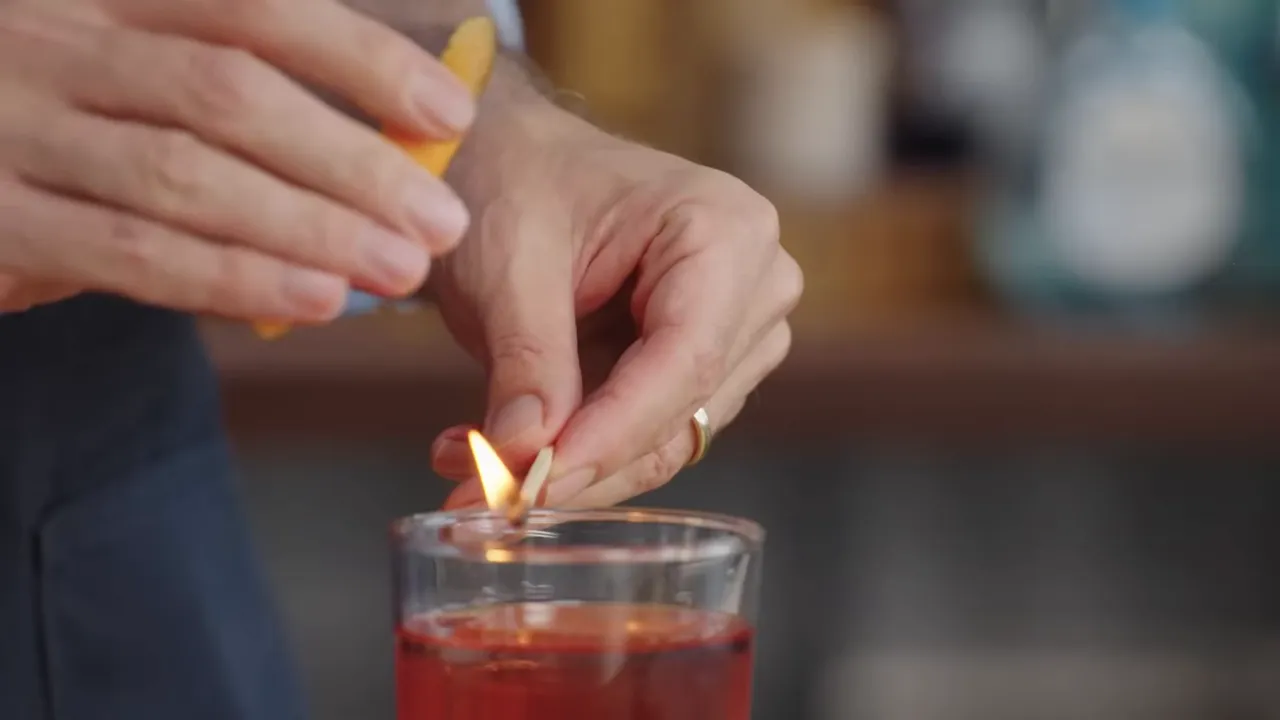
Small theatrics, big payoff
Some garnish moves are theatrical and useful. Warming a citrus peel and expressing it so the oils briefly ignite adds drama and introduces roasted, smoky aromatics that do not exist in cold expression. Building a little lemon "boat" that sits on the rim gives a triple sensory hit: sight, smell, and taste as the oils mingle with the drink.
Considerate service and giving control
Garnishes can also be considerate. For a gin and tonic, present a wedge of lime and a small carafe of extra tonic. That way the drinker controls tartness and dilution. Tiny straws sometimes provided with spirits on the rocks are for dilution control, not sipping. A good bartender often serves slightly strong so the guest can fine tune strength and dilution, much like adjusting seasoning in cooking, recipes, bon apetit.
Practical garnish checklist
- Choose fresh produce: smaller pores on citrus mean more oils.
- Wash and dry fruit to remove wax before peeling.
- Express oils toward the glass; rub the rim if appropriate.
- Use simple trims like wedges, slits, or small slashes so garnishes sit neatly on a glass.
- Offer extras where guests might want control: wedges, extra tonic, or a dilution straw.
Key takeaways
- A garnish changes perception by adding aroma, taste, or texture.
- Simple techniques such as expressing citrus, slapping mint, or toasting a peel are high impact and easy to learn.
- Thoughtful service gives guests control and elevates the experience, connecting cocktail craft to the same care found in cooking, recipes, bon apetit.
Final thoughts on elevating home bartending
Garnishes are an efficient way to turn everyday recipes into standout drinks. They require minimal extra effort but reward the host and guest with amplified aroma, balanced taste, and a sense of occasion. Practicing a few of these moves makes drinks feel more deliberate and enjoyable, and brings the same spirited attention to detail found in great cooking, recipes, bon apetit.
This article was created from the video Do Cocktails Actually Need a Garnish? | The Cocktail Lab | America's Test Kitchen with the help of AI.
Do Cocktails Actually Need a Garnish? | cooking, recipes, bon apetit. There are any Do Cocktails Actually Need a Garnish? | cooking, recipes, bon apetit in here.

