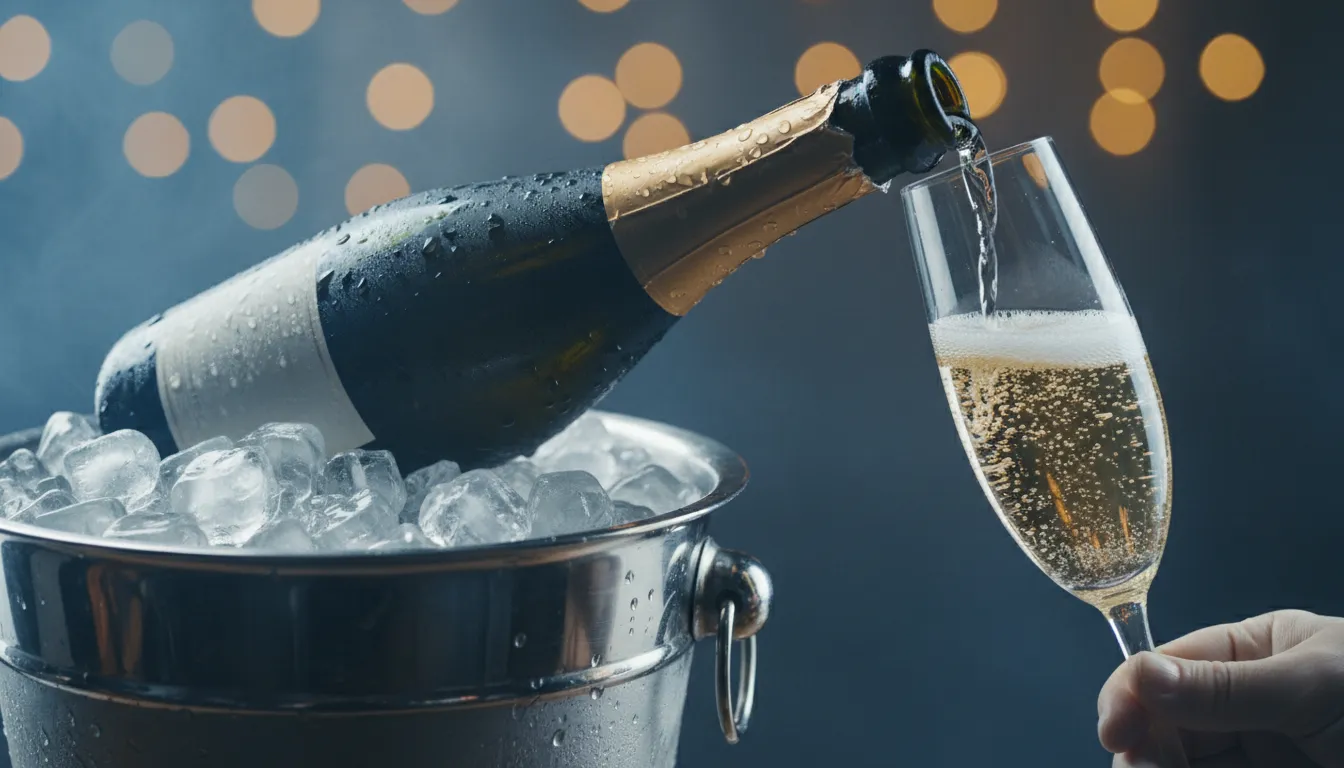
Why temperature and technique matter
Champagne and other sparkling wines are deceptively simple: a little liquid holding a lot of gas. A typical bottle contains about nine grams of dissolved carbon dioxide, which expands to roughly five liters of gas when released. That high pressure is what creates the fizz, and it also means that small changes in temperature and handling determine whether the drink arrives pleasantly effervescent or sadly flat.
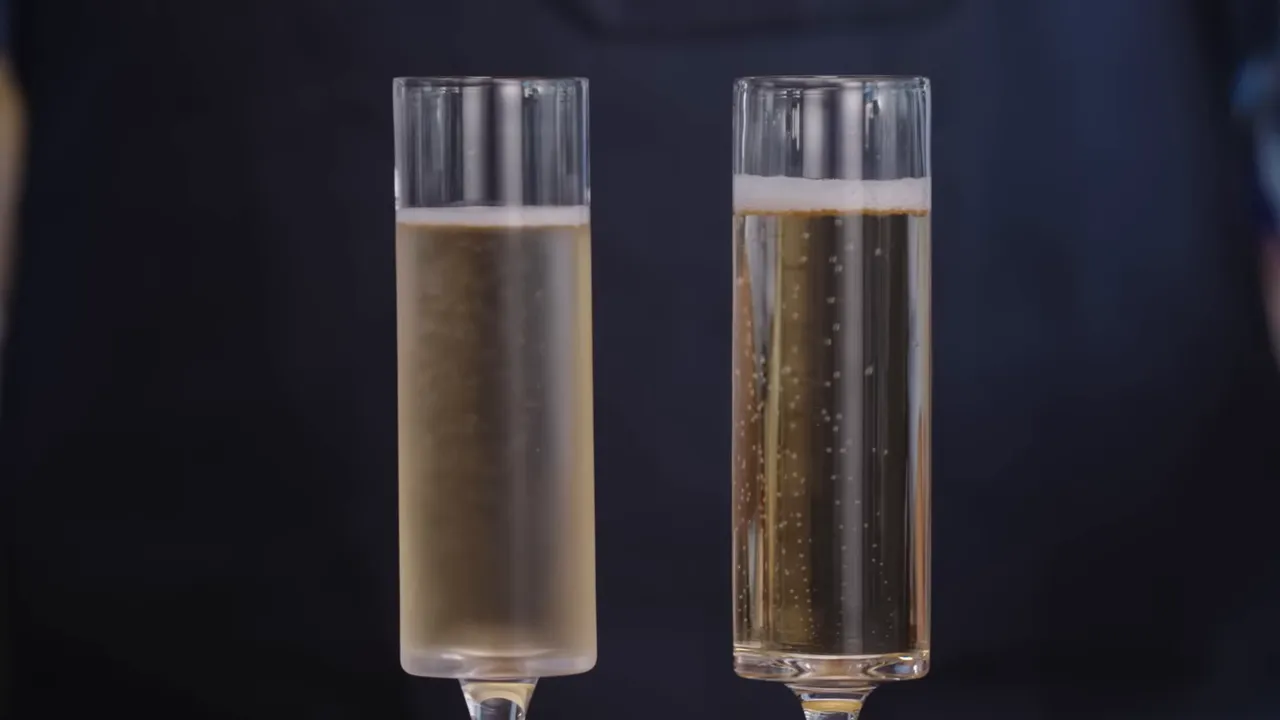
Cold wine holds more carbon dioxide in solution. Chilling a bottle to around 33 degrees keeps more fizz inside; a warm bottle releases CO2 faster, producing larger, faster-moving bubbles and a foamy head that can overflow. For anyone who cares about lively bubbles in cocktails or sparkling pours, starting cold is the first win.
How to open a bottle without losing bubbles
Preserving carbonation is partly science and partly habit. Gentle, deliberate technique reduces turbulence and prevents a dramatic loss of fizz. Follow these steps every time:
- Chill the bottle to around 33 degrees before opening.
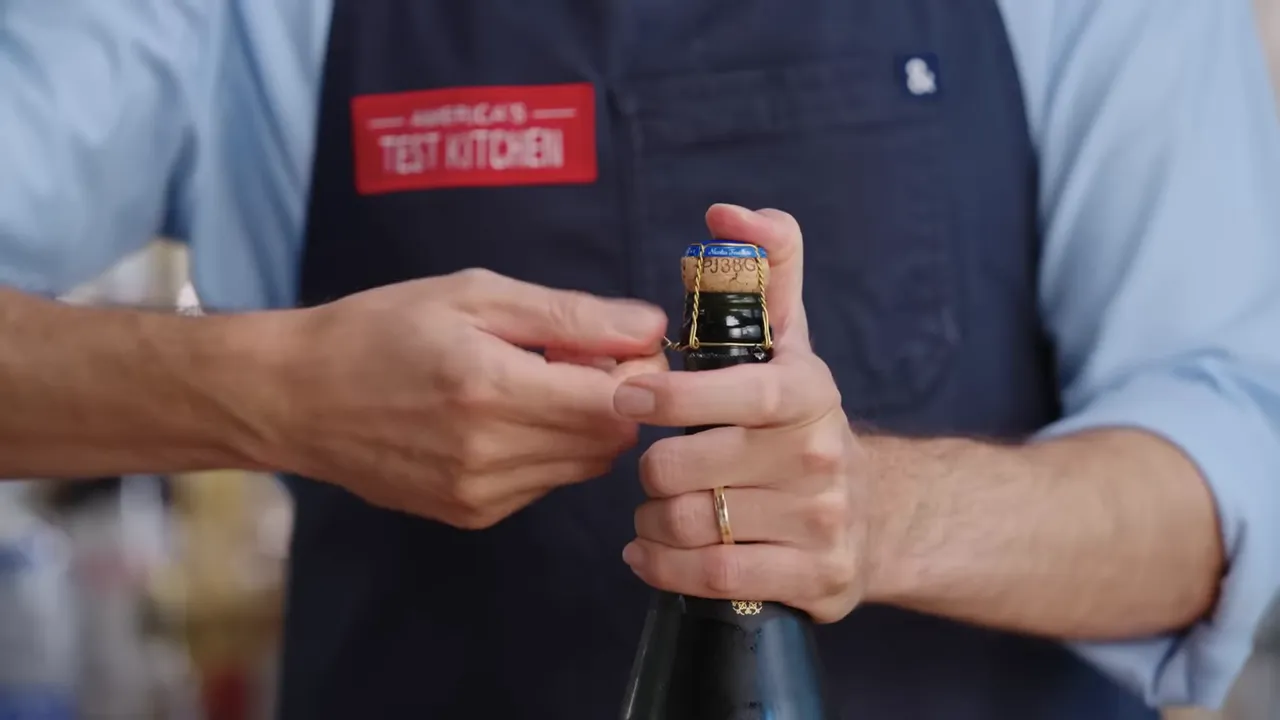
- Remove the foil and pull down the little key.
- Keep a hand over the cage and count six counterclockwise turns to loosen it.
- Tilt the bottle to a 45 degree angle to let foam dissipate.
- Point the bottle away from people and breakables.
- Grip the cage and cork tightly and twist the bottle slowly, not the cork, until it eases free.
"It should release gently with just a whisper, not a loud pop."
That whisper is the goal. A loud pop indicates violent release and more lost carbonation. Gentle openings keep more fizz in the wine and more life in cocktails.
The classic champagne cocktail: three ingredients, big impact
One of the simplest and most elegant sparkling cocktails dates back to 1862 and needs only three components: a sugar cube, aromatic bitters, and champagne. Technique transforms these basics.
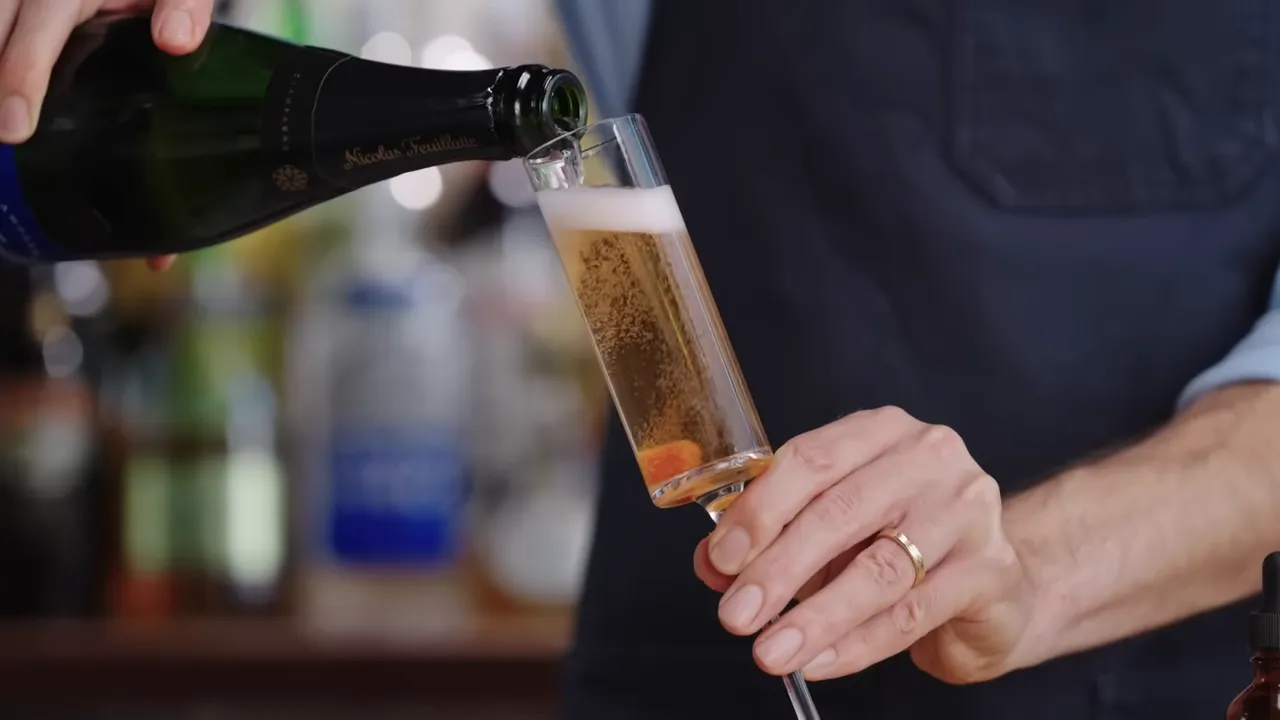
Soak a sugar cube with about a quarter teaspoon of bitters and add the soaked cube directly to a chilled flute. Pour the sparkling wine down the side of a tilted glass at a 45 degree angle to reduce turbulence and foaming. The sugar cube’s rough surface becomes a nucleus for bubbles; as they rise they carry the bitters’ aromatic oils to the surface, delivering fragrance with every sip.
Finish with a long lemon twist. Placing the bitters on the cube rather than the glass lets the drink evolve: the first sips are bright and citrusy, and as the cube slowly dissolves, the flavors balance beautifully. For extra depth, add a half ounce of brandy before the champagne.
Regent Punch for a crowd
For parties, a large-format punch offers maximum sensory payoff and minimal fuss. Regent Punch is an 18th century recipe built for sharing. Its power comes from a quick oleosaccharum—muddling sugar with lemon and orange zest to extract concentrated citrus oils—followed by strong green tea, bold spirits, and fresh juices.
- Muddle: sugar with lemon and orange zest until damp and fragrant
- Stir in: 2 cups very strong green tea
- Spirits: 12 ounces brandy, 6 ounces beige rum, 2 ounces maraschino liqueur
- Juices: 10 ounces orange juice, 4 ounces lemon juice
- Finish: strain out zest, stir in 12 ounces chilled water and 12 ounces measured ice, then chill
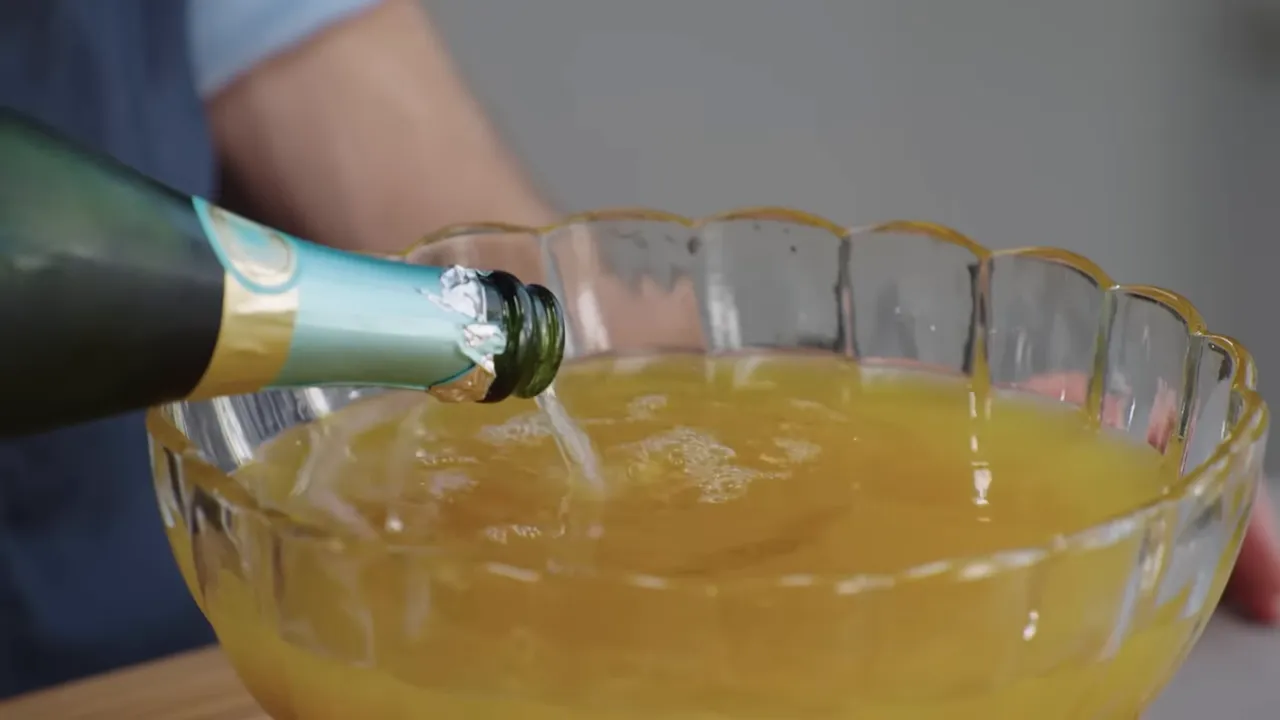
When ready to serve, transfer the punch to a bowl and gently stir in a chilled bottle of sparkling wine. Use a dry style such as Cava or a brut labeled extra brut to balance acidity; these options deliver bright bubbles at a friendlier price point than Champagne. Garnish with citrus and mint and serve in punch cups or wine glasses. The recipe makes about 16 servings and can be prepped (without the sparkling wine) up to three days ahead.
Practical tips for lively pours and memorable gatherings
- Keep everything cold: chilling bottles, glasses, and ingredients preserves bubbles and aroma.
- Pour gently: tilt the glass and pour down the side to reduce foam.
- Choose dry styles: look for brut or extra brut on the label for balanced cocktails.
- Use nucleation: sugar cubes, citrus pith, or textured glass create steady streams of fine bubbles that enhance aroma.
Whether preparing a refined two-person cocktail or a punch for the whole room, these techniques lock in carbonation and maximize flavor. This joyful approach to cooking, recipes, bon apetit makes sparkling drinks feel effortless and celebratory every time.
This article was created from the video Get the Most from a Bottle of Champagne | The Cocktail Lab | America's Test Kitchen with the help of AI.
Get the Most from a Bottle of Champagne: cooking, recipes, bon apetit. There are any Get the Most from a Bottle of Champagne: cooking, recipes, bon apetit in here.

