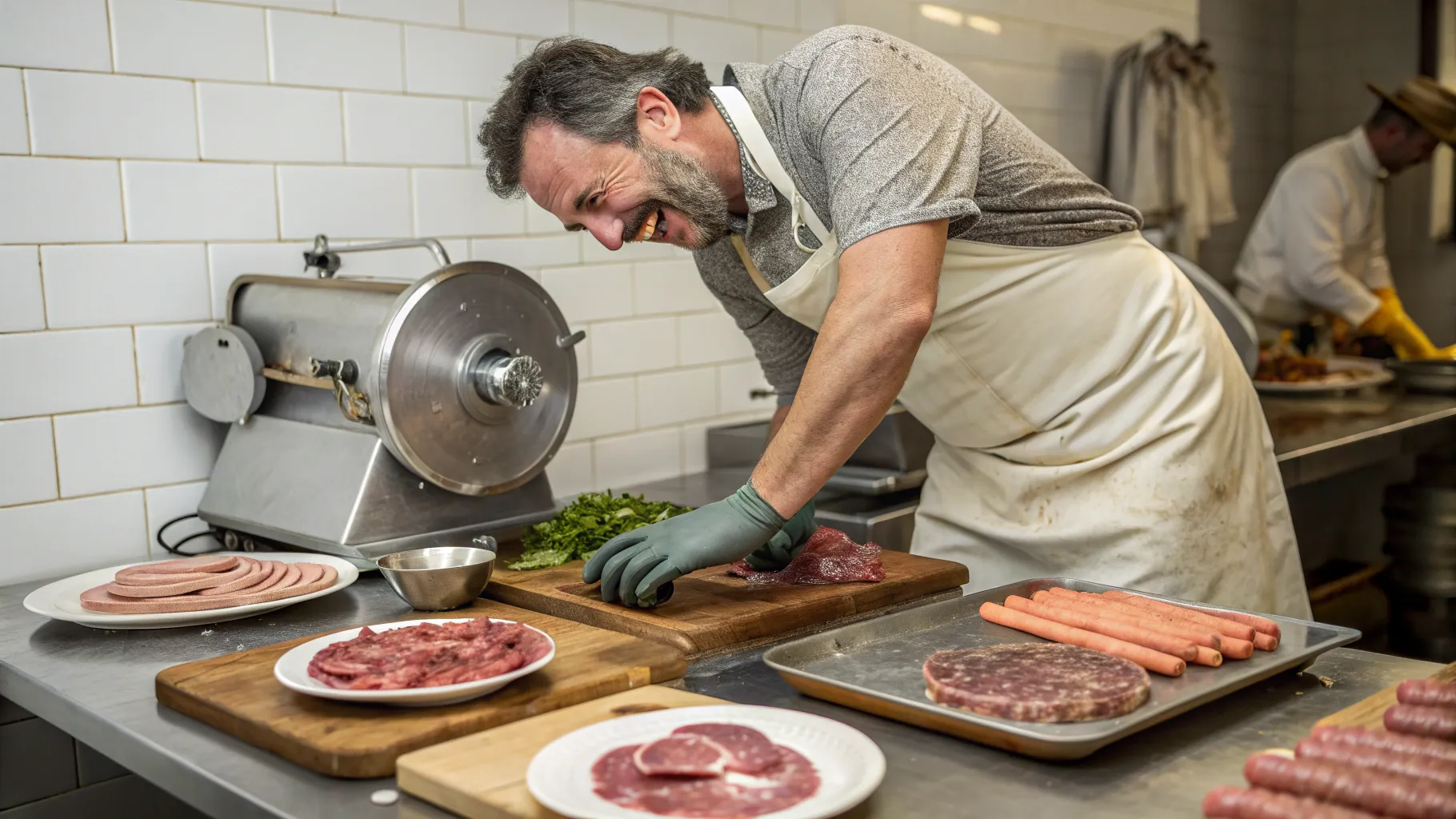
From emulsified hot dogs to an elegant terrine, this joyful guide walks through how a single pig can become eight distinct products. It is full of hands-on technique, old world curing, and modern equipment tips for anyone who loves cooking, recipes, bon apetit. The pieces below explain why salt, time, and attention matter, what ingredients are essential, and how each product develops flavor and texture over hours, days, and months.
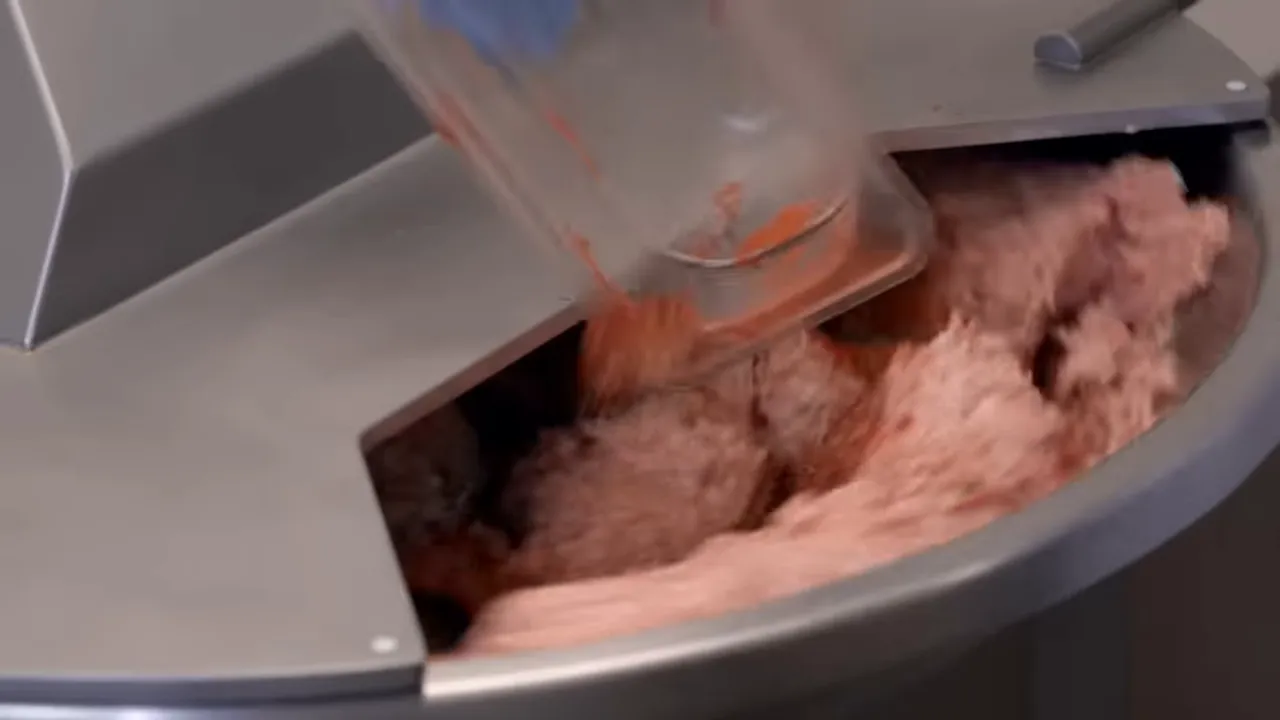
1. Hot Dogs: Emulsified, Smoky, and Stable
Hot dogs start as a blend of fatty cuts from the shoulder and hind leg, ground to a fine texture and turned into an emulsion so fat and water stay together. As one butcher puts it, "An emulsion is just a fancy word for getting fat and water to stick together."
Ingredients
- Pork (70 lean 30 fat)
- Salt and turbinado sugar
- Mustard, coriander, white pepper, garlic, mace, paprika
- Nitrite for color and preservation
- Sheep casing
Method
- Keep meat and fat very cold to avoid smearing.
- Grind to small particulates, chill, then process in a bowl cutter with ice to form a sticky emulsion.
- Stuff with a vacuum stuffer to remove air pockets and portion precisely.
- Smoke on a controlled program, then steam and water shower to finish. Chill quickly in a blast chiller before packaging.
2. Bacon: Sweet, Salty, and Slow Cured
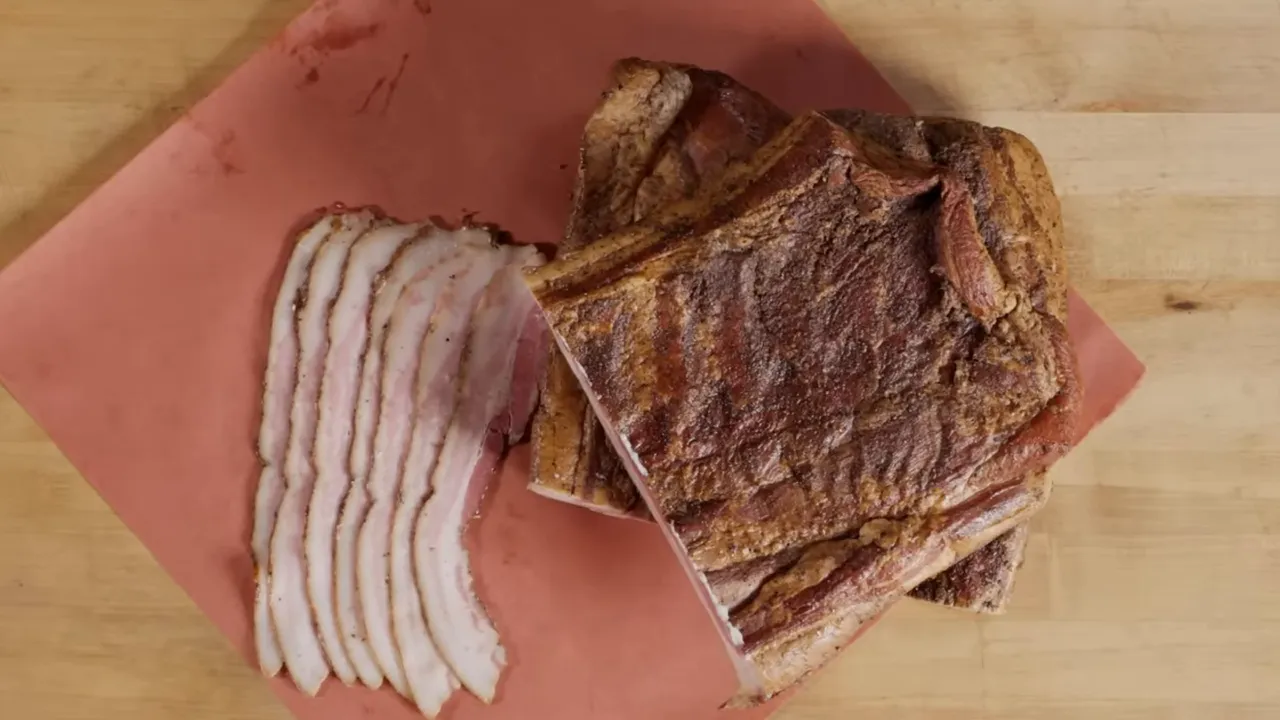
Bacon begins with the belly, layered with different fats and muscle. A simple cure and patient time turn it into that crispy, chewy, smoky, sweet bite everyone loves.
Ingredients
- Pork belly
- Kosher salt, turbinado sugar
- Finely ground cinnamon and black pepper
Method
- Rub the cure into the belly and let it rest for about 10 days so flavors penetrate and moisture reduces.
- Cold smoke for a few hours, then finish with moist heat to retain interior juiciness.
- Blast chill and vacuum seal for storage or slicing.
3. Coppa (Capicola): Long Cure, Big Payoff
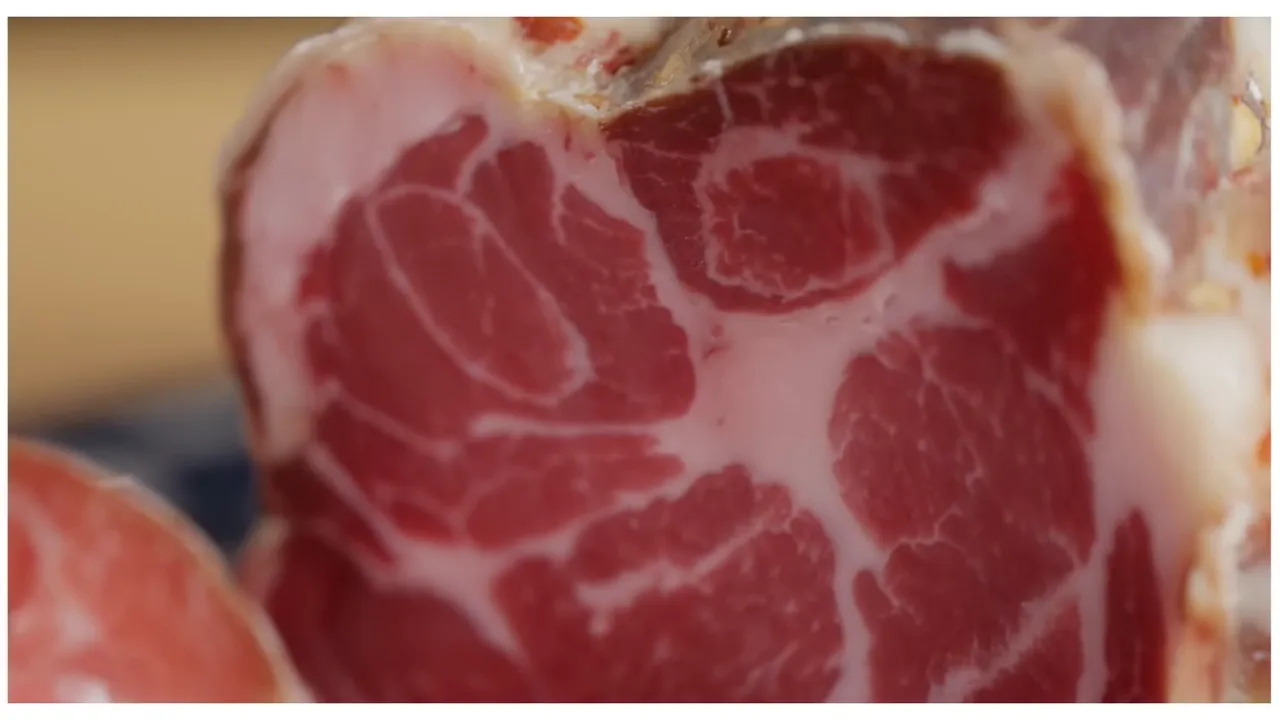
Coppa is a single, active muscle threaded with intermuscular fat. It is cured then aged for months to develop that soft, sliceable texture and deep color. As the butcher explains, "The more active the muscle is there's more myoglobin in the protein," which gives that rich hue.
Ingredients and Process
- Coppa muscle
- Salt, sugar, garlic, chili
- Call fat for wrapping and a fermentation step
Method
- Apply cure and rest (commonly a couple of weeks), then encase in call fat to control drying and shape.
- Ferment to improve sliceability and safety, then hang to dry until it loses roughly 35 to 40 percent of its water weight.
- Allow beneficial white mold to develop; it helps flavor and protects the product.
4. Dry Aged Pork Chop: Simple, Intense Porkiness
Dry aging pork chops focuses on concentrating flavor rather than dramatic tenderization. Leaving skin on and drying in a controlled box tightens the meat and intensifies pork flavor.
Method
- Place ribs and loin on a top shelf with airflow for about 30 days.
- Trim excess fat while leaving a responsible fat cap so it renders crisp when cooked.
- Slice on a bandsaw into thick chops and sear to render that fat cap into crispy goodness.
5. Salami Picante: Fermented, Spiced, and Speckled
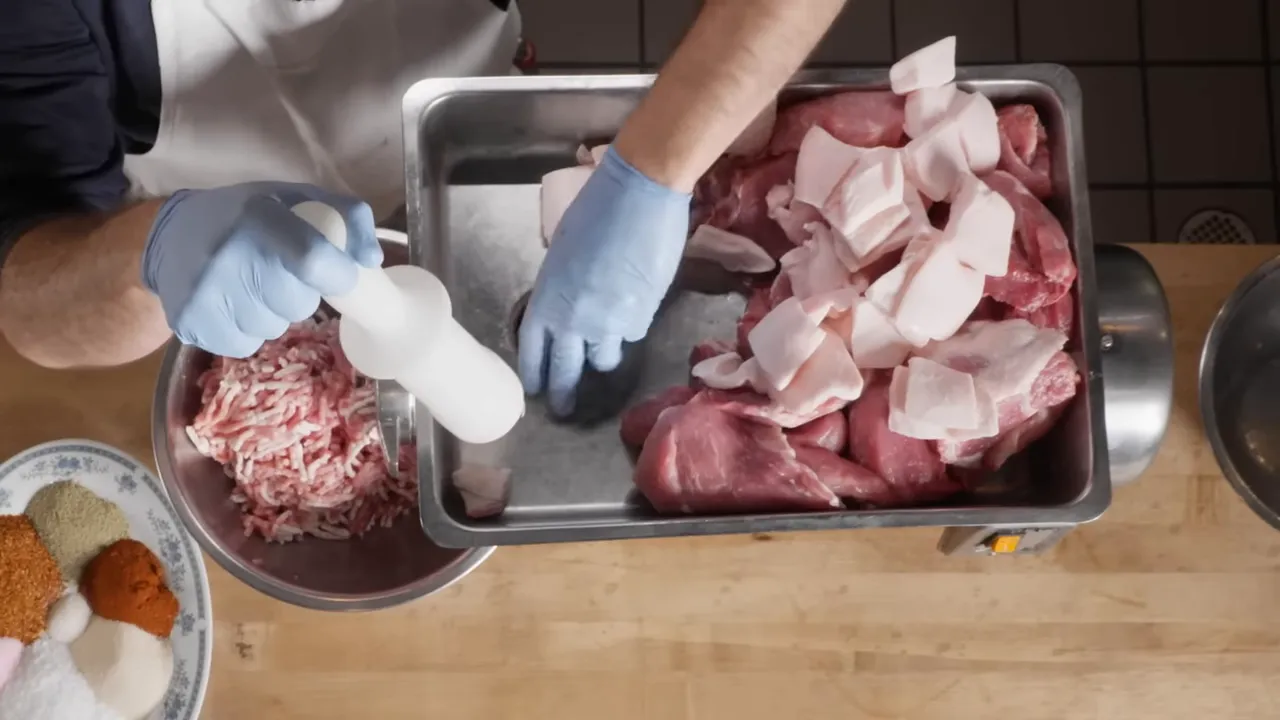
Salami picante blends very lean meats with hard fat to create a speckled, textural salami. Starter culture, chili, fennel, and time transform it into a safe, tangy cured sausage.
Ingredients
- Very lean cuts plus hard fat back (fat cubed and partially frozen)
- Kosher salt, turbinado, New Mexico chili (ground and coarse), fennel, nitrate
- Starter culture to promote lactic acid fermentation
Method
- Grind lean meat and fat, mix with spices and culture to form a farce.
- Stuff into collagen casings, remove air gaps, then ferment at about 75 degrees and high humidity until pH drops below about 5.3.
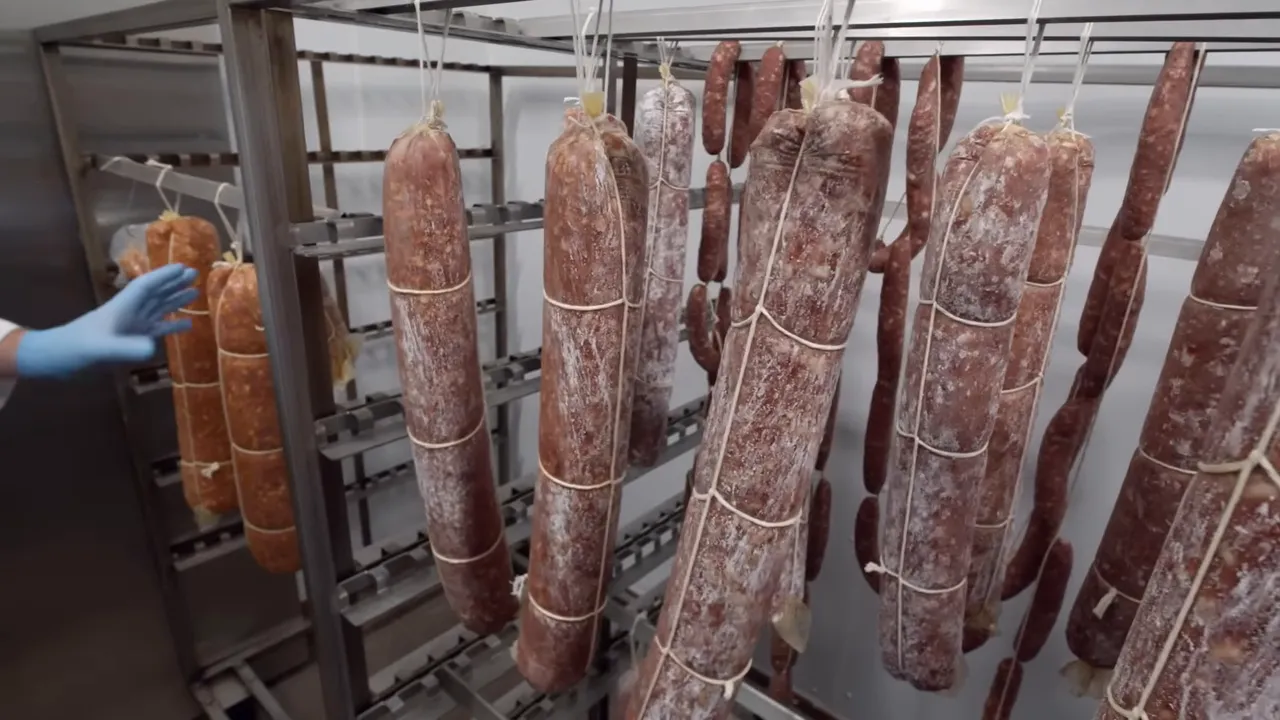
- Hang to dry; beneficial molds appear and the product tightens into a sliceable salami over weeks to months.
6. Brined and Smoked Ham: Juicy, Savory, Ready for Slicing
Brining adds moisture while seasoning. For lean ham muscles that dry easily, brine keeps the final product tender and versatile for sandwiches or restaurant plates.
Brine
- Water, salt, sugar, coriander, black peppercorn, fennel seed, nitrite
Method
- Dissolve spices and salts, submerge ham in a bag for about 10 days for controlled uptake.
- Rub exterior with the same spices, then smoke until surface firms and color develops.
- Blast chill and slice thin for deli service.
7. Guanciale: The Glorious Cheek
Guanciale is pork jowl cured to a dense, luscious fat that renders beautifully in sauces like carbonara. There are only two jowls per animal, so this is a prized product.
Method
- Rub jowl with salt, turbinado, and Tellicherry pepper and cure for about 14 days.
- Ferment briefly, then hang and dry until 25 to 30 percent water loss creates a firm, sliceable piece.
- Use diced to render fat for sauces or crisp to finish pasta dishes.
8. Terrine: The Most Creative Use of Scraps
Terrine is the joyful way trim, liver, and odds and ends become a composed, elegant loaf. It balances lean organ meat with fat, nuts, fruit, alcohol, and a careful cooking and pressing technique to become the "sexiest meatloaf" one can imagine.
Key Ingredients
- Trim and salami bits, liver, fatty protein
- Pistachios, currants soaked in brandy
- Sugar, salt, cinnamon, allspice, mace, nitrite, cream, eggs
Method
- Grind and mix everything, then allow the salt to extract myosin, the meat glue that ensures the terrine holds.
- Pack into a mold lined with call fat and plastic wrap to remove air pockets.
- Steam gently, cool under weight, then slice half inch to three quarter inch for serving with a glass of wine.
Tips, Tricks, and Safety Notes
- Keep temperatures cold during sausage and salumi making to avoid fat smearing and spoilage.
- Nitrite and starter cultures are tools to preserve color and prevent dangerous bacterial growth; use them responsibly.
- Blast chilling after cooking or smoking helps lock in safety and quality before packaging.
- Beneficial mold on cured meats protects and flavors the product. Do not confuse it with harmful mold on improperly cured items.
Every step here celebrates how much a single carcass can yield when guided by salt, smoke, time, and technique. For anyone who loves cooking, recipes, bon apetit, these methods turn ordinary pork into a pantry of delicious possibilities. Try one process at a time and enjoy the satisfying transformation from muscle to masterpiece.
This article was created from the video How a Butcher Turns One Pig into 8 Different Pork Products | Great Transformations | Bon Appétit with the help of AI.
How One Butcher Turns a Pig into 8 Delicious Creations | cooking, recipes, bon apetit. There are any How One Butcher Turns a Pig into 8 Delicious Creations | cooking, recipes, bon apetit in here.

