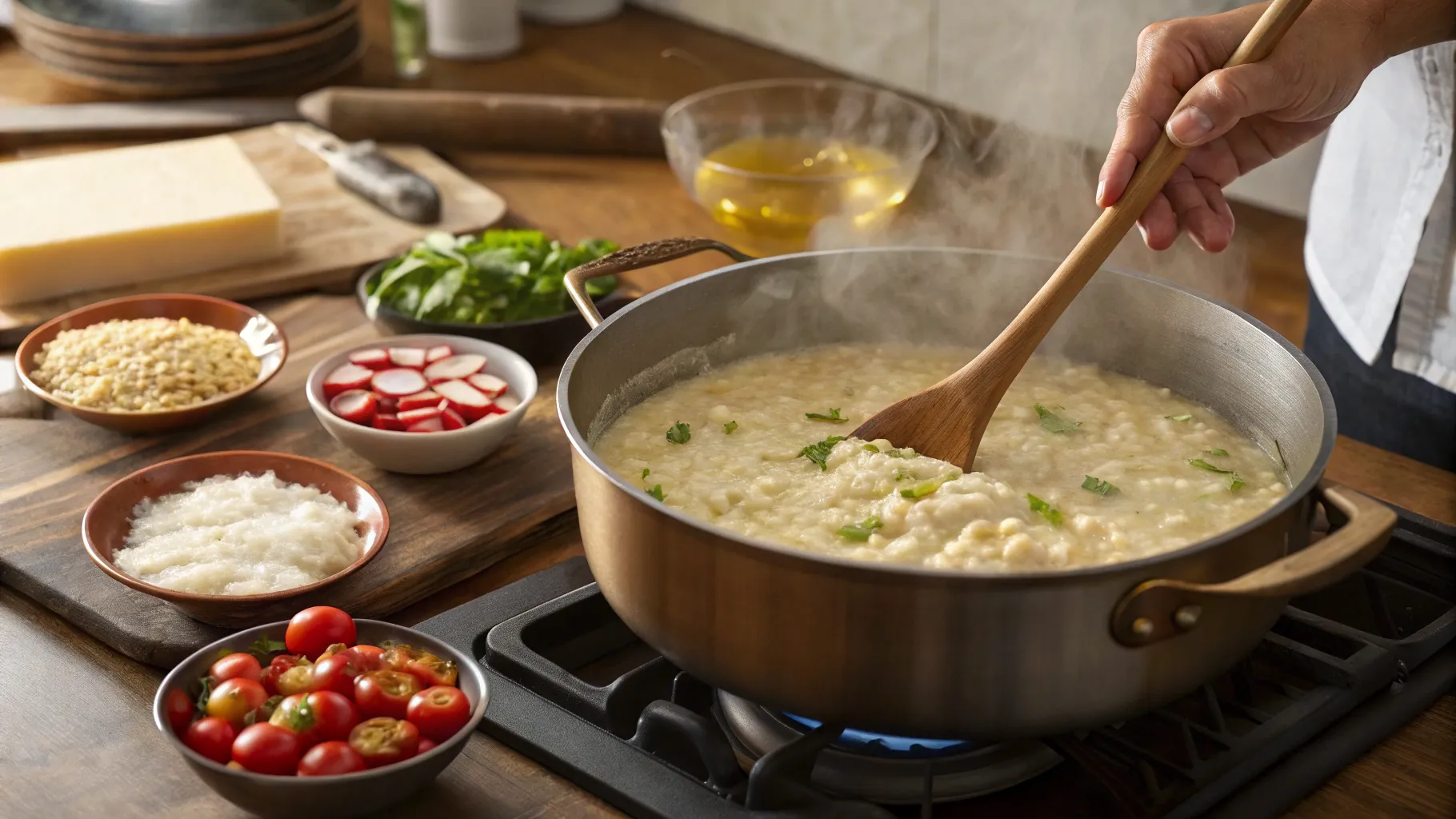
Jamie Oliver walks through a joyful, no-fuss approach to risotto that anyone can master. This guide captures the essentials of his method — from the soft, flavour-packed soffritto to resting the finished rice — and shows three simple finishes: tomato & basil, pea & mint, and classic artichoke. Whether someone is new to cooking, easy recipes or a confident home cook, these steps make a showstopping dinner feel completely achievable.
Why this way works (and the one golden ingredient)
At the heart of Jamie’s technique is the humble broth. As he says,
Use whatever stock is on hand — homemade from a roast chicken, a simple vegetable stock, or a good organic cube diluted in water. The slow addition of hot stock and patient stirring are what transform the rice into that luscious, creamy texture risotto lovers crave.“Broth is what gives you the gold.”
This is simple, honest advice for anyone who enjoys cooking, easy recipes: focus on flavour at the start, keep your stock hot, and be present while the rice cooks.
Ingredients — base risotto bianco (serves 6)
- 6 generous handfuls of risotto rice (Arborio, Carnaroli or Vialone Nano)
- 2 tbsp olive oil
- 1 onion, finely diced
- 1–2 celery sticks, finely diced
- Salt, to season
- Small splash of dry white wine (optional)
- About 1.5–2 litres hot stock (chicken, veg or fish depending on final flavour)
- Knob of butter
- Handful of freshly grated Parmesan
Three simple risotto finishes
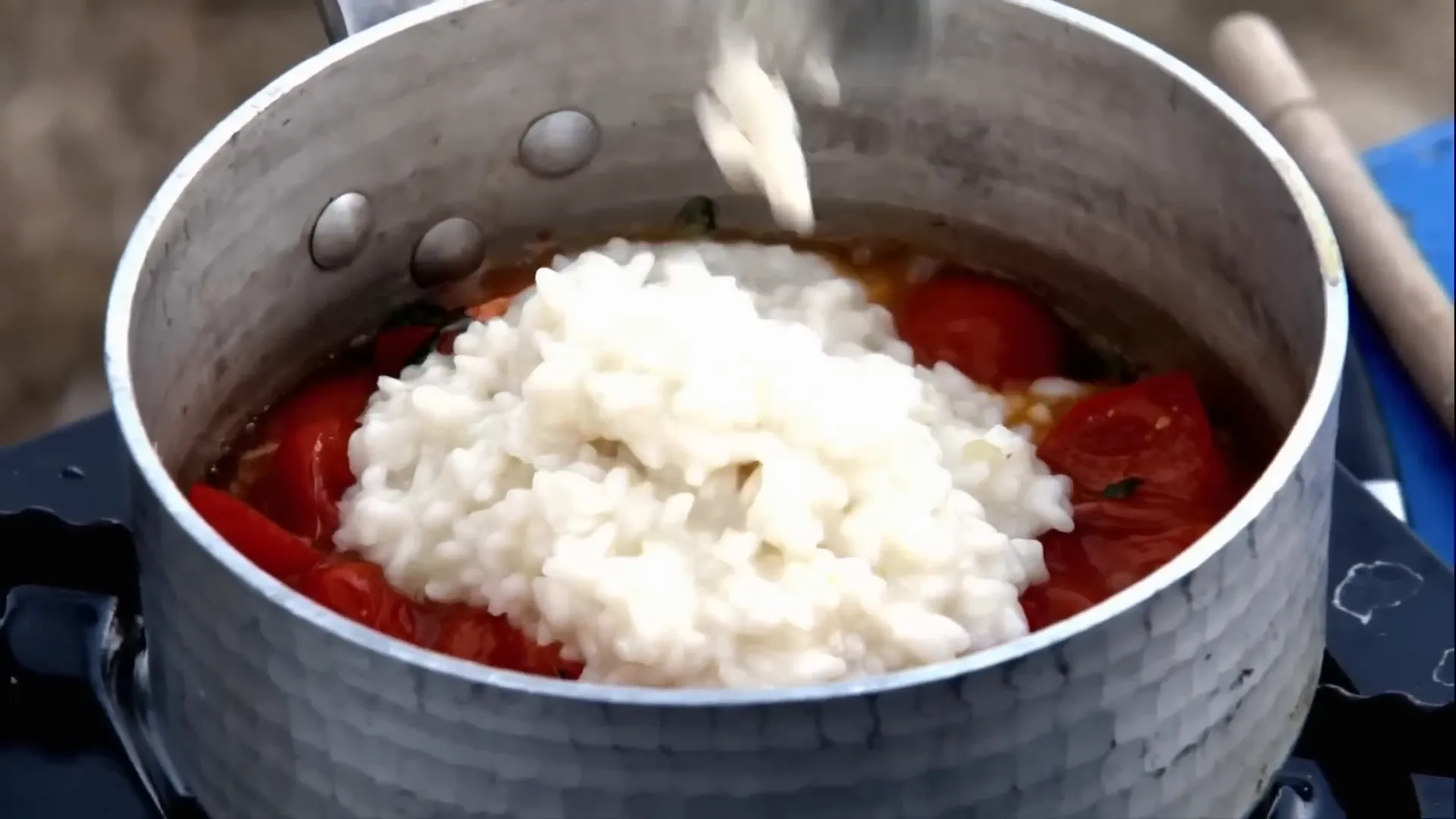
- Tomato & basil: halved cherry tomatoes, crushed garlic, a few basil leaves, olive oil, salt & pepper.
- Pea & mint: fresh or frozen peas cooked briefly, chopped mint and parsley, finishing with a small dollop of goat’s cheese and extra Parmesan.
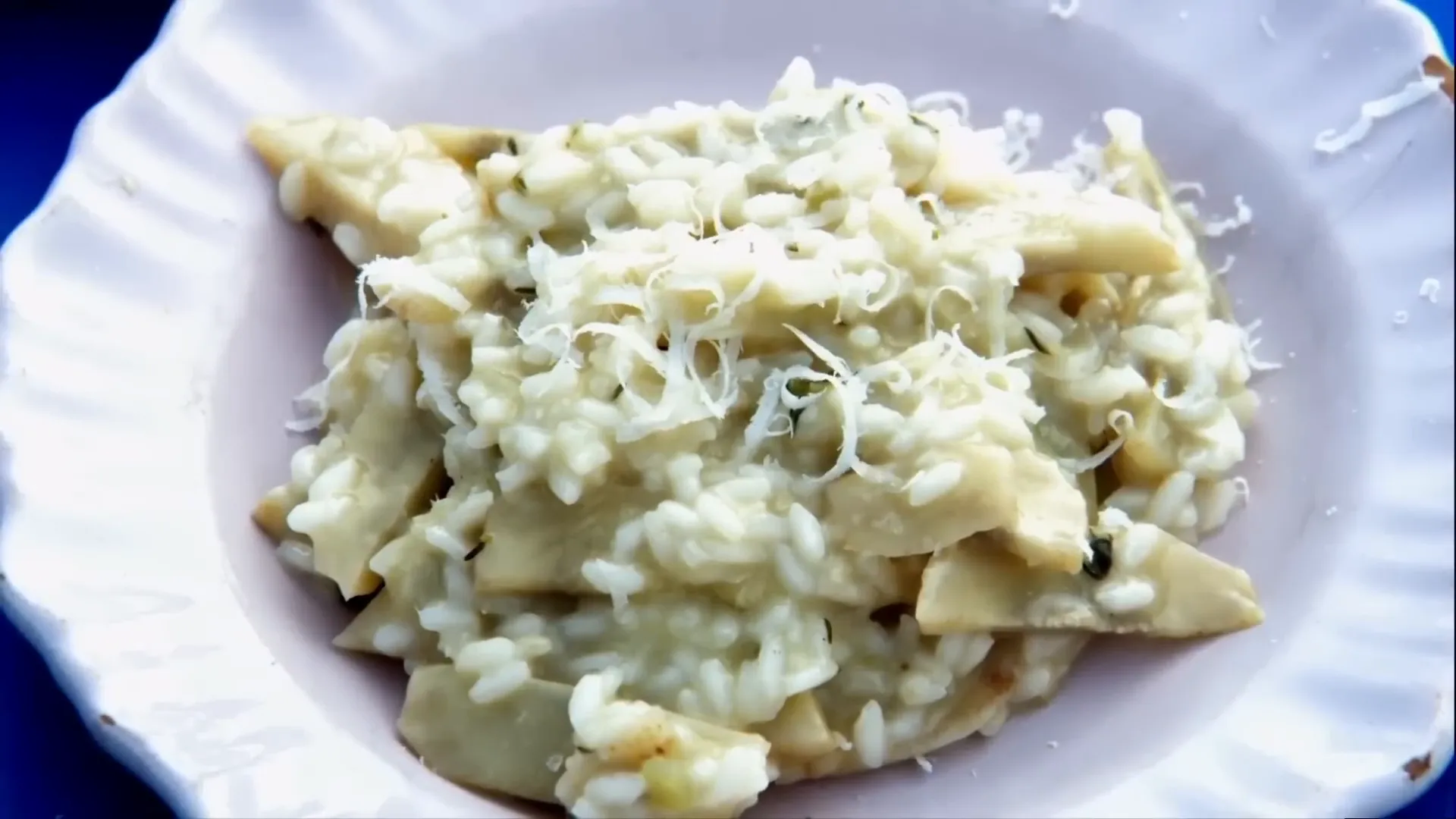
- Artichoke: thinly sliced artichokes sweated with garlic, olive oil and a splash of water — a Venetian favourite.
Method — step-by-step
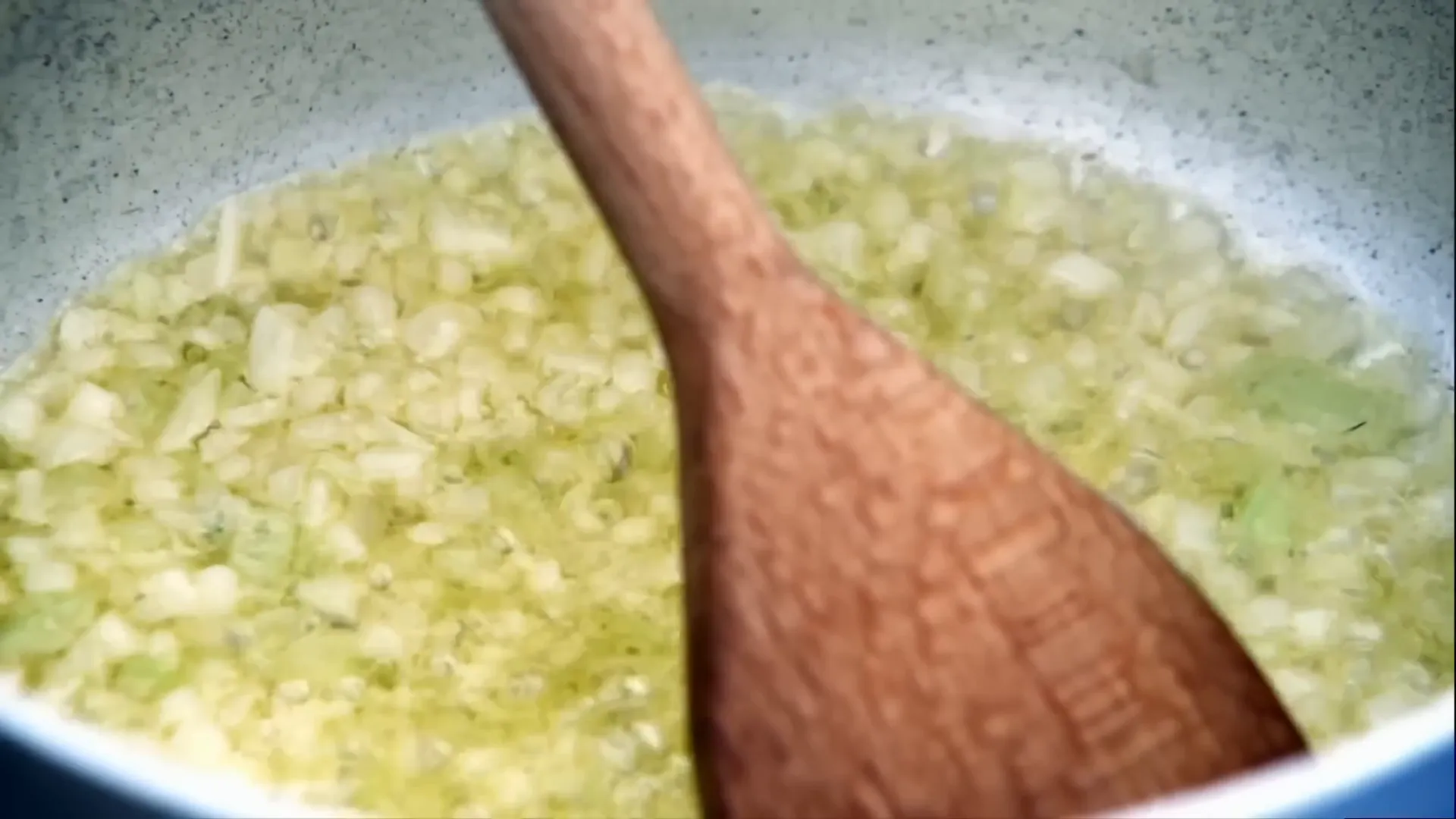
- Make the soffritto: Warm olive oil and gently cook diced onion and celery for about 10 minutes until soft and fragrant. This is the flavour base and should be mellow, not browned.
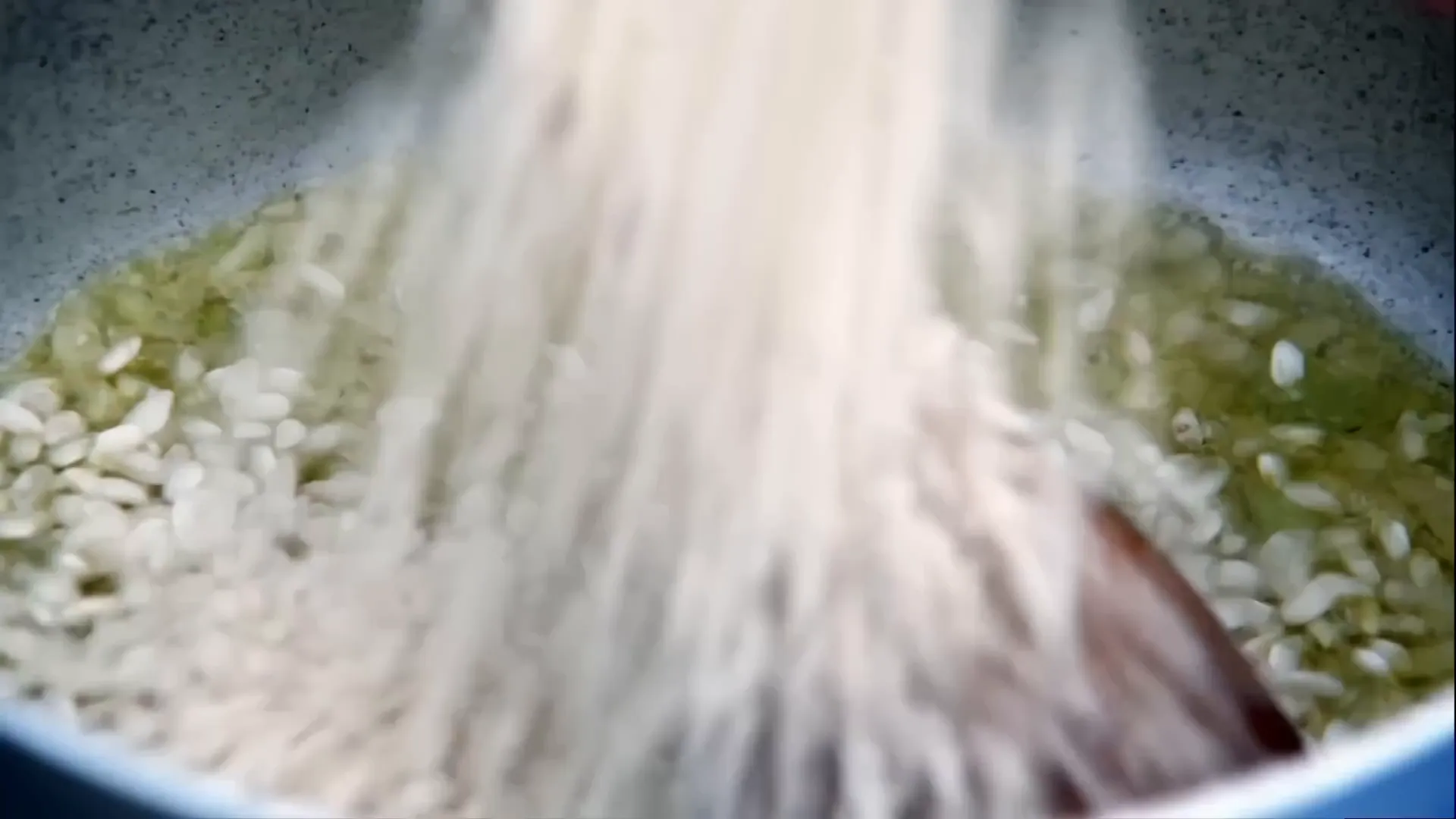
- Add the rice: Toss in the rice so each grain gets coated and picks up the sofritto flavour. Season lightly with salt.
- Deglaze (optional): For seafood or when desired, add a small splash of white wine or vermouth and let it evaporate — Jamie cooks it right off so there’s no harshness, only depth.
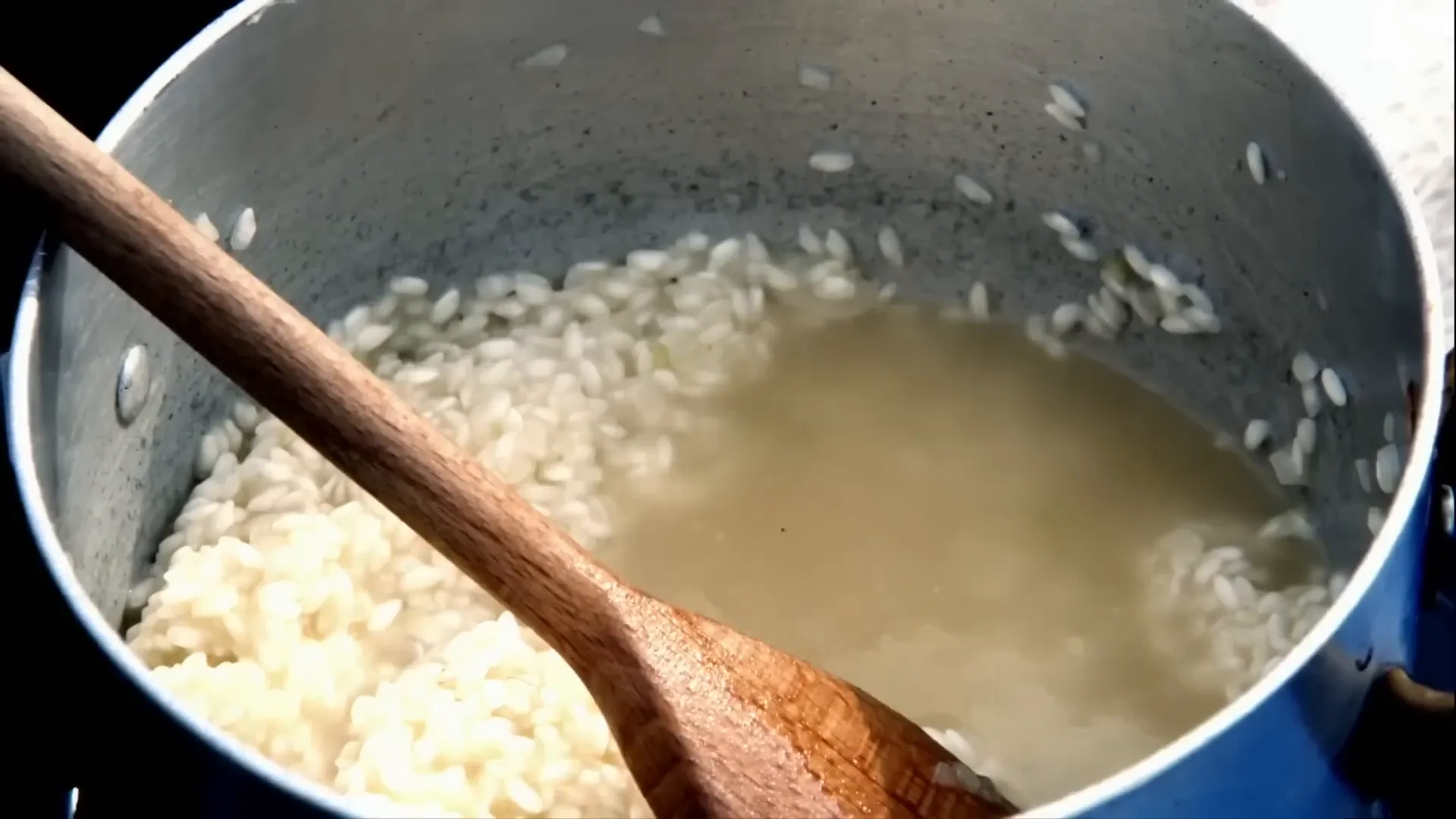
- Add stock gradually: Keep stock hot. Add a ladleful at a time every 45 seconds to a minute, stirring often. This slow addition and steady stirring coax starch out of the rice and makes the risotto creamy. Continue for about 16–17 minutes until the rice has almost doubled and is al dente.
- Finish off: Turn off the heat, stir in a knob of butter and a handful of freshly grated Parmesan — don’t cook the cheese, just fold it in off the heat so it stays glossy and rich.
- Rest: Put a lid or even a plate over the pan and let the risotto sit for two minutes to relax and finish swelling.
- Dress for serving: For variants, gently fold in the tomato mix, peas and herbs, or artichokes — or spoon the risotto onto plates and top. A small drizzle of good olive oil and a few shavings of Parmesan finish things beautifully.
Quick tips from the pan
- Texture matters: Aim for rice with a slight bite — risotto should be al dente, not soft and mushy. You should feel the grain’s shape when you bite through.
- Keep stock hot: Cold stock will slow the cooking and tighten the rice; hot stock keeps the temperature steady and the process smooth.
- Stir, but don’t obsess: Regular stirring helps release the starch, but aggressive scrubbing will break the grains. Love and attention is the right balance.
- Finish off off-heat: Always add butter and Parmesan with the pan off the heat to keep the cheese from clumping or becoming grainy.
- Make it yours: This base is a canvas — roasting squash, wild mushrooms, seafood, red wine & borlotti beans, leftover oxtail or stewed lamb all make excellent additions.
Expert tricks and common questions
Can you use wine?
Yes — a splash of dry white wine or vermouth is traditional for some versions. Jamie notes that wine is often used for seafood risottos, but it’s optional; the main rule is to cook it away so only its flavour remains.
What stock is best?
Any good stock works. Homemade stock from leftover roast chicken is ideal and gives deep, golden flavour. Vegetable stock is great for vegetarian versions; fish stock for seafood risotto.
How long should I cook the rice?
About 16–17 minutes of active stock-adding and stirring is typical, but always taste for al dente — the exact time depends on rice variety and heat.
Putting it all together
Jamie’s risotto method is approachable, comforting and reliably brilliant — the kind of cooking, easy recipes that turn a midweek dinner into something special. Start with a good soffritto, respect the stock, keep the pan lively with gentle stirring, and finish off with butter and Parmesan. From there it’s endless: tomatoes and basil for brightness, peas and mint for freshness, or artichokes for a Venetian classic.
“Anyone can do a risotto. Go out, get a packet of risotto, and whatever’s in your fridge, you can make something.” — Jamie Oliver
Happy cooking — and remember: the simplest, most joyful dishes often come from paying attention to the basics.
This article was created from the video How To Make The Best Risotto In The World with the help of AI.
How To Make The Best Risotto In The World — cooking, easy recipes with Jamie Oliver. There are any How To Make The Best Risotto In The World — cooking, easy recipes with Jamie Oliver in here.

