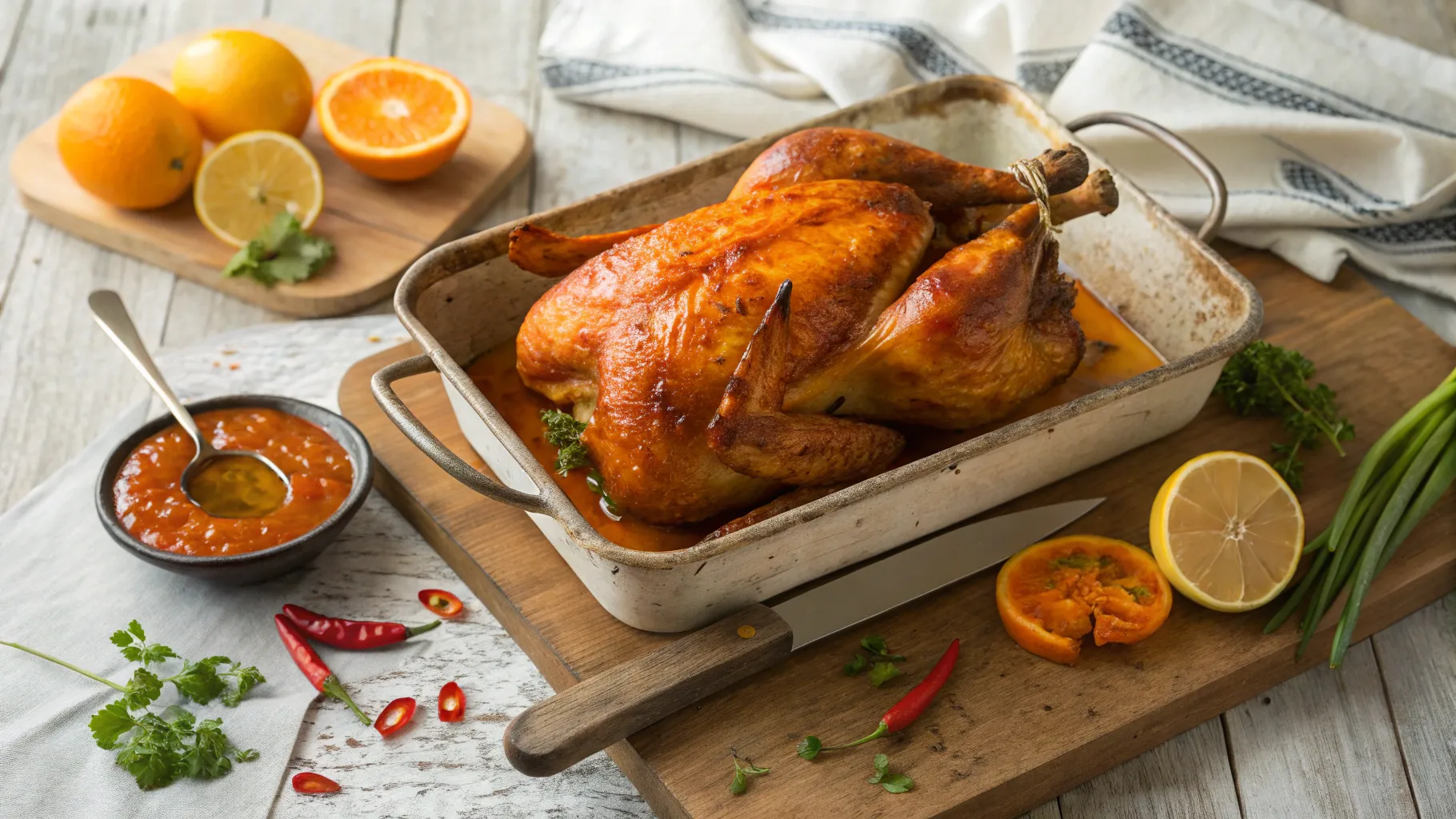
Bon Appétit teams up with Chef Justin Singh of Crown Chai to share a joyful, detailed walk-through of the restaurant’s signature roast chicken. This is a bright, citrus-forward take on a classic: a habanero-citrus brine, a deeply flavored citrus gastrique folded into a rich chicken jus, and a house hot sauce that finishes every bite. Whether someone is learning the basics of roasting or wants to chase that perfect crispy skin at home, this guide pulls together the steps, tips, and tricks shown by the chef in the original Bon Appétit video.
Why this roast chicken stands out
Chef Justin Singh explains the two hallmarks of a great roast chicken: "the perfect crispy skin and a real moist meat." Crown Chai’s version leans bright and a little spicy, with a citrus and habanero brine that both seasons and tenderizes. The goal is simple — crisp skin, juicy meat, and a layered sauce that brings sweetness, acidity, and savory depth.
Outline
- Choosing and breaking down the bird
- Citrus-habanero brine and marinating
- Making the citrus gastrique and chicken jus
- Signature hot sauce (thick puree)
- Grilling, roasting, resting, and finishing
- Carving, plating, and serving tips
1) Choosing and breaking down the bird
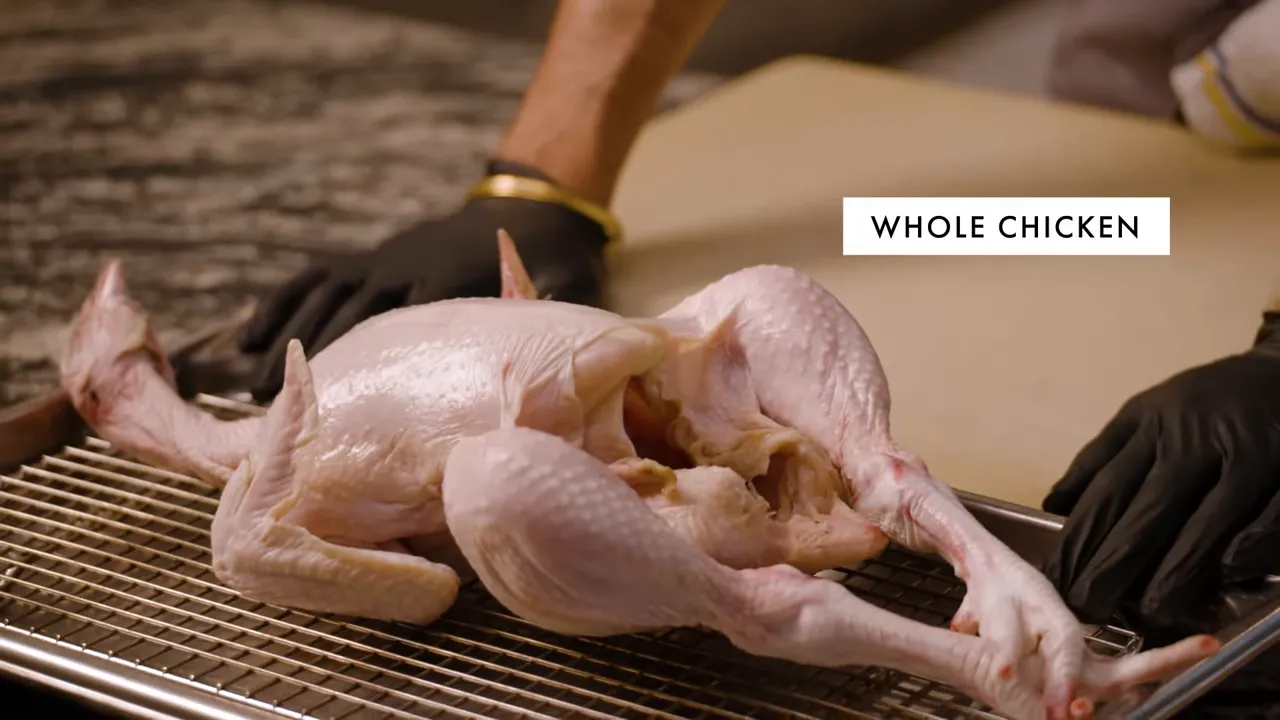
Chef Singh prefers a Hudson Valley chicken — about 40 days old and roughly 3½ pounds. The restaurant uses the whole animal: heads and feet stay on for presentation, and carcasses become stock for the jus. The key technique during the breakdown is to protect as much skin as possible. Tears in the skin will expand and rupture during cooking, making it difficult to achieve even crisping.
- Keep the breast bones intact as a shield for the lean breast meat.
- Split the bird in half with clean, careful incisions to preserve skin continuity.
- Debone the thighs and legs so they cook in the same timeframe as the breast — dark meat needs more time, but removing bones helps even the cooking.
Quick tip
If attempting this at home, take it slow and feel for the bones with your fingers before cutting. The goal is to keep the skin whole and the breast bone in place as a cushion for the white meat.
2) Citrus-habanero brine — marinate wisely
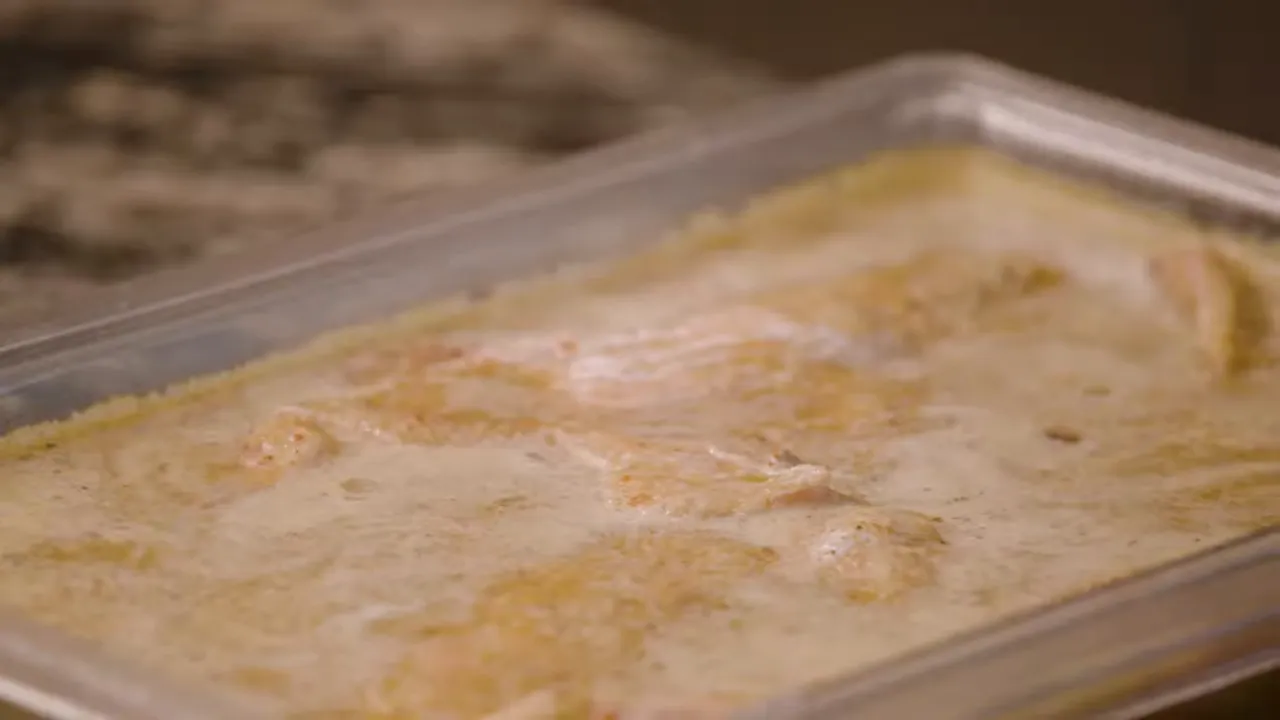
The marinade is a blended mix of grapefruit, lemon, lime, and ginger juices plus plenty of salt and blended habaneros (and seeds) for heat. Chef Singh marinates the broken-down birds for up to 24 hours — not longer, because the strong acids begin to "cook" the meat and change the texture.
- Blend citrus juices with habaneros to desired heat. The more seeds blended, the spicier the brine.
- Salt generously — it takes a lot of salt to over-season a whole chicken, and salt helps break down muscle for tenderness.
- Marinate at least 6 hours, ideally 24 hours. Label and keep track to avoid over-marinating.
Why rinse after marinating?
Crown Chai rinses the marinade off before cooking to prevent the chili bits and sugars from burning on the grill. After rinsing, dry the skin thoroughly (they dry in the walk-in for about four hours). Moisture = no crunch, so patience here pays off.
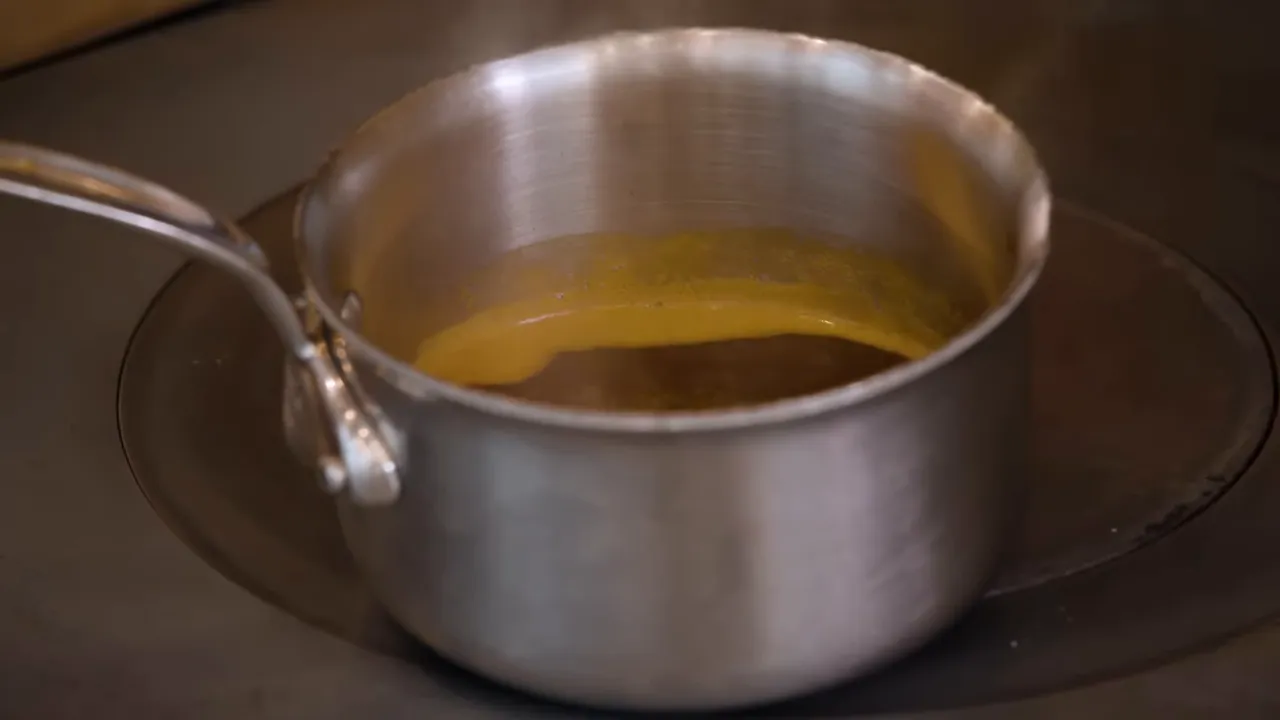
3) Citrus gastrique + chicken jus
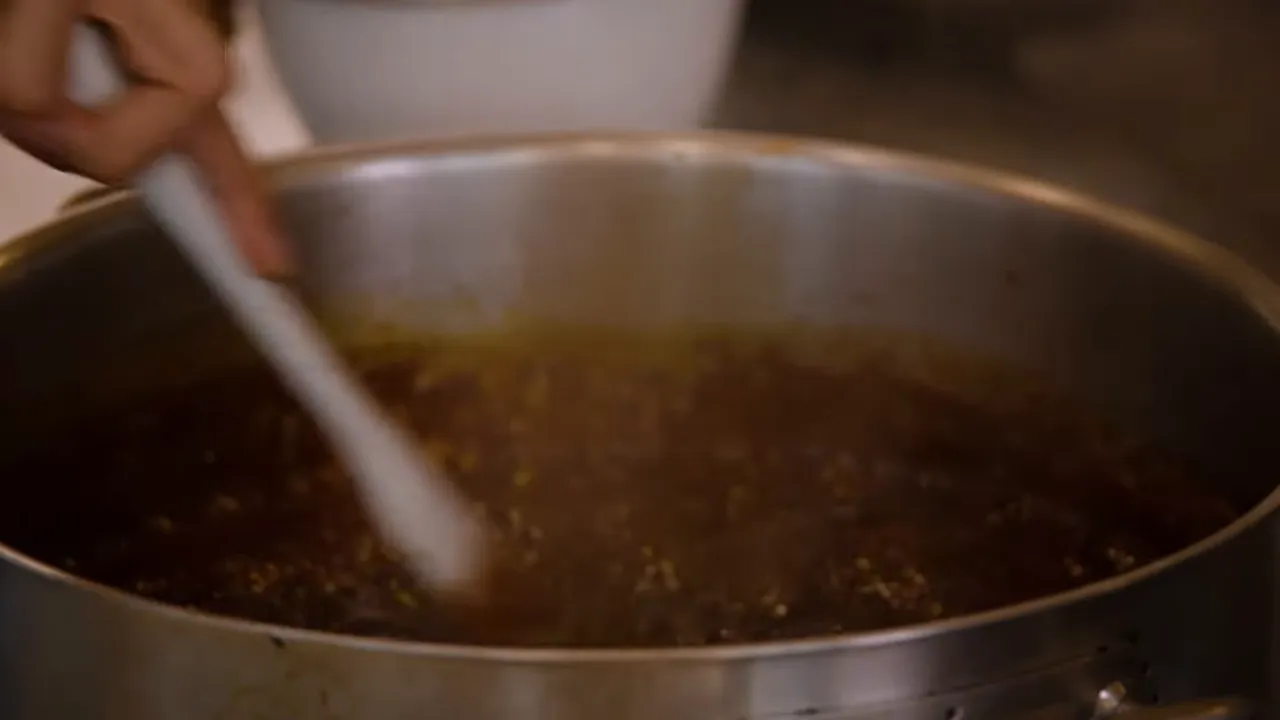
A gastrique is caramelized sugar deglazed with citrus. Chef Singh cooks sugar until it turns amber, then adds warm citrus juices and star anise, letting the mixture reduce to a sticky, honey-like syrup. The zest of lime, lemon, and orange is added at the end for bright aromatics.
The chicken jus is made by roasting and simmering the leftover bones for a long stock (about 24 hours in the video), then reducing to proper viscosity. A few spoonfuls of the citrus gastrique are folded into the jus to create a sauce that’s sweet, tangy, and meaty — an essential component for plating.
Pro tip
Keep the citrus juices warm before adding to the sugar so the mix doesn’t seize. When the gastrique cools it will set thick; use it like a syrup to balance the jus.
4) The signature hot sauce
Crown Chai’s hot sauce is a thick, spoonable puree rather than a pourable sauce. Start by sweating onions gently in olive oil, add red peppers and orange (with pith for a touch of bitterness), then cook until all moisture is reduced. Puree the cooked vegetables with fermented red peppers and fermented habaneros, add a bit of water for blending, and stabilize with xanthan gum if needed.
- Cook vegetables until completely soft and all liquid has evaporated — this concentrates flavor and creates the desired puree texture.
- Use fermented chilies for depth and complexity.
- Xanthan gum can help bind a too-fat or too-thin emulsion into a stable, spoonable sauce.
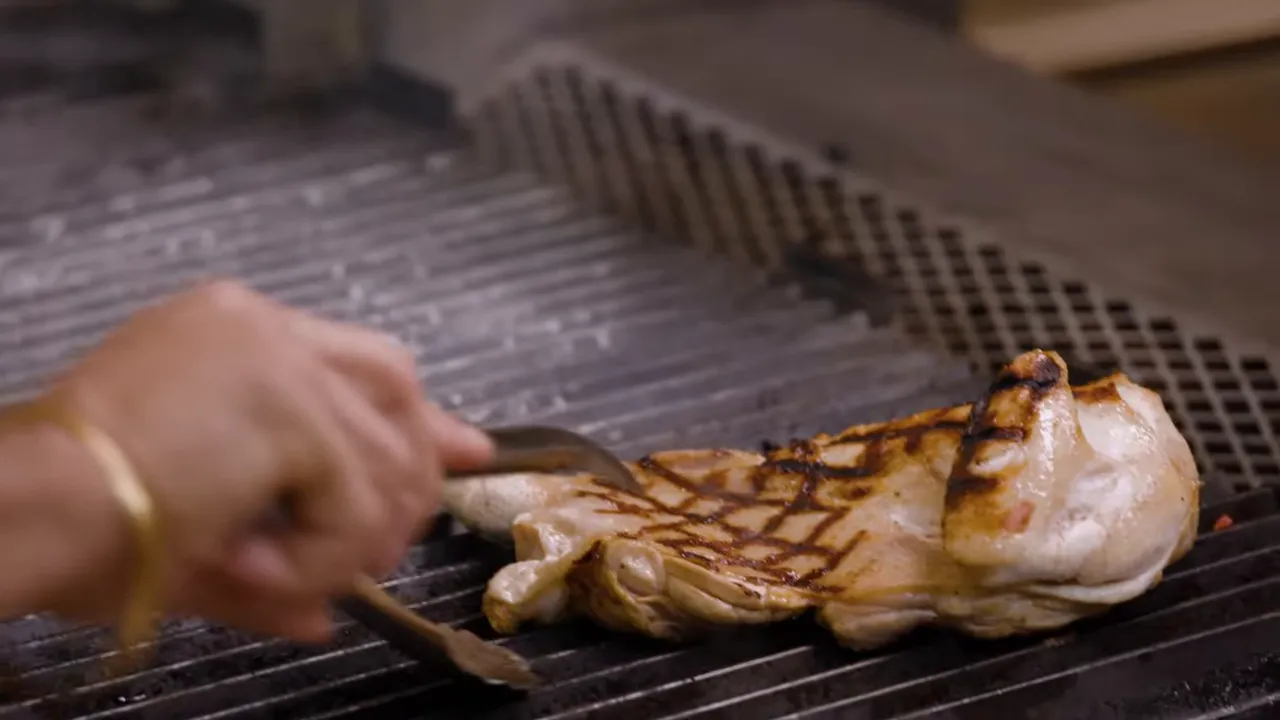
5) Cooking: grill, oven, salamander
Cooking is a three-part process in the Crown Chai method: sear on a hot grill, finish in the oven, and blast under the salamander to crisp at the end.
- Season both sides of the bird and let the skin re-dry for about 30 seconds after salting — salt will draw moisture to the surface then dry out the skin slightly.
- Brush lightly with oil to prevent sticking and sear on the grill, avoiding the absolute hottest center. Aim for a golden char and rendering of the skin fat.
- Transfer to a hot oven for about 13 minutes, flip, then give the hotter back of the oven a few extra minutes if needed.
- Remove and rest for 15 minutes at room temperature so juices redistribute.
- Before service, brush with brown butter and finish under a salamander for ~2 minutes to boost crispiness and color.
Resting is critical: "the muscles relaxes" and juices reabsorb, making carved chicken juicy and tender.
6) Carving, plating, and final assembly
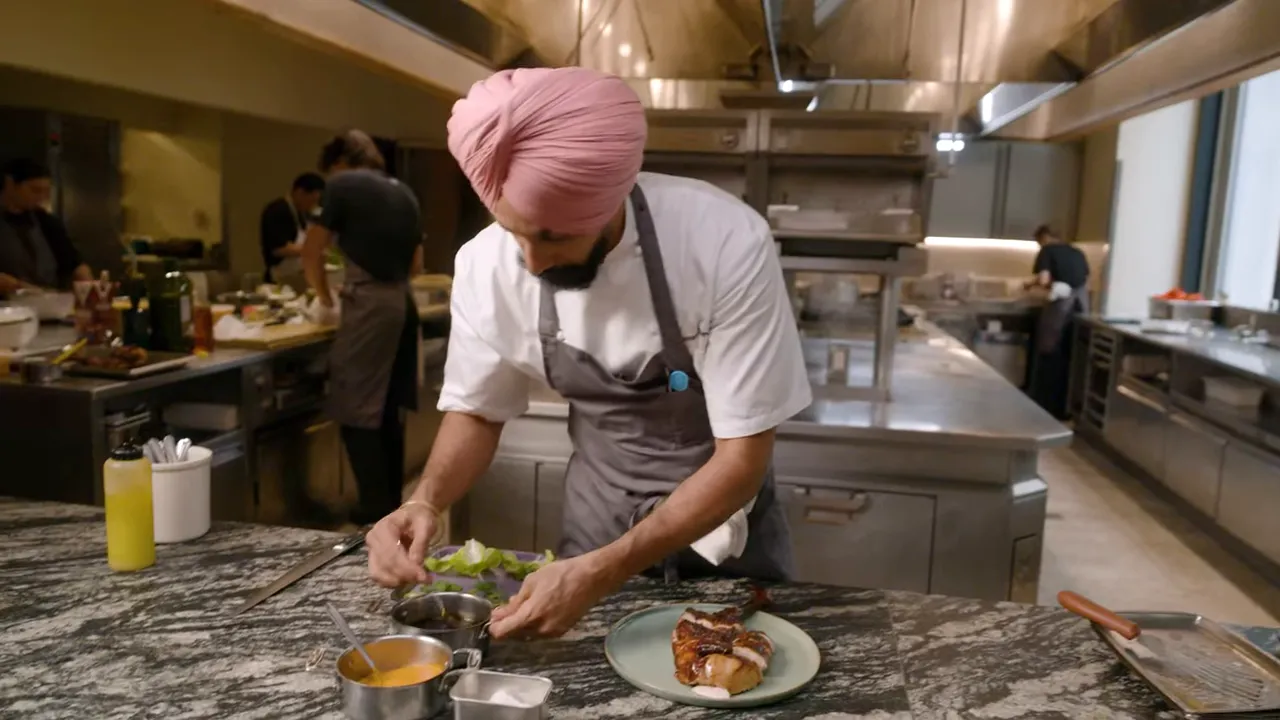
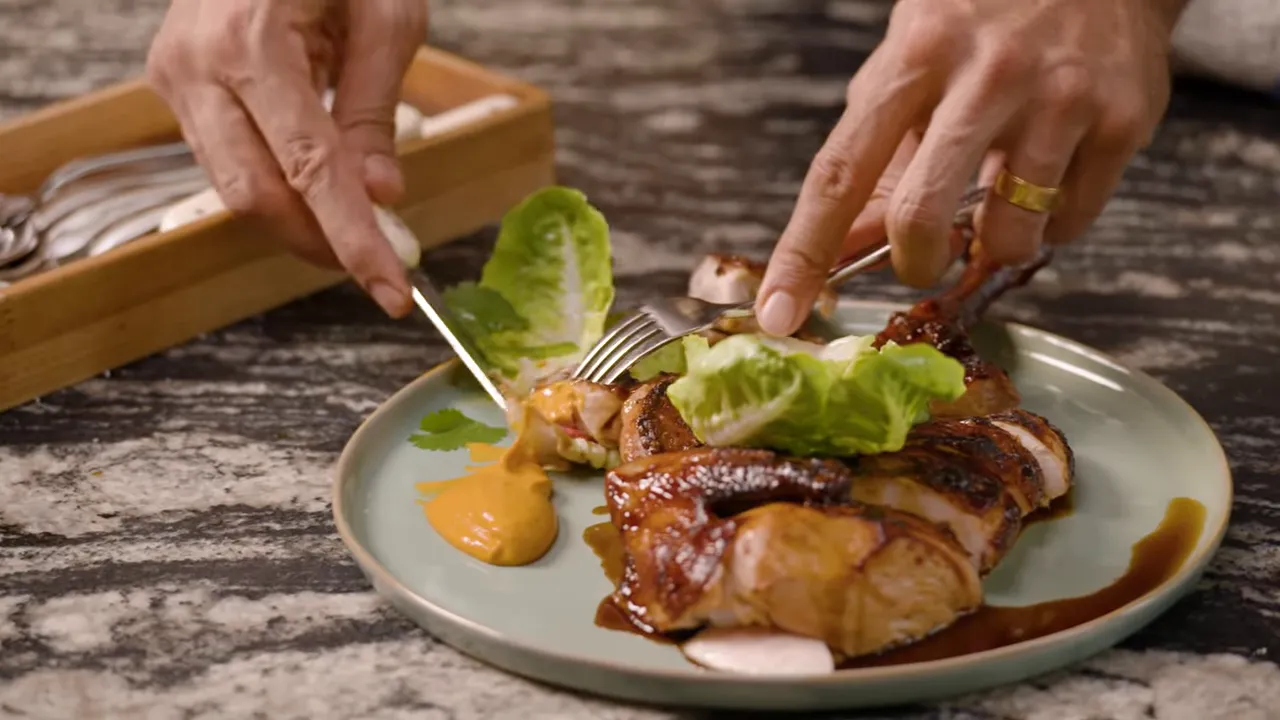
Chef Singh carves each bird into five pieces so each portion contains dark and white meat together — a great way to deliver variety of texture in every bite. For plating, a few spoons of citrus jus, a scatter of dressed lettuce, sliced jalapeños, radish, lemon mint, and cilantro brighten the plate. A spoon of the thick hot sauce finishes the dish.
- Carve close to the carcass to preserve as much meat as possible.
- Serve with a small salad dressed in the citrus jus for freshness and bite.
- Leave a bit of personality on the plate — at Crown Chai the foot might hang off the edge for presentation.
Expert tips and troubleshooting
- Dry skin = crisp skin: After rinsing the marinade, pat the skin dry and allow time in a cool place to dry further (a few hours if possible).
- Don’t fear salt: Generous seasoning in the brine is necessary — it penetrates and seasons the meat during the 24-hour brine.
- Control grill heat: Know the hottest zones and use the grill edges for slower, even rendering rather than instant charring.
- Watch the gastrique: Sugar can move from perfect caramel to bitter fast. When it smokes, deglaze immediately with hot juice.
- Resting matters: Carve only after a 15-minute rest so juices stay in the meat.
Frequently asked (short) questions
How long to marinate?
Six hours minimum; 24 hours is ideal. Anything much longer and the acid will start to cook the chicken.
Can you skip the hot sauce?
The chicken is delicious without it, but the hot sauce adds a layer of fermented, spicy complexity that lifts each bite.
Is the marinade safe to keep on while cooking?
Crown Chai rinses the marinade off because the chili bits can burn on high heat. For home cooks, rinsing and thoroughly drying the skin is recommended for crispness and cleaner charring.
Final thoughts on this joyful roast
This roast chicken shows that a classic can be lively and modern — acidic, spicy, and fresh rather than just salt-and-pepper. The method emphasizes technique more than gimmicks: protect the skin, brine for flavor and moisture, build bold sauces (gastrique + jus), and finish with heat to get real crunch. For anyone chasing a perfect roast at home or wanting to reproduce a restaurant favorite, this recipe and approach — inspired by Chef Singh and presented by Bon Appétit — is a bright, achievable guide to cooking, recipes, bon apetit.
This article was created from the video How NYC’s Best Grilled Chicken is Made (Michelin Star) | Made to Order | Bon Appétit with the help of AI.
How to Make Crown Chai’s Famous Roast Chicken — cooking, recipes, bon apetit. There are any How to Make Crown Chai’s Famous Roast Chicken — cooking, recipes, bon apetit in here.

