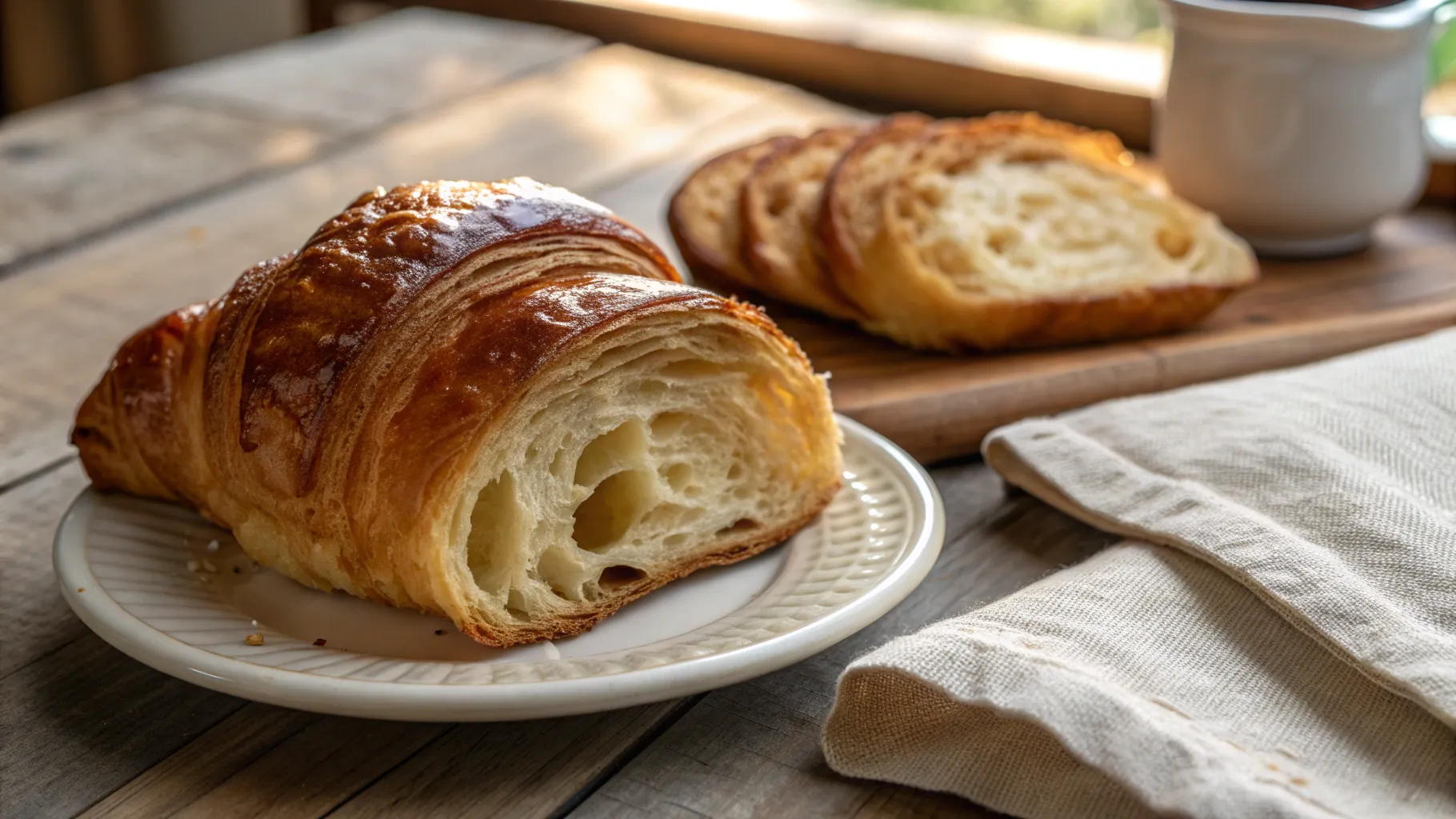
This joyful, step by step guide to laminated pastry focuses on the essential details every home baker needs to master great croissants. It is ideal for anyone who loves cooking, recipes, bon apetit and wants a flaky golden crust with a moist, honeycomb interior. Follow clear equipment notes, precise temperatures, and practical tips to get bakery results at home.
Why technique matters
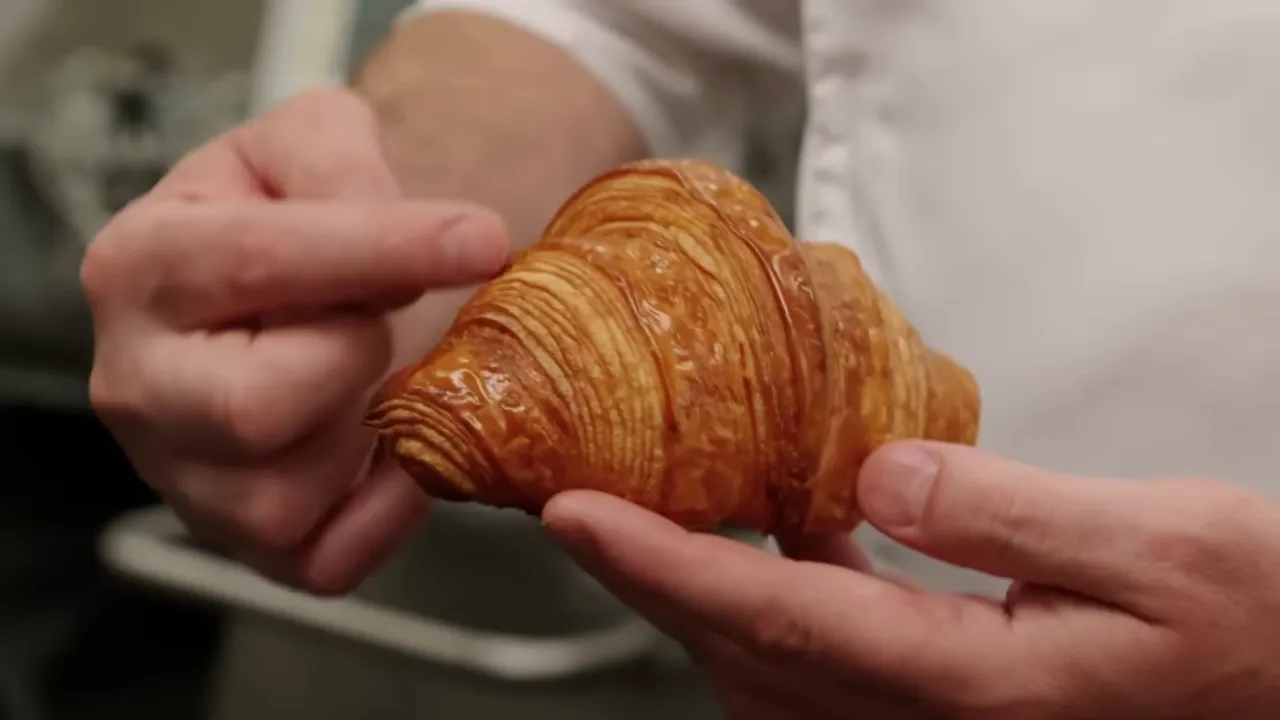
The secret to a memorable croissant is the marriage of strong gluten structure and flexible, low moisture butter. When executed correctly the croissant shows a shiny caramelized crust, distinct layers that flake apart, and an internal honeycomb of air pockets that signal excellent fermentation. This method pairs classic pastry technique with realistic adjustments for a home kitchen that loves cooking, recipes, bon apetit.
Equipment and pantry essentials
- Digital scale for metric precision.
- Digital thermometer to track dough temperature and avoid overheating.
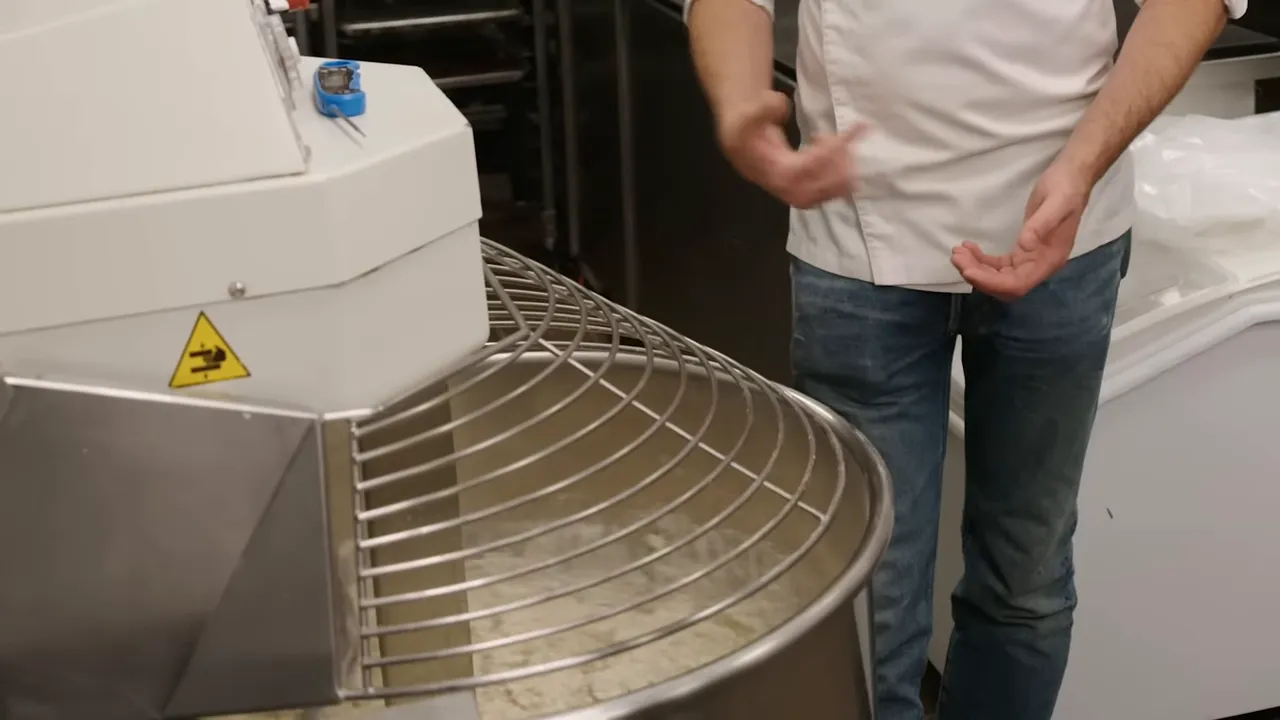
- Stand mixer with dough hook or a commercial style dough mixer if available.
- Rolling pin and sharp razor blade for cutting triangles.
- Proofer or warm box capable of 28 degrees Celsius and 80 to 85 percent humidity or an improvised warm spot.
- High quality flour and butter French style flour and a flexible, low water content butter give the best texture.
Ingredients overview
- Strong pastry flour suited for laminated dough
- Milk, eggs, a touch of honey for flavor and texture
- Active yeast dissolved in room temperature water
- High quality cold French butter for lamination
- Salt
Step by step method
1. Mixing the dough
Combine dry ingredients, add honey for flavor and texture, then incorporate butter, milk, and eggs. Add the dissolved yeast and water last. The mixing temperature is crucial. Aim for a dough between 22 and 24 degrees Celsius after mixing. Above 30 degrees Celsius fermentation will be impaired. If the dough is a bit cold it can be mixed slightly longer. If it is too warm the process should be restarted.
2. Windowpane and elasticity test
After mixing the dough should pull thin and remain elastic without breaking. The snap and resistance indicate well developed gluten. This elasticity allows the dough to trap steam and create the honeycomb when baked.
3. Bulk fermentation and shaping
Shape the dough into a tight ball and allow it to bulk ferment until about double in size. After two hours or when light and puffy gently press down to degas and remove excess gas. This prevents over fermentation and off flavors. Chill in the fridge for an hour, degas again, then proceed to lamination.
4. Lamination
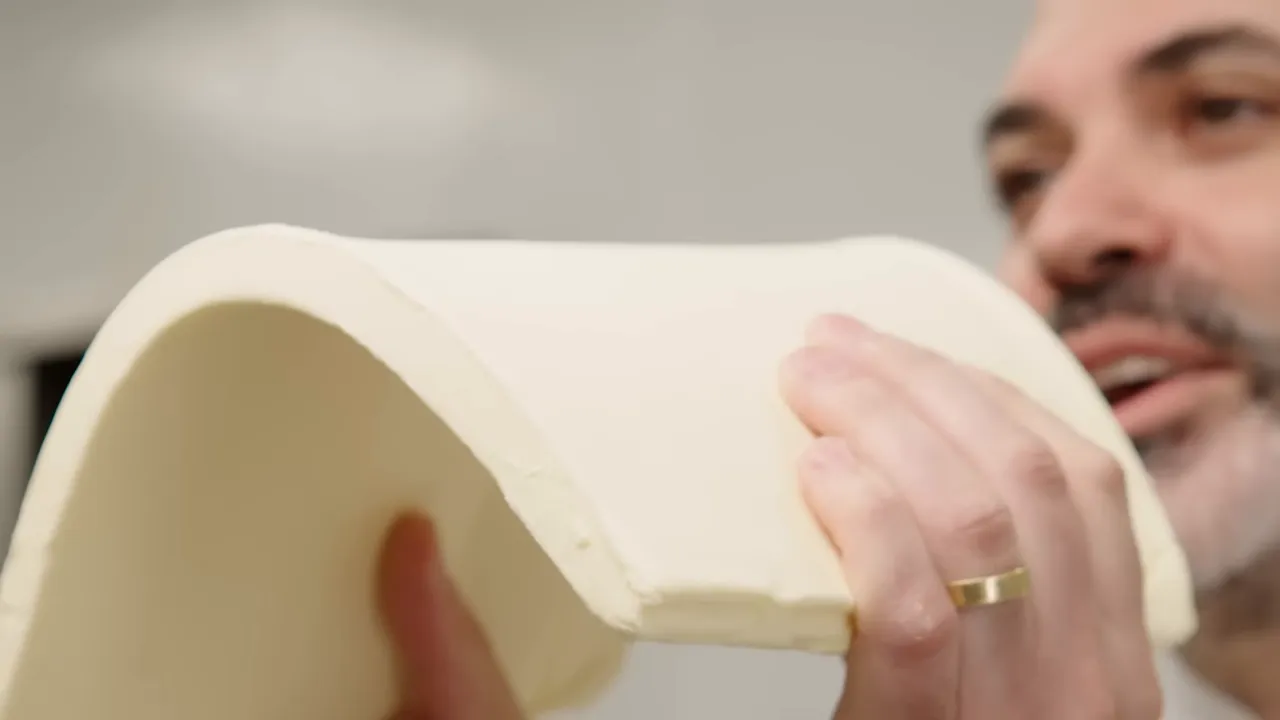
Use a butter block that is cool but flexible so it can bend without cracking. Place the butter roughly in the center of the rolled dough, fold and begin rolling gently to sandwich the butter in a uniform layer between dough panels. Maintain the dough as cold as possible; rising temperature softens the butter and collapses layers. Typical working temperatures are dough at 0 to 4 degrees Celsius and butter near 18 degrees Celsius.
5. Folds and chilling
A single fold followed by a rest, then a double fold creates multiple repeating layers. Rest the dough between folds to relax gluten and keep the butter firm. The layers multiply quickly so keep the dough cool and work efficiently. After the final fold chill until ready for sheeting.
6. Sheeting and cutting
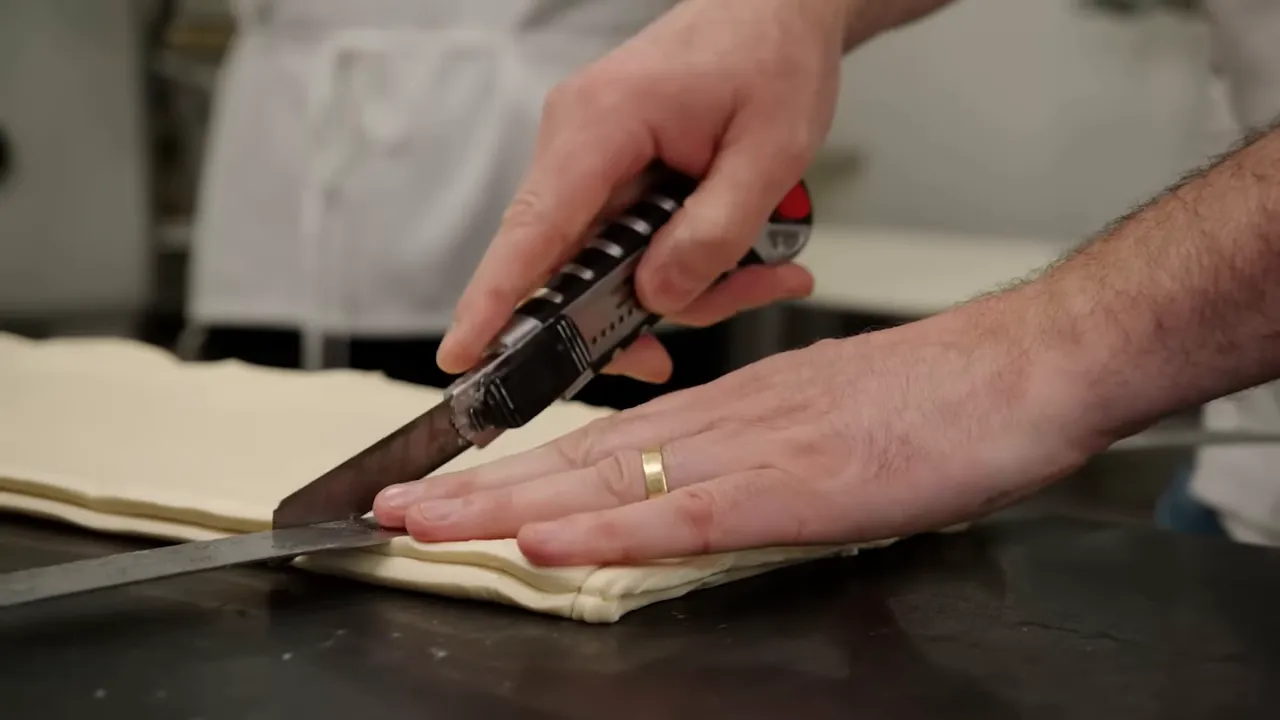
Sheet the dough to about 4 millimeters thickness for the classic croissant. Fold the sheet in half, mark a centered bicycle line and cut triangular pieces about 9.5 centimeters wide and 26 to 27 centimeters long for a standard bakery size. Use a razor blade to cut cleanly without crushing the layers.
7. Shaping and proofing
Roll each triangle from base to tip, tucking the tip slightly under but not too far so the croissant can expand freely. Place shaped pieces with ample spacing to allow doubling or tripling in volume. Proof at roughly 28 degrees Celsius with 80 to 85 percent humidity for approximately two hours until the croissants are airy and jiggle slightly when shaken.
8. Egg wash and baking
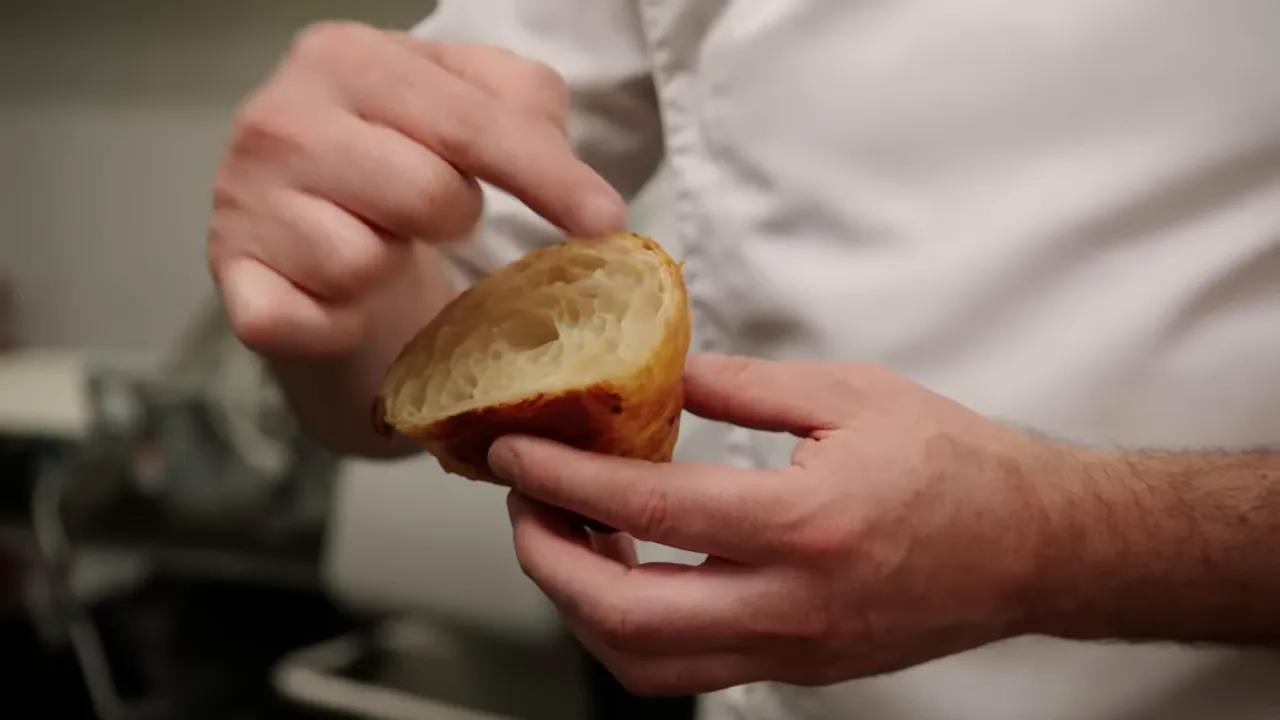
Brush only the top layer lightly with an egg wash of whole egg, a touch of cream and a pinch of salt. Avoid brushing the sides to preserve layer separation and flakiness. Bake in a hot oven at 190 degrees Celsius for about 8 to 9 minutes. High initial heat helps steam the layers rapidly and produces a thin white lining just under the crust which indicates proper oven spring. Too low a temperature will dry and thicken that line and lead to a less pleasant texture.
Tips, troubleshooting and final thoughts
- Keep things cold throughout lamination to prevent the butter from melting into the dough.
- Use a thermometer to monitor dough temperature; ideal mix temperature is 22 to 24 degrees Celsius.
- If layers look compressed the dough may have been handled too warm or overproofed. Chill and retry next time with shorter bulk fermentation.
- Don’t use a regular knife to cut a baked croissant. The right tool will let flakes fall freely and showcase the flaky texture.
This croissant method is a dependable foundation for anyone enthusiastic about cooking, recipes, bon apetit. Repeat these steps, keep notes about seasonal flour behavior, and the approach will reward with consistent flaky croissants and a beautiful honeycomb inside. Happy baking and enjoy every buttery, flaky bite.
This article was created from the video How NYC’s Best French Bakery Makes Perfect Croissants | Made to Order | Bon Appétit with the help of AI.
How to Make the Perfect Croissant | cooking, recipes, bon apetit. There are any How to Make the Perfect Croissant | cooking, recipes, bon apetit in here.

