Scrambled eggs feel like the ultimate weekday comfort food, and a few small changes make a huge difference. This guide covers the practical steps and smart science behind tender, flavorful scrambles so anyone can master them. It also fits neatly into the world of cooking, recipes, bon apetit by turning an everyday dish into something reliably delightful.
Plan the portion
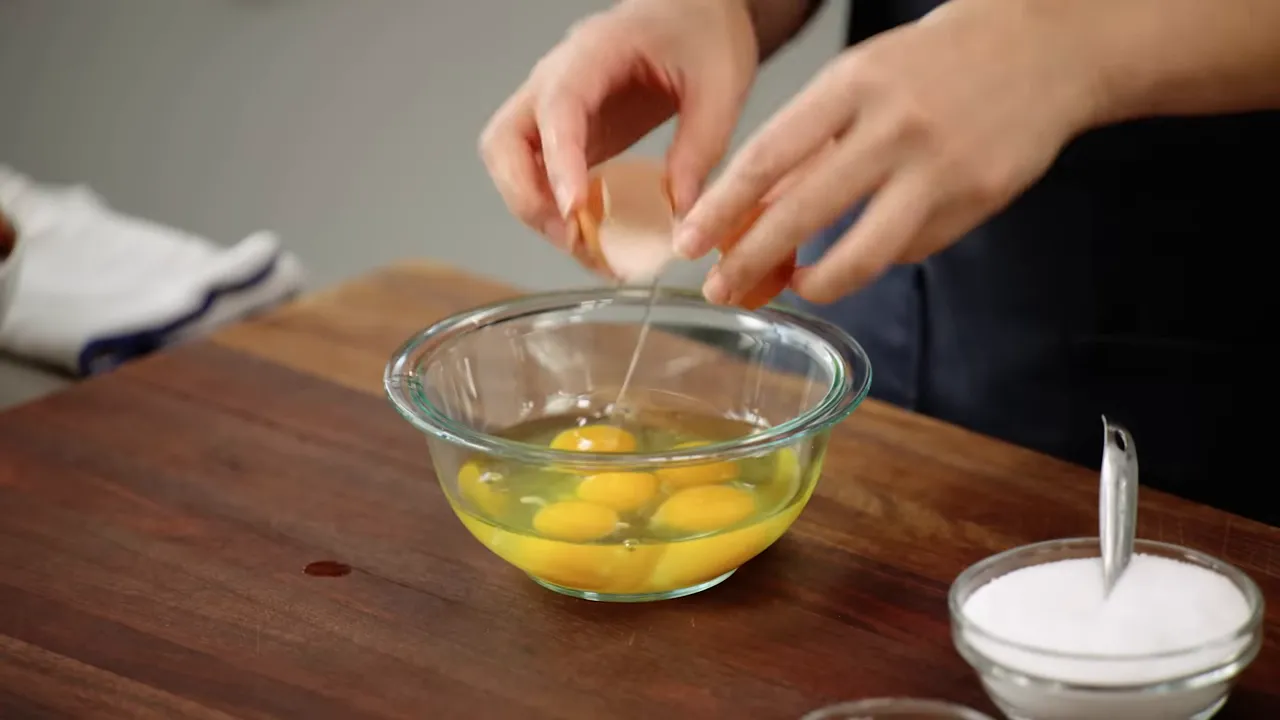
Count on two to three eggs per person. Three works well for a quick solo breakfast; two is fine as part of a larger spread. The right pan size matters: use a skillet slightly smaller than the amount of egg being cooked to keep the surface area manageable.
Salt up front for tenderness
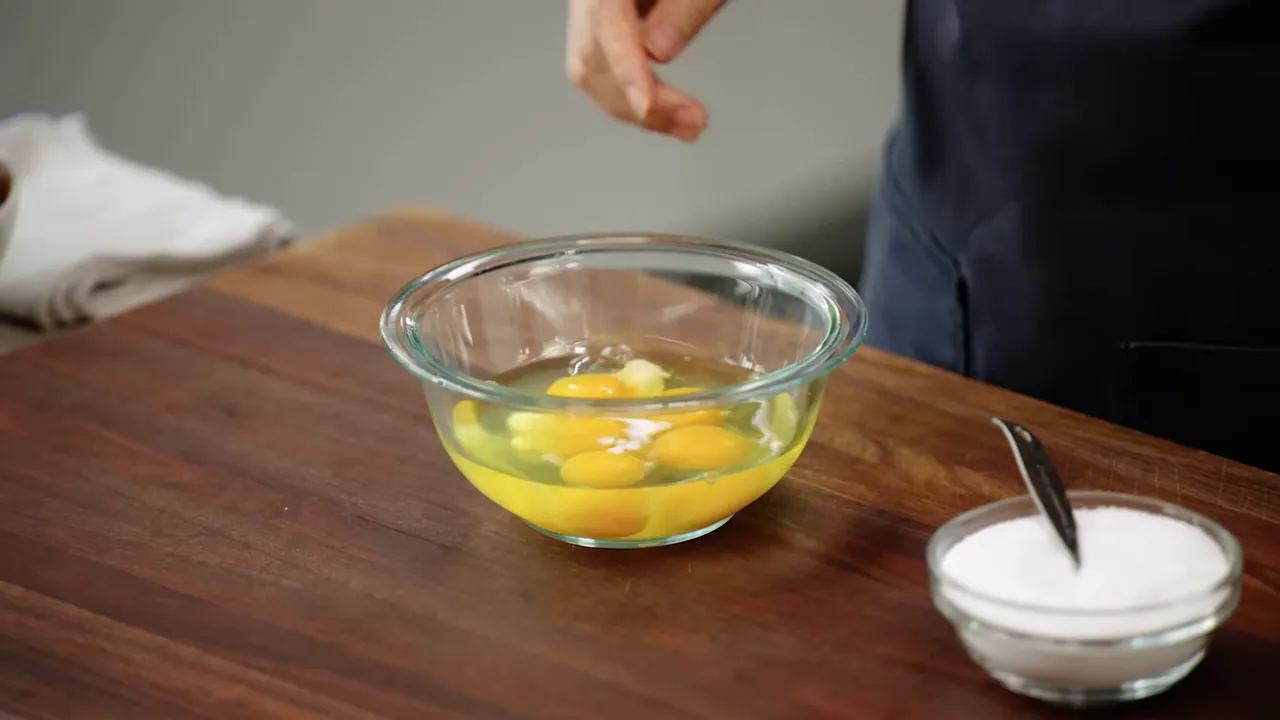
Salting the eggs five to ten minutes before cooking changes more than seasoning. Early salt starts to unwind egg proteins so they set sooner and stay more tender. For five eggs, sprinkle about an eighth to a quarter teaspoon and let the mixture sit until it looks slightly darker and more translucent.
What to add: milk, cream, or water
A tablespoon of milk dilutes the proteins and helps create a softer texture. Half and half or cream adds extra richness; water works fine too if dairy isn't available. The goal is to add just enough liquid to slow tight protein bonding during cooking.
Tools that help
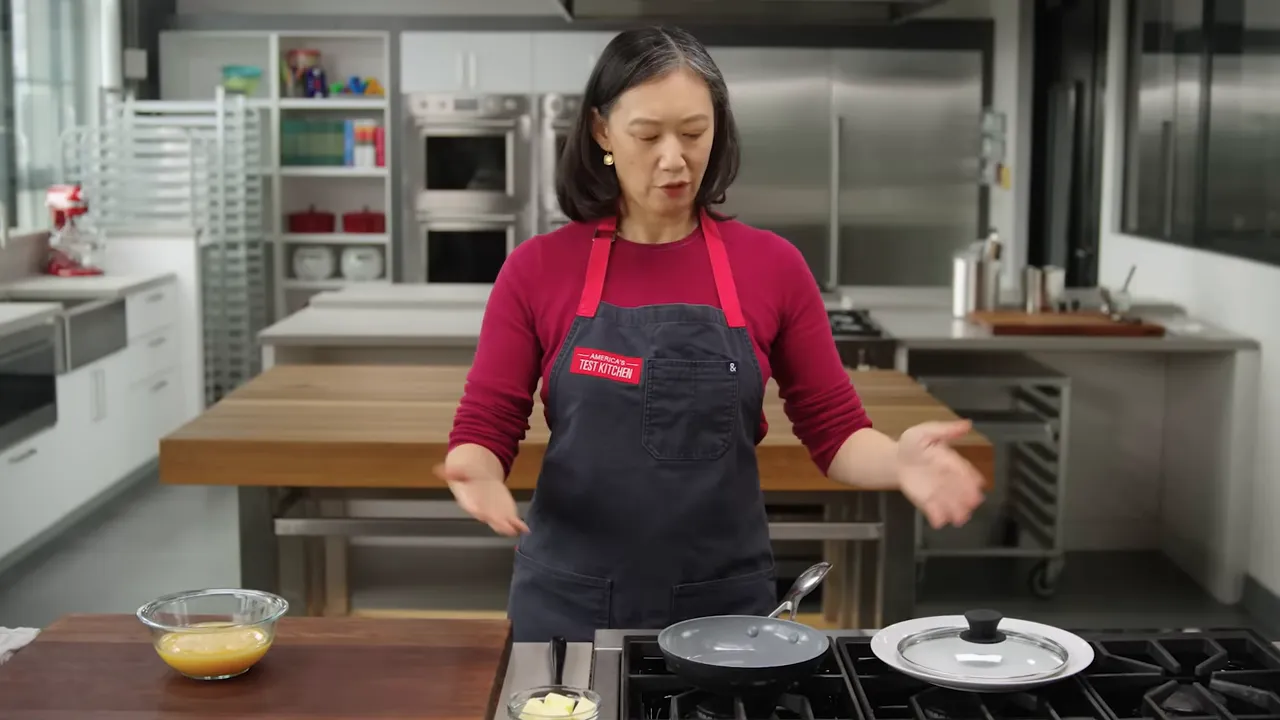
- Small nonstick skillet (an 8-inch is ideal for 4–6 eggs)
- Butter to add flavor and a water-signal for pan readiness
- Rubber spatula for gentle folding
- Lid or plate to let residual heat finish the eggs
Cooking technique: heat, stir, and rest
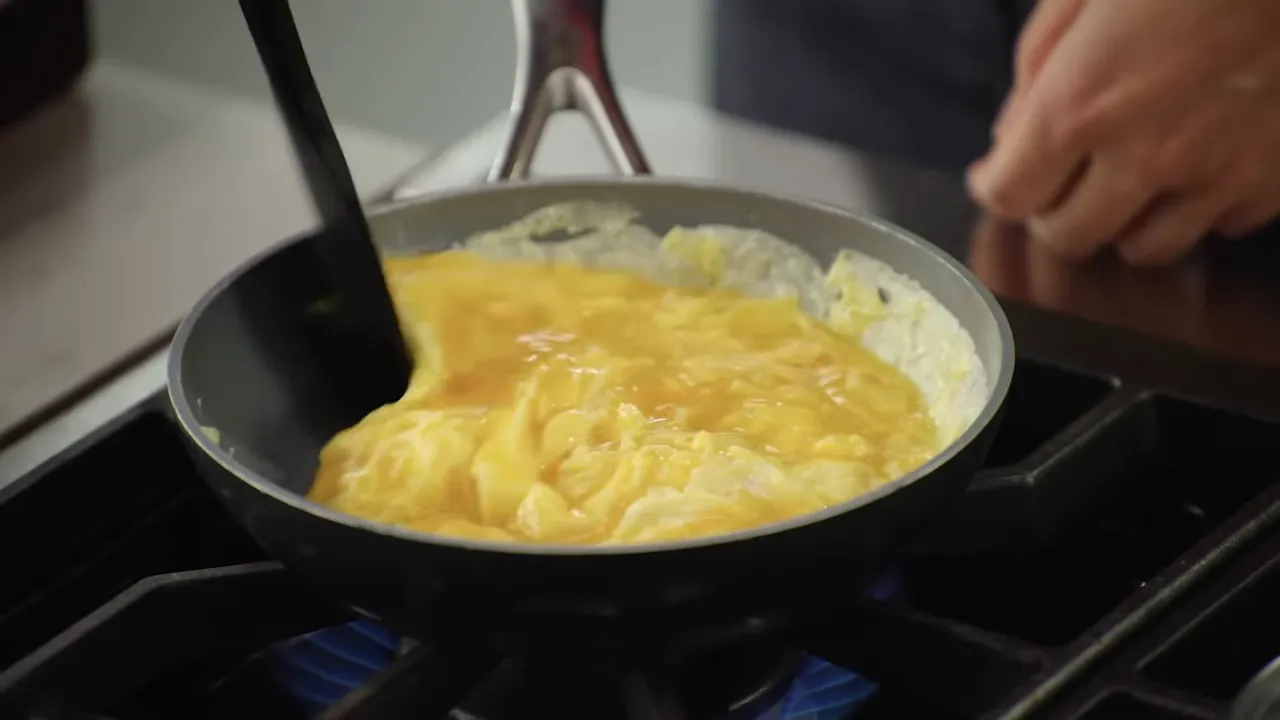
Start with a tablespoon of butter, melt it over medium and then bring heat up to medium-high once the butter bubbles evenly. Add the eggs so the butter does not brown. Stir constantly but adjust speed for texture: stir quickly for soft curds, slowly for fully set eggs. When the spatula draws through without runny egg, turn off the heat, break up any clumps, then cover the pan for a minute so the eggs finish gently with residual heat.
Finishing touches and toppings
Eggs are a canvas. Try chili crisp for savory heat, pesto for herbaceous richness, everything bagel seasoning for crunch, furikake for umami, or harissa for floral spice. A small garnish lifts the whole plate and introduces texture and contrast.
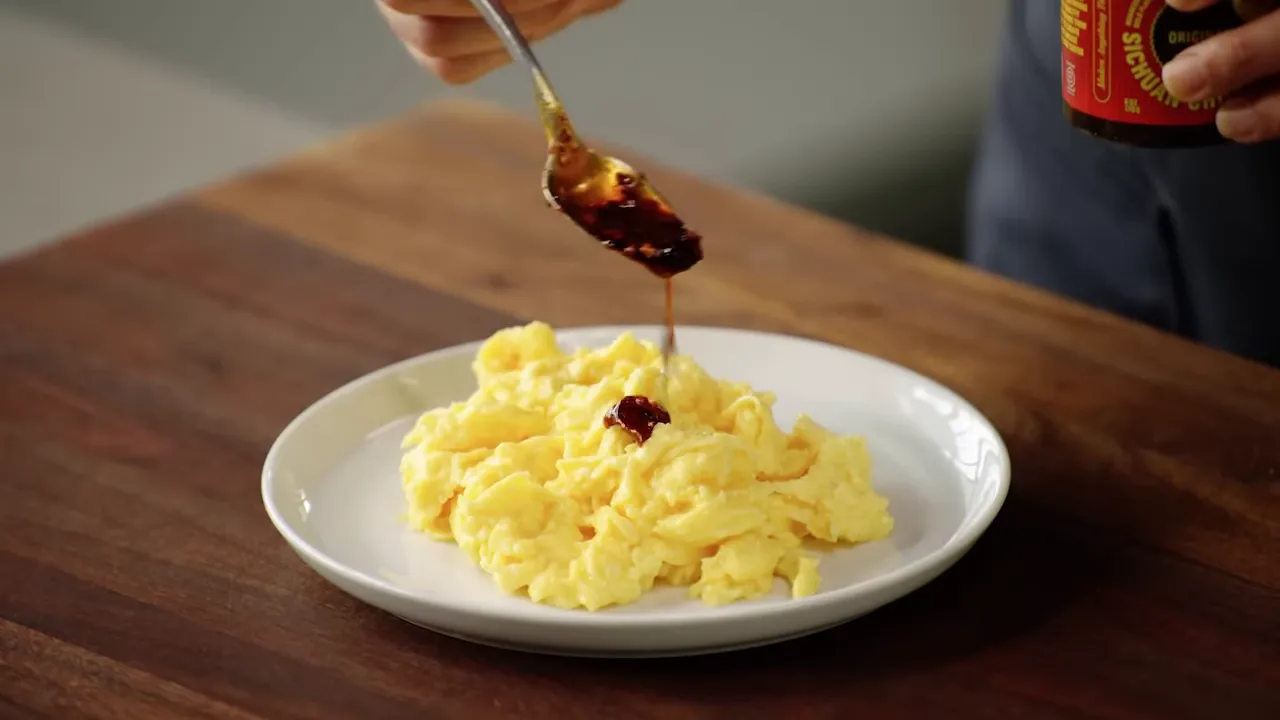
Try it and share a preference
This approach yields dense, custardy scrambles that stay tender and flavorful. Experiment with stirring speed, liquid choice, and toppings to find a personal favorite. The result keeps breakfast exciting and delivers on the promise of cooking, recipes, bon apetit every single morning.
This article was created from the video Scrambled Eggs: Minor Tweaks, Major Improvements | Techniquely with Lan Lam with the help of AI.
Scrambled Eggs That Impress: Simple Tweaks for Better Morning Results — cooking, recipes, bon apetit. There are any Scrambled Eggs That Impress: Simple Tweaks for Better Morning Results — cooking, recipes, bon apetit in here.

