Every restaurateur who cares about cooking, easy recipes, and guest safety knows that a clean kitchen is the foundation of great food. When systems, temperature control, and basic discipline disappear, costs skyrocket, staff morale collapses, and reputations go down the drain. This post explains what goes wrong in those nightmare kitchens and offers a clear, upbeat plan to bring them back to life.
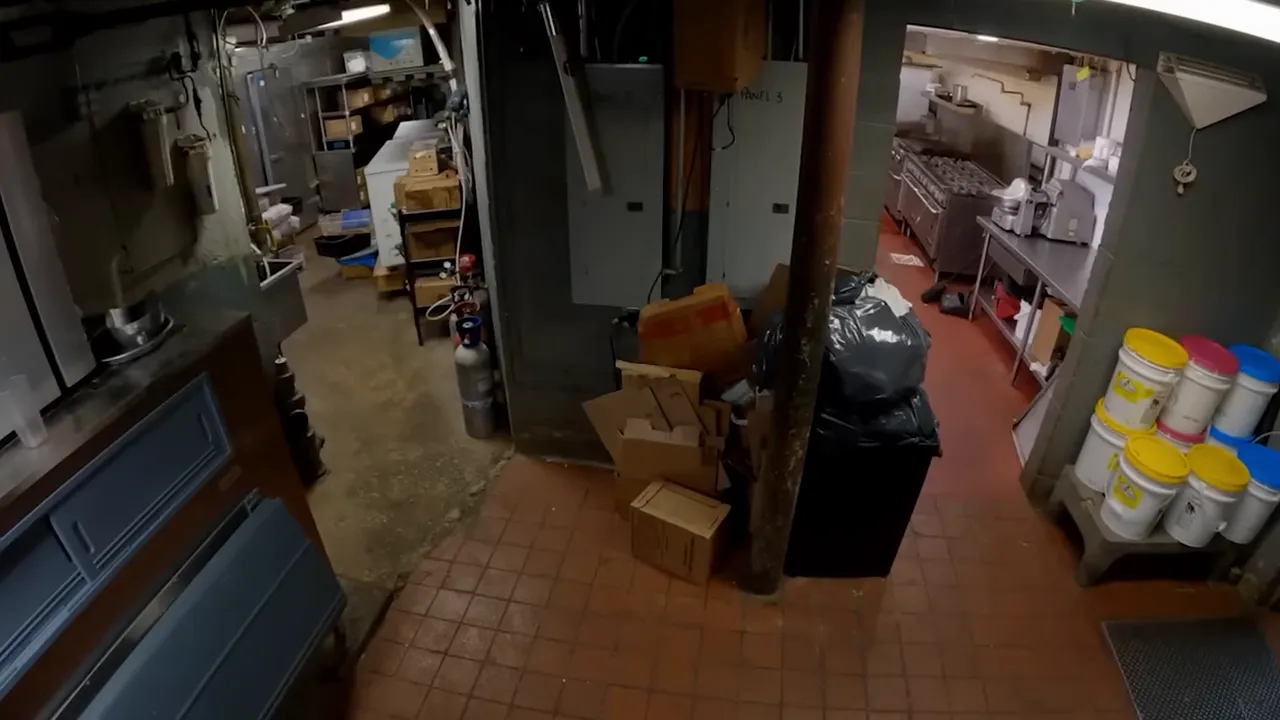
Why hygiene is non-negotiable
Food safety and presentation are inseparable. A single missed rotation, a broken walk-in, or sloppy prep can turn good produce into a hazard and a profitable night into a disaster. When managers allow raw and cooked items to mix, or when refrigeration fails, the kitchen stops being a place of creativity and becomes a liability.
"This place is a death trap."
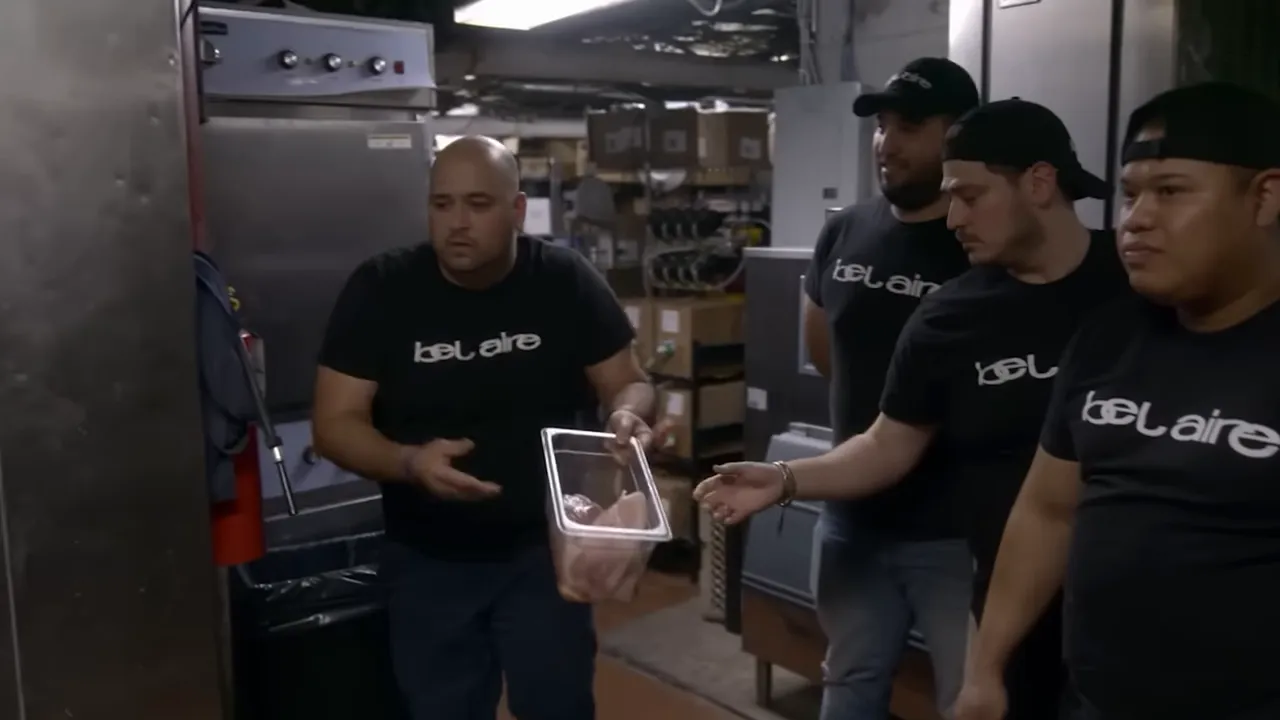
Five quick fixes every kitchen needs
- Daily deep clean — assign a rotating checklist that covers hoods, floors, fridges, prep stations, and storage. A tidy space reduces waste and speeds service.
- Labeling and first in, first out — date everything on arrival. If it’s not labelled, it’s not usable.
- Temperature control — monitor walk-ins and reach-ins twice per shift. 38 to 40 degrees Fahrenheit is the target; anything above 45 must be flagged immediately.
- Simplify the menu — fewer, better-executed dishes reduce confusion on a tight line. A long menu spreads team focus too thin.
- Quality control station — an expeditor who checks doneness and presentation keeps tickets moving and reduces returns.
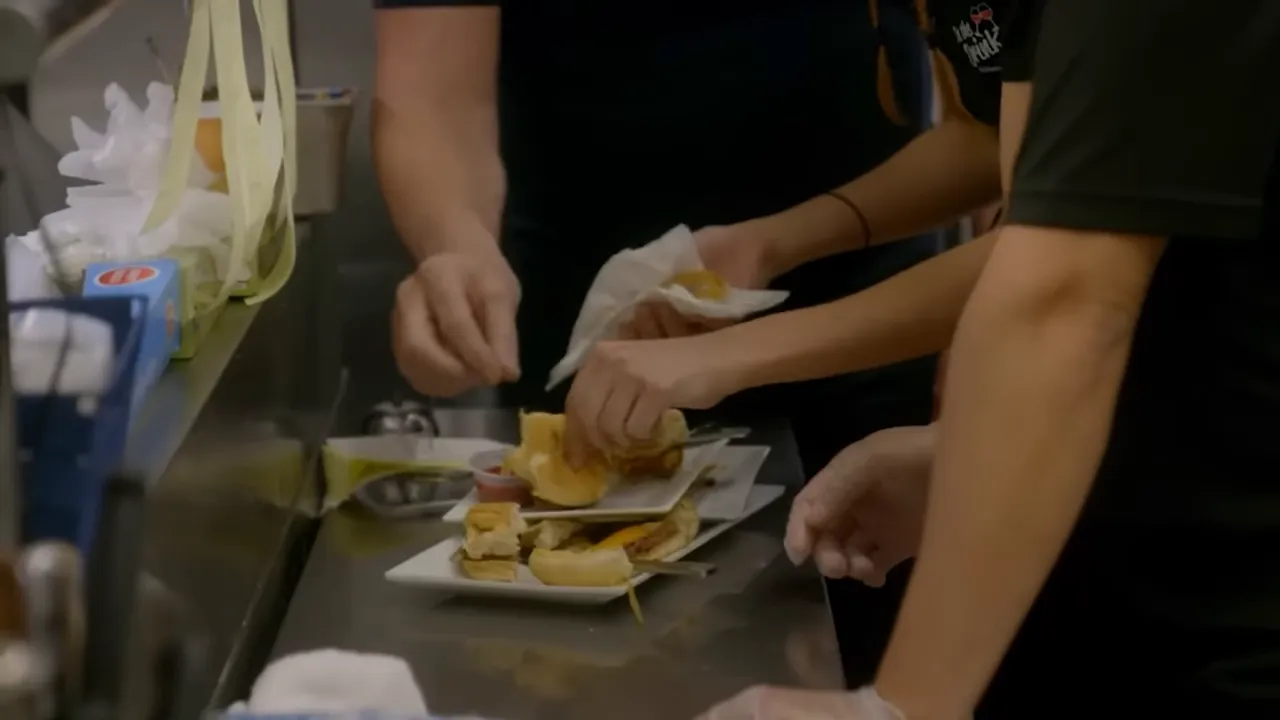
Inventory and equipment: stop the rot
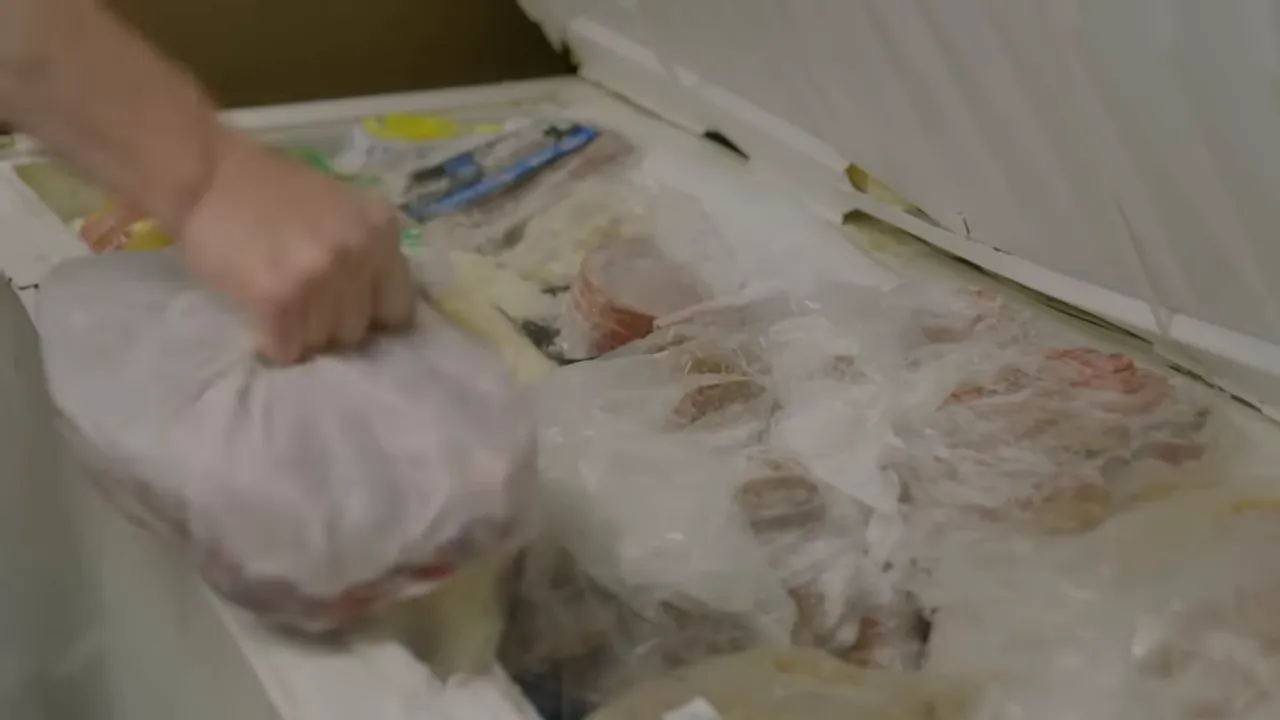
Expired boxes, unlabelled containers, and a broken walk-in are quietly eating profit. When a fridge runs like a sauna, every restock accelerates spoilage. Small investments in maintenance save thousands by preventing waste, avoiding health violations, and protecting customer trust.
- Weekly inventory audits with a simple log reduce shrinkage.
- Scheduled maintenance for compressors and hoods prevents mid-service failures.
- Smart ordering keeps par levels tight so produce moves fast and fresh.
Leadership, training, and culture
Structures matter as much as scrubbing. When managers delegate without follow-up, standards fall. A positive culture that rewards cleanliness and teamwork creates consistent quality. Clear roles, daily briefings, and a single person accountable for closing shifts build pride and reliability.
Practical 30-day action plan
- Day 1–3: Emergency clean and label all product. Remove any suspect items.
- Day 4–7: Fix or replace critical equipment; set fridge temp logs and alarms.
- Week 2: Trim the menu to core best-sellers; reroute prep stations for flow.
- Week 3: Train staff on portion, cook times, and ticket flow. Introduce an expeditor checklist.
- Week 4: Launch weekly inventory audits and a recognition system for cleanliness stars.
Small changes, big returns
Restaurants that prioritize basic standards find service improves, waste drops, and diners return. The same focus that makes cooking, easy recipes, and weeknight comfort meals enjoyable also makes a kitchen safe, profitable, and fun to work in. Healthy food starts with a healthy kitchen.
This article was created from the video The Most DISGUSTING Kitchens | BRAND NEW Season Kitchen Nightmares Compilation | Gordon Ramsay with the help of AI.
The Most Disgusting Kitchens and How to Fix Them — cooking, easy recipes. There are any The Most Disgusting Kitchens and How to Fix Them — cooking, easy recipes in here.

