Why the daiquiri matters
The daiquiri is the purest expression of a sour cocktail, a simple template that reveals skill or hides mistakes. With only three ingredients, every choice matters. Too much lime makes it clawing, too much syrup becomes cloying, and a heavy hand with rum overwhelms everything. When the drink is right, it is cold, integrated, and unexpectedly fluffy, the kind of cocktail that disappears dangerously fast.
The phrase cooking, recipes, bon apetit captures the spirit of thoughtful balance that goes into a great daiquiri. This is a recipe and a technique, not just a list of ingredients.
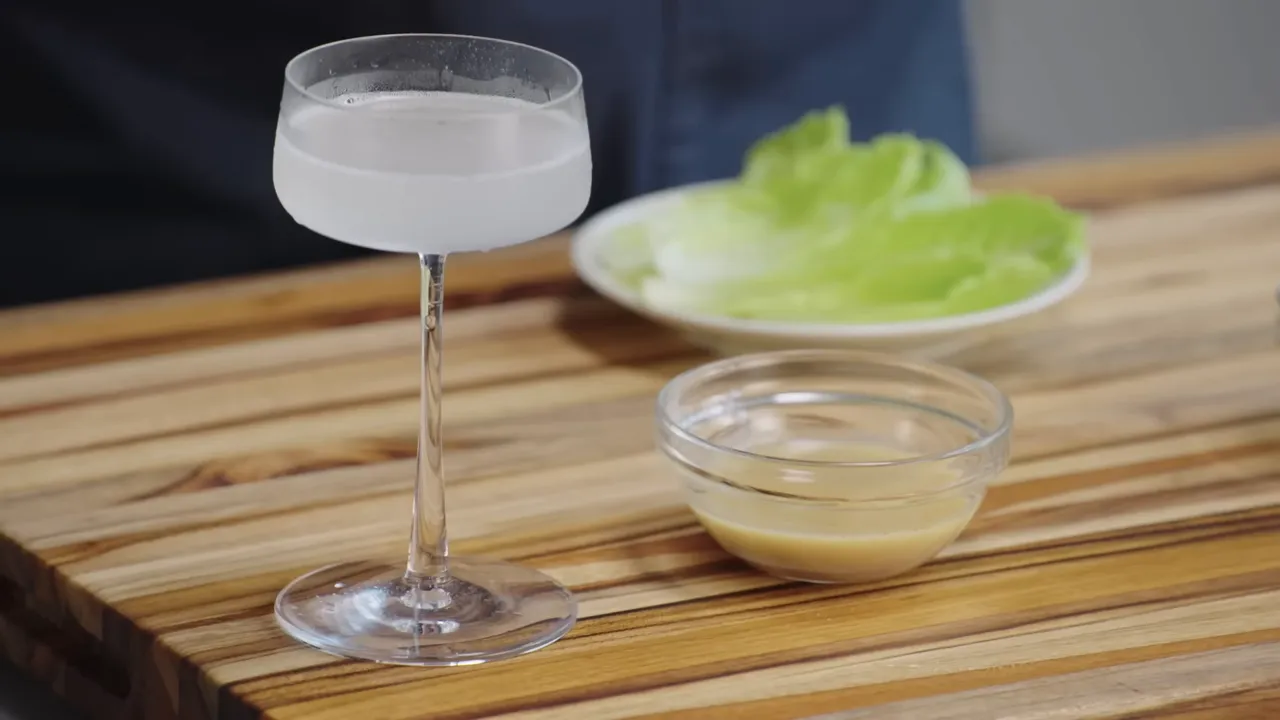
The basic daiquiri formula
Start with a reliable template and treat each element like seasoning. The classic proportions work because they achieve harmony between spirit, sweet, and sour.
- 2 ounces white rum
- 3/4 ounce fresh lime juice
- 3/4 ounce simple syrup
Simple syrup is equal parts sugar and water by weight. For a small batch, whisk three quarters of a cup of sugar into five ounces of warm water. Chill and store for up to one month. Freshly squeezed lime juice is essential, it makes a noticeable difference to the liveliness of the drink.
Texture beats theatrics
A great daiquiri is less about flash and more about texture. Think of it like a vinaigrette. A well-emulsified vinaigrette is glossy and harmonious. Agitate the daiquiri correctly and the lime, rum, and syrup blend into a silky, almost foamy mouthfeel. Stir it instead, and the components remain separate, acidic and thin.
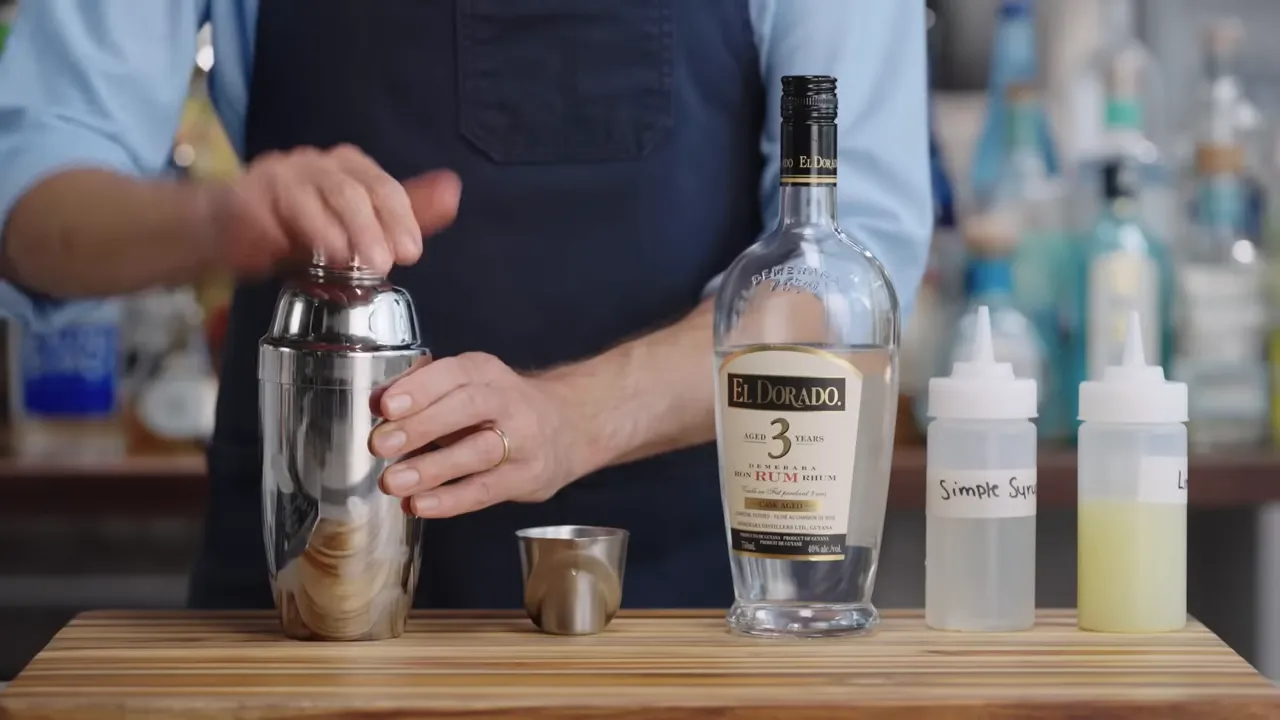
How to shake like a pro
Shaking is the secret ingredient that creates texture. The goal is to chill and aerate the mixture until it becomes a unified, cold, slightly frothy drink. Follow these practical tips.
- Use a target area. Picture a box in front of the body. Keep the motion centered, not high or low.
- Use a long stroke and engage the lats and core, not just the arms. This reduces fatigue and produces power.
- Fill the shaker with plenty of ice, seal it, and shake until the metal gets frosty.
- Listen for the ice hitting both ends of the shaker. The sound signals the ice is moving through the liquid, whipping it into texture.
Different shakers do slightly different jobs. A cobbler shaker is beginner friendly, with three simple parts. A Boston shaker, tin on tin, gets the coldest results because metal on metal lowers temperature faster than metal and glass. Use a Hawthorne strainer to catch small shards and pour into a well-chilled coupe. Cold glass matters. A room temperature glass will warm the drink by several degrees almost immediately.
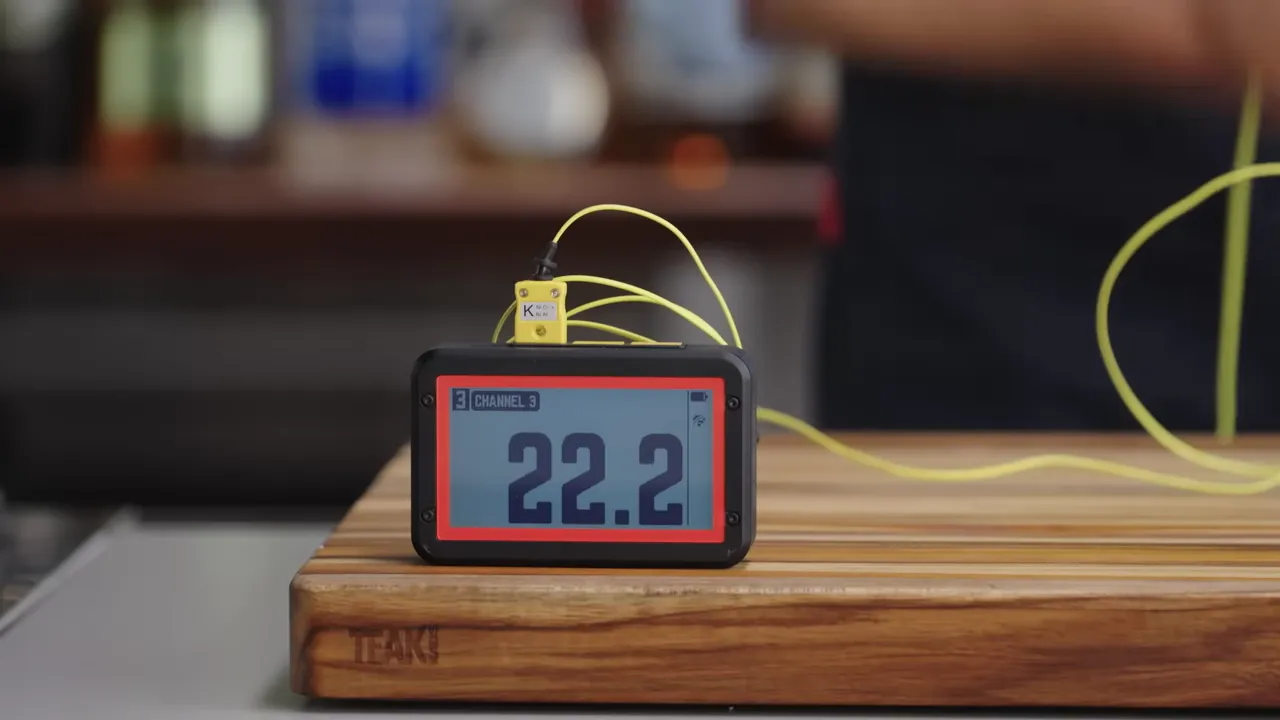
How long to shake
Temperature is the most important variable. Taste tests and measurements point to a sweet spot. Aggressive shaking for about 15 seconds brings the drink down to roughly 22 degrees Celsius, the coldest point achievable without extreme equipment. Less time leaves the drink warm and biting. More time does not improve flavor and often waters the cocktail slightly as more ice melts.
Time your shake for full effort and accept that 15 seconds of consistent, powerful shaking produces the integrated, balanced result that distinguishes a professional daiquiri from an amateur one.
Adjusting flavor and creative riffs
Tweak the balance like seasoning. Simple syrup acts like salt, small adjustments move the drink toward brightness or softness. For lower sugar, reduce the syrup and the lime proportionally to keep balance. Experimentation should always aim for harmony, not dominance.
A delightful variation is the basil daiquiri. Add a quarter cup of Thai or Italian basil directly into the shaker with the ice. The vigorous shaking bruises the leaves and releases fresh herbal oils. Strain and garnish with a whole leaf for aroma. Swap spirits to explore cousins of the sour family, like a gimlet or whiskey sour, by changing the base and citrus.
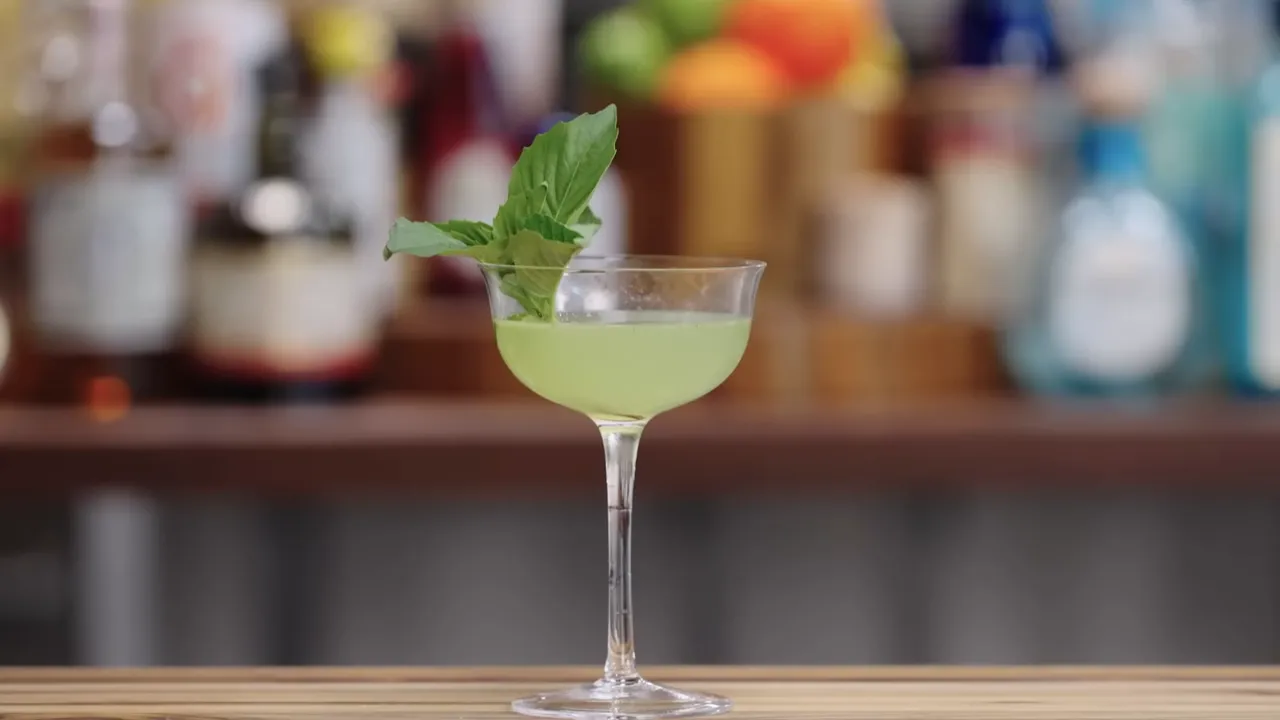
Final tips and celebration
Practice the technique, care for the ingredients, and focus on temperature. Emphasis on cold and texture is the single most reliable way to improve any shaken cocktail. A well-made daiquiri demonstrates an understanding of balance that elevates all cooking, recipes, bon apetit efforts behind the bar and in the kitchen.
Raise a chilled coupe, savor the seamless flavors, and enjoy the satisfaction of a simple drink made exactly right. Cheers.
This article was created from the video The One Cocktail That All Bartenders Should Master | The Cocktail Lab | America's Test Kitchen with the help of AI.
The One Cocktail Every Bartender Should Master, plus cooking, recipes, bon apetit. There are any The One Cocktail Every Bartender Should Master, plus cooking, recipes, bon apetit in here.

