This episode delivers a joyful mix of competition, teamwork, and drama while keeping a playful focus on flavor. For anyone who loves cooking, easy recipes and the thrill of tasting, it is a lively reminder that great food starts with great taste. The contestants face a blind taste test, earn a glossy photo shoot, then battle through an intense dinner service where leadership and calm matter as much as technique.
Episode Snapshot
The contestants begin the day with a lesson in tartare and a surprise substitution to test their palates. Chef reminds them that to be a truly great chef a cook must have "an exceptional sense of taste." From there the famous blind taste test separates confident tasters from the uncertain. Winners celebrate with a magazine photo shoot while the losing team preps both kitchens and serves the same guests they just posed for. The evening ends with one chef leaving the competition and a clear message about teamwork.
How the Blind Taste Test Works
The blind taste test challenges each chef to identify ingredients while blindfolded and plugged into music. Teams take turns guessing simple and complex items from single ingredients to entire dishes. Scoring is straightforward: a correct ingredient equals a point. The team with the most points wins a reward. It is a pure exercise in palate memory and confidence.
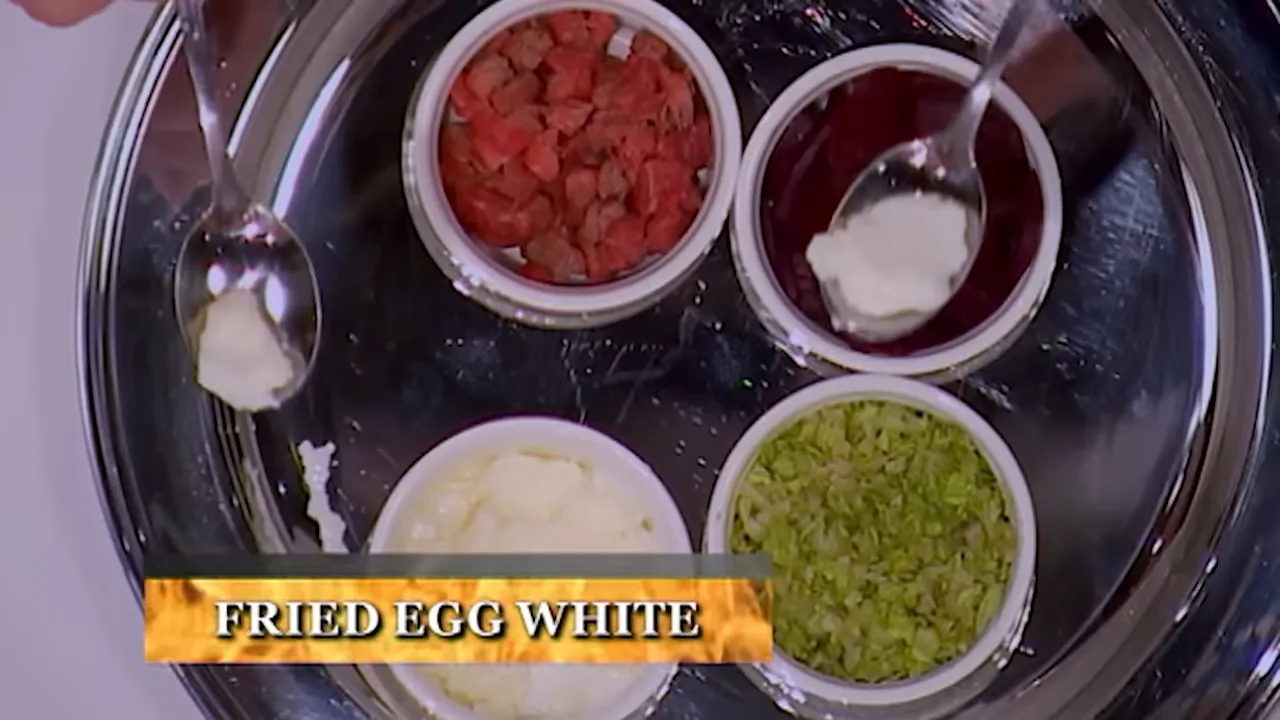
- Round one: single ingredient identifications such as egg white and beets.
- Round two: trickier items like black truffle or pea tendrils.
- Final round: full dish recognition with multiple ingredients. One team nailed ten ingredients from a minestrone soup.
Why this challenge matters
Beyond bragging rights, the test reveals who can precisely taste and communicate. Strong tasting skills translate to menu development and consistency in a busy kitchen. A calm, assured palate helps when a guest requests alterations or when a cook must troubleshoot a sauce.
"To be a great chef, and I mean to be a great chef, you have to have an exceptional sense of taste."
Rewards, Punishments, and Photo Time
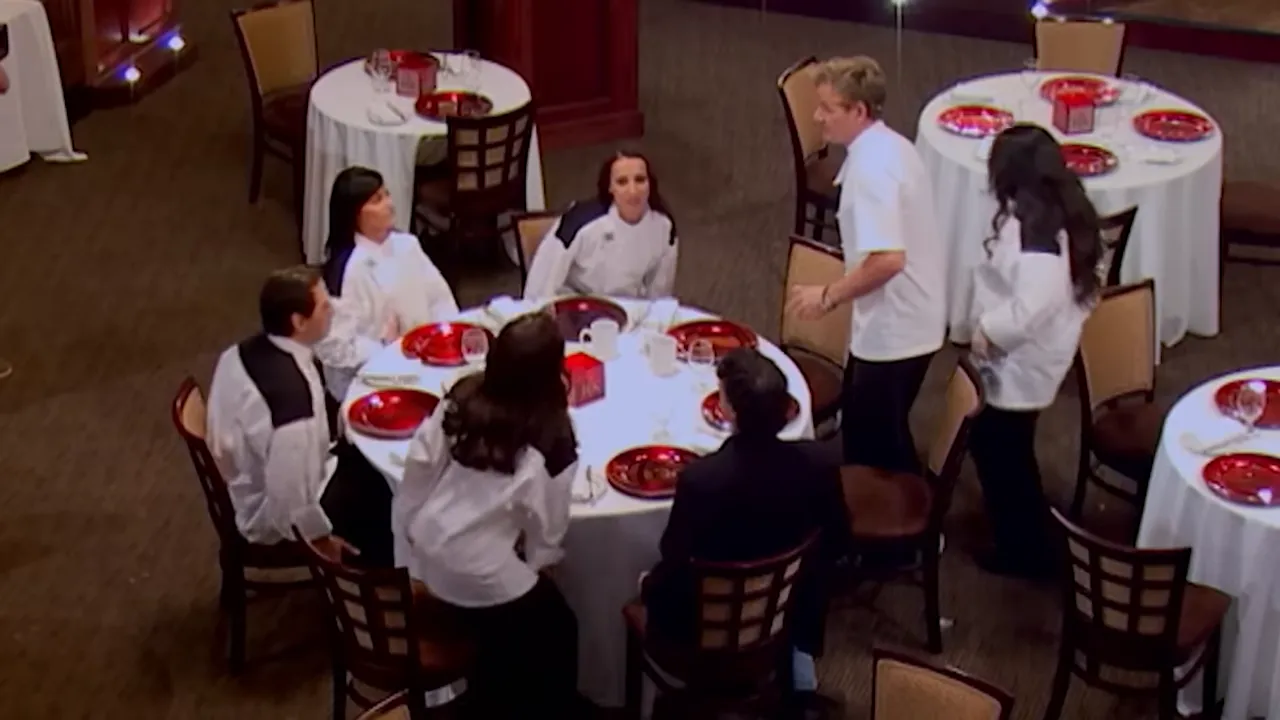
The winning team gets a celebrity-style photo shoot and media coaching. The losing team does not miss out entirely. They serve the photo shoot guests lunch and then prep both kitchens for dinner service. This gives both groups something to celebrate and something to learn about hospitality and front of house timing.
Dinner Service: Where Pressure Becomes Performance
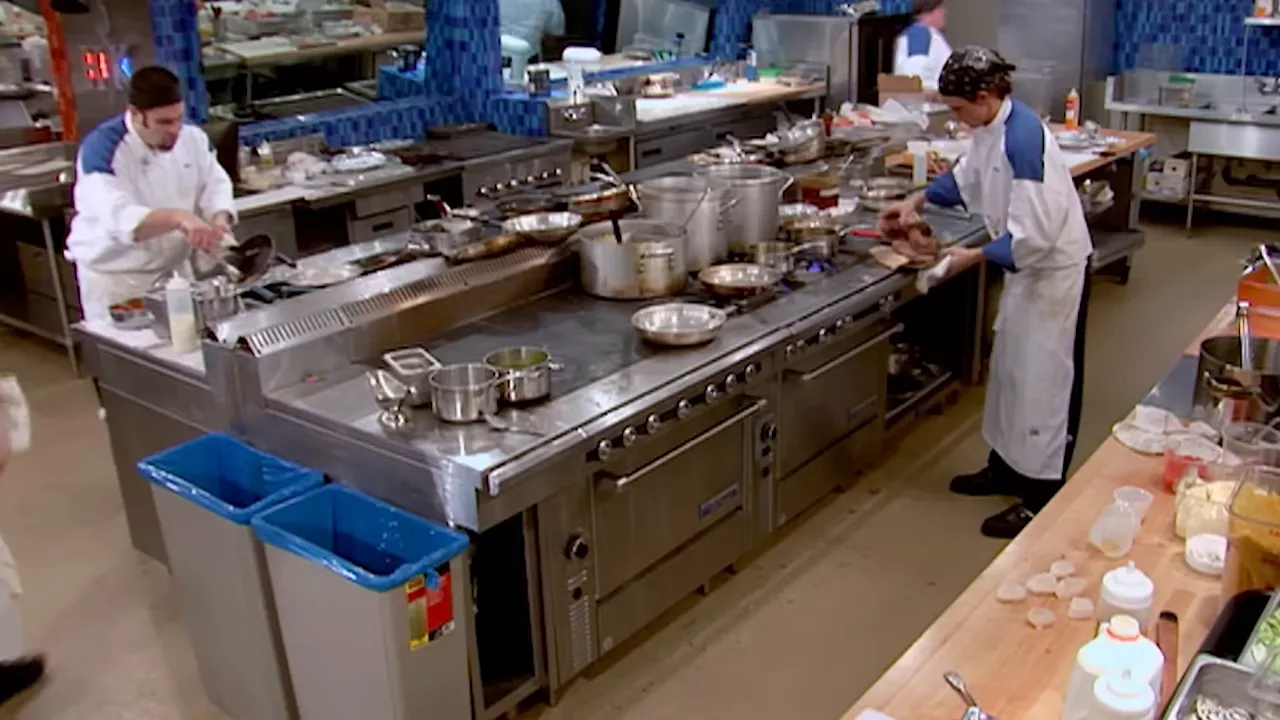
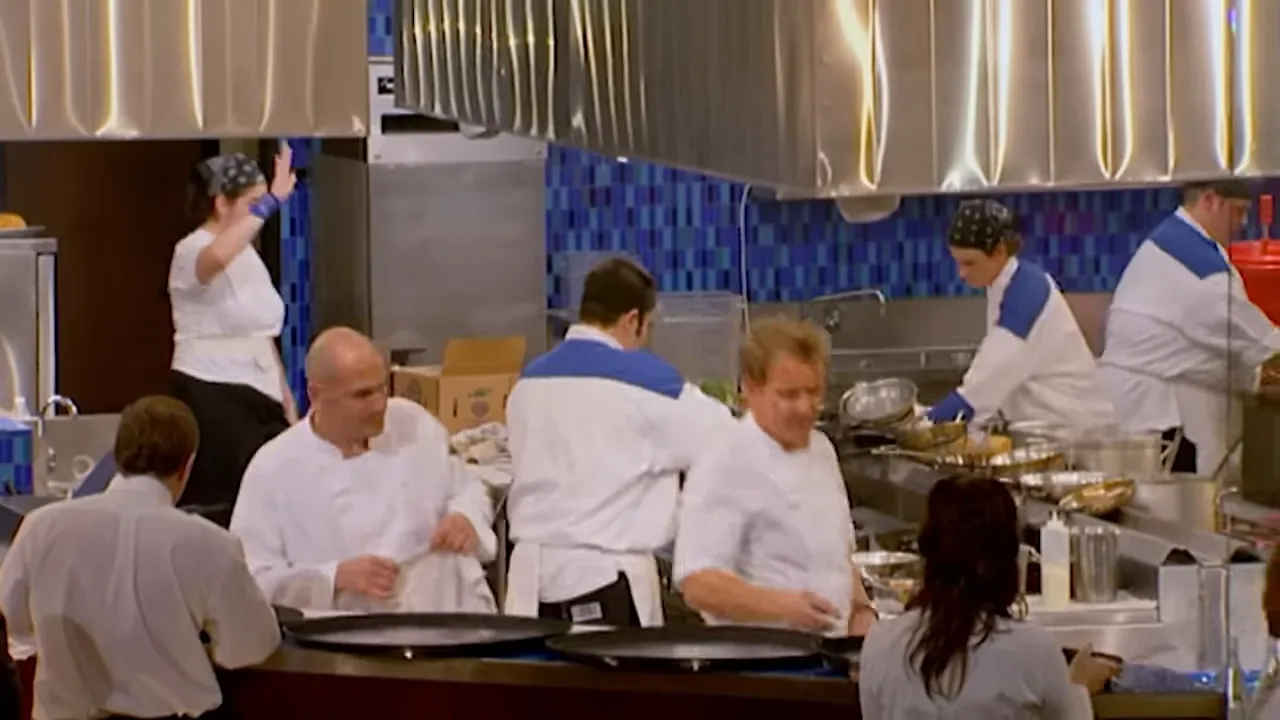
Dinner service separates confident teamwork from disorganization. On the winning side, a small group rallied and pushed entrees out with precision. On the other side, miscommunication at the meat station and missing timing caused delays and dry proteins. The chef on duty emphasizes that timing, clear communication, and calm are as essential as knife skills.
- Hot apps require speed and portion control.
- Meat stations demand clear countdowns and reheating plans.
- VIP tables raise the stakes and force the team to focus on consistency.
What Went Wrong and What Worked
Team breakdowns usually come down to three things: lack of communication, one person trying to lead without clarity, and a failure to ask for help when needed. Conversely, the most successful station showed teamwork, cross help, and confident tasting to hit perfect cooks on lamb and fish.
Key takeaways
- Speak up early when timing or doneness is uncertain.
- Support your teammates by stepping in when a station is backed up.
- Trust taste and use it to correct dishes before they leave the pass.
Practical Tips for Home Cooks
Even the drama from a professional kitchen offers friendly lessons for the home cook. For readers who enjoy cooking, easy recipes these tips will help improve confidence and results in any home service.
- Taste as you go and keep notes on seasoning adjustments so repeatable dishes are easier to manage.
- Label and time proteins and reheating steps so nothing sits too long.
- Ask for help when a task becomes overwhelming. Kitchens work best when people pitch in.
- Practice blind tasting with simple ingredients to build a sharper palate for herbs, roots, and textures.
For anyone who loves cooking, easy recipes, practicing small sensory challenges can be a playful way to improve everyday meals. Try tasting blindfolded to distinguish between similar spices or different cuts of meat to sharpen perception.
Expert Notes and Frequently Asked Questions
How can someone improve their palate quickly?
Practice identifying a short list of ingredients each week. Smell and taste herbs and aromatics paired with notes in a small journal. Pair this habit with simple cooking, easy recipes to test seasoning adjustments you make.
What is the best way to handle a backed up station?
Communicate a clear timeline, ask for one helper, and focus on finishing the current plates before starting new prep. Keep hot pans moving to avoid dry proteins.
Is tasting under pressure different from home tasting?
Yes. Stress can dull the senses. The trick is to remain slightly nervous but focused. That balance helps most cooks perform at their best.
Parting Thoughts
This episode is a cheerful reminder that culinary success is a mix of taste, teamwork, and timing. For anyone inspired to try their hand at refining flavor, a few minutes of blind tasting and a week of intentional cooking, easy recipes practice can make a measurable difference. Keep it fun, keep it tasty, and remember that confident cooks are happy cooks.
This article was created from the video The Ultimate Blind Taste Test! | Hell's Kitchen Season 5 - Episode 8 | Full Episode with the help of AI.
The Ultimate Blind Taste Test! | Hell's Kitchen Season 5 - Episode 8 | cooking, easy recipes. There are any The Ultimate Blind Taste Test! | Hell's Kitchen Season 5 - Episode 8 | cooking, easy recipes in here.

