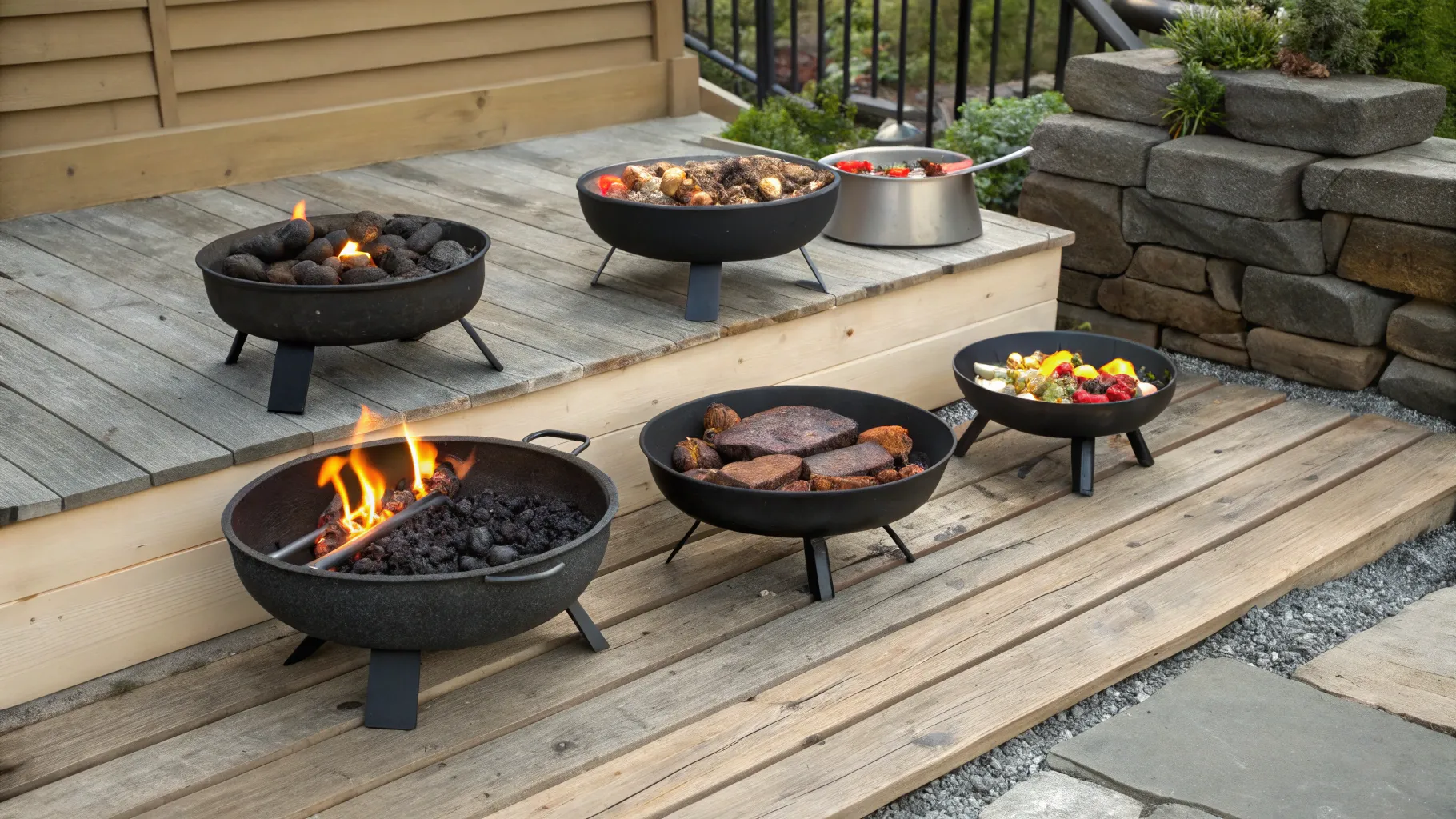
In a cheerful, hands-on rundown from America's Test Kitchen, testers dug into eight fire pits to figure out what really matters when turning a backyard fire into a cooking station. Whether readers are after weekend sizzle or full-on outdoor dinner parties, this guide distills the key lessons from the tests so home cooks can make confident choices about cooking, recipes, bon apetit and open-fire gear.
Why pit size and capacity make cooking easier
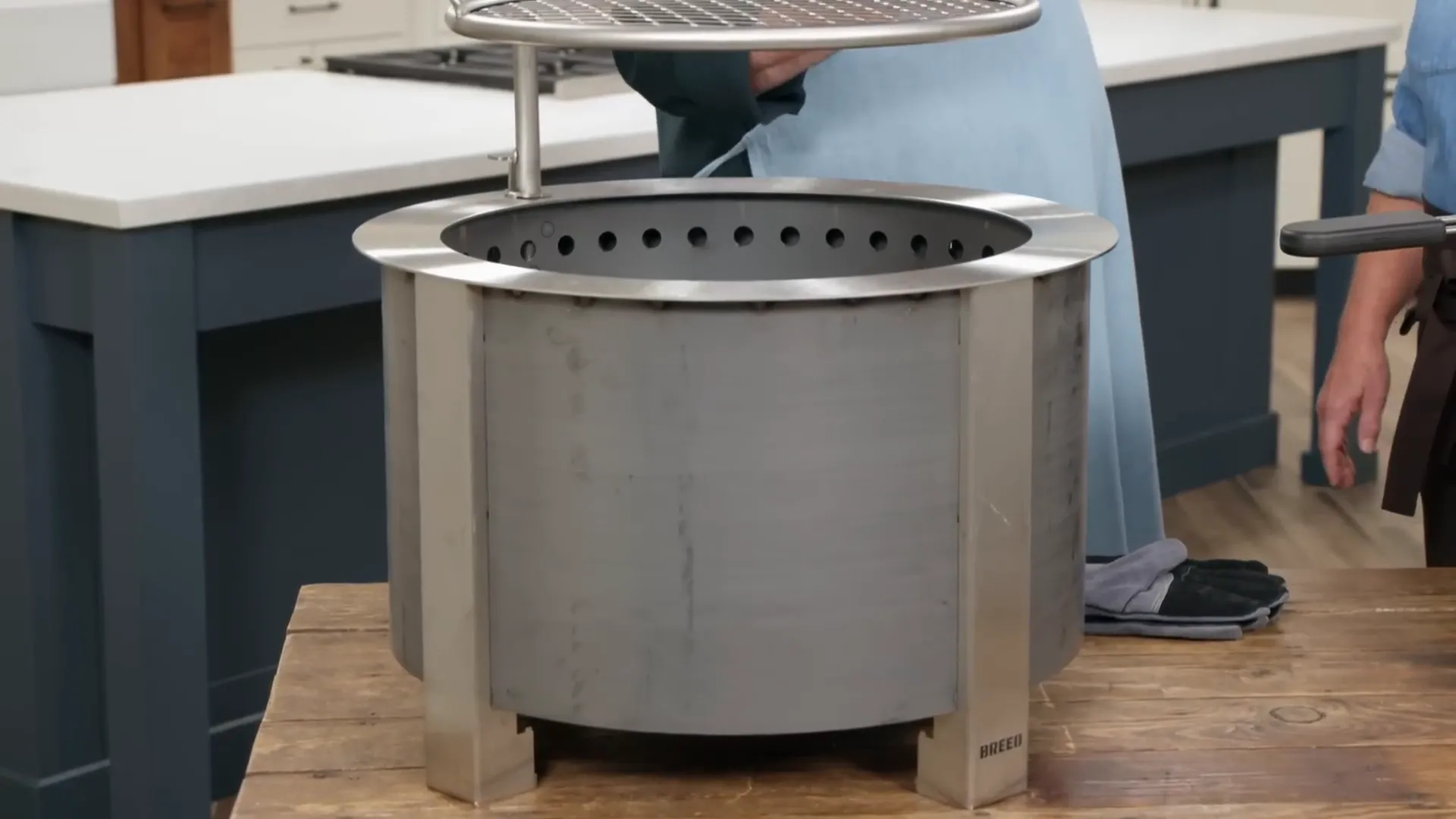
Not all fire pits are created equal. Testers discovered that the diameter and depth of the bowl dramatically affect how easy it is to build a stable bed of coals, control temperature, and fit logs so heat is usable for cooking. The smallest pit in the group measured 16.5 inches across and proved finicky: logs sat almost vertical, the fire was hard to stabilize, and cooks had to feed a lot more wood to reach a cooking temperature.
By contrast, a middle-ground pit around 23 inches hit a sweet spot. Logs could be arranged diagonally, the team could maintain temperature more easily, and it was even possible to set up a dual-zone (hot and medium) cooking surface for searing and gentle finishing.
- Small (≈16.5"): difficult to control, needs lots of wood
- Mid-size (≈23"): easier to build stable fire, can create dual zones
- Large: most forgiving for multitasking and larger gatherings
Grate surface area and design: avoid the "drop zone"
Grate size varied widely across the tested models, from about 201 to 572 square inches. Testers recommended aiming for at least 225 square inches of cooking area for practical meal prep—enough room for a couple of steaks, veggies, and sides without constant juggling.
The shape of the grate bars matters, too. Straight bars with wide spacing create what testers jokingly called a "drop zone": thin vegetables and delicate foods—think asparagus and sliced peppers—can fall through. Cross-hatch or tighter-bar patterns keep foods in place and make grilling small items far less nerve-wracking.
"Say adios to your asparagus, your strips of bell pepper. Things fall through."
Durability was tested as well: the team set a heavy cast-iron Dutch oven (more than 13 pounds empty) on the grates to see which setups felt rock-solid and which felt like they might slide into the fire. Solid, sturdy grates are non-negotiable if a tester’s Dutch oven is in play.
Adjustability: height and lateral movement for temperature control
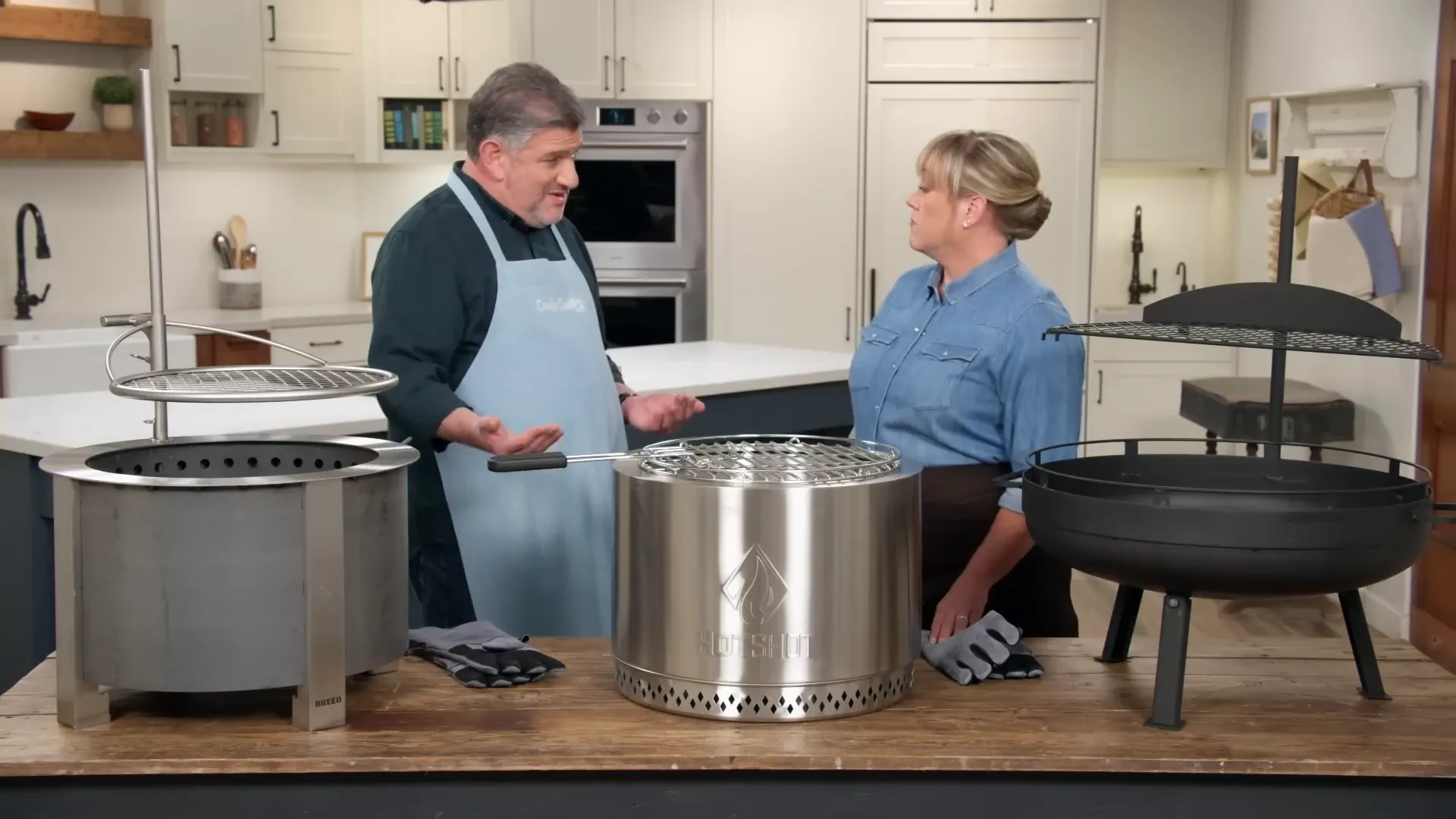
One of the biggest practical differences between models was how easily the grate could be adjusted. Some grates simply lay across the top and had to be lifted off to change height—awkward and unsafe when embers are hot. Others offered turn-knob systems that let cooks raise, lower, or swing the grate laterally to access the fire without wrestling heavy metal.
Being able to bring the food closer to the heat as coals die down, or pull it back while stoking, gives much more control over cooking. Testers also recommended wearing a heavy-duty grill glove when making adjustments—the metal gets scorching fast.
Smokeless claims: what's realistic
Some pits market themselves as "smokeless." Testers found that's an overstatement. In real use, a few models did reduce smoke noticeably, which can be worth the premium for neighbors or small patios—but none were truly smoke-free. Think "smoke-reducing" rather than "smokeless" when weighing whether to splurge.
Testers' top picks
- Overall recommendation: Brio X19 Smokeless Fire Pit with grilling bundle — approximately $720. Testers praised its ideal size, effective smoke-reduction, and an easily adjustable grate.
- Best buy (value + portability): Barebones Cowboy Fire Pit Grill — approximately $390. Lighter and easier to move, a great option for cooks who want a practical grilling pit without the higher price tag; not smokeless but solid performance.
Practical takeaways for buying and cooking
- Choose a pit with adequate space—around 23 inches or more makes cooking and temperature control easier.
- Look for at least 225 square inches of grate area; more is better for group cooking.
- Prefer cross-hatch or closely spaced bars to avoid dropping small or thin foods.
- Pick a grate that adjusts in height and laterally for better heat control; a knob mechanism is handy.
- If smoke matters, expect smoke-reducing—not smoke-free—performance from premium models.
- Always use a heavy grill glove when adjusting grates or handling hot equipment.
Cooking outside over a fire pit is an absolute blast when gear helps rather than gets in the way. With the right pit and grate—plus a few safety habits—home cooks can turn open-fire cooking into consistent, delicious results for cooking, recipes, bon apetit.
Final thoughts
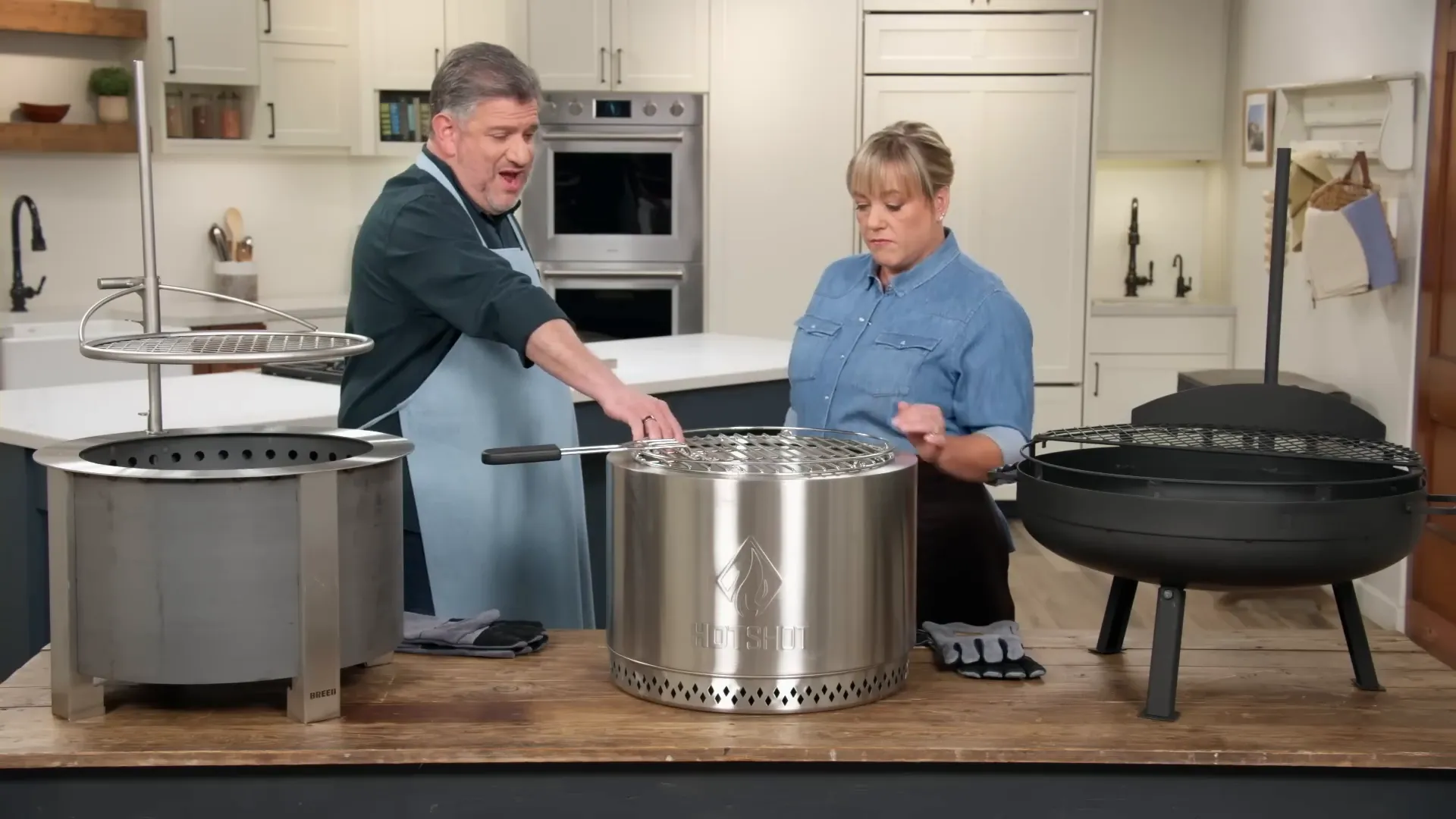
Testers were able to produce great food on any of the pits after practice, but the ones that offered roomy bowls, sturdy grates, and simple adjustability made the whole process more fun and less fiddly. For anyone eager to bring smoky, satisfying flavors to backyard meals, focusing on size, grate design, and realistic smoke expectations will go a long way toward success—and more smiles around the fire.
This article was created from the video What Matters Most in an Open-Fire Cooking Grill: Size, Space, and Smoke | America's Test Kitchen with the help of AI.
What Matters Most in an Open-Fire Cooking Grill: Size, Space, and Smoke — cooking, recipes, bon apetit. There are any What Matters Most in an Open-Fire Cooking Grill: Size, Space, and Smoke — cooking, recipes, bon apetit in here.

