This cheerful guide gathers practical kitchen tips that make everyday cooking simpler and more satisfying. Whether the goal is better knife skills, brighter dressings, perfectly cooked steak, or smarter pantry habits, these concise techniques help home cooks bring professional touches to everyday meals. Use this post as a quick reference for cooking, recipes, bon apetit style results in your own kitchen.
Knife Basics and Cutting Techniques
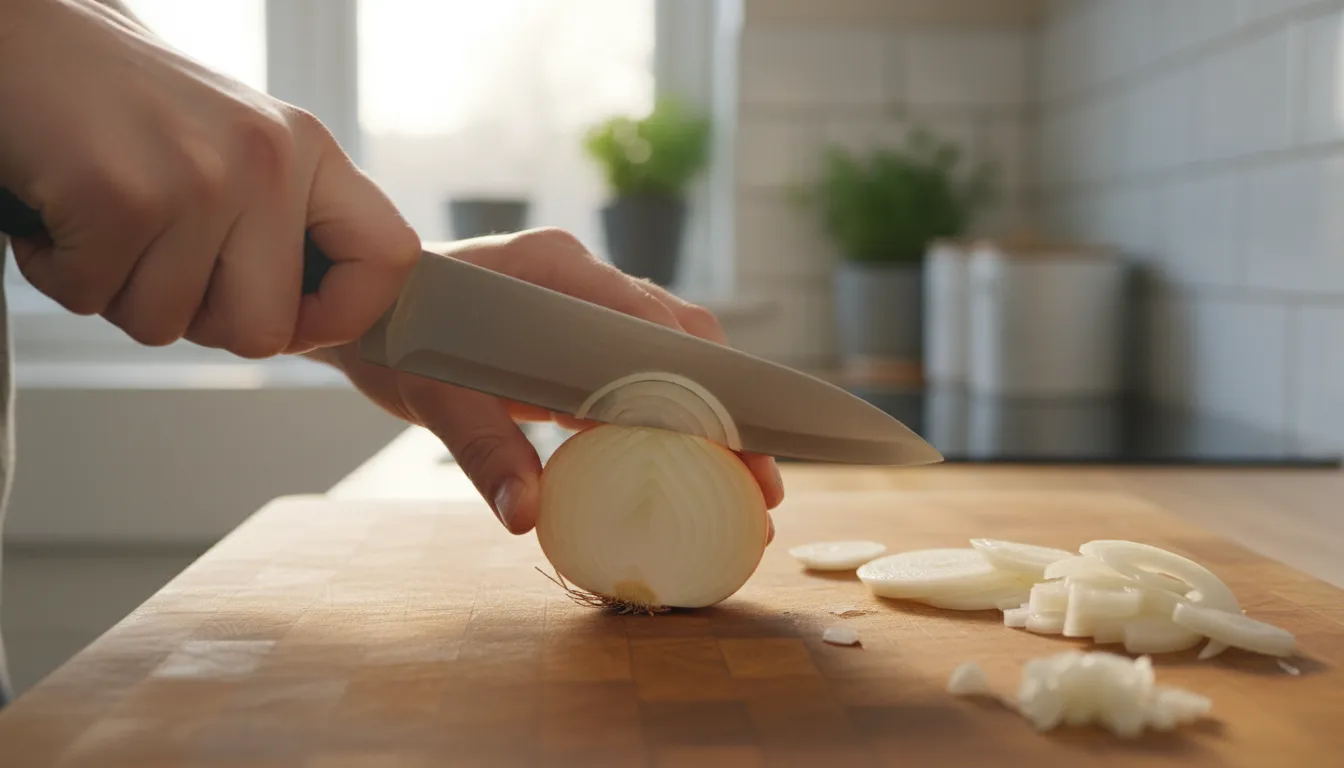
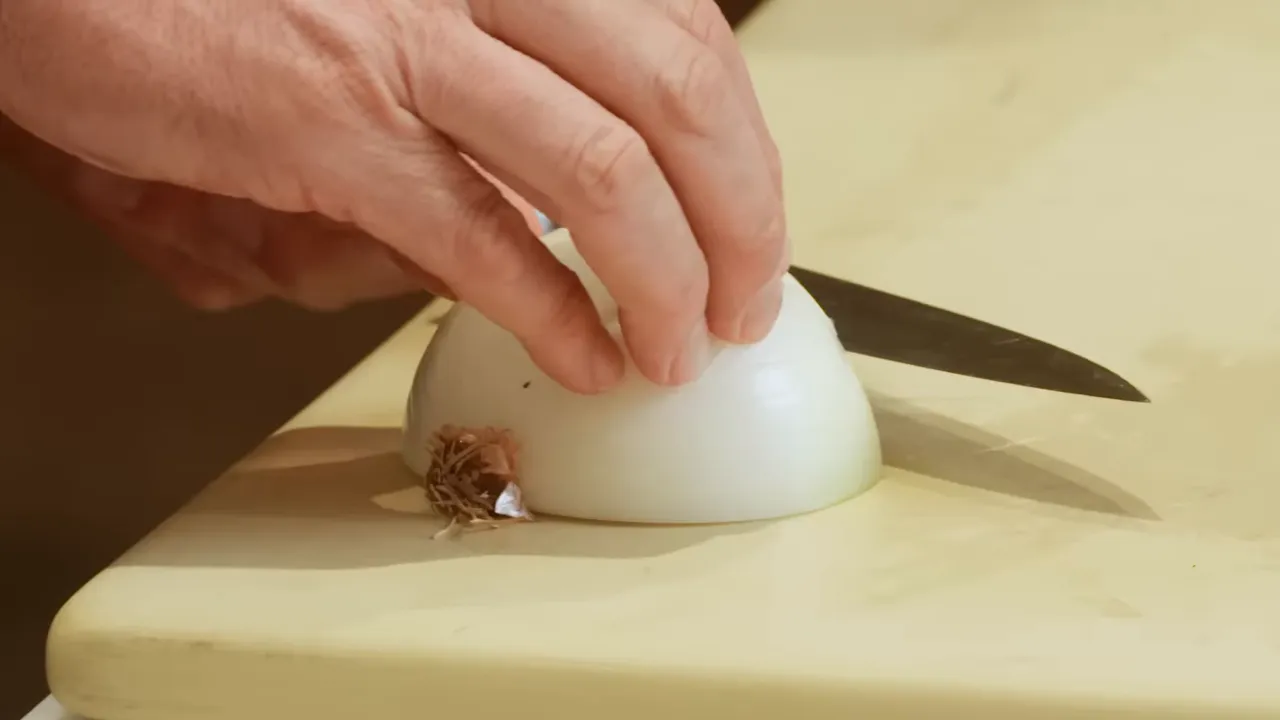
Sharp knives are the single most helpful upgrade to a home kitchen. A blunt blade squashes produce and releases more of the compounds that make eyes water. Leave the root on onions to make cutting safer and steadier. Start by creating a flat side so the onion sits still. For slicing, pull the knife straight through from top to bottom. For dicing, cut long thin strips then make perpendicular cuts toward the root and turn to finish the dice.
Common chef cuts explained:
- Julienne - very thin slices, then cut into fine strips for stir fries or salads.
- Baton - thicker sticks, great for roasted vegetables or crudites.
- Brunoise or fine mince - return the baton to the board and chop finely until the vegetable nearly disappears in the dish.
Speed follows practice. Start slow, focus on consistent shapes, and the time savings will come with confidence.
Quick Tools That Make Life Easier
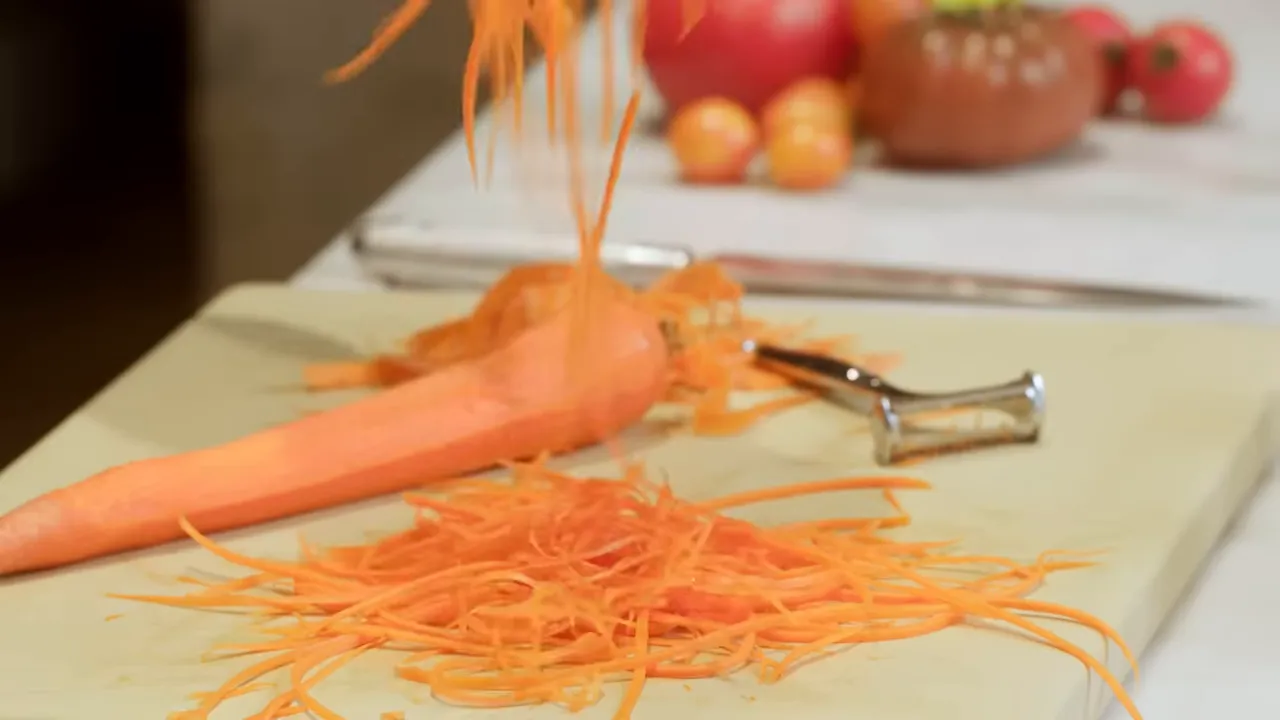
A simple peeler with a julienne side transforms a carrot into thin ribbons for salads or as a gluten free noodle substitute.
Cleaning as you go is about containers and two towels: one damp and one dry. Fold towels neatly so they last longer during a busy session. Labeling and dating fridge containers keeps mise en place tidy and reduces waste. Use similar sized containers and dedicate zones for sauces, juices, and prepared items so everything is easy to find.
Dressings, Zest, and Balancing Flavors
A reliable vinaigrette is an emulsion of acid and fat. Start with the acid, add flavorings like Dijon, shallots, honey, or herbs, then whisk while streaming in oil. Aim for roughly one part vinegar to three or four parts oil for a balanced vinaigrette. Always taste the dressing on a leaf so the seasoning reads the same as it will on the salad.
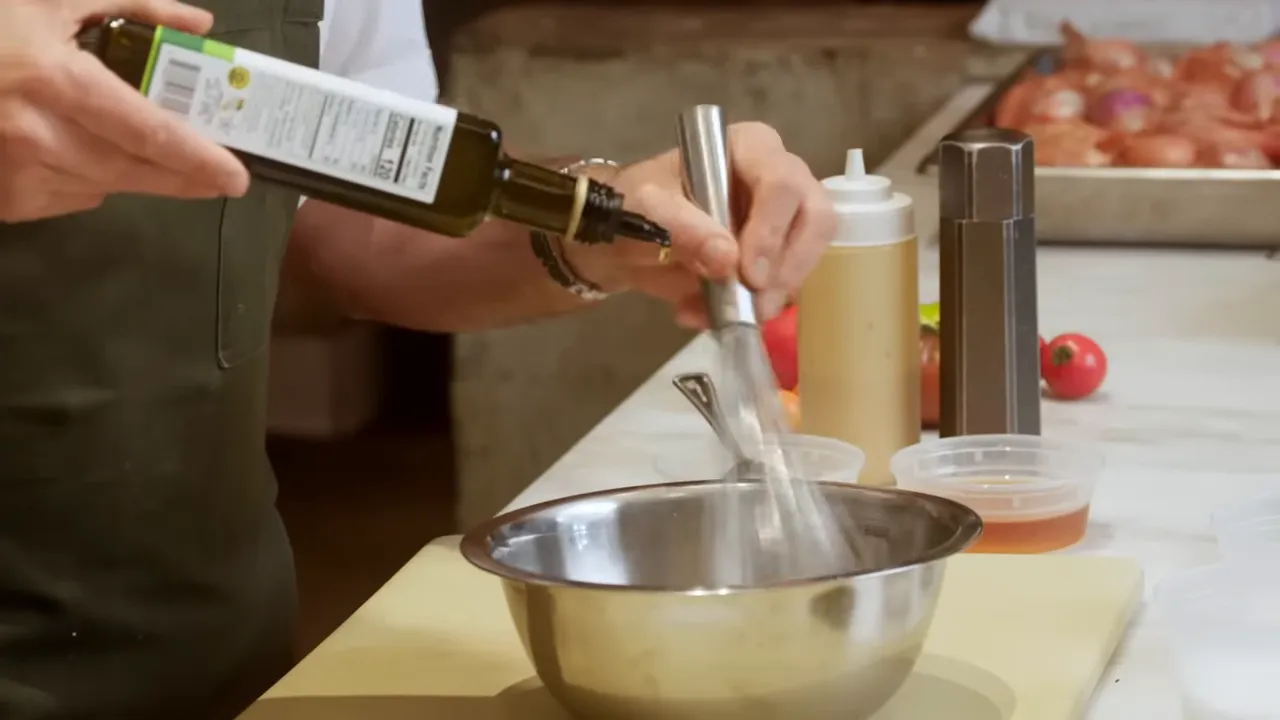
"Force them to be friends" when combining acid and oil to make a smooth, creamy dressing.
Use a zester to collect pure citrus oil from the skin and avoid the bitter pith. That bright, aromatic zest will lift many cooking, recipes, bon apetit worthy dishes.
Seafood and Shellfish Tips
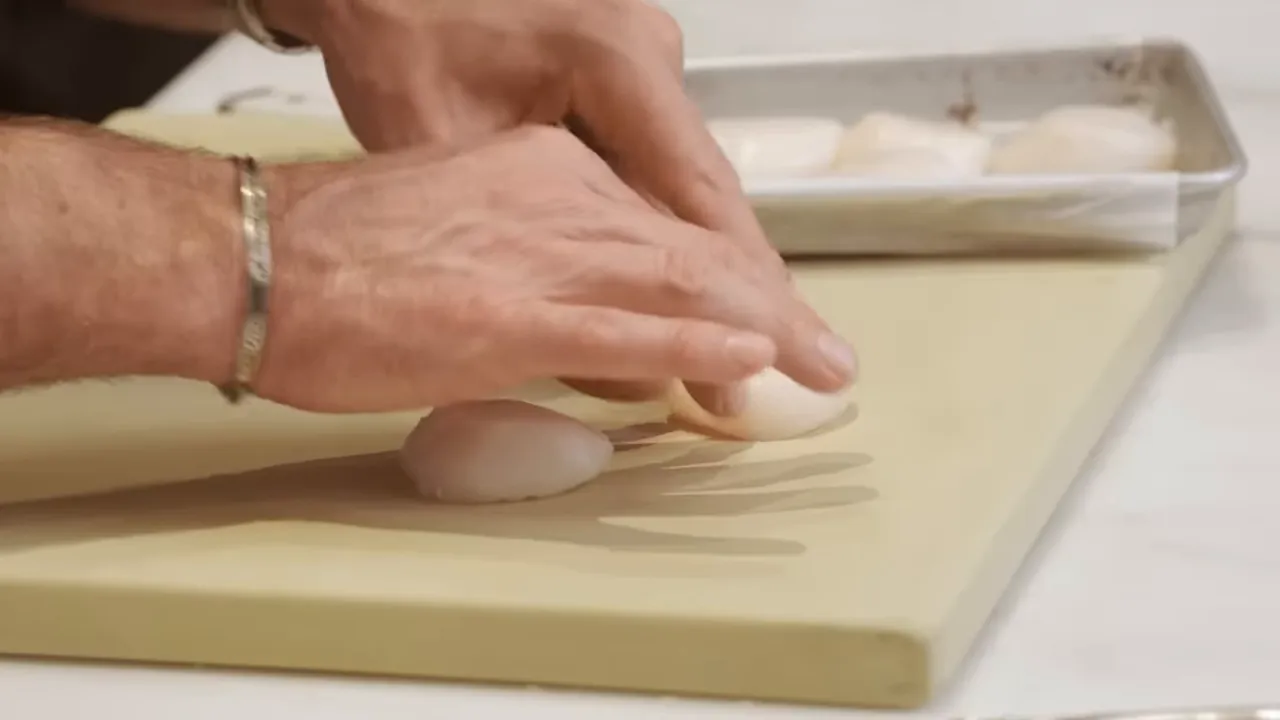
For oysters, use an oyster knife and a towel to stabilize the shell. Wiggle the knife into the hinge, give a small pop, and sever the muscle cleanly so the oyster remains whole and tender. Scallops should smell sweet not fishy. Identify the service side and sear it first to get a golden crust. Turn scallops only once for best texture and presentation.
Working with Meat: Choosing, Aging, and Cooking Steak
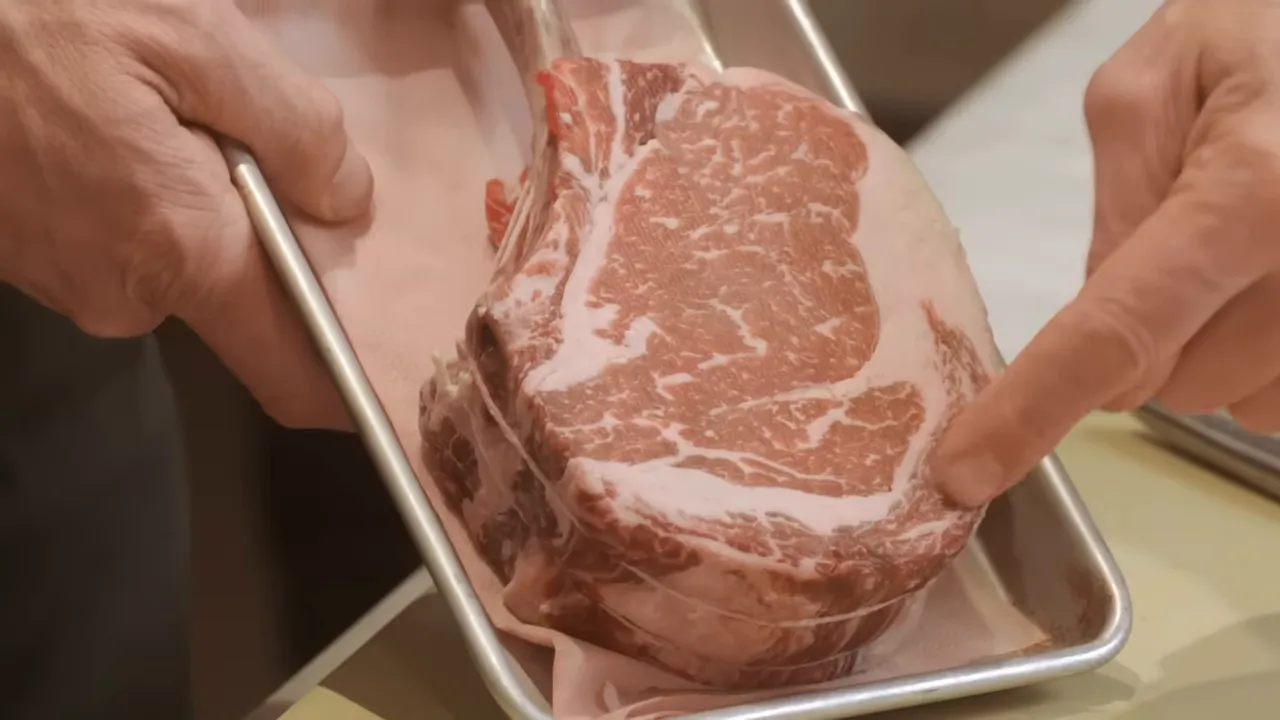
Look for a rib eye with two distinct muscles and good marbling. Dry aged cuts show a darker exterior and concentrated flavor while wet aged cuts retain more moisture. Temper steaks by bringing them out of the fridge about an hour before cooking so the heat cooks evenly. Season generously with kosher salt but wait to add pepper until after cooking to avoid burnt pepper flavor on high heat.
Try a gentle, staged grilling method: sear for about 60 seconds per side, rest on a rack for five minutes, then repeat. This intermittent resting allows juices to redistribute and produces a consistent pink center without a grey ring.
Dairy, Fats, and Truffle Care
Different butters serve different purposes. Regular butter is great for everyday cooking while cultured butter offers deeper, tangier flavor for finishing bread or special dishes. Use butter for lower heat cooking and reserve neutral or higher smoke point fats for searing. Animal fats like duck fat and beef tallow impart rich, complementary flavors to the meats they match. Duck fat makes roast potatoes exceptional.
Store truffles wrapped individually in paper towel and replace the towel daily. Alternatively keep truffles with rice or eggs to gently infuse aroma into those ingredients.
Vegetables and Herbs: Use Every Part
Fennel can be used head to toe: thinly slice the bulb for texture, use fronds like dill, and simmer stalks into stock. Artichokes should be trimmed, de-leafed, and plunged into acidulated water to prevent browning before cooking. Leeks hide sand; slice and fan the layers under running water to wash grit away. Fresh herbs stay usable longer when misted, wrapped in paper towel, and stored rolled up in the fridge.
Final Thoughts for Everyday Mastery
Small, consistent habits transform home cooking. Keep knives sharp, organize the fridge, balance fat and acid in dressings, and use the right fat for the right job. These tips make cooking, recipes, bon apetit standard results achievable for anyone with a willingness to practice and a happy pantry.
This article was created from the video 67 Kitchen Tips With Chef Curtis Stone | Bon Appétit with the help of AI.
Essential Kitchen Tips for Confident Cooking, Recipes, Bon Appetit Home Cooks. There are any Essential Kitchen Tips for Confident Cooking, Recipes, Bon Appetit Home Cooks in here.

