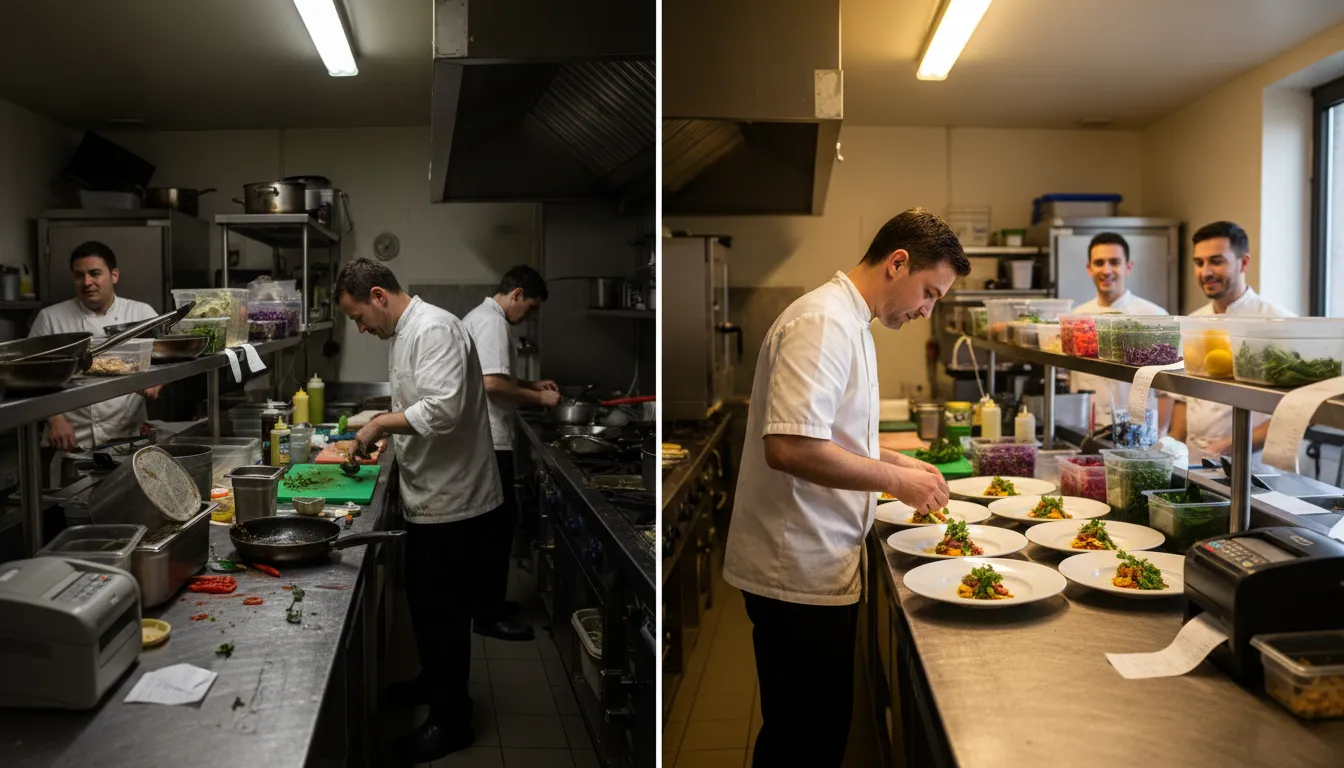
Small restaurants often dream big while juggling the day to day of cooking, easy recipes, staff, and customer service. This guide pulls together practical, upbeat lessons for owners who want to keep passion alive while building a reliable operation that makes money and delights guests.
Why kitchens spiral and how to spot it early
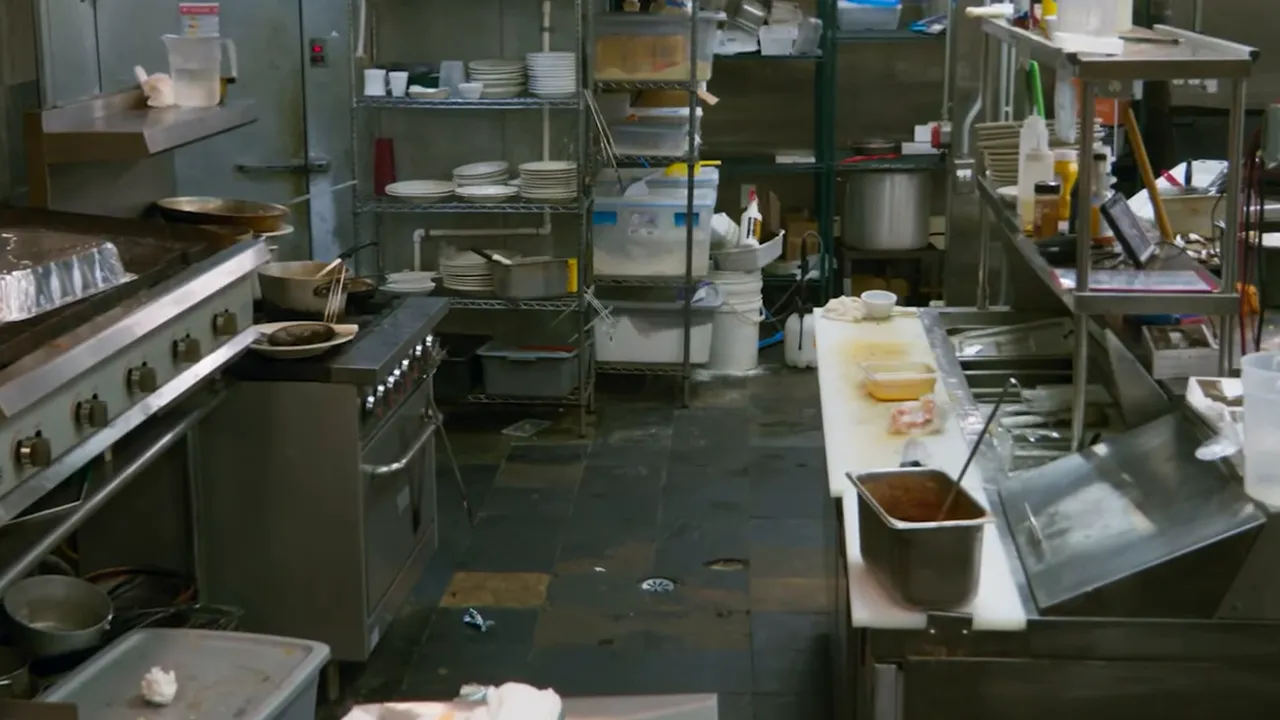
Long ticket times, inconsistent food quality, and a messy kitchen are warning lights. One blunt observation sums it up: "Get your restaurant clean because it is a disgusting mess back there." Cleanliness is the first and simplest fix. If the engine room fails, everything else struggles.
Three immediate fixes to stabilize service
- Simplify the menu — menus with 50 to 100 items overwhelm a small team and a tiny kitchen. A tightly focused menu improves speed and consistency.
- Standardize timing and ticket flow — aim for appetizer waits under 10 minutes and entrees shortly after. Clear prep lists and a trimmed menu reduce chaos.
- Clean and organize daily — a deep clean and a defined closing checklist stop small problems from becoming costly ones.
Visual reminder

A leader stepping into the kitchen in a chef jacket is a powerful signal: accountability matters. Owners who cook alongside staff learn exactly what the team faces and can make fast, practical changes.
Financial fixes that actually move the needle
Debt and runaway food costs kill momentum. Two common examples:
- Untracked food cost — buying the same amount of ingredients for wildly different prices wastes profit.
- High labor with low productivity — inefficient shifts mean higher payroll without better service.

Owners must know headline numbers. When asked about costs, silence is a problem. A quick cost-control plan brings breathing room: reduce menu complexity, track waste, and renegotiate supplier prices.
Leadership and culture: the soft skills that save restaurants
"If you're in, you're in. If you're out, you're out."
That clarity applies to staff and partners. Strong, consistent leadership eliminates confusion. Trust the team but verify results. Teach, test, and then let people run their stations. Micro-managing or absent owners both cause damage.
Quick checklist for owners
- Daily — opening and closing checklists, service huddles.
- Weekly — menu review, inventory spot-checks, staff training.
- Monthly — profit and loss review, supplier audit, menu engineering.
Practical tips for kitchens that want to thrive
- Create prepped mise en place so simple dishes become reliably fast.
- Design a lean menu that highlights local flavors and repeatable hits.
- Encourage ownership — give clear responsibilities and celebrate when targets are met.

Restoring a restaurant often means making tough calls: staff changes, menu cuts, and taking hands-on shifts. Those steps are investments in longevity, not punishments.
Make it a habit
Regular effort turns chaos into rhythm. With a clean kitchen, a short, well-tested menu, and leadership that stays present, the business becomes consistent. That consistency is what lets owners return to the joys of cooking, easy recipes, and service that rewards both guests and staff.
Small daily wins add up. Start with one list, one recipe to perfect, and one honest conversation with the team. The next shift will be better than the last.
This article was created from the video Gordon Deals With Kitchen Drama | BRAND NEW Season Kitchen Nightmares Compilation | Gordon Ramsay with the help of AI.
Kitchen Turnaround Tips for Restaurateurs — cooking, easy recipes and running a clean, profitable kitchen. There are any Kitchen Turnaround Tips for Restaurateurs — cooking, easy recipes and running a clean, profitable kitchen in here.

