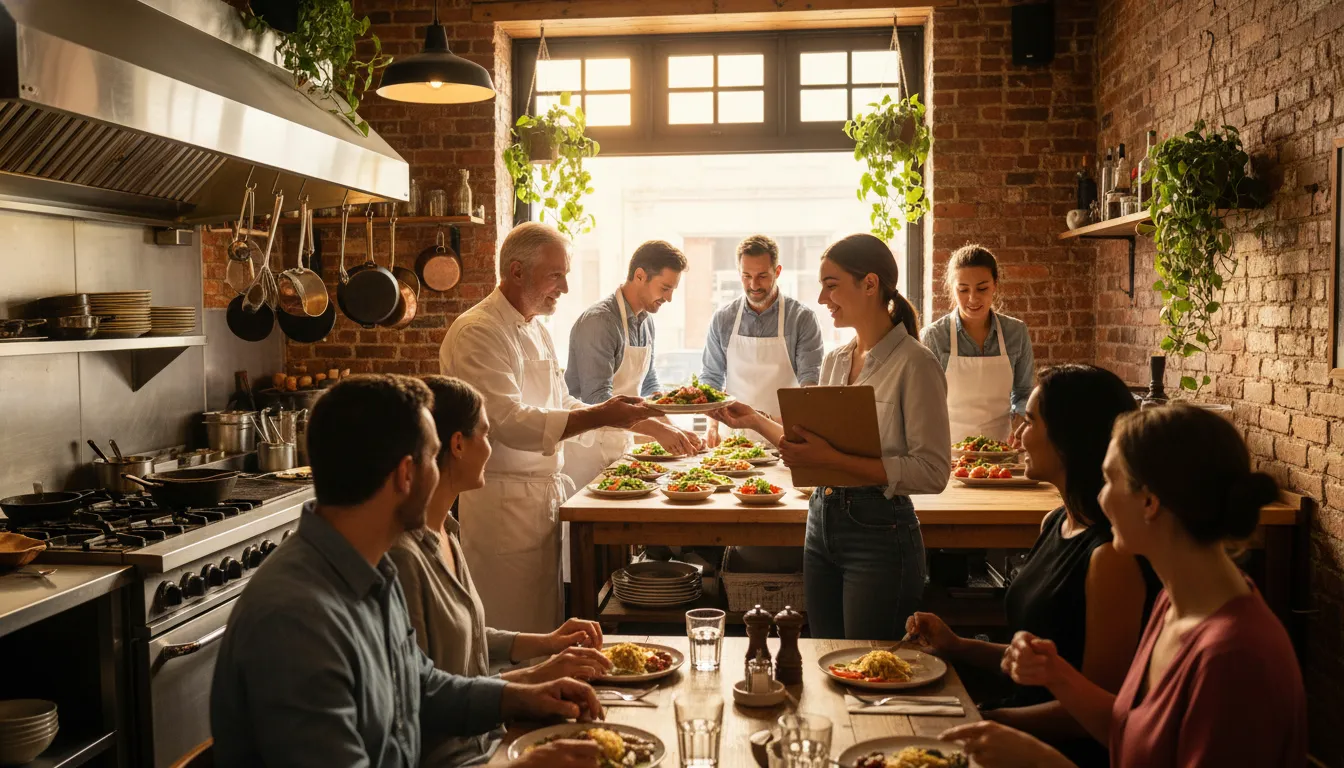
Family-run restaurants thrive on history, recipes, and relationships. When those elements fracture, saving the business depends less on gimmicks and more on practical changes: leadership, menu clarity, and a return to solid cooking, easy recipes that delight guests every time.

Why family kitchens fail (and how to stop the slide)
Many independent restaurants close for the same reasons: unclear ownership, absent management, and no consistent standards. When the people who own the place are at odds, the kitchen suffers. The result is inconsistent food, confused staff, and dwindling customers.
Fixing this starts at the top. Owners and managers need to agree on one clear vision, set measurable standards, and commit to accountability. Small changes produce big wins when they’re focused and sustained.
Three leadership actions that make the biggest difference
- Be present — The owner or general manager must be visible and available during service. Hiding in an office or disappearing when issues arise creates chaos on the floor.
- Create simple systems — Standardize ticket times, prep lists, and closing checklists. A tidy routine reduces mistakes and stress.
- Set nonnegotiable standards — Quality control must be enforced for plating, temps, and ingredient freshness. If a dish fails, stop the line and fix it.
Menu strategy: less is more
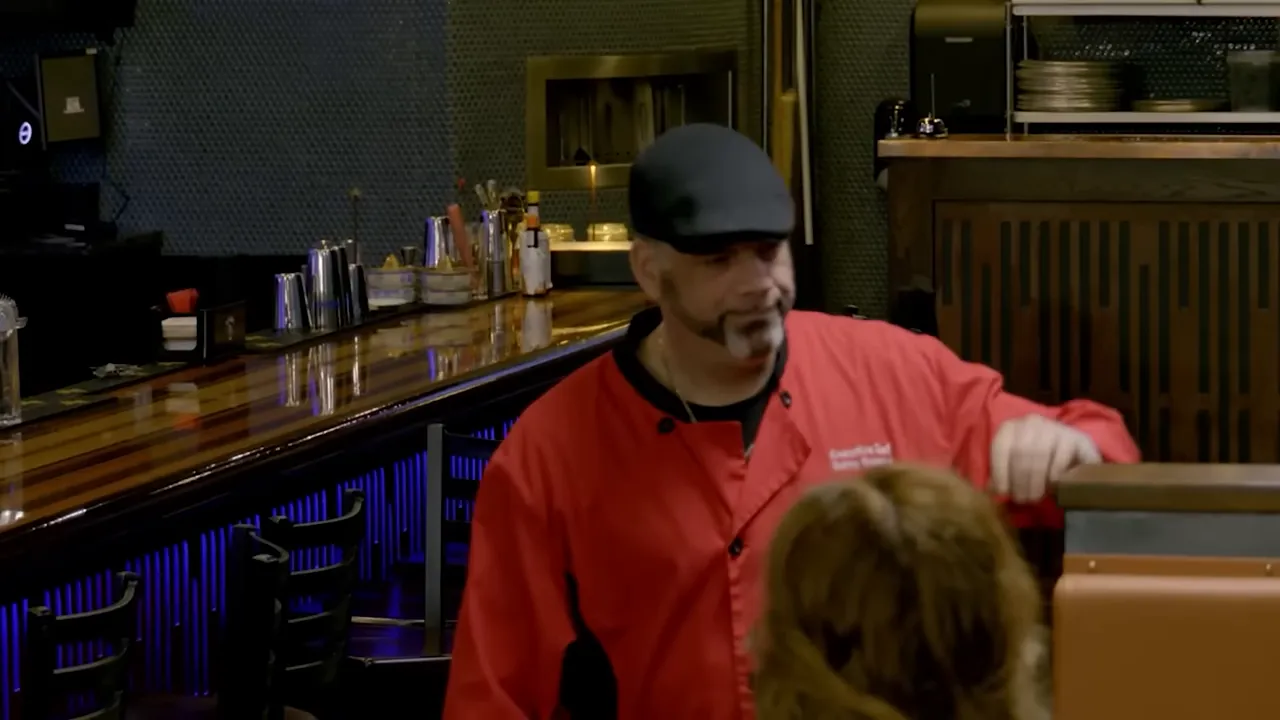
Menus with too many dishes or confusing fusion concepts rarely win. A focused menu built around a handful of strong dishes improves speed, consistency, and profitability. For many family restaurants, the quickest path to recovery is to streamline the menu and double down on cooking, easy recipes that staff can execute perfectly.
How to simplify your menu
- Identify the top 5 dishes that are unique, profitable, and easy to execute.
- Remove or rework items that require long ticket times or special ingredients.
- Create a clear prep schedule so stations are ready before service.
Tip: Train staff on one signature protein, one vegetable side, and a simple starch. Repetition breeds excellence.
Kitchen culture: accountability without fear
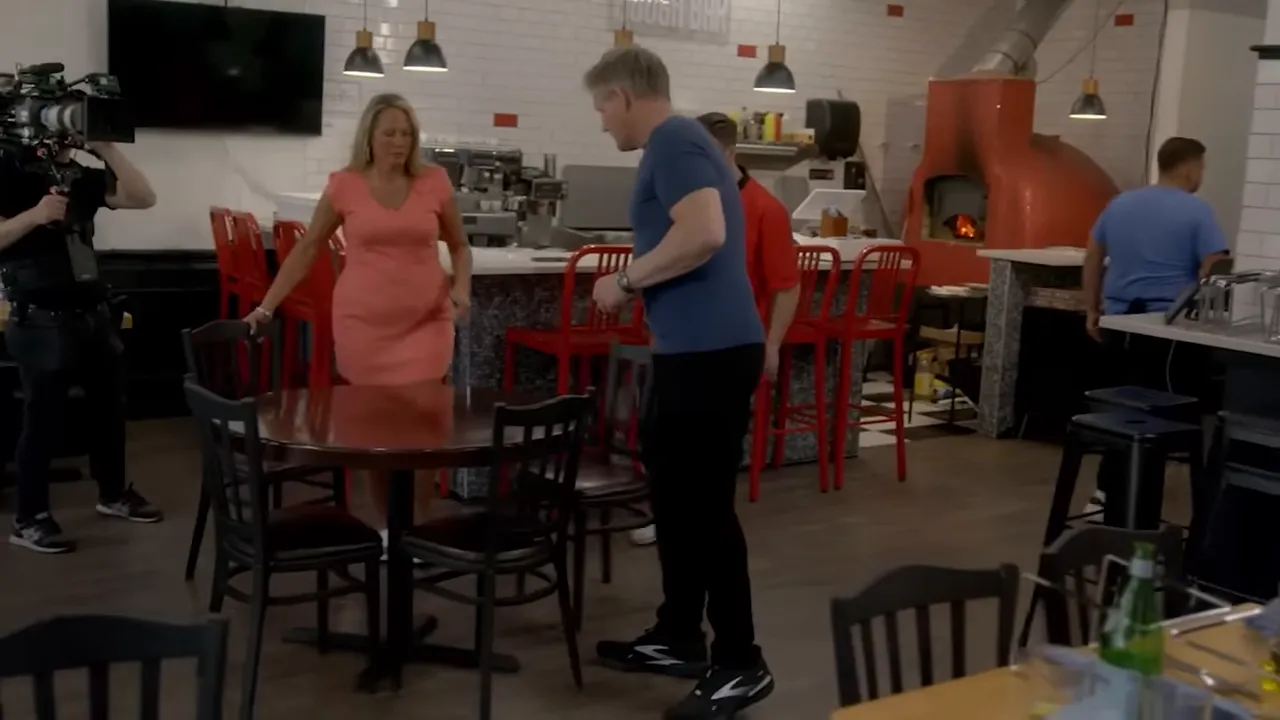
A restaurant recovers faster when teams feel both supported and accountable. Leaders should demonstrate calm authority, provide direct feedback, and coach staff instead of shouting. Accountability includes showing up, doing the prep, and keeping the line clean.
"You need to apologize to Steve."
That small act of responsibility can reset relationships and rebuild trust. Encourage staff to own mistakes and to practice corrections immediately.
Practical training steps
- Daily 10-minute briefings — Run through specials, allergies, and service goals.
- Station checklists — Post prep lists and mise en place expectations where everyone can see them.
- Pairing shifts — Pair newer cooks with experienced cooks for three services to speed up learning.

Bring the passion back to the plate
Technical fixes help, but the soul of a restaurant is the food. Guests return when dishes feel made with care. That doesn’t mean chasing complexity. Instead, pick a few evocative, comforting items and perfect them. For owners who want to win back regulars, focus on cooking, easy recipes that highlight fresh ingredients and consistent technique.
Simple menu ideas to revive a family restaurant
- Rotisserie-style chicken — Roast low and slow; serve with a simple pan sauce.
- Signature burger — One patty size, a house sauce, and a crisp bun. Train the line to hit the same temp every time.
- Daily vegetable — A seasonal side prepared two ways to rotate through the week.
- One dessert — Keep it familiar and easy to plate quickly.
These ideas are effective because they are repeatable. Great execution beats creative inconsistency every single time.
Financial sanity: know the numbers
Owners must understand cash flow, labor costs, and food costs. If debt is overwhelming, prioritize quick wins: reduce waste, renegotiate vendor pricing, and cut low-performing menu items. Transparency with staff about goals helps everyone pull the same direction.
Key metrics to track weekly
- Daily covers and average check
- Food cost percentage
- Labor cost percentage
- Table turnaround time
Ready to make a real change
Turning around a family restaurant is hard work, but the path is clear: strong leadership, simplified menus, consistent standards, and a focus on cooking, easy recipes that staff can nail every night. With commitment and a few strategic changes, history and hospitality can be preserved—and profits restored.
Start small, measure progress, and celebrate improvements. The food will follow, and so will the guests.
This article was created from the video Gordon Is DONE With These Owners | BRAND NEW Season Kitchen Nightmares Compilation | Gordon Ramsay with the help of AI.
Reviving Family Restaurants: Leadership, Systems, and cooking, easy recipes for Real Results. There are any Reviving Family Restaurants: Leadership, Systems, and cooking, easy recipes for Real Results in here.

