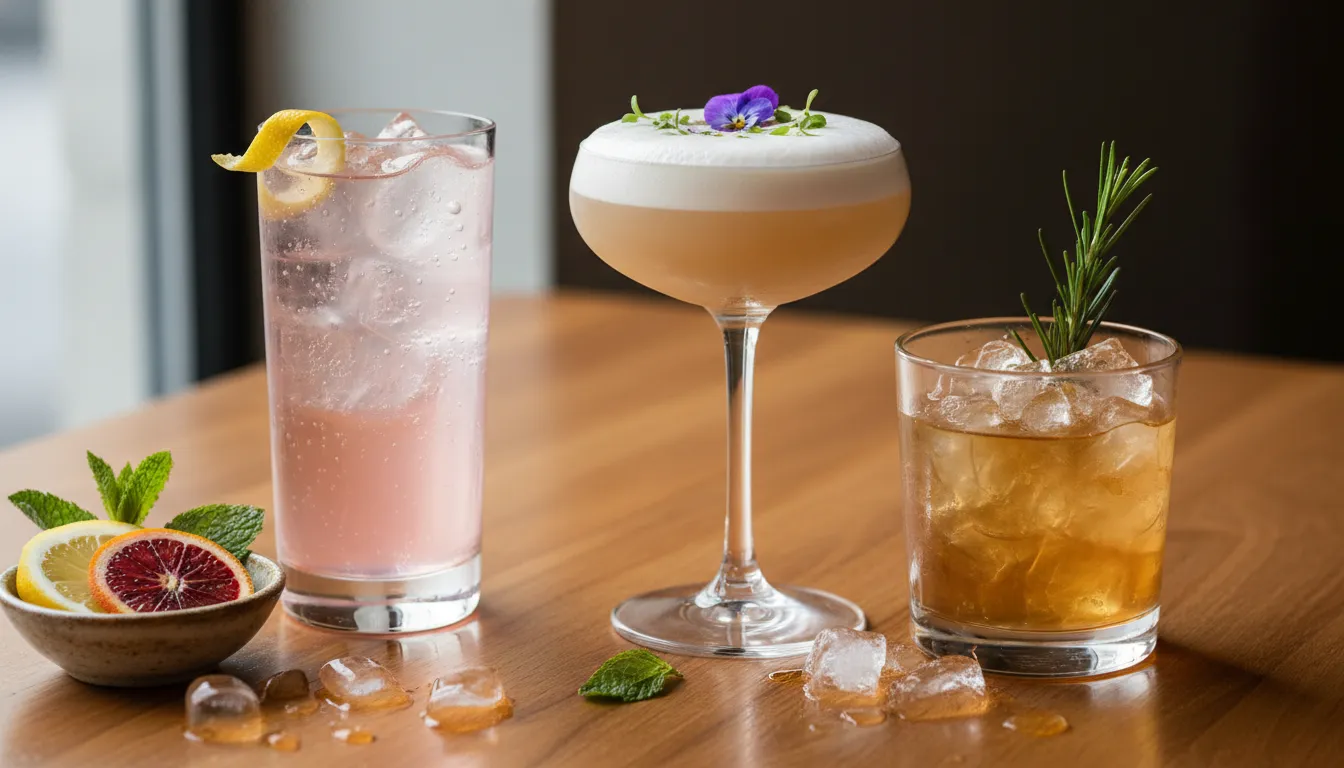
Key takeaways
- Balance matters: great nonalcoholic drinks marry sweet with tart and add bitter or aromatic notes for complexity.
- Texture is flavor: fizz, aeration, crushed ice, and viscosity change mouthfeel and perceived body.
- Simple formula: roughly half fruit juice and half sparkling water, plus something to balance and something for complexity.
- Garnish with purpose: fragrant garnishes amplify aroma and make a drink feel complete.
Many mocktails start as sugary soda-and-syrup drinks, but a better route is practical and delicious. This guide shows how fizz, aeration, texture, and ice turn fruit juice into sophisticated nonalcoholic cocktails that pair well with food and feel grown up. Expect clear recipes, easy swaps, and smart techniques to level up any home bar or kitchen. The approach also fits neatly into modern cooking, recipes, bon apetit sensibilities—simple to execute, impressive to serve.
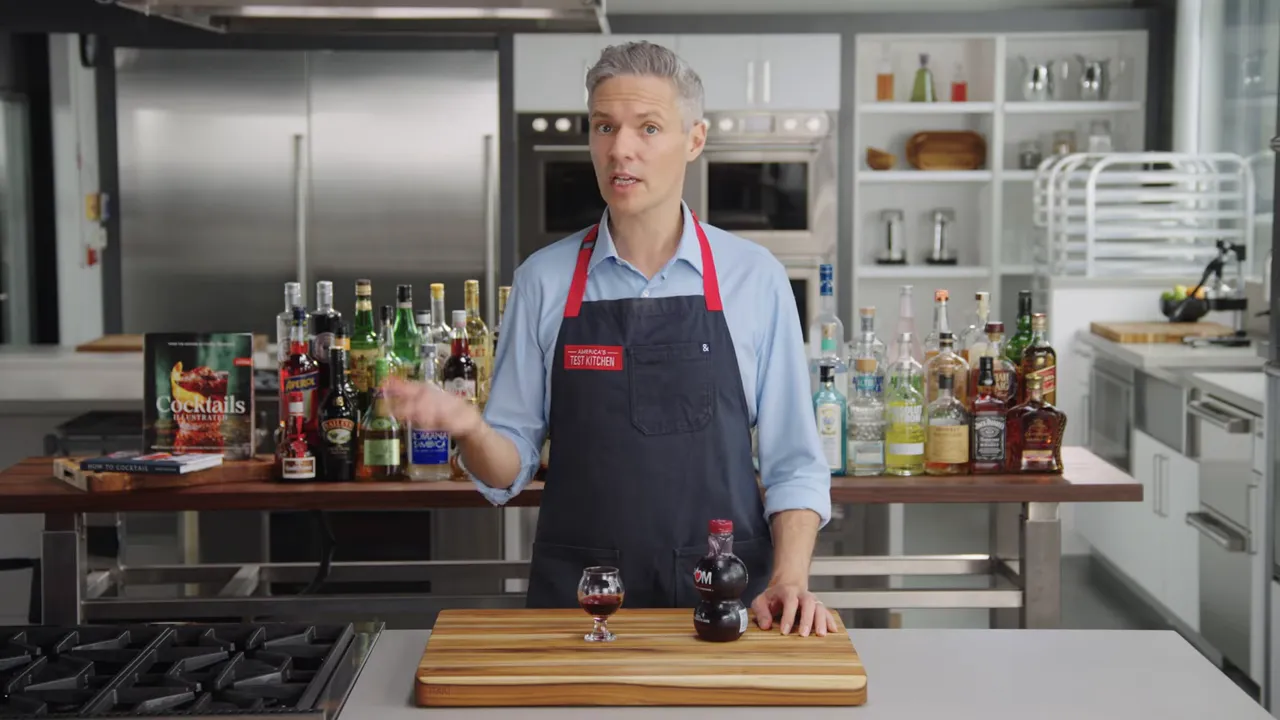
Spritzers: the easiest path to sophistication
A spritzer follows a forgiving formula: roughly half fruit juice, half high-quality seltzer, plus two small supporting players — one to balance and one to add complexity.
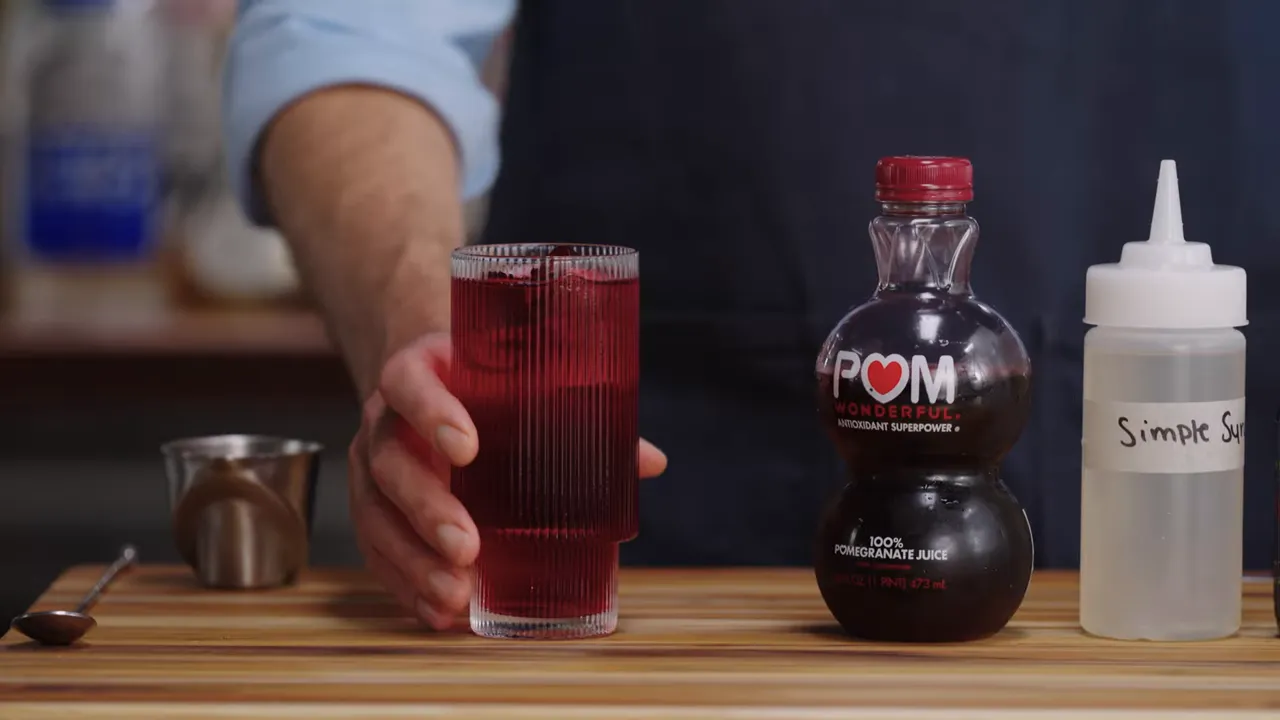
Pomegranate Spritzer (framework)
- 2 1/2 ounces pomegranate juice
- 2 1/2 ounces very fizzy seltzer (Topo Chico or similar)
- 1/4 teaspoon simple syrup (adjust to taste)
- Dash of aromatic bitters
- Ice to chill
Pomegranate juice brings tannins and body, much like red wine. A touch of simple syrup smooths astringency, and bitters add depth. Stir gently to preserve bubbles and enjoy the way carbonation lifts fruit aromatics to the nose. This is a smart mocktail for pairing with richer foods because the tannic bite cleanses the palate.
Fruity meets floral: lychee and rose
Use purees and nectars when you want body without alcohol's weight. Blended lychee strained to a silky puree creates luxurious texture.
Lychee-Rose Spritzer (concept)
- 2.5 ounces lychee puree (blended and strained)
- 1/2 ounce lime juice
- 1/4 teaspoon rose water
- 4 ounces seltzer
- Lychee or citrus for garnish
Lime juice balances sweetness while rose water adds a floral complexity that keeps the drink from tasting one-dimensional. This approach—full-flavored base plus a small aromatic accent—works for many fruit combinations like rosemary-grapefruit or cucumber-dill.
Tropical textures: crushed ice and swizzling
Tropical mocktails can be bright and refreshing or rich and viscous. The secret is choosing the right ice and the right mixing method.
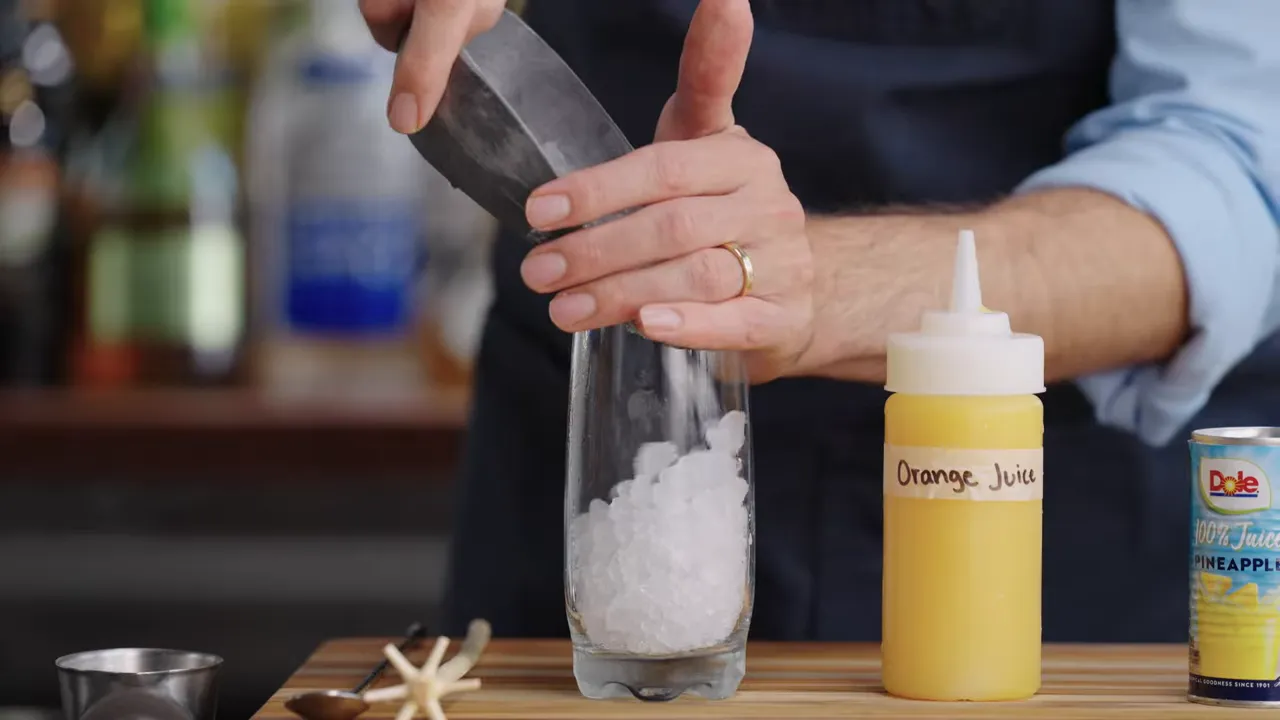
Ombre Sling (bright and fizzy)
- 2.5 ounces fresh orange juice
- 2.5 ounces pineapple juice
- 1/2 ounce lime juice
- Crushed ice to half the glass
- 1/2 ounce grenadine poured over the top
Crushed ice melts faster and gives crunch. Swizzling (or stirring vigorously with a long spoon) aerates and chills quickly, creating a lighter texture. Pour grenadine last to achieve a beautiful ombre and a hint of pomegranate warmth.
Advanced: bespoke syrups and aromatic garnishes
For the highest-impact mocktails, make syrups that carry aromatic ingredients. These syrups boost flavor and can be used in multiple drinks.
Ginger Makrut Syrup (makes enough for several cocktails)
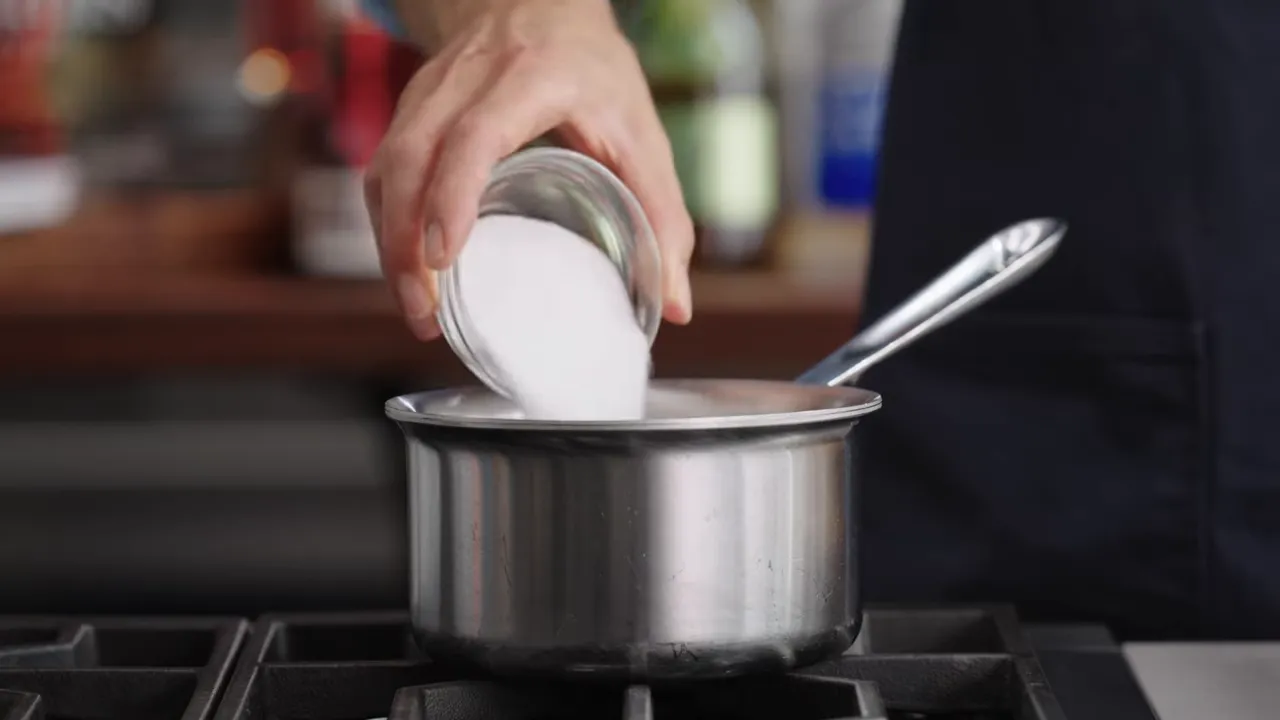
- 6 tablespoons sugar
- 2.5 ounces water
- 2 tablespoons grated fresh ginger
- 12 chopped makrut lime leaves (kaffir lime leaves)
Heat sugar, water, and ginger until sugar dissolves but does not boil. Remove from heat, add chopped lime leaves, cool, and strain. This vivid syrup combines spicy ginger heat with citrus floral top notes and lifts simple seltzer into something memorable.
Pineapple Makrut Buck (signature mocktail)
- 1 ounce ginger-makrut syrup
- 2 ounces pineapple juice
- 3/4 ounce lime juice
- 1 tablespoon cream of coconut (shake the can first)
- Seltzer to top
- Garnish with a lime leaf and pineapple slice
Shake with ice and strain over a chilled highball. The cream of coconut adds tropical richness while the syrup and lime leaf bring aromatic lift. Served this way, a mocktail can deliver a full sensory experience: fragrant, spicy, sweet, and balanced.
Techniques and tips for repeatable success
- Choose aggressive carbonation. Pick seltzers with firm bubbles so they still pop after dilution.
- Adjust sweetness last. Add small amounts of simple syrup or cream of coconut to tame astringency without flattening the drink.
- Mind the ice. Large cubes dilute slowly and preserve strength. Crushed ice chills fast and adds texture.
- Use fragrant garnishes. Press citrus peels or clap herbs to wake up aromatics before serving.
Whether assembling a quick spritzer or crafting a syrup-forward tropical mocktail, the principles remain the same: balance sweet with tart, add texture for interest, and build layers of flavor. These recipes and techniques fit into modern cooking, recipes, bon apetit routines and make it easy to serve drinks that feel as thoughtful as the food they accompany. Try one recipe tonight and then experiment—substitutions are part of the fun. cooking, recipes, bon apetit
For more creative combinations and detailed recipes, scale the ideas above and keep a library of syrups and juices on hand. cooking, recipes, bon apetit
This article was created from the video The Best Mocktail Recipes That Don't Taste Like Juice | The Cocktail Lab | America's Test Kitchen with the help of AI.
The Best Mocktail Recipes That Don’t Taste Like Juice — cooking, recipes, bon apetit. There are any The Best Mocktail Recipes That Don’t Taste Like Juice — cooking, recipes, bon apetit in here.

