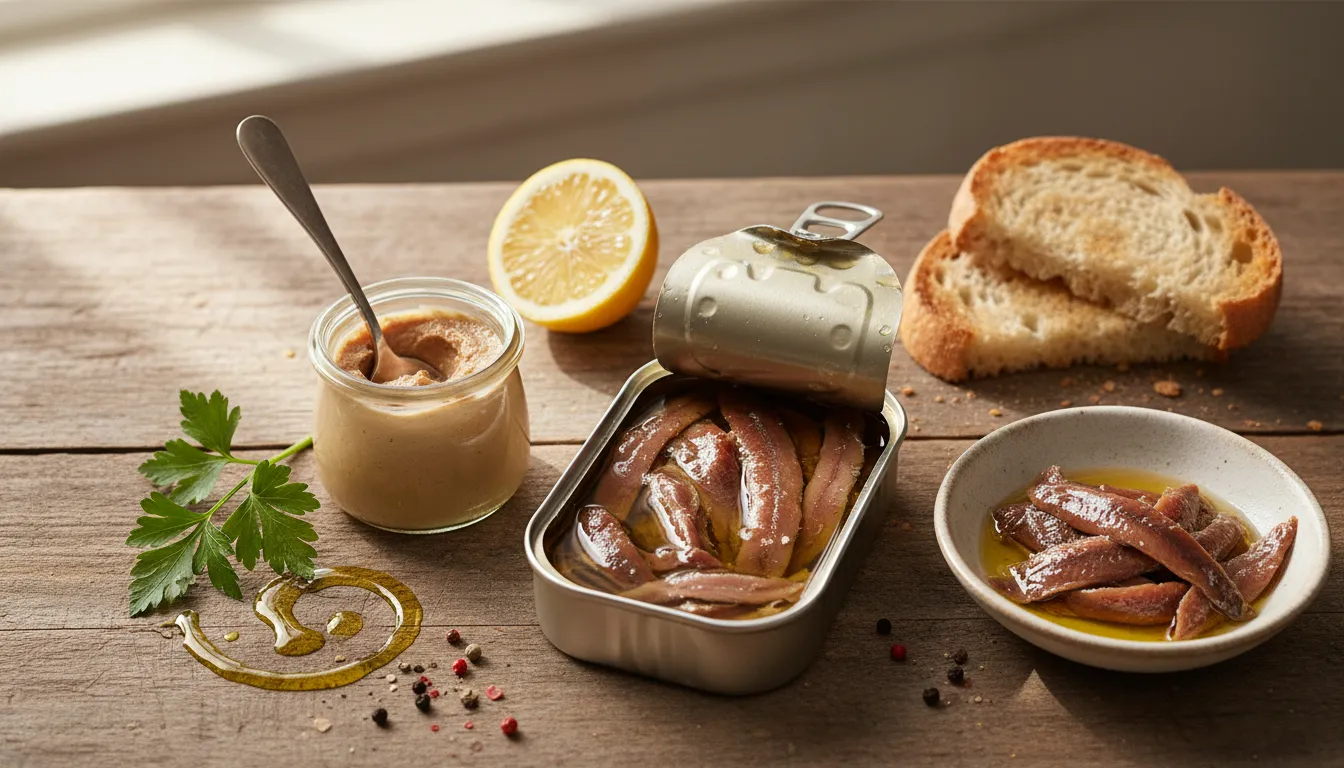
Why a tiny anchovy makes a big difference
A little anchovy goes a long way. In small amounts it injects savory umami that makes sauces, dressings, and simple sautés sing. Choosing the right type or brand matters even when the recipe only calls for one or two fillets. The difference shows up in texture, salt level, and the depth of flavor that carries through a dish.
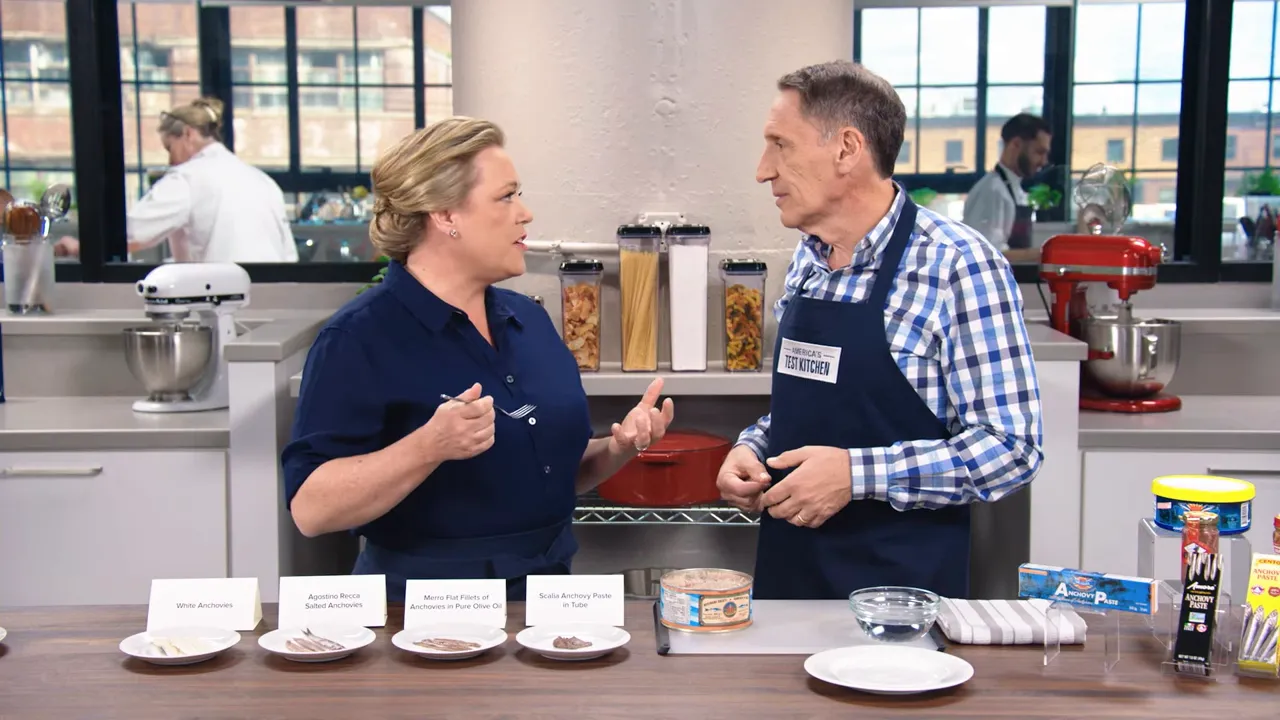
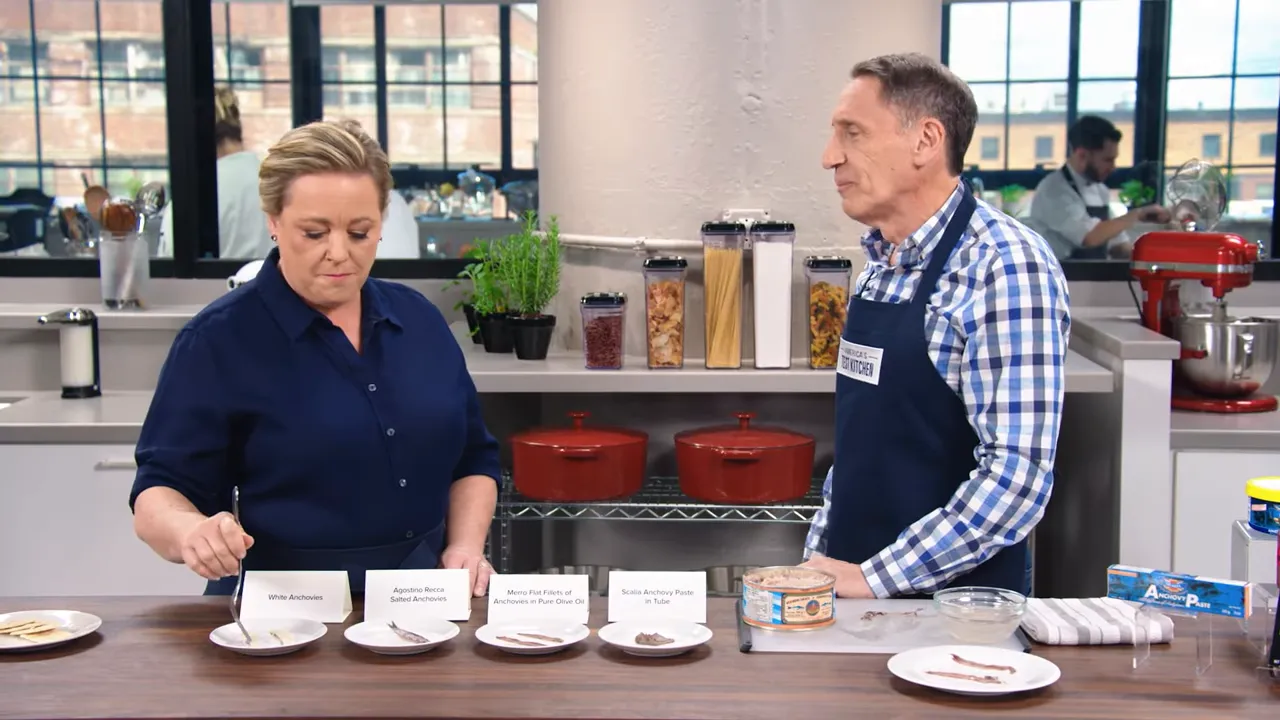
Types of tinned anchovies and when to use each
There are four common formats to look for at the grocery store. Each brings something different to the table.
- Anchovy paste — The most convenient. Smooth, easy to measure, and ideal for blending into sauces or vinaigrettes without leaving texture. When well made it tastes clean and salty with a true anchovy backbone.
- Oil-packed fillets — Fillets preserved in oil are ready to fold into pastas, pan sauces, and pizzas. They carry the rounded, cured flavor with a pleasing mouthfeel and are less harsh than straight-salt preparations.
- Salt-cured tins — These are the classic, old-school anchovies. Heavier on fish flavor and often more complex from long curing. They need rinsing and handling but reward cooks who love robust anchovy character.
- Boquerones (Spanish-style) — Lightly salted and pickled, they’re milder and bright. Perfect for tapas, bread with olive oil, or anyone who thinks they don’t like anchovies yet.
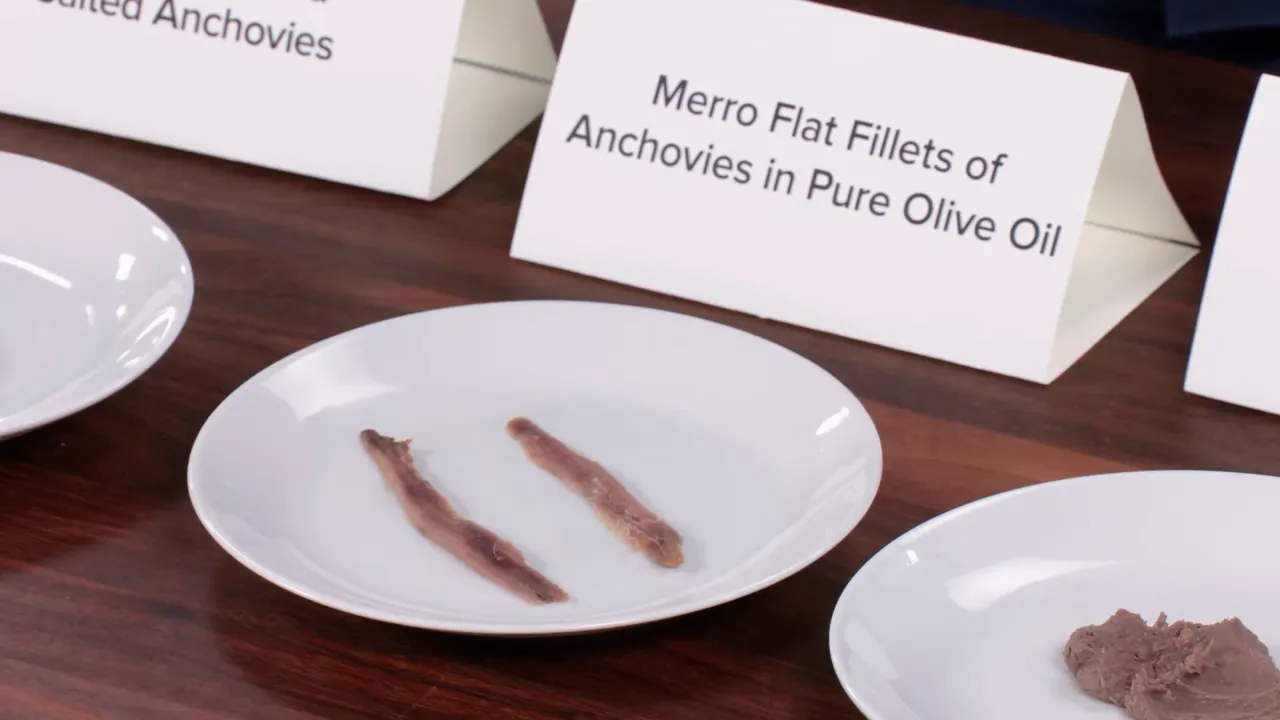
Brand matters — for paste especially
Not all pastes are equal. One brand stood out for a clean, smooth paste that blended into sauces perfectly without tasting overly saline. In tastings, lesser pastes skewed too salty or lacked anchovy nuance. When a recipe calls for two anchovies, a useful rule is:
- 2 anchovy fillets ≈ 1 teaspoon minced ≈ 1 teaspoon anchovy paste
"It's salty, but it has the anchovy flavor I'm looking for."
This captures what to look for: salt that supports rather than overwhelms, and an anchovy note that amplifies other ingredients.
How to prep salted anchovies like a pro
Salt-cured tins need a little handling, but the payoff is worth it. Follow these steps:
- Transfer opened tin contents into a fresh container, keeping the salt to slow oxidation.
- When ready to use, rinse fillets under cool running water and pat dry in a bowl.
- To remove bones and split the fillets, grab the tail end and gently separate the two layers. Pull out the bone and peel away the bottom fillet.
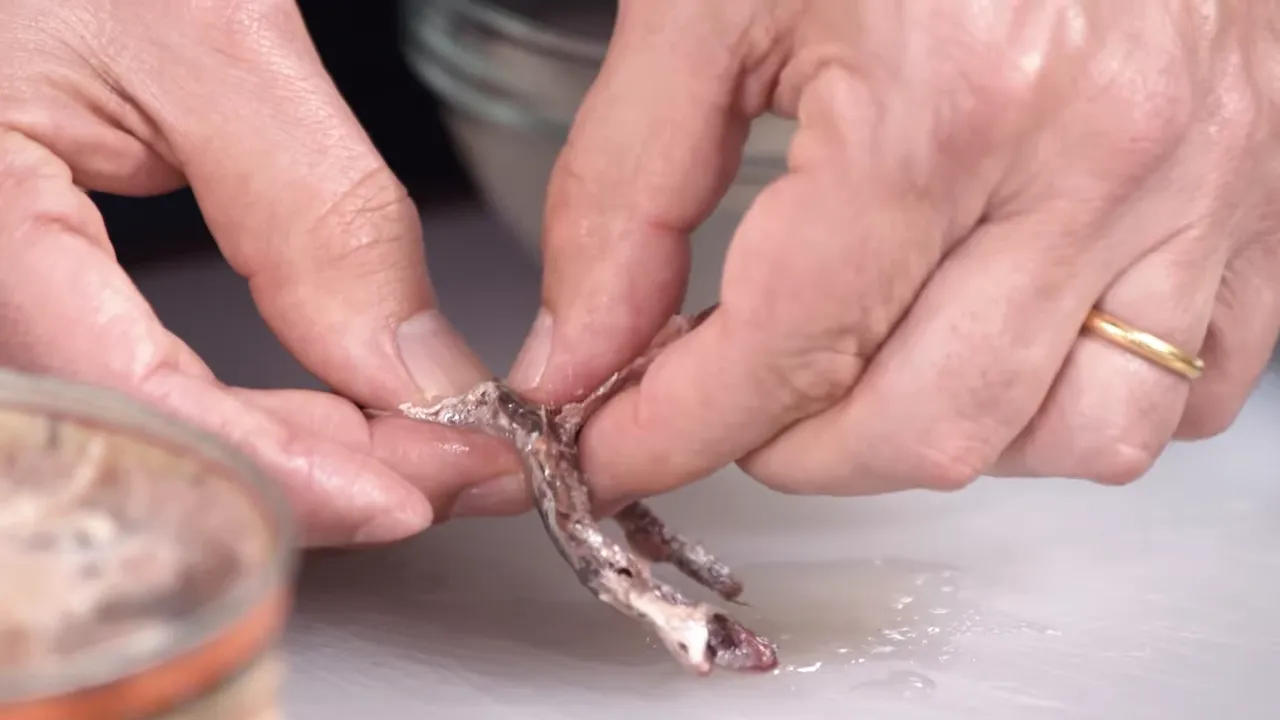
Once deboned, these fillets have a meatier texture and a nuanced, fruity finish from curing. They taste closer to fresh fish and are ideal when the anchovy is meant to be front-and-center rather than just a background seasoning.
Serving suggestions and pairings
Use anchovies to boost flavor in many ways:
- Fold oil-packed fillets into tomato sauces or pastas for depth.
- Mince paste into dressings or compound butter for an easy umami lift.
- Serve boquerones with bread, olive oil, and a bright sparkling wine for a tapas-style snack.
- Finish stews or vegetable sautés with a small anchovy to round out flavors without making the dish taste fishy.
Final notes on buying and using anchovies
For home cooks focused on cooking, recipes, bon apetit, a few practical takeaways make shopping easy:
- Choose paste for convenience and consistent dosing in sauces and dressings.
- Pick oil-packed fillets for everyday cooking: they are versatile and balanced.
- Opt for salted tins when seeking intense, fish-forward flavor; prepare to rinse and debone.
- Try boquerones if a milder, pickled option will win over skeptics.
Anchovies are a humble ingredient with big impact. With the right type and a little technique, they turn ordinary recipes into something much more satisfying. Give a few styles a try and let the cooking, recipes, bon apetit spirit guide which one becomes pantry staple.
This article was created from the video Which Tinned Anchovies Are Best (and How to Use Them) | America's Test Kitchen with the help of AI.
Which Tinned Anchovies Are Best for cooking, recipes, bon apetit. There are any Which Tinned Anchovies Are Best for cooking, recipes, bon apetit in here.

