Introduction
Rice is comfort food in many homes, and a few small techniques turn ordinary grains into a delightful, tender staple. This guide shares friendly, practical tips from traditional Japanese kitchens and modern shortcuts so anyone can master rice for cooking, easy recipes.
Types of Rice and When to Use Them
Choosing rice comes down to grain length, texture, and flavor. Pick the type that suits the dish.
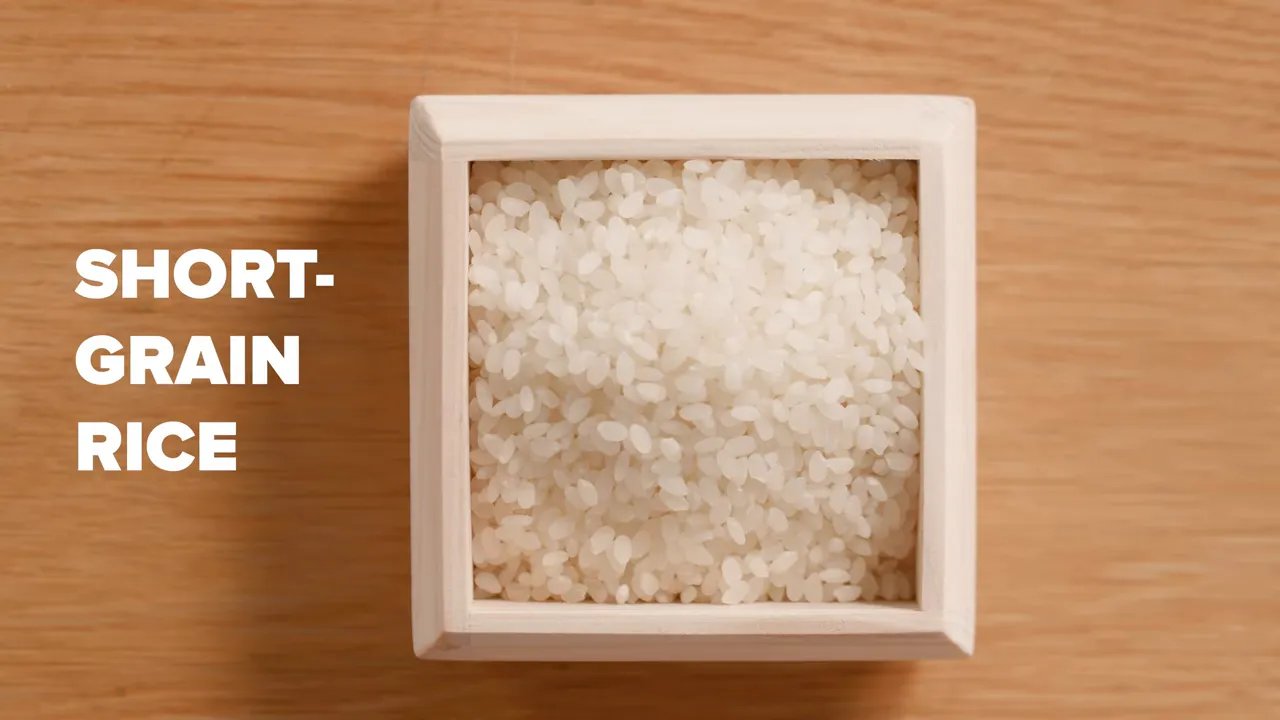
- Short-grain — Slightly sweet and naturally sticky; ideal for sushi and classic Japanese meals.
- Medium-grain — Tender and moist with moderate stickiness. A great everyday choice when short-grain is hard to find.
- Long-grain — Basmati or jasmine stay separate and fluffy; perfect for pilafs, curries, or fried rice.
White Rice vs Brown Rice
White rice is brown rice with the outer layers removed. Brown rice keeps the bran and germ, offering more fiber, nutrients, and a nutty flavor, but it takes longer to cook and keeps for about six months.
White rice cooks faster, lasts longer in storage, and often fits everyday cooking needs. For many cooking, easy recipes, white rice is the practical choice.
Should Rice Be Washed?
Washing rice is partly tradition and partly preference. Modern milling has improved, so a quick rinse is usually enough. A gentle rinse two or three times until the water is slightly cloudy is sufficient for most short- or medium-grain varieties.
Storing Rice the Smart Way
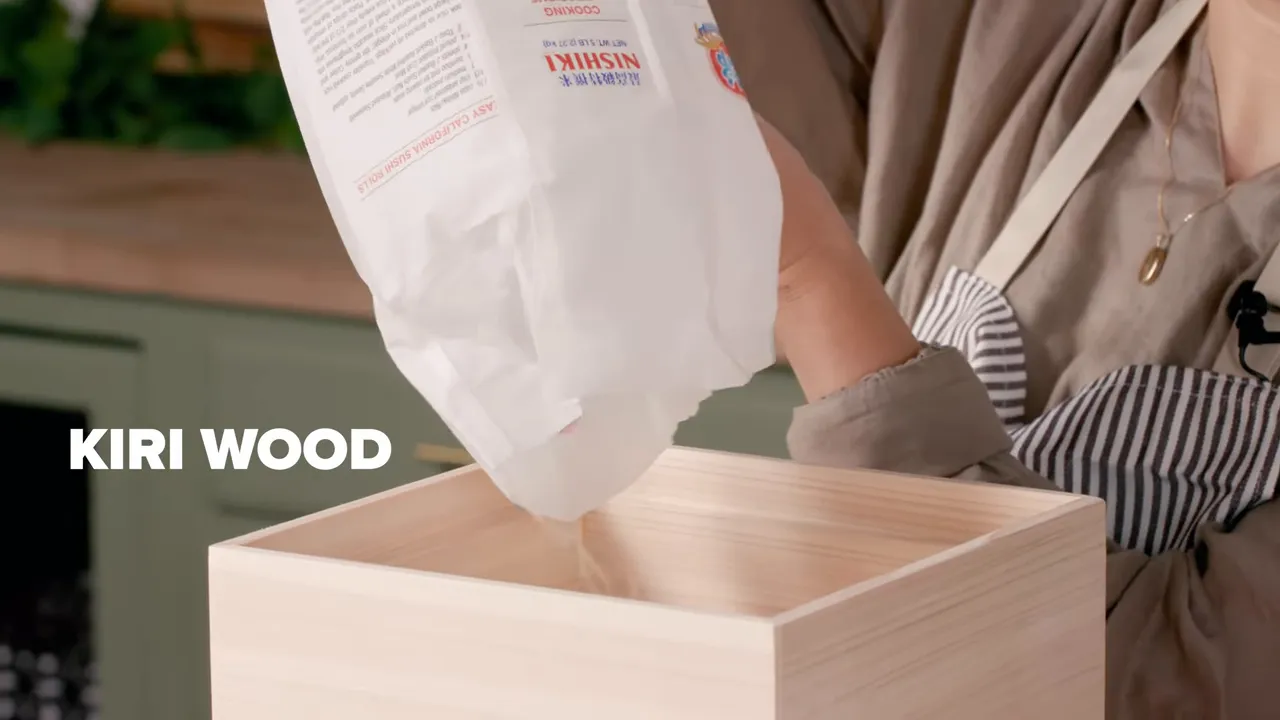
Humidity and pests matter. Use an airtight plastic container or a traditional kiri wood container to keep rice dry and pest-free. Avoid leaving rice in its original bag for long-term storage.
Traditional Tools: Hagama and Donabe
Before electric cookers, rice was cooked over open fire. Two classic vessels remain beloved: the heavy hagama and the clay donabe. Donabe's thick walls and heavy lid trap steam and distribute heat for tender, fluffy rice.
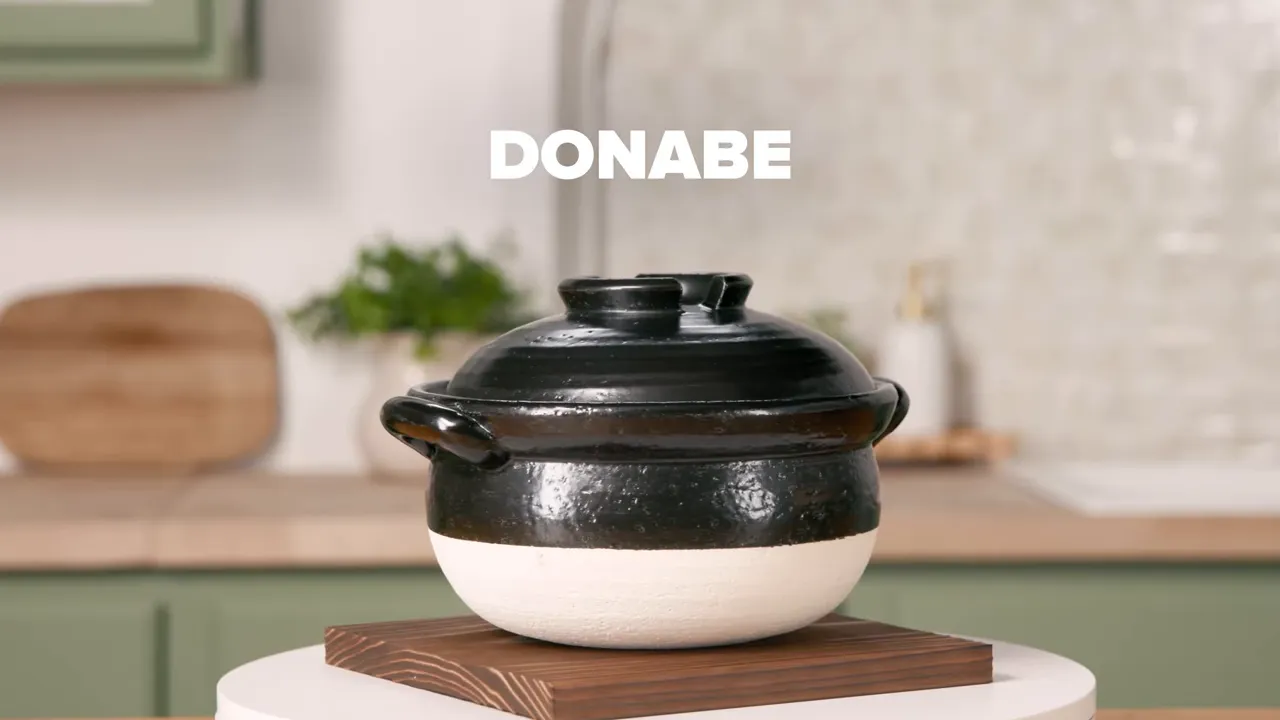
Donabe Rice — Ingredients and Method
Ingredients
- 2 cups short- or medium-grain rice
- 2.5 cups water
Method
- Rinse the rice gently two or three times and drain.
- Add rice to the donabe and pour in 2.5 cups of water. For a rough measure, the water often reaches the first line on the middle finger when using traditional feel.
- Soak: about 30 minutes in warm months, about 1 hour in cold months to even out moisture and soften the texture.
- Cover and heat on medium-high until a gentle boil forms, then lower to the smallest flame and simmer for 12 to 15 minutes. Do not lift the lid.
- Remove from heat, open the lid, and fluff gently with a rice paddle.
Rice Bowls and Table Customs
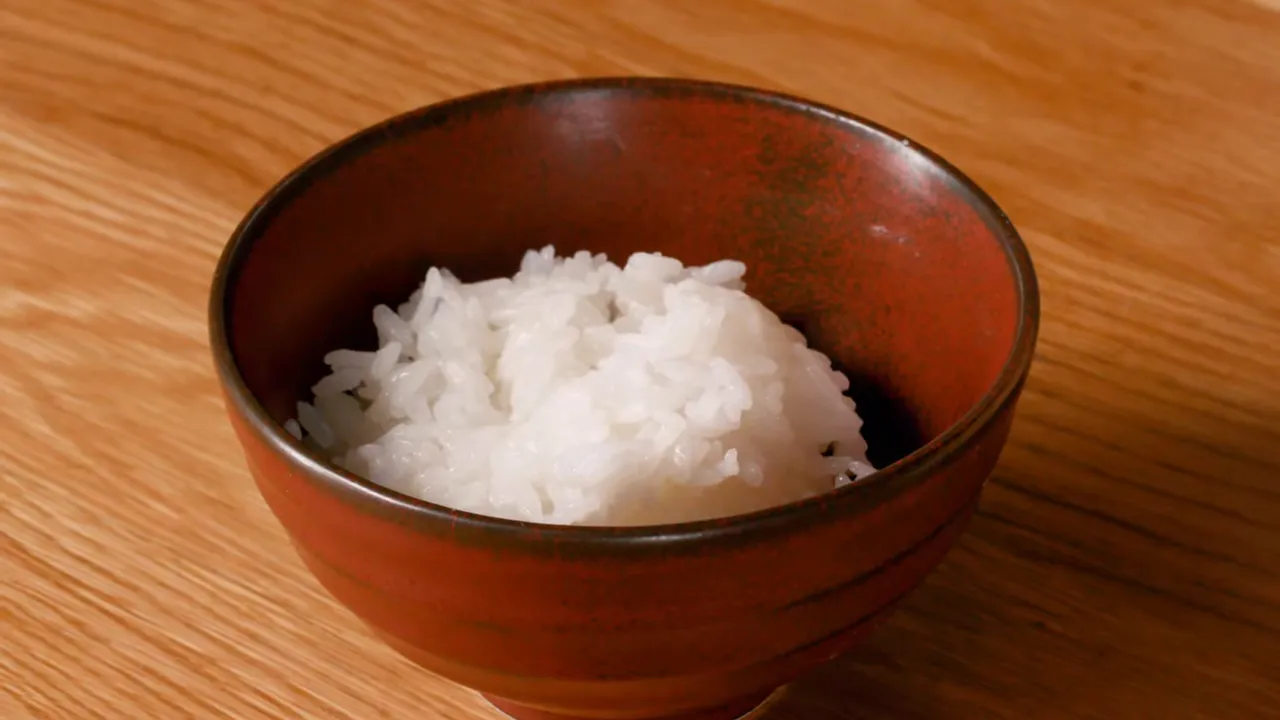
In many Japanese homes, each person has a small ceramic chawan for rice. Miso soup is often served in a wooden or plastic bowl so it can be sipped directly without burning the lips. These little rituals make meals feel cozy and thoughtful.
Modern Convenience: Rice Cookers and Shortcuts
Electric rice cookers are the easiest route to consistent results. The standard ratio for Japanese short-grain rice is about 1.25 cups water per 1 cup rice. Always keep the measuring cup that comes with the cooker because it is smaller than a US cup.
Many modern cookers include an automatic soaking step so cooking is as simple as adding water and pressing start. They also keep rice warm for hours, which is perfect for prepping ahead.
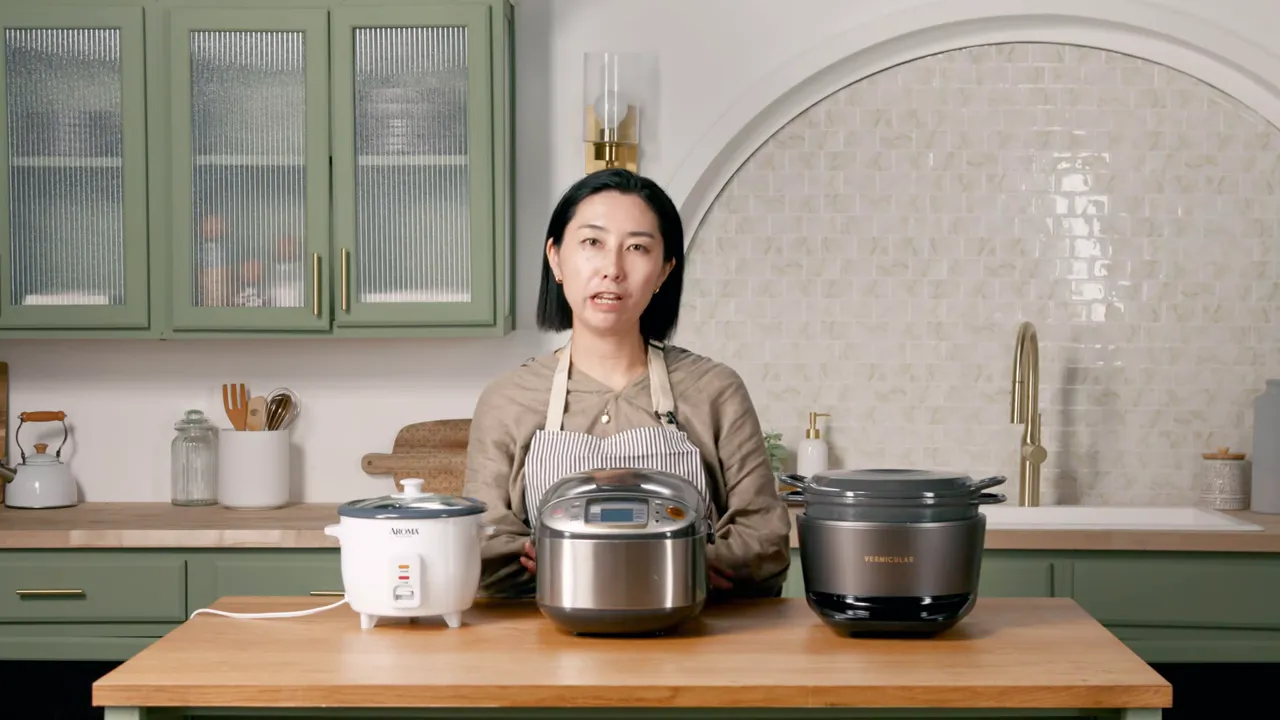
Quick Options
- Microwave-ready rice packets heat in about 2 minutes and are handy for emergencies or busy nights.
- Freezing leftovers works wonderfully: while rice is still warm, wrap portions in plastic, place in a Ziploc, and freeze. Reheat in the microwave about 2 minutes, stirring every minute for even warmth.
Expert Tips for Perfect Rice
- Measure carefully — whether using a donabe or rice cooker, the right water ratio matters.
- Soak when possible — soaking improves texture and gives softer grains.
- Don’t peek — lifting the lid during steaming releases crucial heat and steam.
- Keep a rice paddle handy — fluffing with a shamoji prevents crushing the grains.
- Use the included cup — rice cooker cups are smaller than standard kitchen cups and are calibrated to the cooker’s water marks.
Final Notes
Perfect rice is an easy pleasure. With a few simple habits and the right tool for the moment—donabe, rice cooker, or microwave—any home cook can serve fluffy, delicious rice that lifts cooking, easy recipes into comfort-food territory. Try these steps and enjoy the warm, satisfying results.
This article was created from the video All Your Rice Questions, Answered by a Japanese Mom with the help of AI.
All About Rice: Simple Tips for Perfect Grains — cooking, easy recipes. There are any All About Rice: Simple Tips for Perfect Grains — cooking, easy recipes in here.

