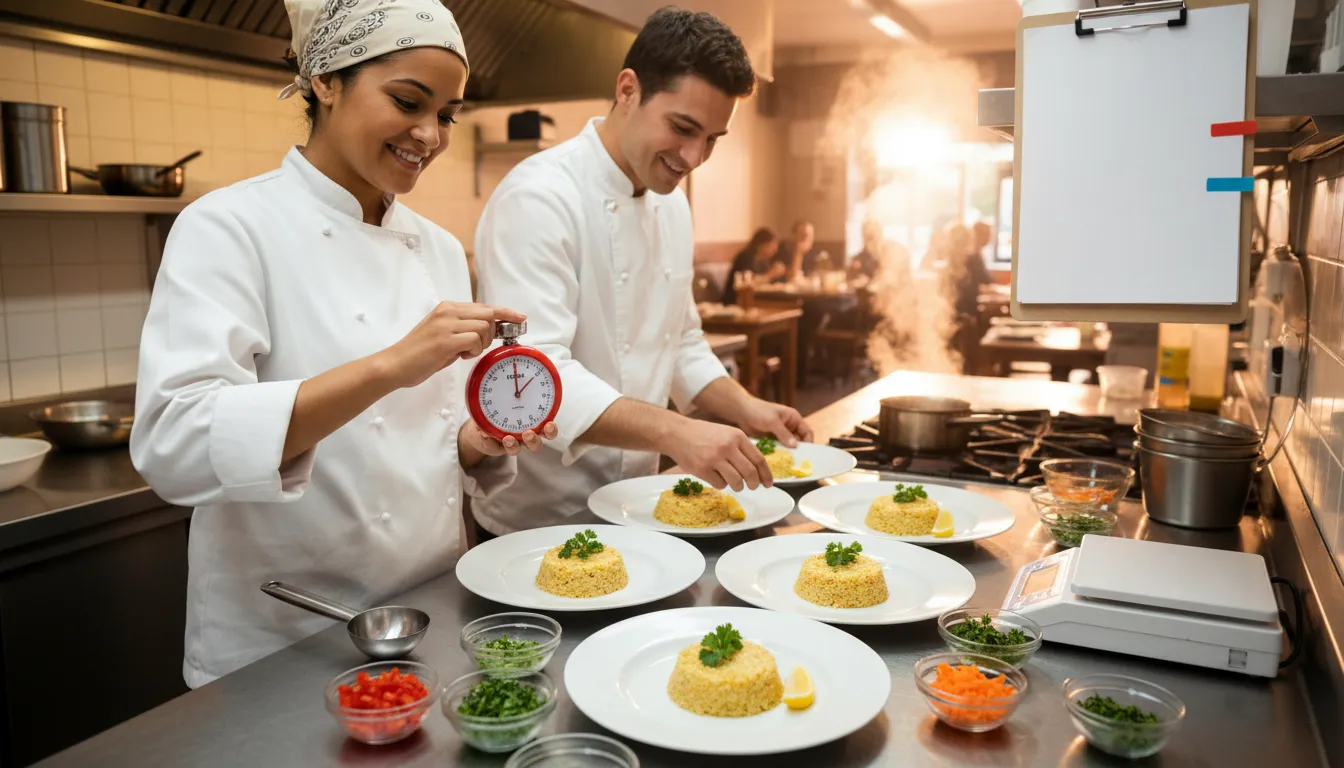
Busy kitchens and small restaurants often struggle with consistency, timing, and menu focus. With a sprinkle of structure and a few simple habits, any cook can improve service and turn chaotic nights into warm, successful shifts. This guide shares upbeat, practical ideas that make cooking, easy recipes thrive in real-world kitchens.
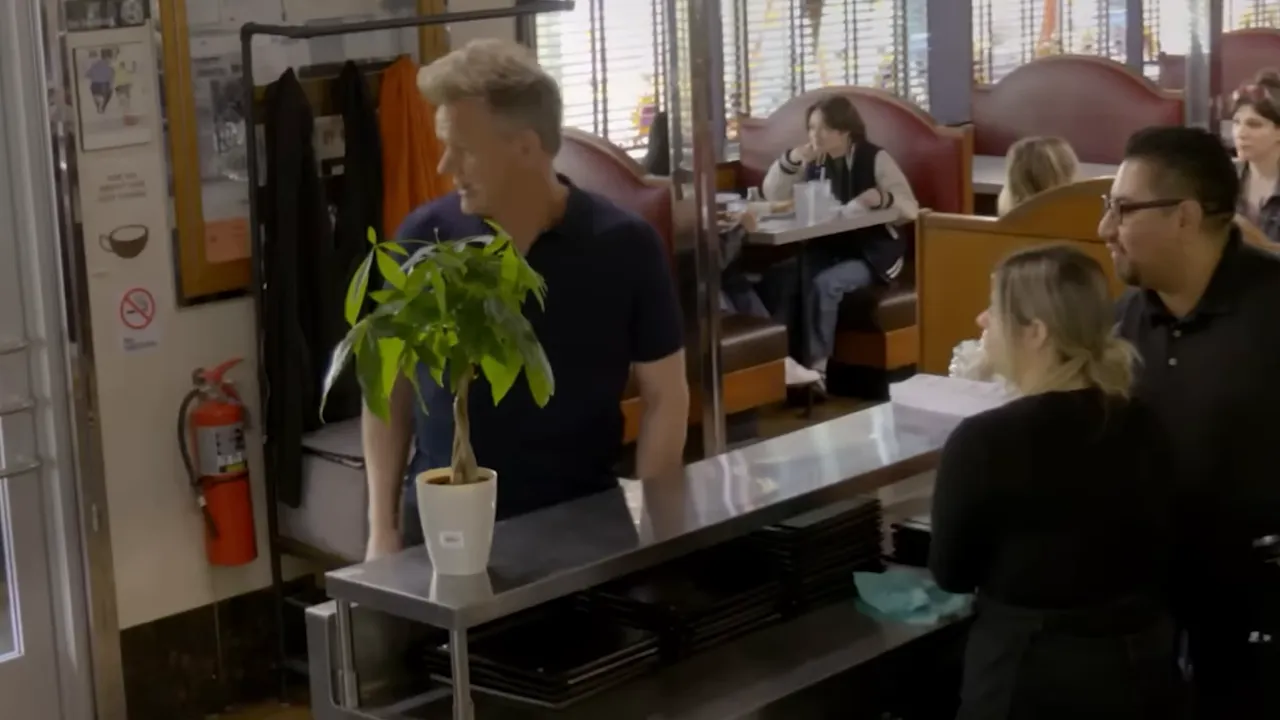
Why consistency matters
Customers expect reliable food and friendly service. When dishes arrive undercooked, over-fried, or missing key elements, the whole experience falls apart. Small changes — consistent portion sizes, clear temperature targets, and simple plating rules — create massive improvements in perception and waste reduction.
Common kitchen and service problems (and friendly fixes)
- Too many menu items — A huge menu often means many frozen or poorly executed items. Trim the menu to core favorites and make those items exceptional.
- Inconsistent cooking times — Different sizes, thicknesses, and battering cause uneven results. Standardize cut sizes and cooking times so staff know exactly what to expect.
- Poor communication — Misplaced orders and wrong plates indicate breakdowns between front of house and kitchen. Use simple ticket systems and one clear order flow.
- Trying to be everything — Combining unrelated cuisines or gimmicks confuses guests. Focus on authenticity and do fewer things really well.
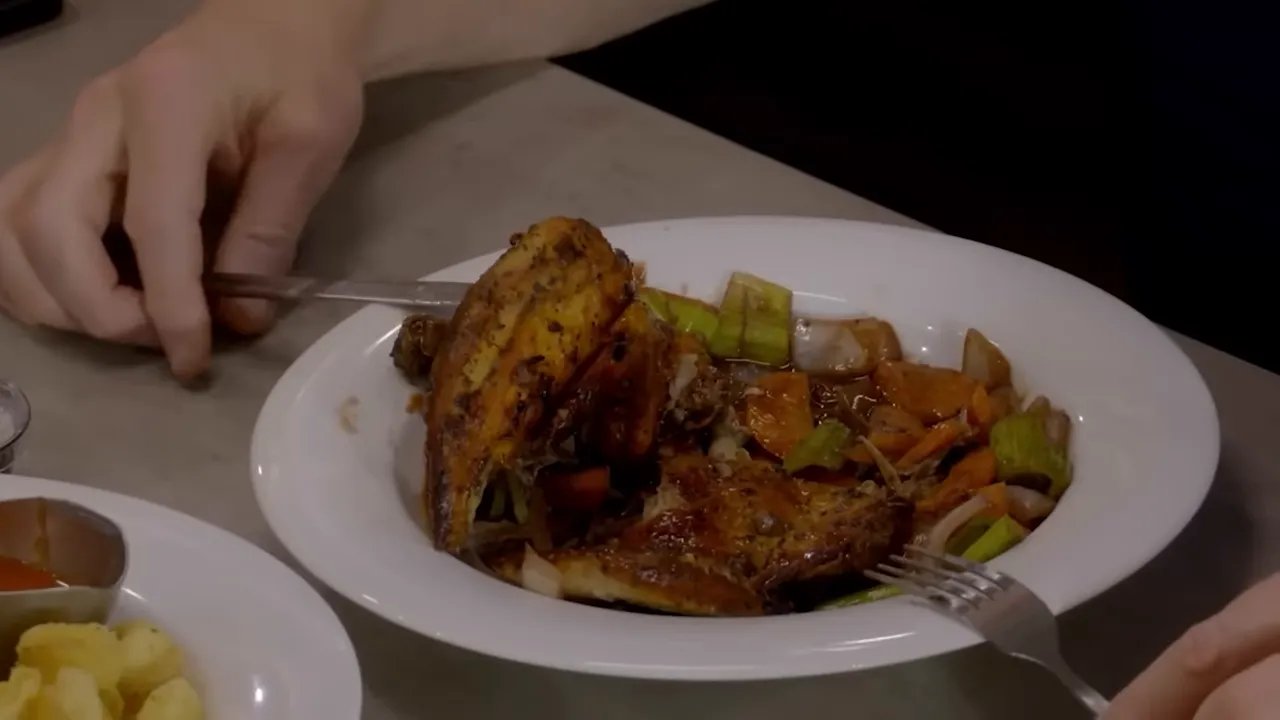
"This chicken wasn't cooked in the last 24 hours."
Simple, practical steps to improve food and speed
These steps work for home cooks writing cooking, easy recipes and for small professional kitchens seeking reliable service.
- Standardize recipes — Write down exact weights, temperatures, and times for each dish. Even a single-page recipe card per dish helps every cook reproduce the same result.
- Prep smart — Par-cook or pre-portion proteins and vegetables where possible. Label everything with times and use-by dates.
- One fryer, two baskets problem — If equipment is a bottleneck, redesign the menu to include more pan-seared and roasted options instead of relying solely on fried items.
- Train for temperatures — Use a probe thermometer for steaks, poultry, and seafood. Set visual cues for doneness in addition to minutes.
- Plate like a pro, simply — A clean plate, one garnish, and wiped edges create a positive impression even for humble dishes.
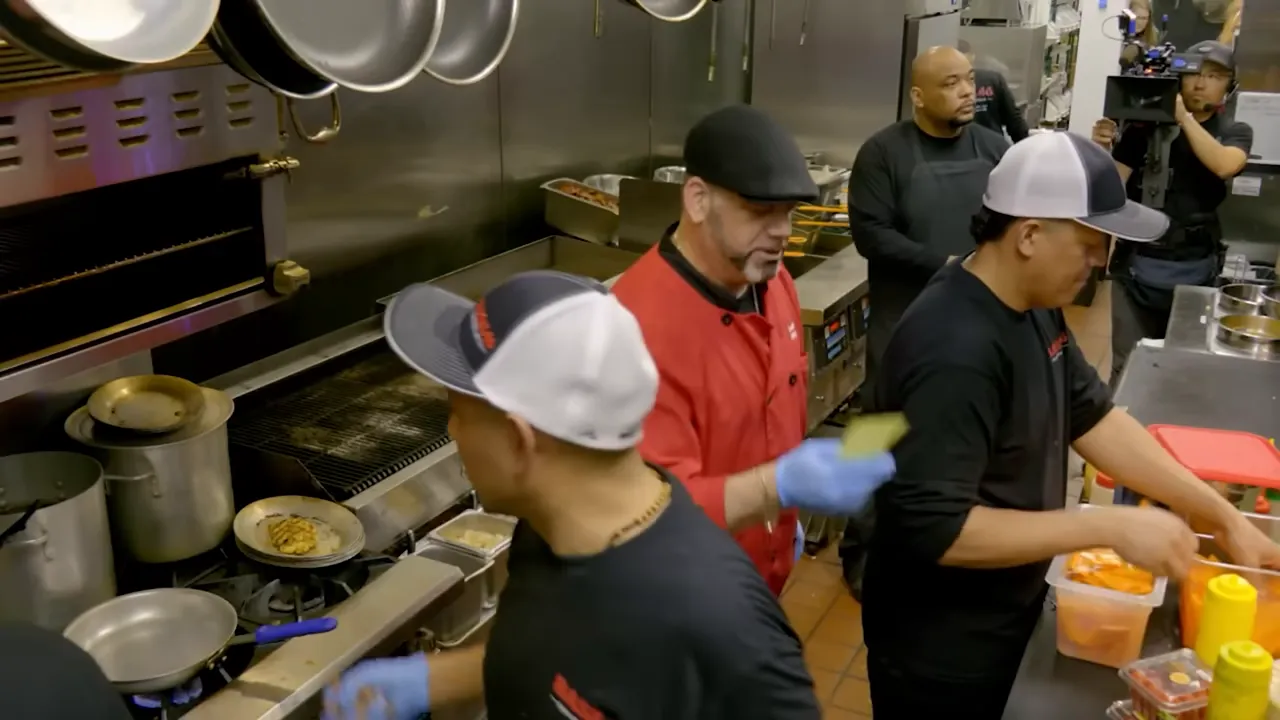
Quick checklist for better daily service
- Morning prep completed — mise en place checked, labels visible.
- One ticket flow — all orders printed and prioritized.
- Temperature targets posted — steaks, chicken, fish clearly listed.
- Waste log — track returned plates and portion sizes weekly.
- Weekly menu audit — remove low-selling items and simplify where necessary.
A recipe mindset for long-term improvement
Thinking like a recipe developer helps teams deliver consistent food. For each dish, treat the instructions like a tested recipe: ingredients listed in order, the method clear and repeatable, and an expected cook time. This approach makes it easier to turn complicated dishes into cooking, easy recipes that any cook can follow.
Friendly final thoughts
Small kitchens that focus on a few great dishes, clear communication, and simple standards will delight guests and reduce stress for staff. These are cheerful, achievable changes that transform ordinary shifts into confident service. With the right habits, every team can cook better and craft reliable, delicious cooking, easy recipes that guests keep coming back for.
This article was created from the video Gordon Waits FOREVER For His Food | BRAND NEW Season Kitchen Nightmares Compilation | Gordon Ramsay with the help of AI.
Happy Kitchen Fixes: Practical Tips for Better Cooking, Easy Recipes. There are any Happy Kitchen Fixes: Practical Tips for Better Cooking, Easy Recipes in here.

