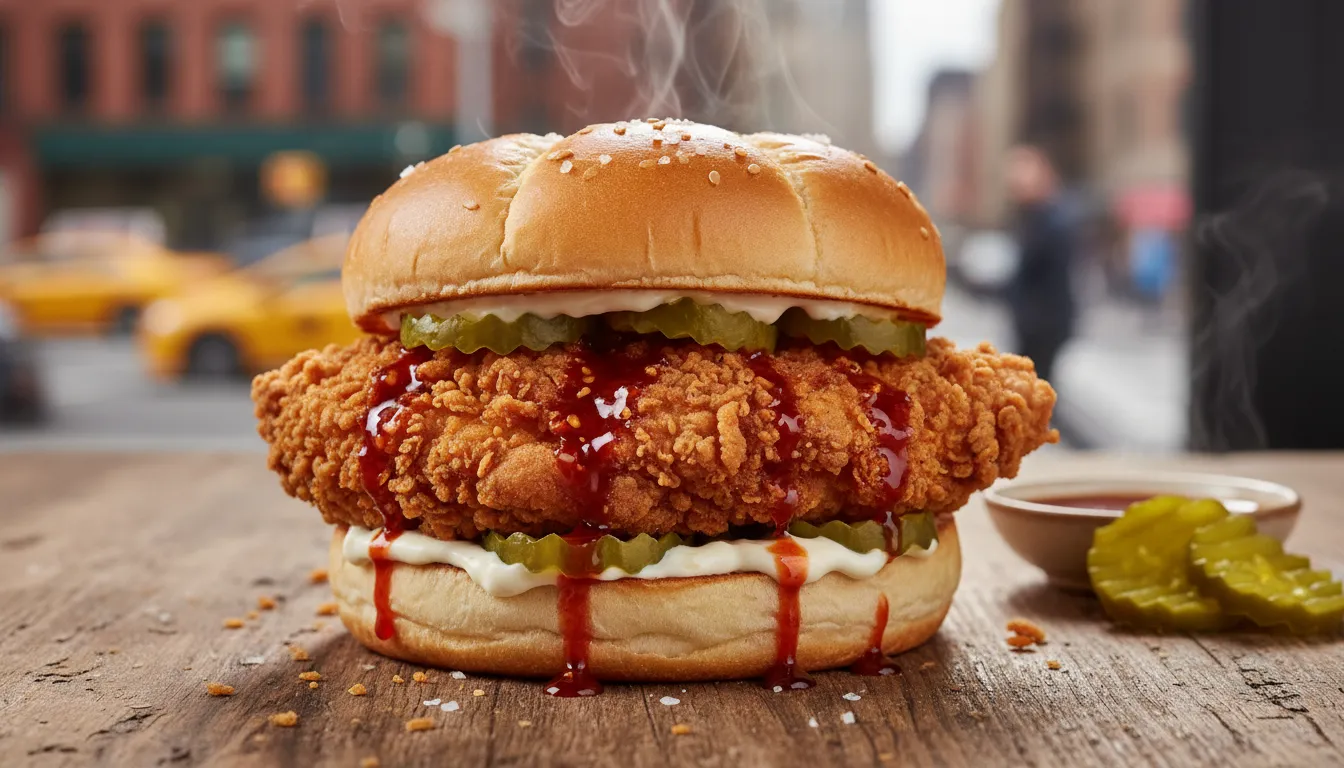
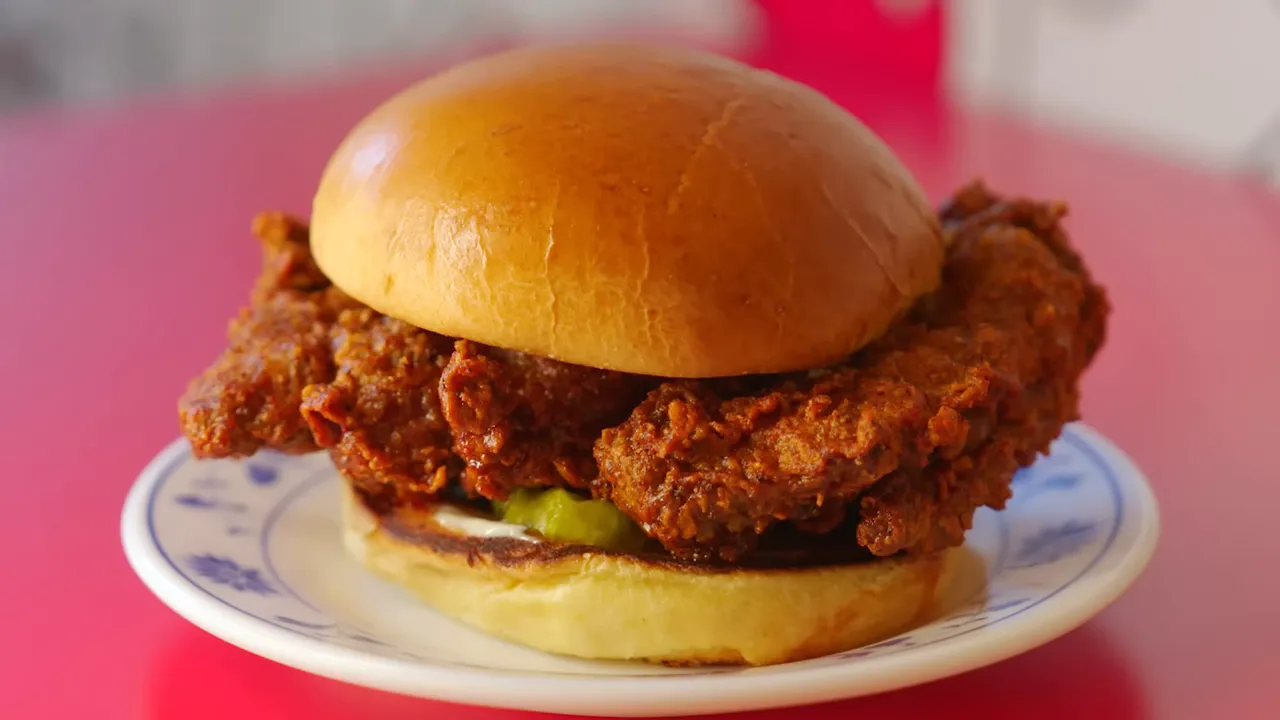
Bright, crunchy, and deeply satisfying, this fried chicken sandwich combines classic cooking, recipes, bon apetit energy with a few thoughtful techniques that turn good into unforgettable. It relies on a buttermilk brine, a balanced seasoning blend with MSG and five-spice, a double-fry for serious crunch, and a house chili oil to finish. The result is hot, crispy, juicy chicken tucked into a pillowy brioche with creamy mayo and sweet-tart pickles.

What makes this sandwich sing
The sandwich hits every textural and flavor note: the crunch of the crust, the deep juiciness of dark meat cooked past the point where collagen becomes gelatin, the glossy bite of chile oil, and the soft chew of toasted brioche. A few key ideas make it special:
- Buttermilk brine for moisture, slight acidity, and a binding base for seasonings.
- Balanced seasoning — salt, sugar, and MSG to boost savoriness plus five-spice to nod toward Chinatown flavors.
- Starch blend in the dredge for a crisp-yet-crunchy crust: flour, potato starch, corn starch, and a touch of modified starch to trap moisture.
- Double-fry technique to cook the meat through, rest, and then re-crisp the crust.
Ingredients
- 4 boneless chicken thighs (look for large, uniform pieces)
- 2 cups buttermilk
- Seasoning blend: 3 parts salt, 1 part MSG, 1 part sugar
- 1 tablespoon Dijon mustard
- Garlic powder and onion powder to taste
- 1 teaspoon Chinese five-spice
- Dredge: 2 cups flour, 1/2 cup potato starch, 1/2 cup corn starch, 10% EverCrisp or other modified starch by weight (optional)
- Neutral frying oil (peanut, vegetable) for shallow or deep frying
- Brioche buns, cupi (kewpie) mayonnaise, bread-and-butter pickles
- House-style chili oil (toasted chilies, Sichuan peppercorns, salt, sugar, MSG, vinegar powder, and duck fat)
Equipment
- Thermometer (for oil and chicken)
- Large bowl for marinating
- Shallow pan or deep fryer
- Griddle or skillet for toasting buns
Method
1. Trim and brine
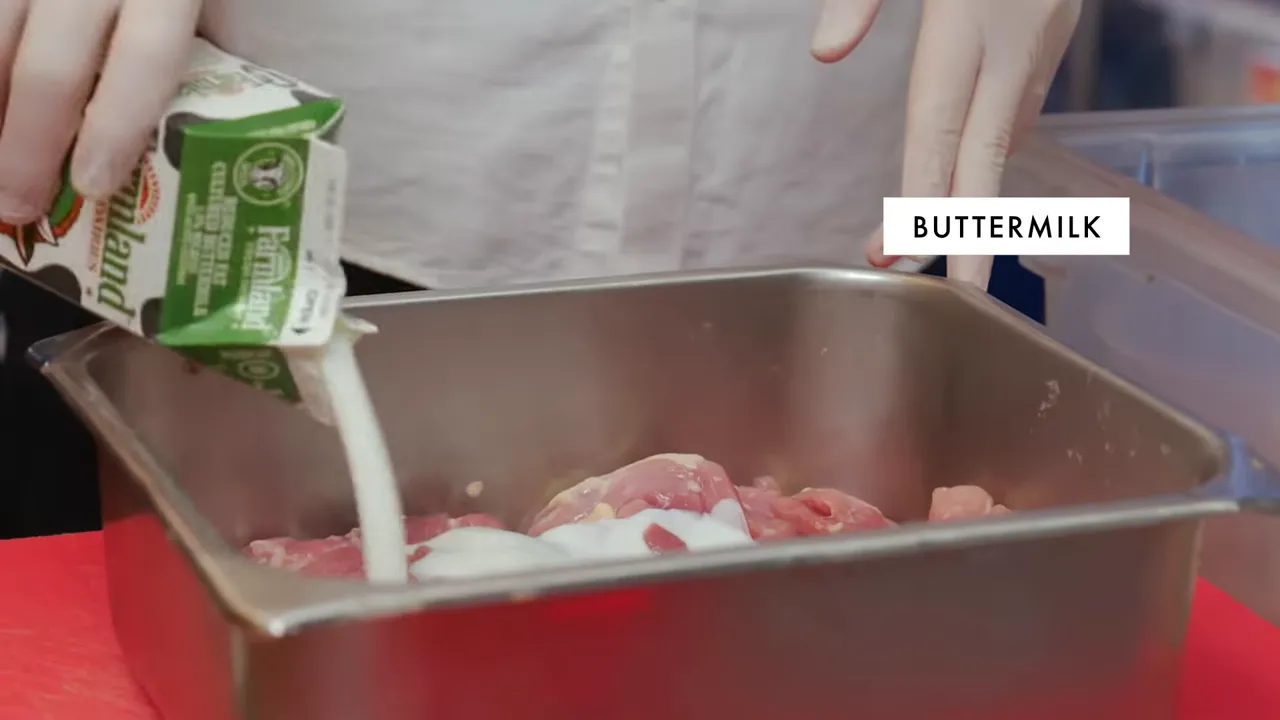
Trim away cartilage for a smooth bite in a sandwich. Combine buttermilk with the seasoning blend (salt, MSG, sugar), Dijon, garlic and onion powders, and five-spice. Stir in a small amount of flour — this absorbs moisture overnight and strengthens the future crust. Marinate the thighs at least 12 hours; 24 hours is ideal.
2. Dredge for texture
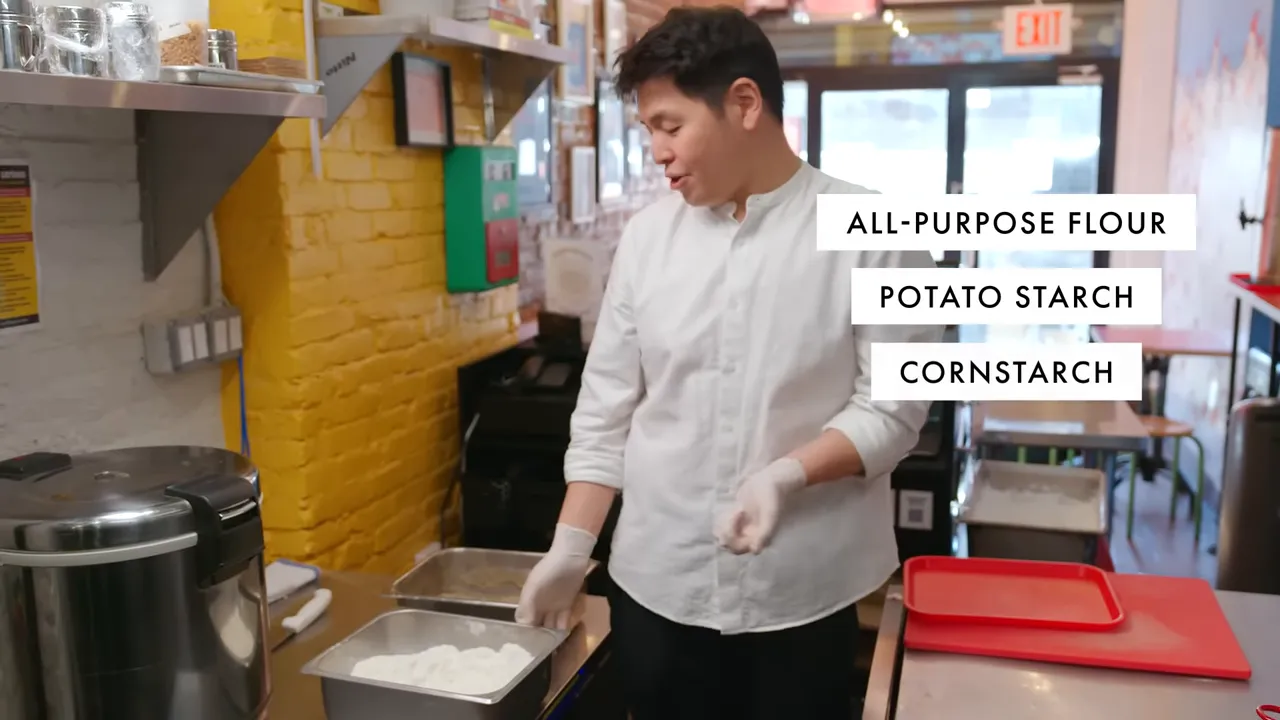
Mix the dredge: flour, potato starch, corn starch. The starches favor crispiness; flour gives satisfying crunch. Press the dredge into the thigh surfaces to get it into crevices—this is especially important for thighs with craggy textures. Let the coated thighs rest in the dredge for about 1–2 minutes so the coating hydrates just enough to adhere without turning gummy. If available, add 10% EverCrisp (modified starch) to slow water movement and lock in crispness.
3. Fry low and slow, then rest
Heat oil to 325°F. This is the golden zone to brown starches while allowing internal moisture to evaporate so the crust stays light, not greasy. Fry the thighs for about 8 minutes as a guideline, but always use a thermometer. Aim to push internal temperature past 185°F to coax collagen into gelatin for a tender, non-bouncy texture. Remove and rest; this step cools the meat enough that moisture redistributes and keeps the crust from sogging on the second fry.
4. Double-fry for shatteringly crisp crust
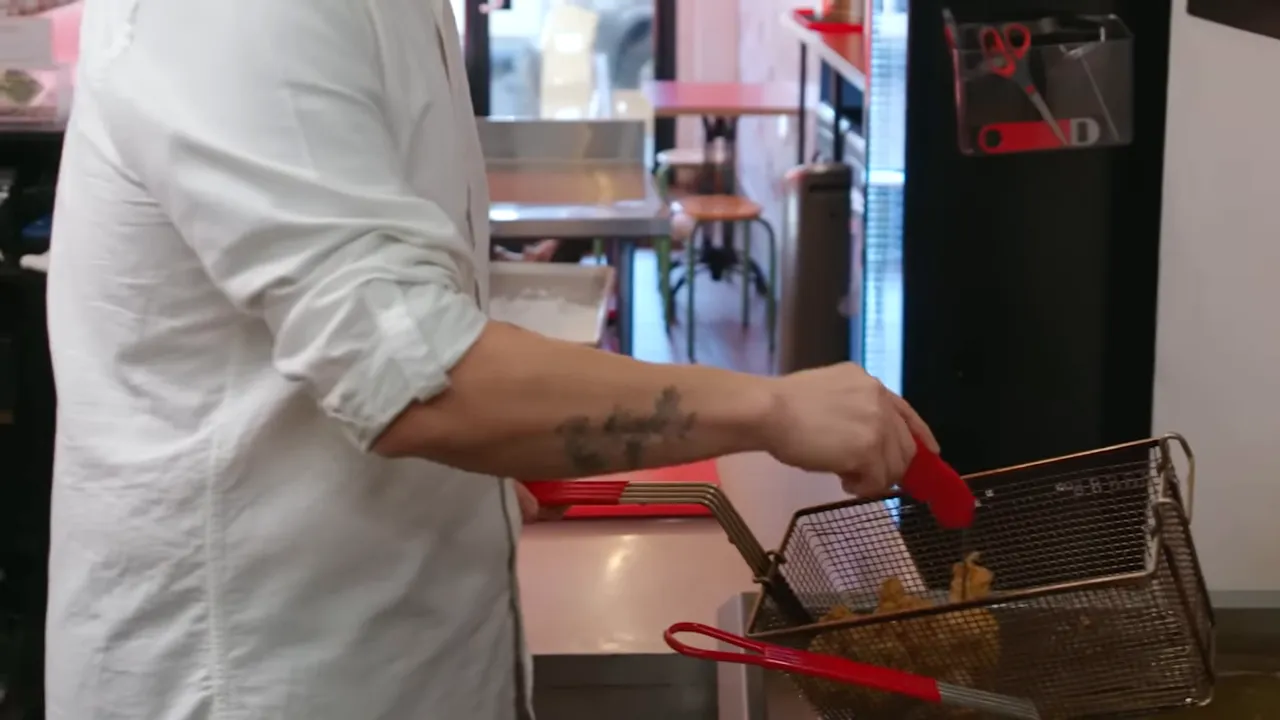
Bring oil back up and fry for about 1 minute to revive and super-crisp the crust. The difference is dramatic: the first fry cooks the protein through; the second fry re-establishes that hot, shatteringly crisp exterior.
5. Chili oil dunk and assembly
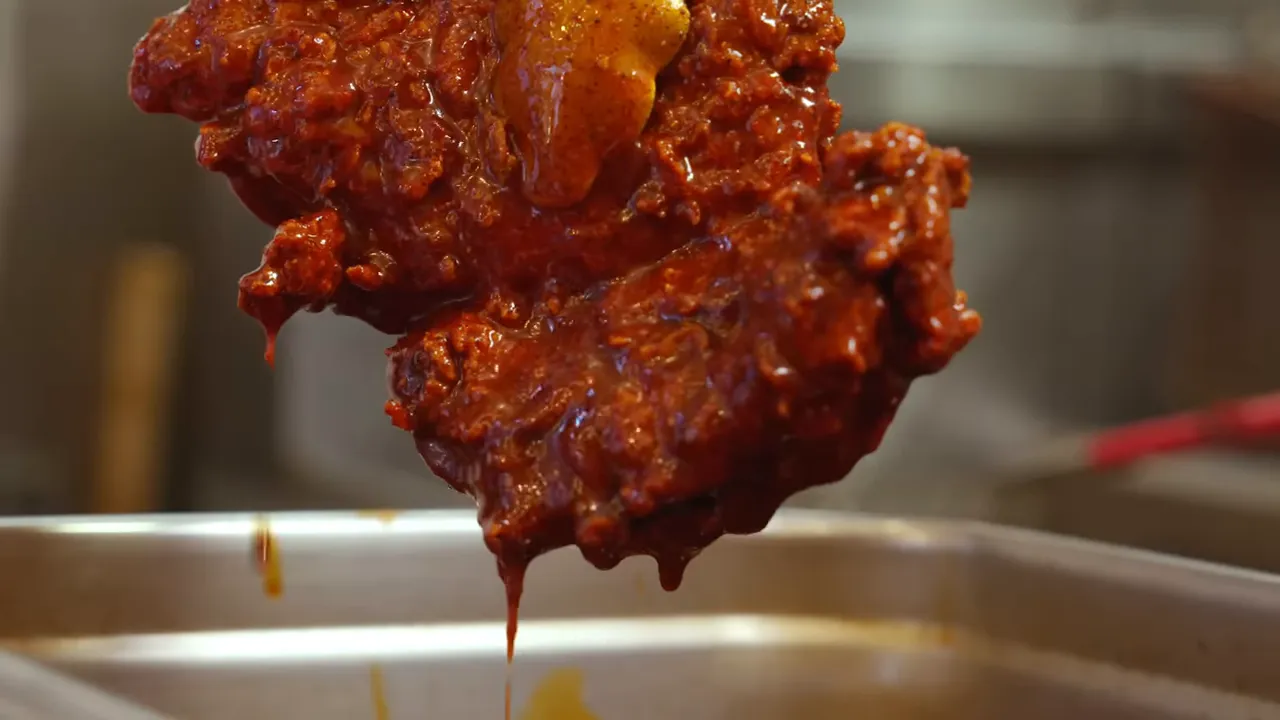
Make a robust chili oil by toasting chilies and Sichuan peppercorns, grinding them, and combining with sugar, salt, MSG, vinegar powder, and an herb-infused duck fat. Dunk hot chicken briefly into room-temperature chili oil so it drains slightly and keeps the crust from soaking. Toast brioche on a hot griddle spread with mayonnaise for an even, golden crust. Build the sandwich with cupi mayonnaise, the chili-oil-dipped thigh, and crinkle-cut bread-and-butter pickles.
Chef tips for perfect results
- Use thighs. Dark meat handles extended cooking and higher internal temps better, becoming gelatinous and tender past 185°F.
- Salt generously. Meat needs more salt than most expect to season through.
- Mind the dredge timing. Too short and the coating is patchy; too long and it becomes a heavy shell. Aim for 1–2 minutes in the dredge before frying.
- Thermometers are friends. Use one for oil and for internal chicken temp. Precision beats guesswork.
- Don't over-trim. Those crispy nubs and craggy bits are flavor and texture gold once fried.
Why the little tweaks matter
Adding flour to the marinade, balancing salt with MSG and sugar, and using a modified starch in the dredge all control moisture movement. That combination delivers a crust that browns beautifully, stays crisp, and protects juicy meat inside. The double-fry sequence locks in texture while hitting safe internal temperatures.
Questions people ask
- Can I pan-fry instead of deep-fry? Yes. Use a heavy skillet with a couple inches of oil and maintain 325°F for even results.
- Is MSG safe to use? Yes. Used in crystalline form, MSG enhances savoriness much like glutamates in tomatoes and cheese.
- How long to marinate? At least 12 hours, ideally 24.
Serve and enjoy
Once assembled, give the sandwich a gentle press to settle layers without squashing the bread. The first bite should be an ecstatic mix of textures and flavors: "Crispy, seasoned, juicy, hot." It’s a sandwich that lights up that little happy spot in the brain and makes any evening a bit brighter. This is cooking, recipes, bon apetit energy at its most joyful.
This article was created from the video How NYC’s Best Fried Chicken Sandwich is Made | Made to Order | Bon Appétit with the help of AI.
How NYC’s Best Fried Chicken Sandwich is Made | cooking, recipes, bon apetit. There are any How NYC’s Best Fried Chicken Sandwich is Made | cooking, recipes, bon apetit in here.

