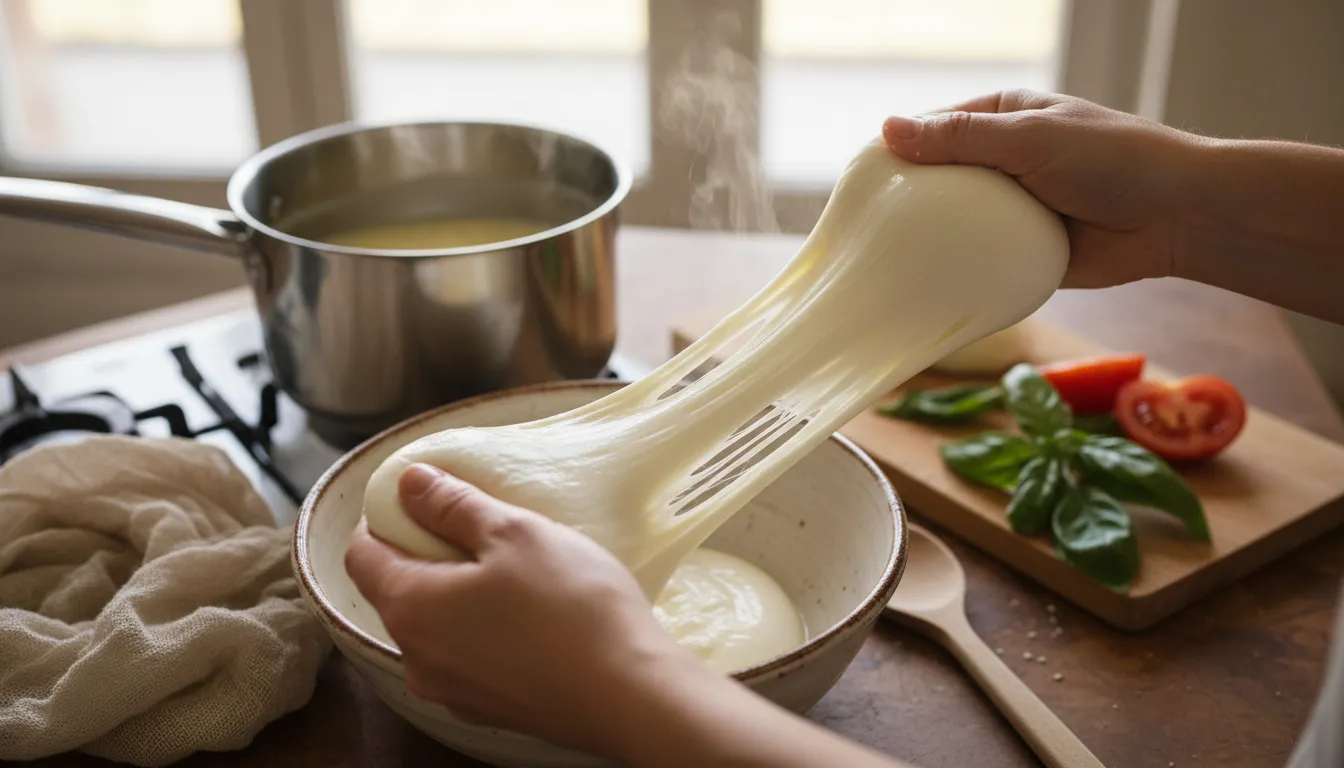
Fresh mozzarella feels like a small miracle: a few simple ingredients, a little patience, and warm hands produce pillowy, silky cheese that makes salads, sandwiches, and pizzas sing. This cooking, easy recipes guide walks through two reliable ways to make mozzarella at home: a quick 30-minute method that uses citric acid and rennet, and an easier, pantry-friendly method that uses vinegar and the microwave. Both are fun, rewarding, and perfect for anyone who loves hands-on kitchen projects.
Why make mozzarella at home?
Homemade mozzarella tastes bright and milky in a way store-bought versions rarely match. Making it teaches how milk proteins behave, gives a use for leftover whey, and lets cooks control salt and texture. It also fits nicely into the world of cooking, easy recipes: simple techniques, accessible equipment, and delicious results.
Overview: Quick method vs easy method
- Quick method — about 30 minutes. Requires citric acid and animal rennet. Results are shiny, elastic mozzarella that holds shape well in water.
- Easy method — about 4 to 4.5 hours from start to refrigerator set. Uses vinegar and the microwave. Fewer specialty ingredients, slightly softer texture with a fresh tang.
Equipment and pantry basics
- Large pot — big enough for a gallon of milk and stirring.
- Instant-read thermometer — temperature is everything.
- Fine mesh sieve or nut-milk bag — for straining curds from whey.
- Food-safe gloves — optional, but handy for stretching and shaping.
- Microwave-safe bowl — for the easy method.
Quick Method (30 minutes)
Ingredients
- 1 gallon whole milk — not ultra-filtered or ultra-pasteurized; standard whole milk works best.
- 2 teaspoons citric acid dissolved in 1/4 cup water
- Animal rennet diluted per package instructions
- Salt — kosher or fine sea salt to taste
Method
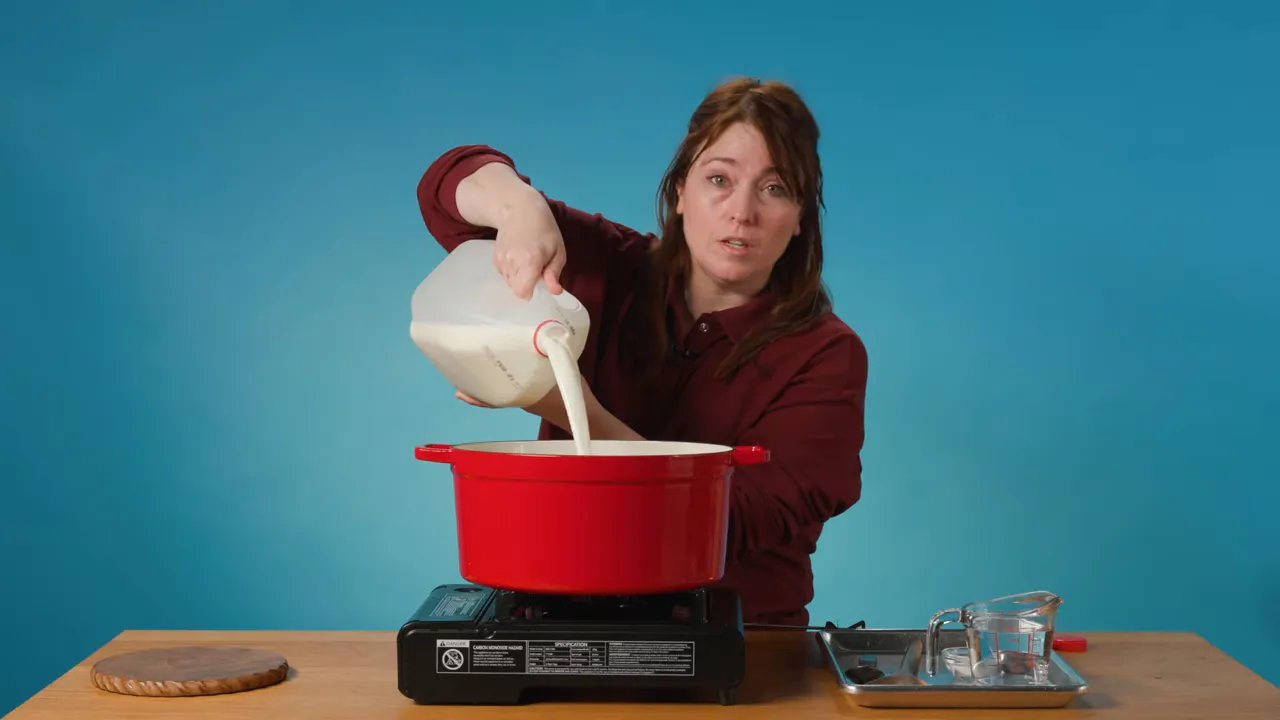
- Pour the gallon of milk into a large pot and warm slowly over medium-low heat. Stir gently and scrape the bottom every couple minutes so milk doesn't scald.
- Add the dissolved citric acid while stirring. Clip the instant-read thermometer to the side and bring the milk to 90°F (32°C).
- Remove from heat, create a gentle whirlpool, and slowly drizzle in the diluted rennet while stirring. Stop stirring and cover the pot. Let sit undisturbed for 5 to 10 minutes while the curds form.
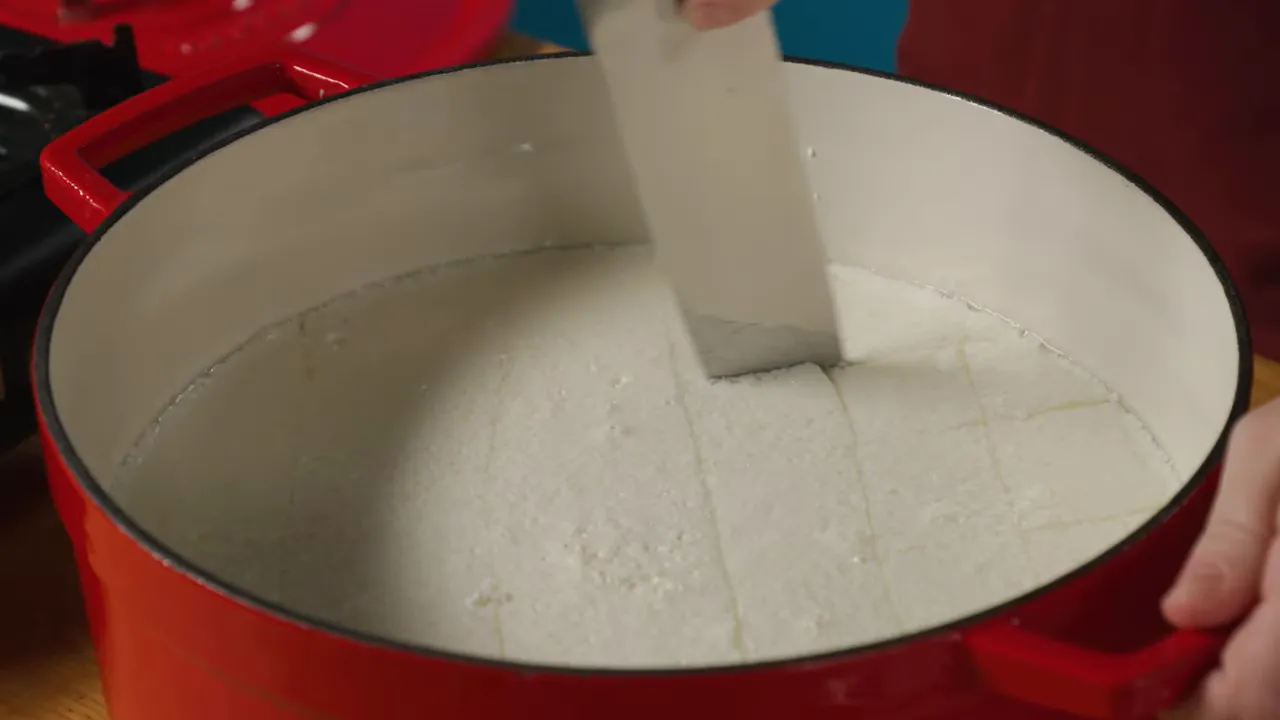
- When the curd is set, cut it into roughly 2-inch squares to help release whey. Sprinkle salt evenly over the curds and gently heat to about 105°F (40°C).
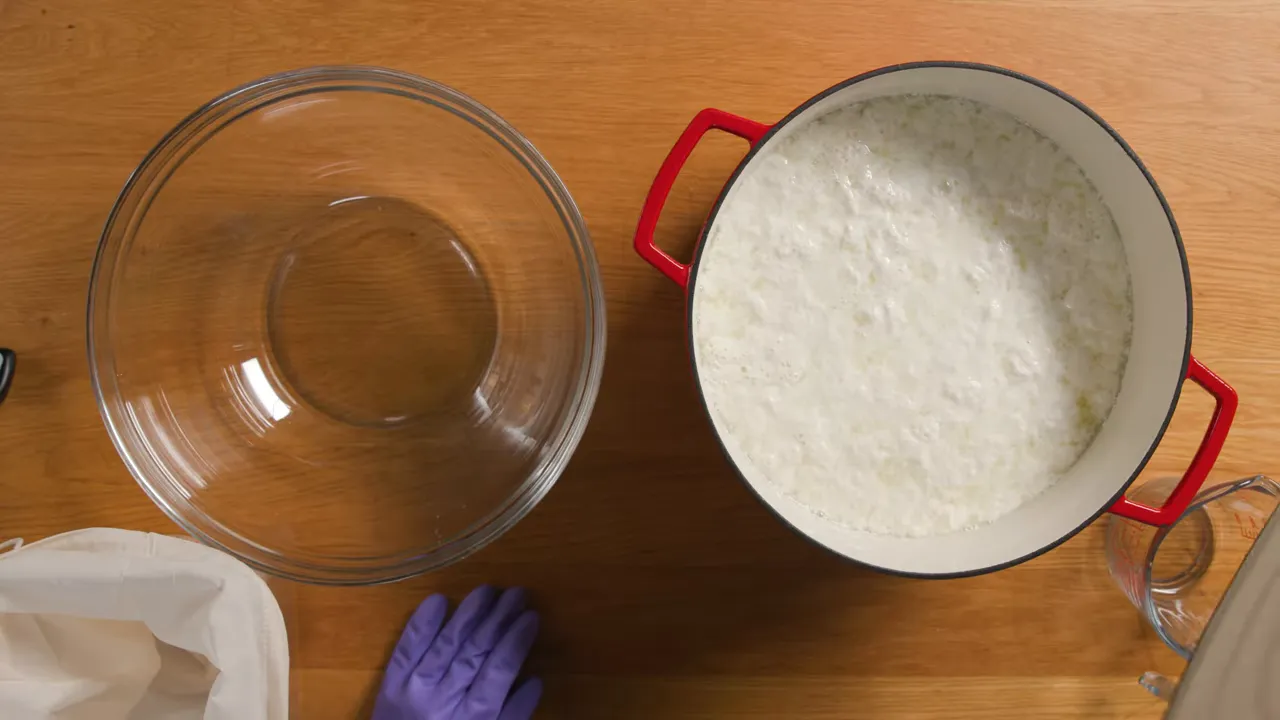
- Strain curds into a bag or fine sieve, reserving the whey. Squeeze gently to remove excess whey; keep the reserved whey for other uses or to adjust stretching temperature.
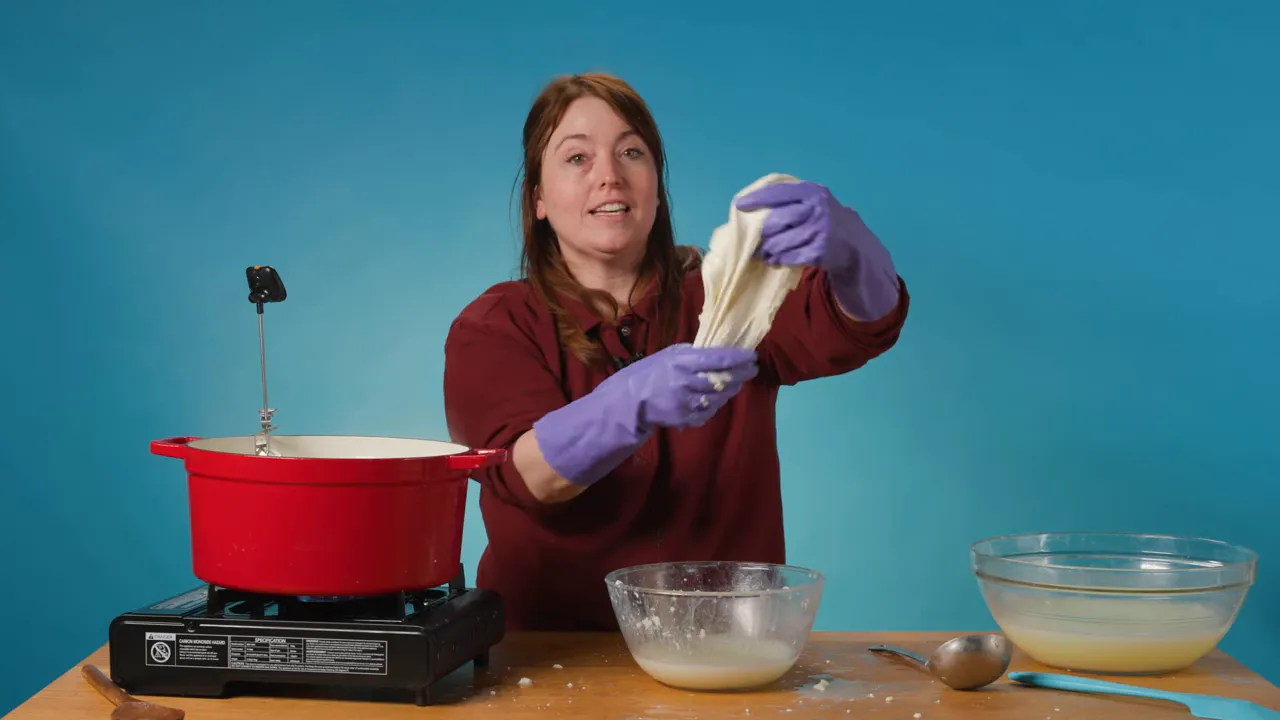
- Heat the reserved whey (or a pot of hot water) to about 180°F. Place curds in the hot liquid for short intervals, then fold and stretch like taffy. Repeat until cheese becomes glossy and elastic, about a few minutes. Rinse quickly in cold water or add some reserved whey to stop cooking and help the cheese hold shape.
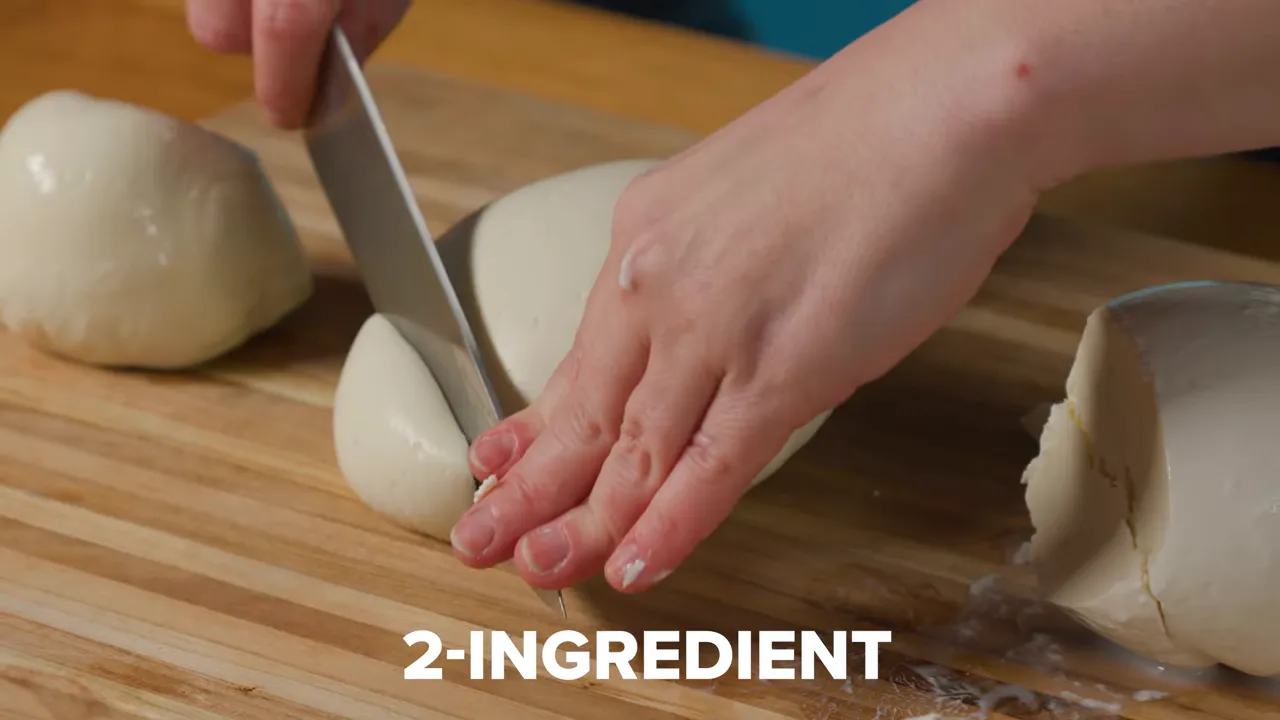
- Form into balls, chill briefly, and enjoy fresh.
Easy Method (minimal ingredients)
Ingredients
- 1 gallon whole milk
- White vinegar — about 1/4 to 1/2 cup, added slowly
- Kosher salt to taste
Method
- Heat the milk to 115–120°F (46–49°C). Remove from heat.
- Slowly stir in vinegar, a little at a time, until curds begin to separate from the whey. Let sit, covered, for 10 minutes.
- Pour curds into a nut-milk bag or fine sieve and squeeze out as much whey as possible. Some moisture is fine.
- Place curds in a microwave-safe bowl and microwave in 30-second bursts, folding between intervals, until the curd becomes pliable and begins to clump together. Add salt and knead like dough until smooth and glossy.
- Shape into balls, chill in the refrigerator for a few hours (flip once halfway through) so the cheese firms up.
Stretching and texture tips
Stretching is the magic that turns curds into mozzarella. Heat the curds until they are warm and stretchy, then fold and pull gently. Overworked curds can become dense, so stop once the cheese is glossy and springs back when pulled.
- Temperature control — keep heating brief but hot. For the quick method, 180°F whey works well for short dips. For the microwave method, short 30-second bursts are ideal.
- Salt distribution — sprinkle salt evenly across curds before stretching to avoid salty pockets.
- Stop the cook — dunk in cold water or add a splash of reserved whey to halt cooking and set the shape.
What to do with the whey
Whey is a nutritious byproduct and should not be discarded. Use it in:
- Sourdough starter or bread recipes as a liquid replacement
- Smoothies for added protein
- Cooking grains like rice or quinoa for a slight tang and extra nutrition
How the two methods compare
- Quick method — shinier, more elastic mozzarella that behaves like classic fresh cheese. Slightly more technique and specialty ingredients required.
- Easy method — minimal pantry ingredients and no rennet, but yields a softer, creamier curd with a light vinegar tang. Great for first-timers and those who prefer fewer specialty items.
Expert tips for reliable results
- Use whole milk. Low-fat milks produce weaker curds and less satisfying stretch.
- Watch temperatures. An instant-read thermometer prevents overcooking and ensures good curd formation.
- Dilute rennet for even distribution if using the quick method.
- Embrace the mess. Cheese-making is hands-on and a little messy, but that is part of the fun.
- Practice. Texture improves with experience. Each batch teaches how the curds should look and feel.
"It's like taffy pulling" — that delightful moment when curds transform into glossy, stretchy mozzarella.
Common questions
- Can I use store-bought milk? Yes, but avoid ultra-filtered or ultra-pasteurized styles for best curd formation.
- Is rennet necessary? No. The vinegar method avoids rennet and still makes lovely cheese, though the texture differs.
- How long does fresh mozzarella last? Best eaten within 3 days. Keep stored in lightly salted whey or airtight container in the fridge.
Give it a go
Making mozzarella is a joyful kitchen project that rewards curiosity and patience. Whether following the quick route for shiny, elastic balls or the easy path for a gentle, spreadable cheese, this cooking, easy recipes approach welcomes experimentation. Gather a gallon of milk, warm up the pot, and enjoy the warm, milky goodness of homemade mozzarella.
This article was created from the video How To Make Mozzarella Cheese From Scratch with the help of AI.
How To Make Fresh Mozzarella From Scratch — cooking, easy recipes for happy home cheesemaking. There are any How To Make Fresh Mozzarella From Scratch — cooking, easy recipes for happy home cheesemaking in here.

