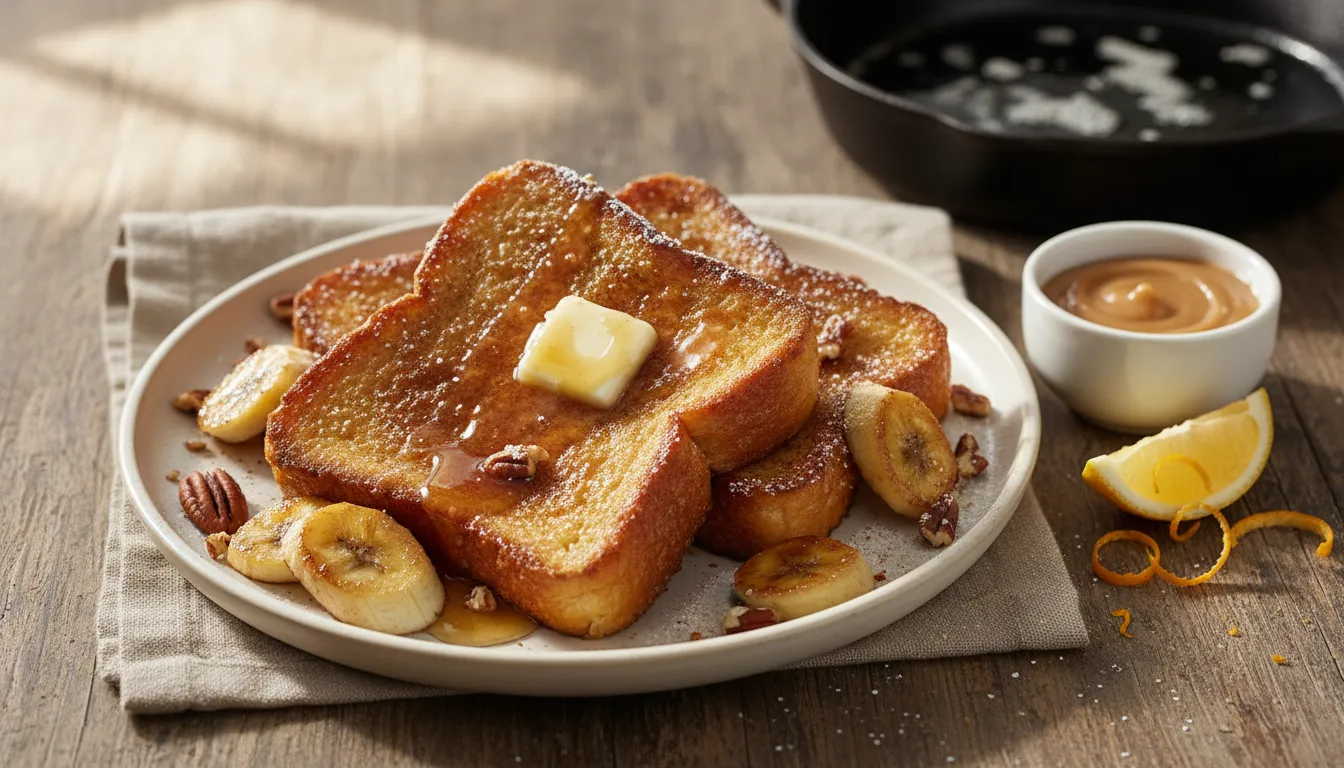
Sunny, buttery, and custardy, this brioche French toast recipe brings restaurant-quality brunch to the home kitchen. With a few chef-tested techniques — thick slices of brioche, a perfectly balanced batter, clarified butter for searing, caramelized bananas, toasted pecans, and a glossy maple butter — breakfast becomes a celebration. This guide focuses on practical tips and clear steps so anyone can recreate the signature dish with joy. Expect comforting textures, bright citrus notes, and that little sandy sprinkle of cinnamon sugar that makes each bite sing.
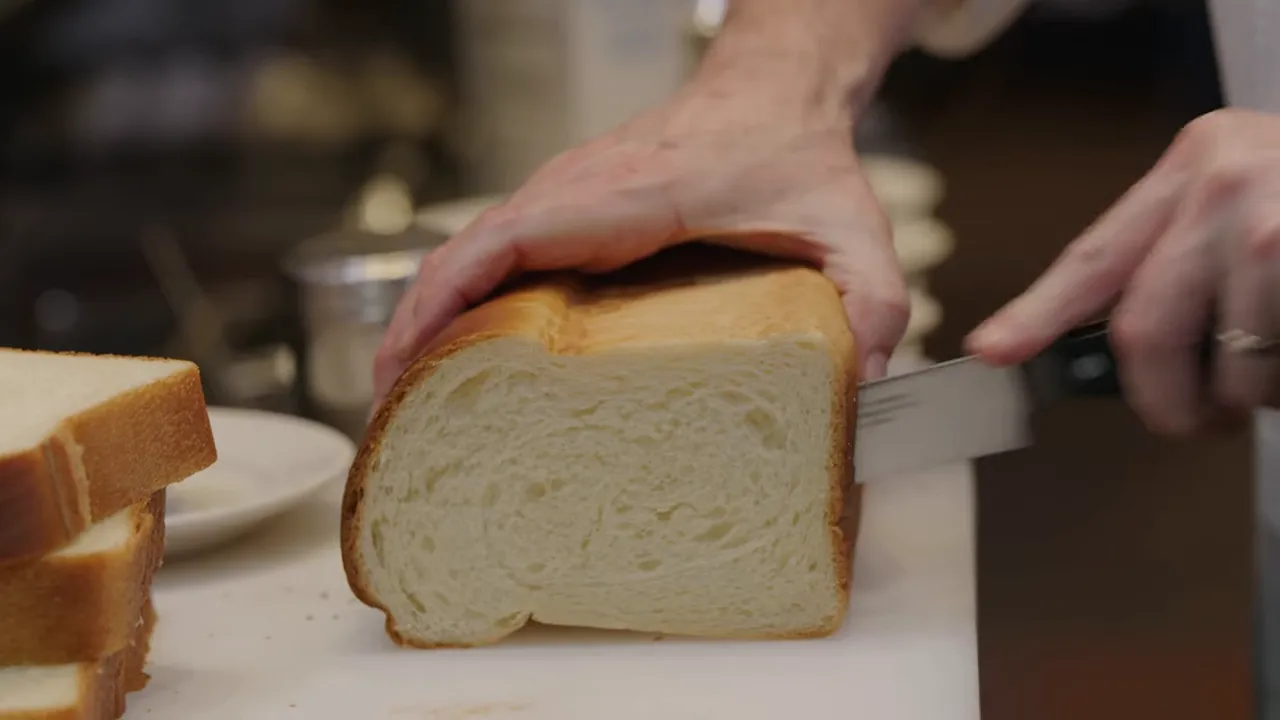
Why brioche matters
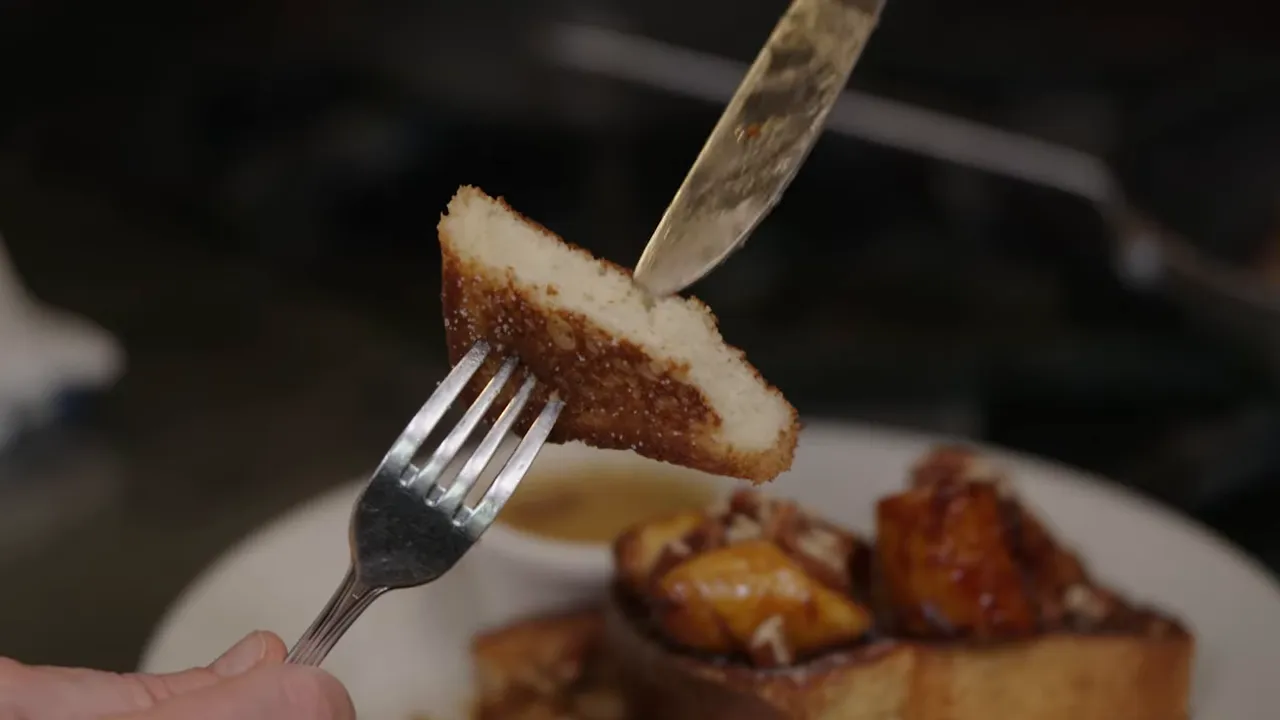
Brioche is a rich white bread made with eggs, egg yolks, and butter. It browns beautifully and stays tender inside while developing a golden crust. For the best texture, slice the loaf thick — about 1.5 to 2 inches. Day-old brioche soaks up the batter without falling apart, creating a custardy interior and crisp exterior. If brioche is not available, challah is a good substitute. If neither is possible, use a good quality day-old French bread, but the ultimate experience is with true butter-enriched brioche.
Ingredients (serves 4)
- 4 thick slices brioche (1.5 to 2 inches each)
- 3 cups half and half (half cream, half milk)
- 4 large eggs
- 1/2 cup granulated sugar
- 1 teaspoon pure vanilla extract plus optional 1 teaspoon vanilla paste
- 1/4 teaspoon ground cinnamon
- pinch of salt
- a few drops lemon oil or 1/2 teaspoon lemon zest and 1/4 teaspoon orange zest or oil
- clarified butter and a few knobs of whole butter for cooking
- 2 ripe bananas, cut into large chunks
- 2 tablespoons brown sugar and 1 tablespoon butter for bananas
- 1/2 cup maple syrup and 4 tablespoons butter for maple butter sauce
- 1/3 cup toasted pecans
- Cinnamon sugar for finishing
Essential equipment
- Square or shallow container for dipping
- Electric griddle or a heavy skillet/cast iron pan
- Nonstick pan for toasting pecans and caramelizing bananas
- Whisk and small saucepan
Method
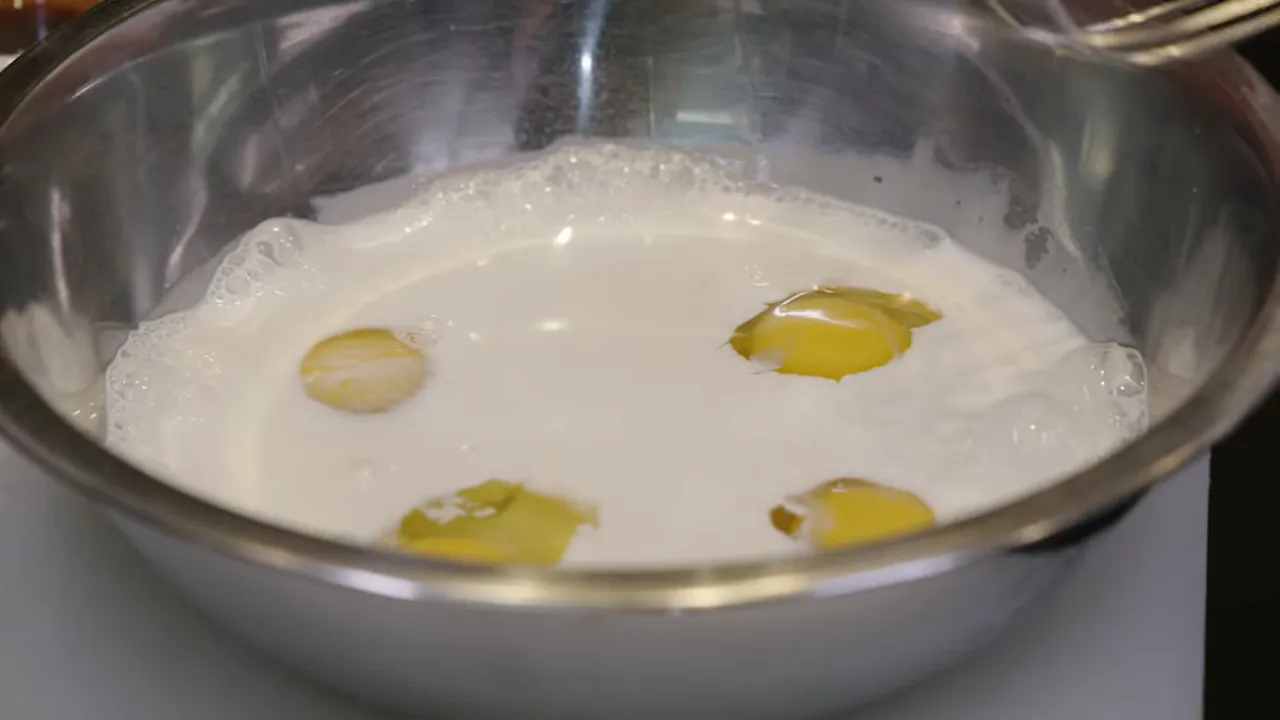
- Make the batter. Whisk eggs and half and half together. Aim for a ratio of roughly three parts half and half to one part egg. Whisk until smooth and slightly golden. Add vanilla, vanilla paste if using, sugar, cinnamon, salt, and citrus oils or zests. The final consistency should feel like heavy cream.
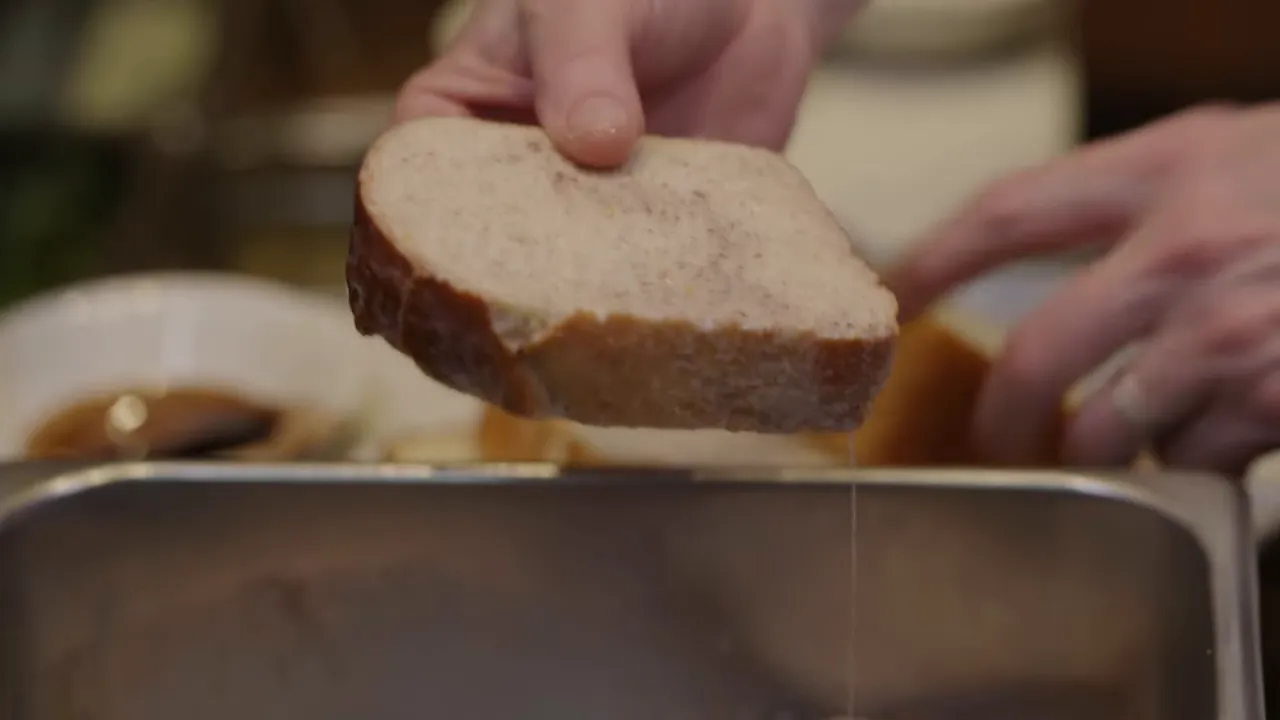
- Soak the bread. Dip each brioche slice briefly in the batter, letting it absorb but not become soggy. Hold upright briefly so excess drains. The goal is saturated but not oversoaked; oversoaking leads to a loose egg ring and an uneven cook.
- Heat the griddle. Set a griddle to about 350 degrees Fahrenheit if using a thermometer. In a skillet, start medium high then reduce slightly. Melt clarified butter to coat the surface so the butter will not burn.
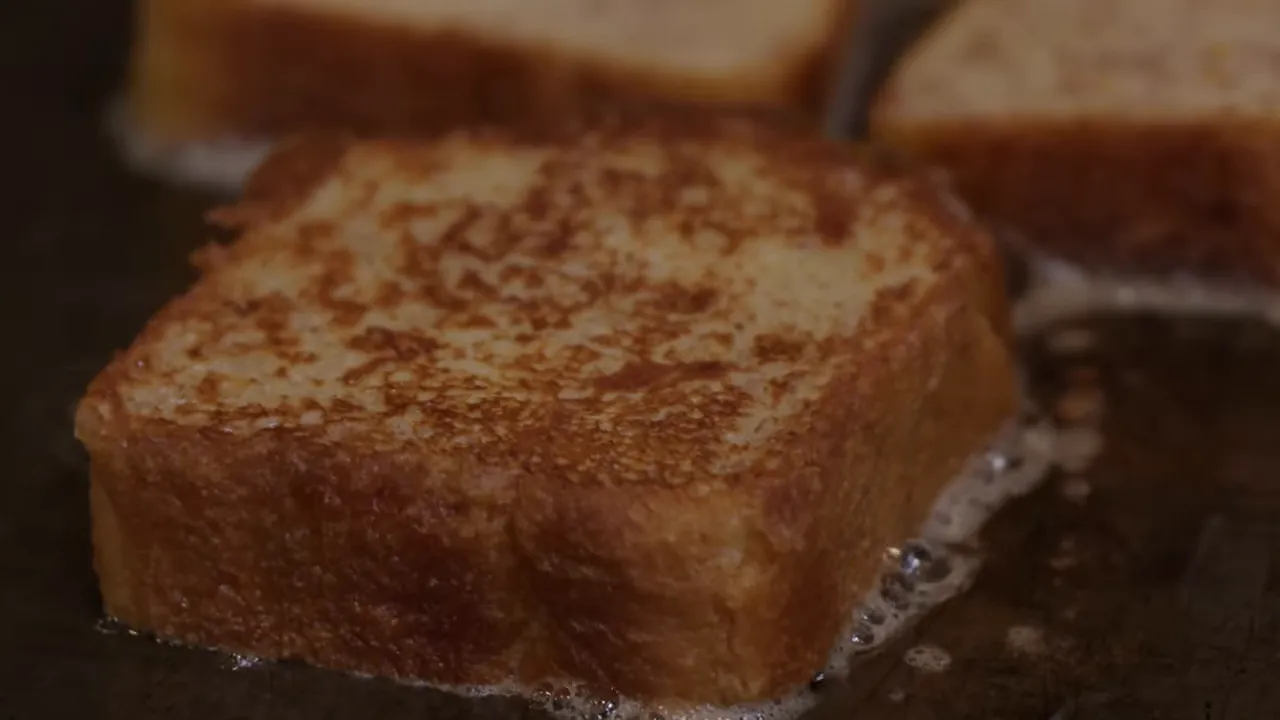
- Sear the slices. Place soaked brioche on the griddle. Add small knobs of whole butter between batches to promote caramelization. Cook about 2 to 3 minutes per side until golden brown and speckled with cinnamon. Test doneness by gently pressing; a light spring back means cooked through.
- Caramelize bananas. In a small pan, melt brown sugar and butter until syrupy, add a pinch of cinnamon sugar, then toss in thick banana chunks. Swirl until coated and smoky caramel forms. Remove from heat to avoid overcooking.
- Make the maple butter. Warm real maple syrup in a small saucepan over low to medium heat. Whisk in tablespoons of cold butter one at a time, creating a lighter butterscotch colored sauce. Keep warm but do not boil.
- Toast the pecans. Quickly toast pecans in a dry nonstick pan to release oils and deepen flavor. Avoid burning.
- Assemble. Shingle the French toast slices on a plate, top with caramelized bananas and toasted pecans, drizzle maple butter, and finish with a sprinkle of cinnamon sugar.
Expert tips for restaurant results
- Use clarified butter: It allows a higher cooking temperature and prevents burning while developing color.
- Thickness matters: Thick slices trap custardy center and give a three-dimensional look.
- Balance batter ratios: Too much milk makes it floppy; too many eggs makes it rubbery. Aim for a heavy cream consistency.
- Let day-old bread rest: Freshly baked brioche needs a day to firm up for ideal soaking.
- Don’t flip constantly: Give each side time to develop color and cook the eggs inside.
- Real vanilla and citrus nuance: Pure vanilla and a touch of lemon or orange zest lift the flavors beyond basic French toast.
Serving ideas and storage
Serve with extra maple butter and a steaming cup of coffee for an indulgent brunch. Leftover French toast keeps well in the refrigerator for 2 days. Reheat gently in a skillet or oven to restore crispness. The maple butter can be refrigerated and gently rewarmed before serving.
Tips for substitutions
- Challah can replace brioche with similar results.
- If vanilla paste is unavailable, increase pure vanilla extract slightly.
- Use orange or lemon zest instead of citrus oils for a natural swap.
Final notes
This approach distills what makes great French toast delightful: the right bread, thoughtful batter, careful soaking, gentle heat control, and a few bright finishing touches. It is an invitation to celebrate breakfast with comforting textures and joyful flavors. The simple act of cooking, recipes, bon apetit becomes a small ritual that makes Sunday mornings feel special.
This article was created from the video How NYC’s Best French Toast is Made | Made to Order | Bon Appétit with the help of AI.
How to Make Perfect Brioche French Toast — cooking, recipes, bon apetit. There are any How to Make Perfect Brioche French Toast — cooking, recipes, bon apetit in here.

