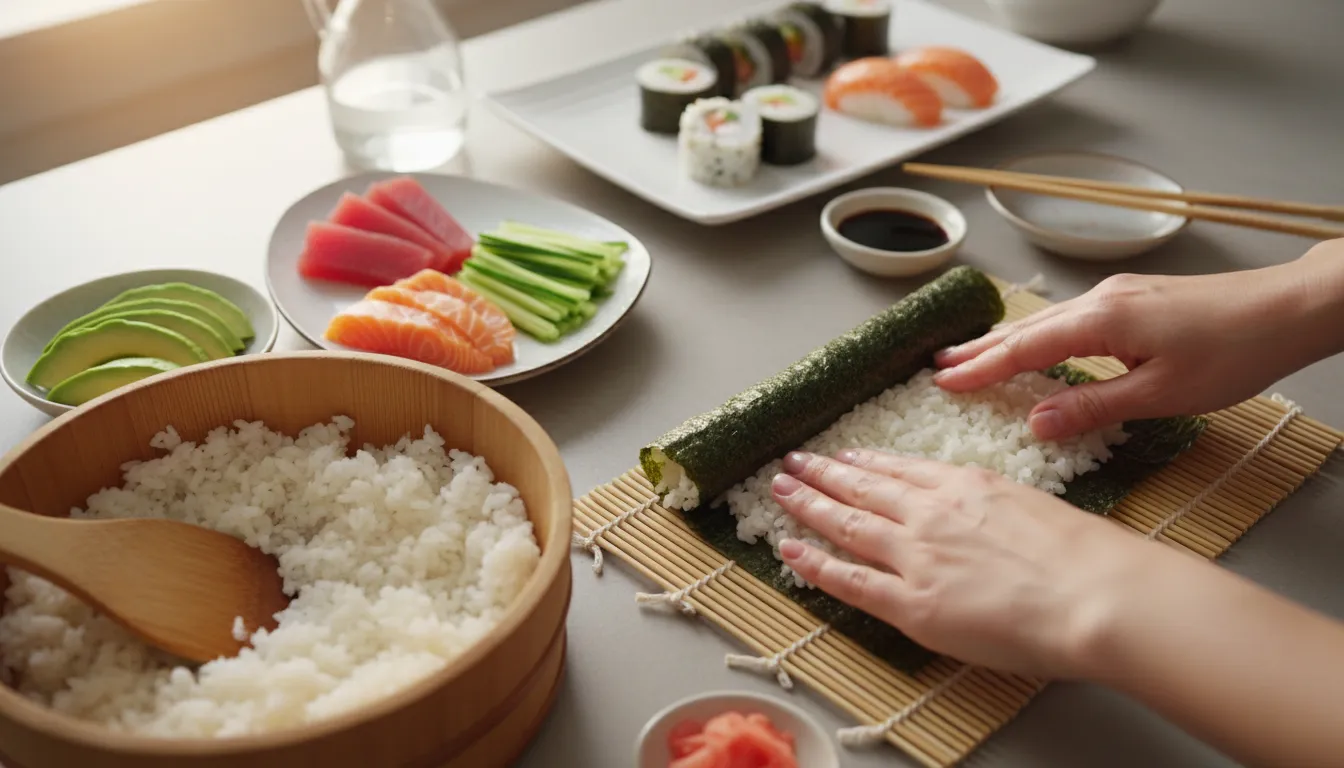
Home cooks can make restaurant-quality sushi with a few techniques, a little practice, and a happy attitude. This guide focuses on the three essentials—how to cook and season sushi rice, how to roll three popular styles, and smart tips for eating and serving. It’s a friendly collection of cooking, recipes, bon apetit–style secrets that anyone can use.
Why the rice matters
Sushi begins with rice. Short-grain rice is traditional because it has the right stickiness and texture, but any short-grain or medium-grain variety will work in a pinch. The important steps are thorough rinsing, proper soaking, careful cooking, and gentle seasoning.
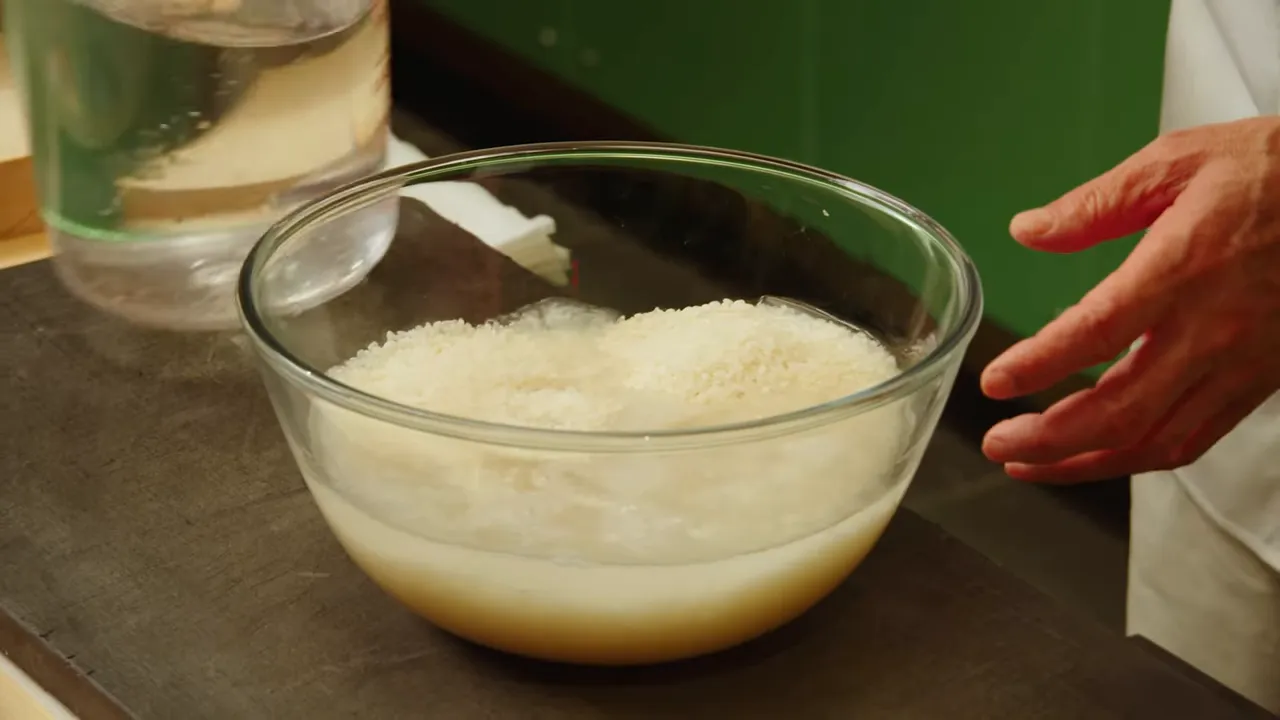
Step-by-step rice method
- Rinse repeatedly until the water runs clear. This removes surface starch and any dust so the grains cook evenly.
- Soak the rinsed rice in water for at least 30 minutes so moisture penetrates every grain. This helps uniform cooking.
- Cook on high until boiling, then cover and simmer low for about 12 to 15 minutes. Let it rest off the heat for 10 minutes before opening the lid.
- Transfer the hot rice to a shallow wooden bowl if available. A Hangiri or any wide bowl helps cool and season the rice quickly and evenly.
Seasoning the rice
Seasoned sushi rice is rice plus sushi vinegar. The vinegar is both flavor and a historic preservative. Mix rice vinegar (often with a little sugar and salt) evenly over the rice, and fold gently to coat each grain without smashing the rice.
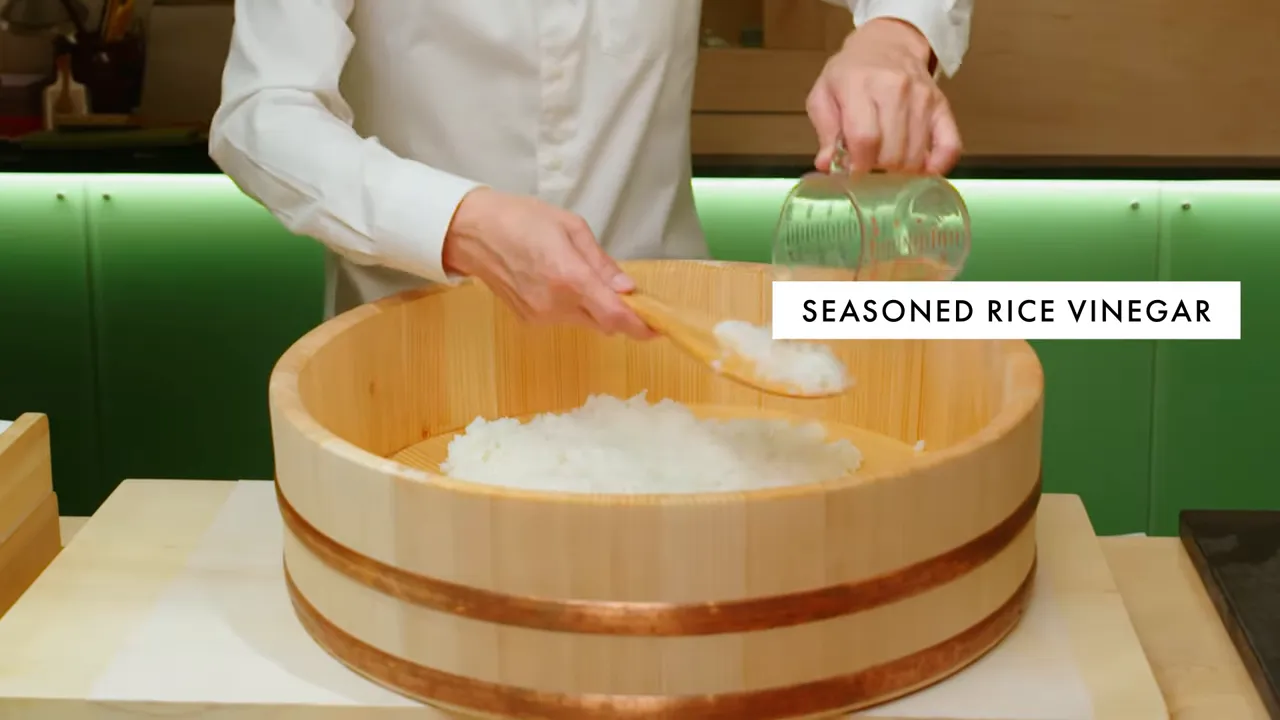
Keep the rice slightly warm and fluffy. Avoid pressing it into a paste. The goal is glossy, separate grains that hold together when shaped but still feel light.
Three easy rolls to try
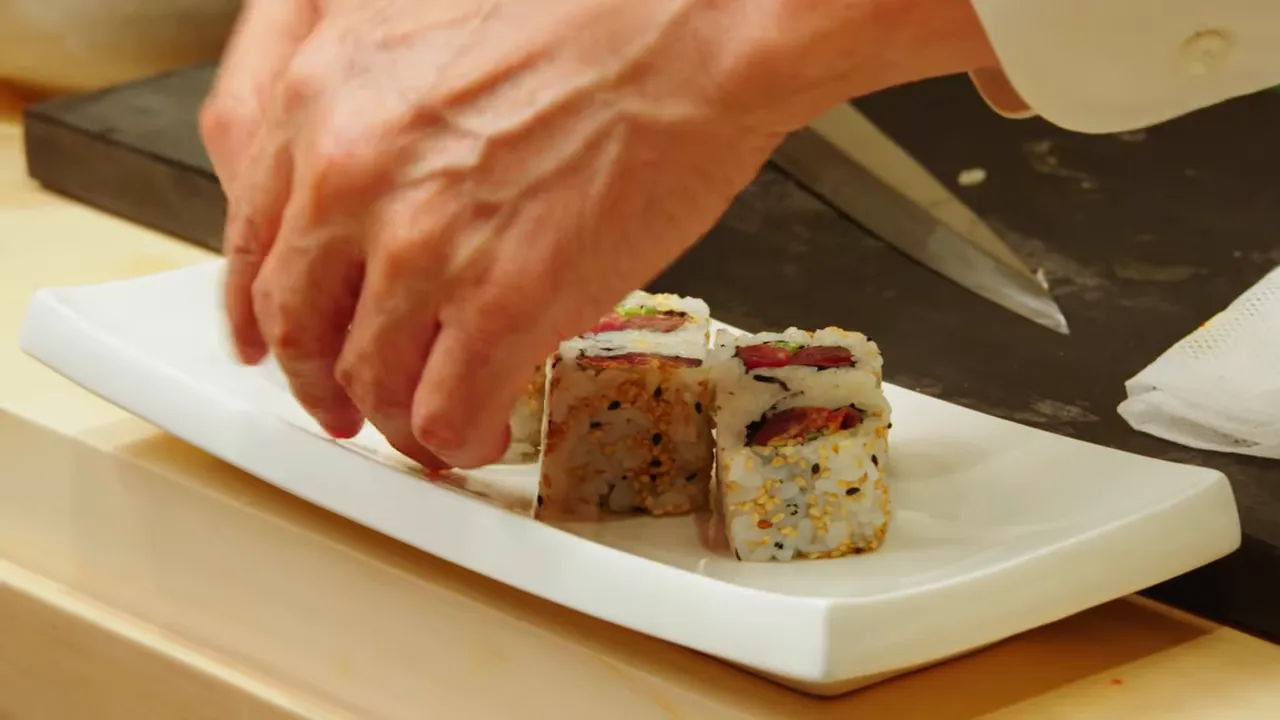
1. Inside-out Spicy Tuna Roll (Uramaki)
This roll features rice on the outside, sesame for texture, and spicy tuna on the inside. It is playful and forgiving—great for home chefs.
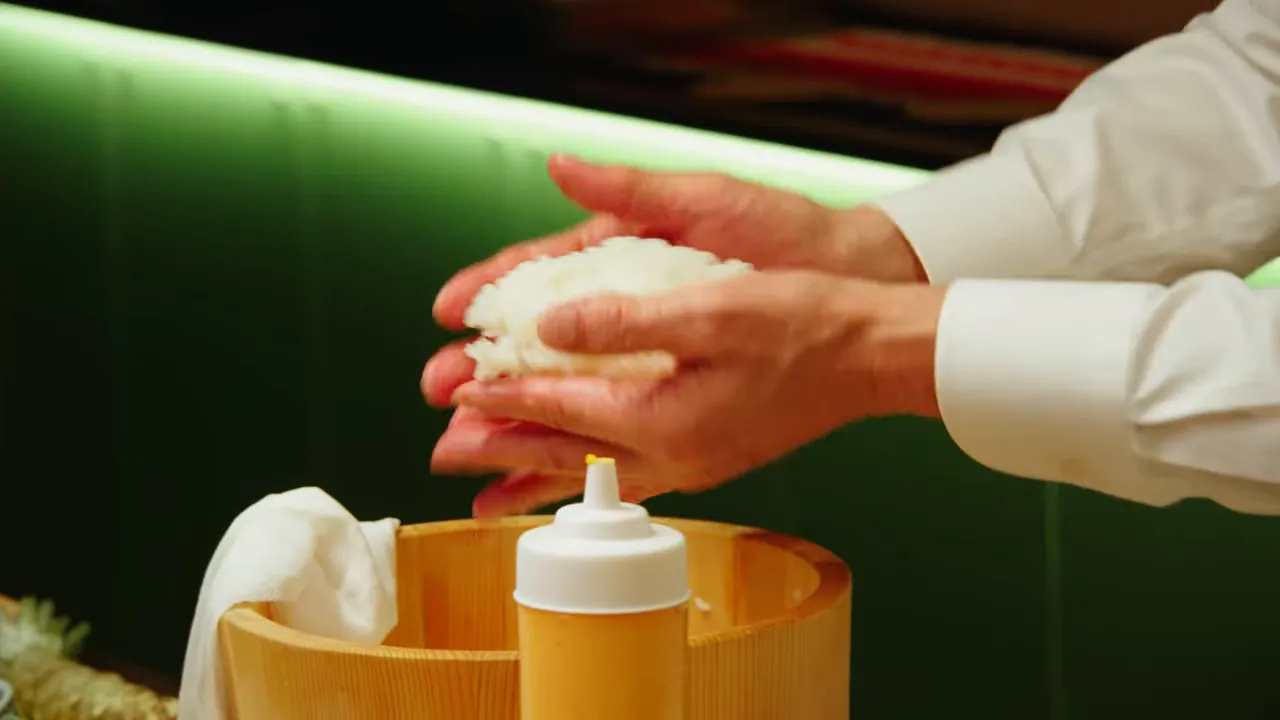
- Make rice balls about the size of a large lemon and spread them evenly on a nori sheet laid on a plastic-covered bamboo mat.
- Spread sesame seeds on the rice side if desired, then flip the nori so the rice faces down and the nori faces up.
- Place spicy mayonnaise-mixed tuna and your choice of fillings—cucumber, avocado, or asparagus—along the nori. Use the mat to roll, squeeze gently, then press to seal.
- Moisten the knife and slice in smooth strokes so the roll keeps a clean shape.
2. Yellowtail and Scallion Roll (Nori Outside)
A classic roll with the nori on the outside shows off crisp seaweed texture and delicate fish flavor. Use slightly less rice than for inside-out rolls so the nori seals properly.
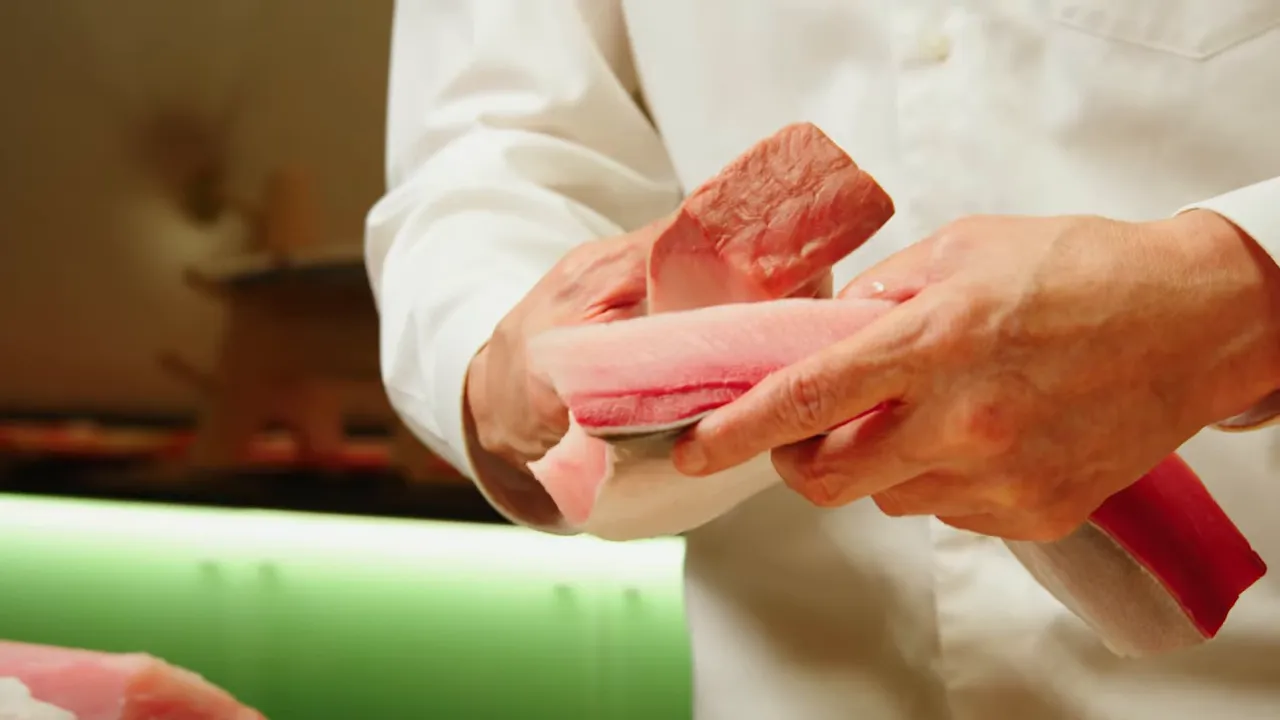
- Place shiny-side-down nori on the mat and spread a thin, even layer of rice, leaving a half-inch border at the top edge.
- Lay thin slices of yellowtail and scallion in the center. Roll with the bamboo mat, pressing and squeezing gently to form a tight cylinder.
- Slice with a wet knife and serve with fresh wasabi for an aromatic touch.
3. Salmon Avocado Hand Roll (Temaki)
Hand rolls are joyful and casual: nori cones filled with rice, spicy mayo, avocado, and salmon. They are best eaten immediately so the seaweed stays crisp.
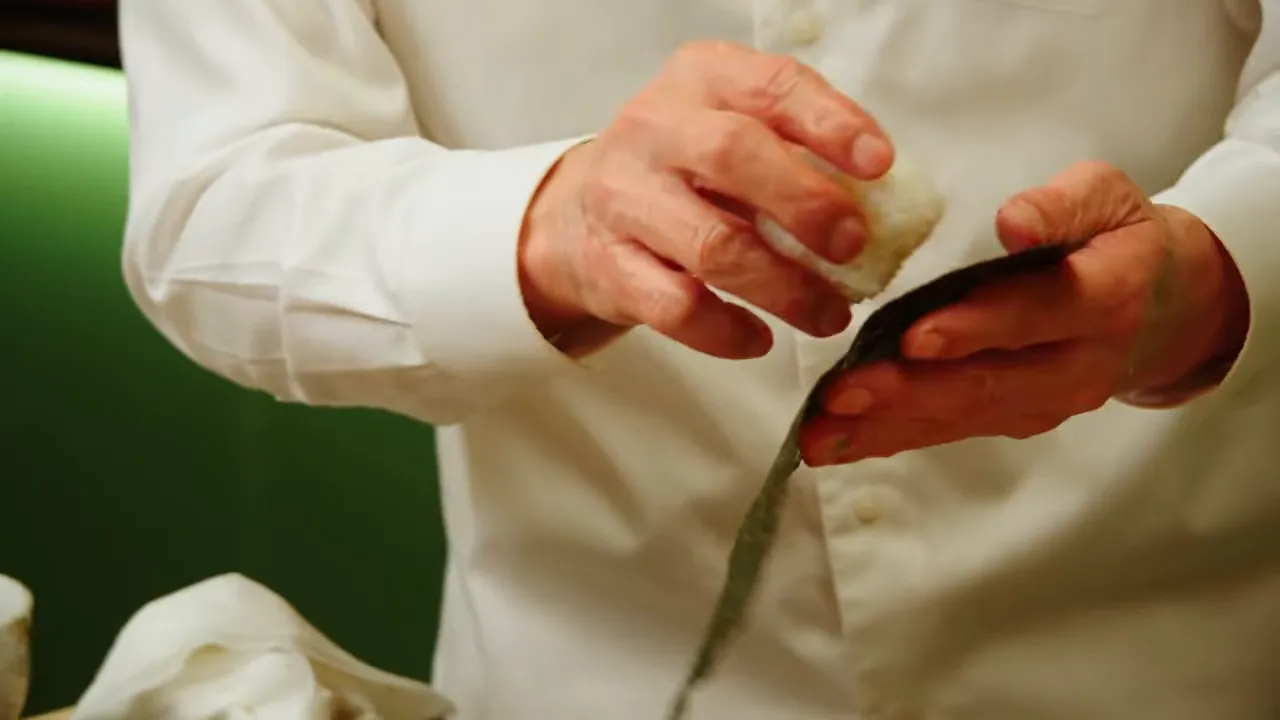
- Cut nori into quarters. Make a small triangle of rice a little larger than a golf ball and place it near the bottom corner.
- Add spicy mayo, avocado, and a slice of salmon, then roll into a cone with both hands.
- Serve immediately so the nori is still crunchy.
How to eat sushi like a pro
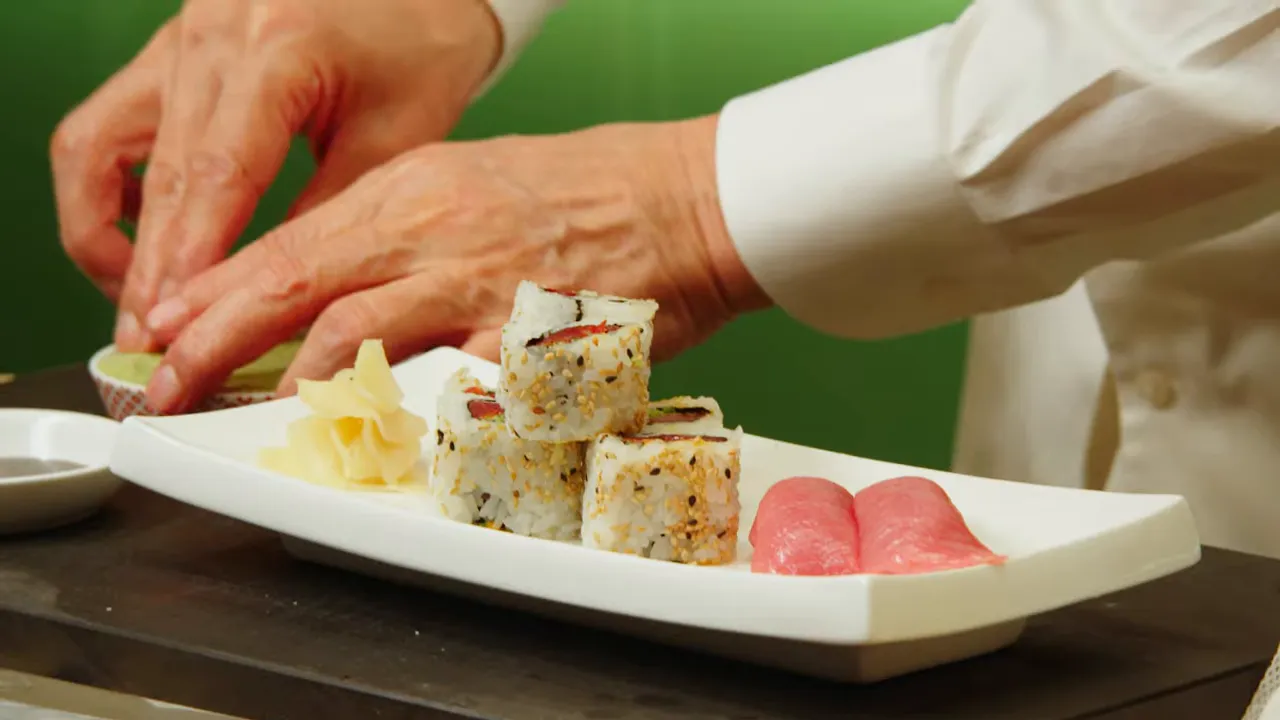
Eating sushi is part of the experience. Use fingers or chopsticks, dip the fish side lightly into soy sauce, and avoid soaking rice in the sauce. Wasabi is often already inside nigiri; avoid mixing it into the soy sauce to keep flavors distinct. Use pickled ginger between bites to refresh the palate.
No rule is my rule.
Expert tips and troubleshooting
- If rice gets mushy the most common causes are too much water, overmixing, or pressing the rice too hard when shaping. Be gentle and follow the soak-and-rest timings.
- Use a damp knife when slicing rolls to prevent sticking and to make smooth cuts.
- Keep fillings balanced so sauces do not leak. A little spicy mayo goes a long way—balance is the secret to clean hand rolls.
- Fresh wasabi has brighter aroma than prepared paste, but store-bought paste is an acceptable, spicier substitute.
- Practice makes playful—rolling gets easier the more often someone tries it. Encourage experimentation with fillings and textures.
Try it this weekend
These steps and tips aim to bring the joy of sushi to any kitchen. With careful rice, thoughtful seasoning, and playful rolling, anyone can make satisfying cooking, recipes, bon apetit–worthy sushi at home. Gather friends, prepare a few fillings, and celebrate fresh flavors.
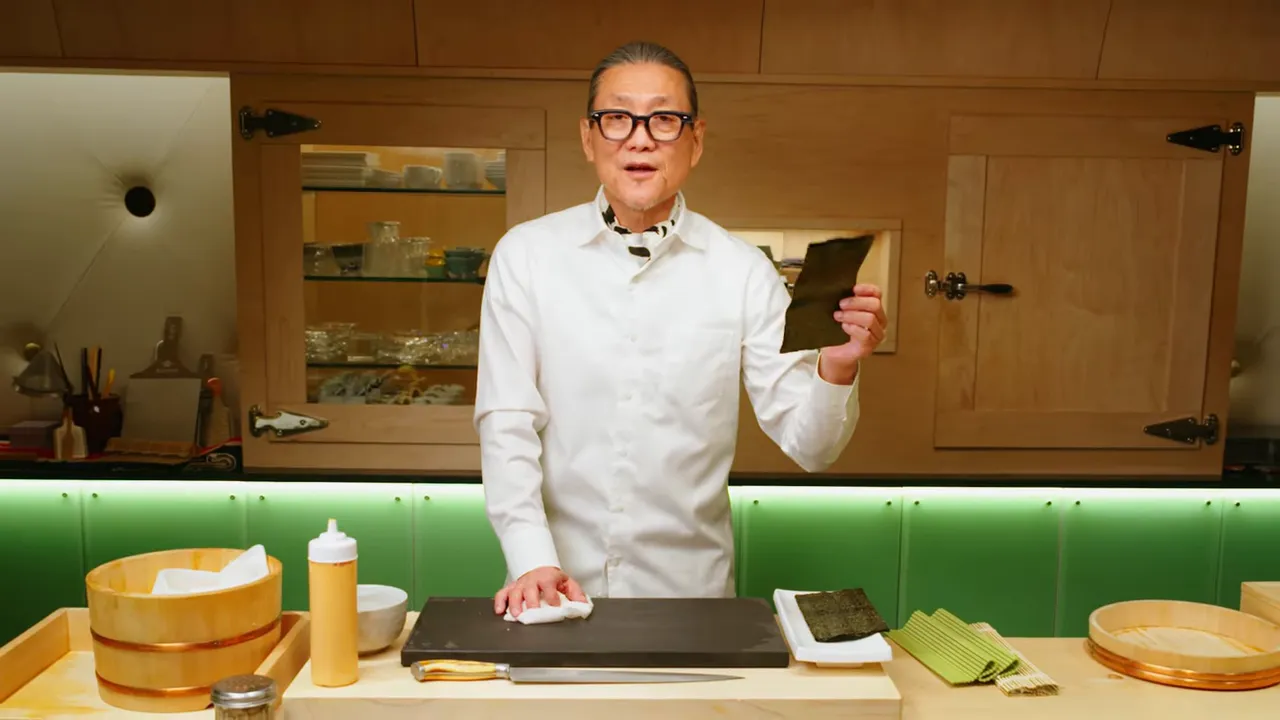
This article was created from the video How One of the World's Best Japanese Chefs Makes Sushi | Made to Order | Bon Appétit with the help of AI.
Perfect Sushi at Home: cooking, recipes, bon apetit. There are any Perfect Sushi at Home: cooking, recipes, bon apetit in here.

