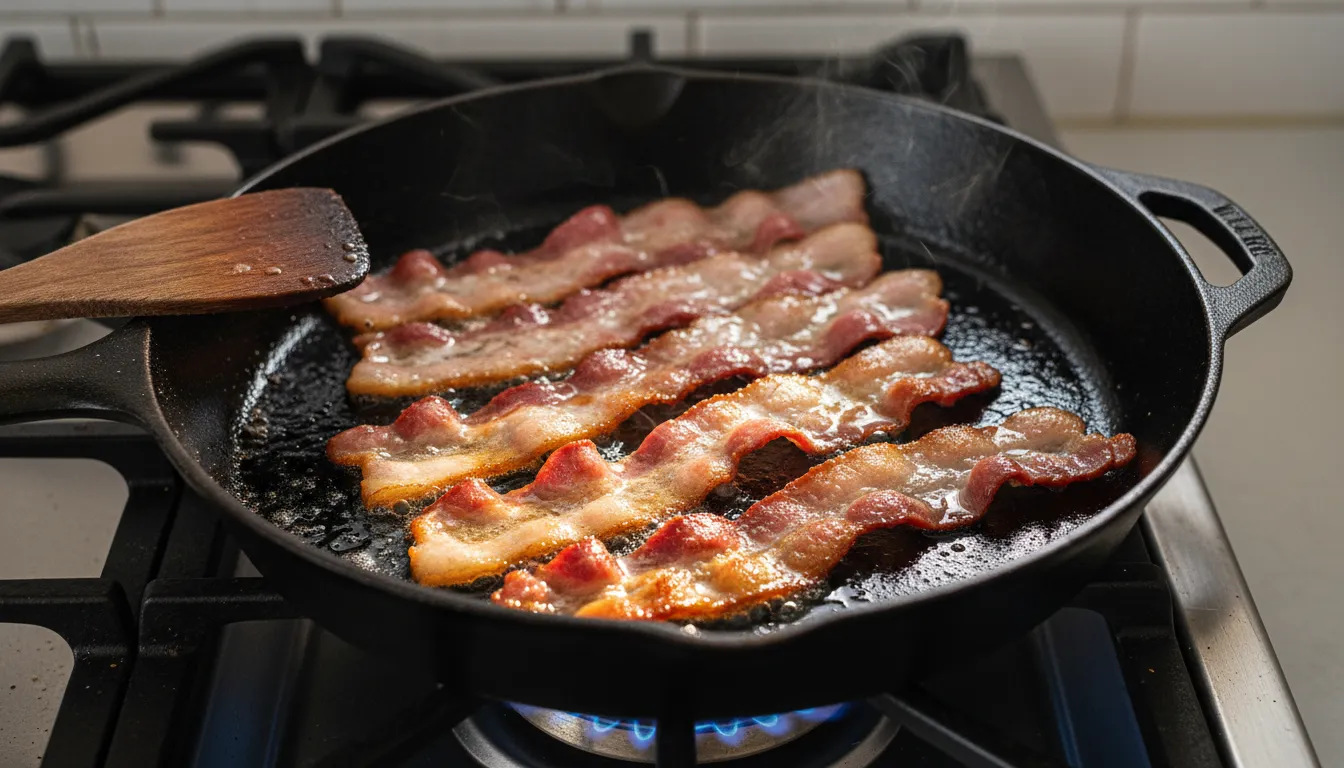
Why bacon can be inconsistent
Bacon brings joy, but getting every strip to behave can be tricky. Home cooks often see strips that buckle, patchy-brown, or dry out on the meaty bits. Those issues happen because meat and fat contract at different rates and because hot metal browns the parts touching it faster than the rest. This guide offers simple, tested methods for reliably delicious bacon while keeping the spirit of cooking, recipes, bon apetit alive in the kitchen.
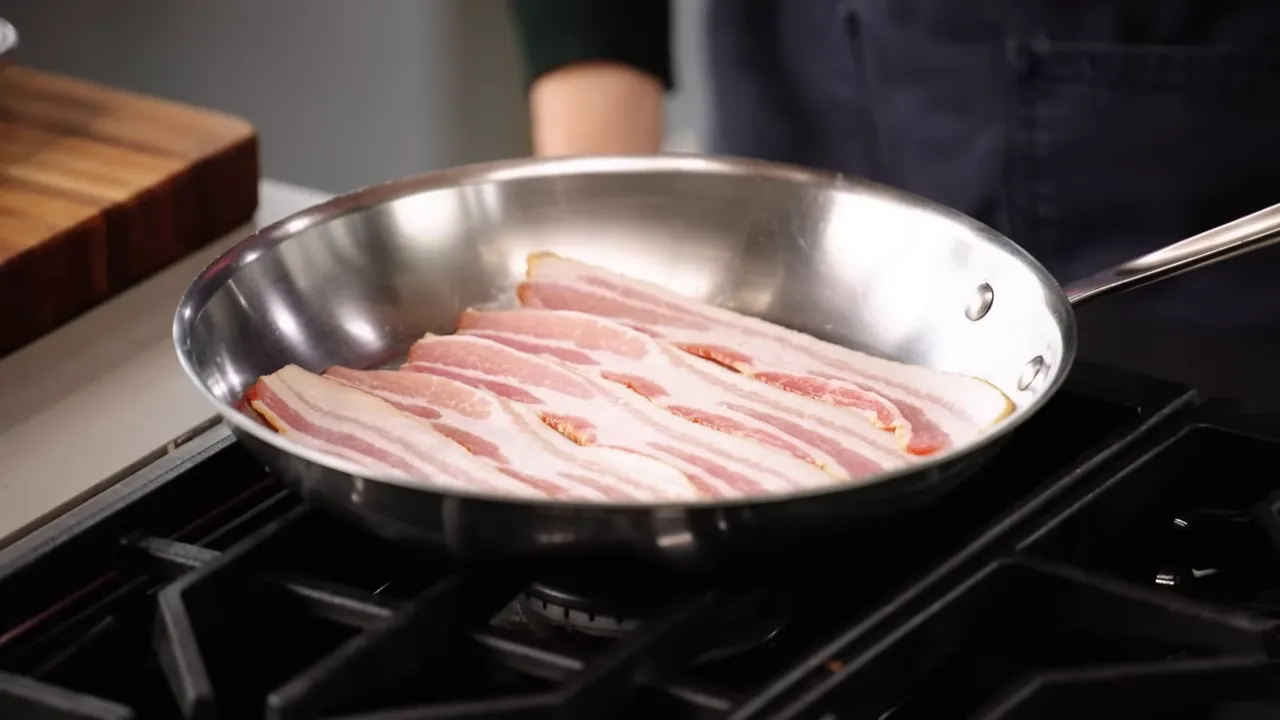
Stovetop basics: the familiar skillet
Traditional skillet cooking works fine for small batches. Start with a cold pan if the goal is gentle rendering, then set heat to medium. The loud sizzle at first is water boiling out; quieter sizzling means the bacon is getting crisp. Visual cues matter:
- Quarter-inch bubbles mean still-rendering, chewy-tender bacon.
- Smaller bubbles and a foamy surface indicate crispier strips.
- Listen — quiet bacon is crispy bacon.
The water trick: an easy secret for even results
Adding a little water transforms skillet cooking. Pour about a quarter cup of water for a few slices and bring to a simmer. The water gently conducts heat, prevents early browning where bacon touches the pan, and reduces buckling. As the water disappears, the rendered fat takes over and the bacon fries evenly.
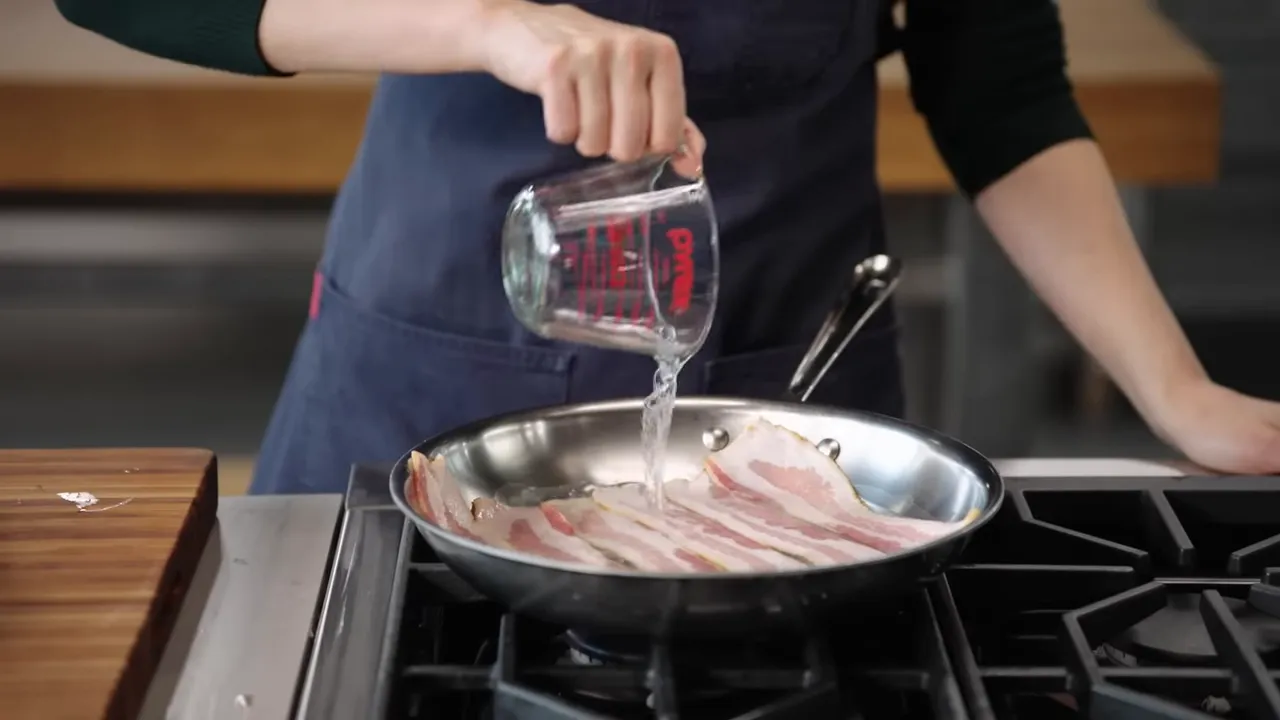
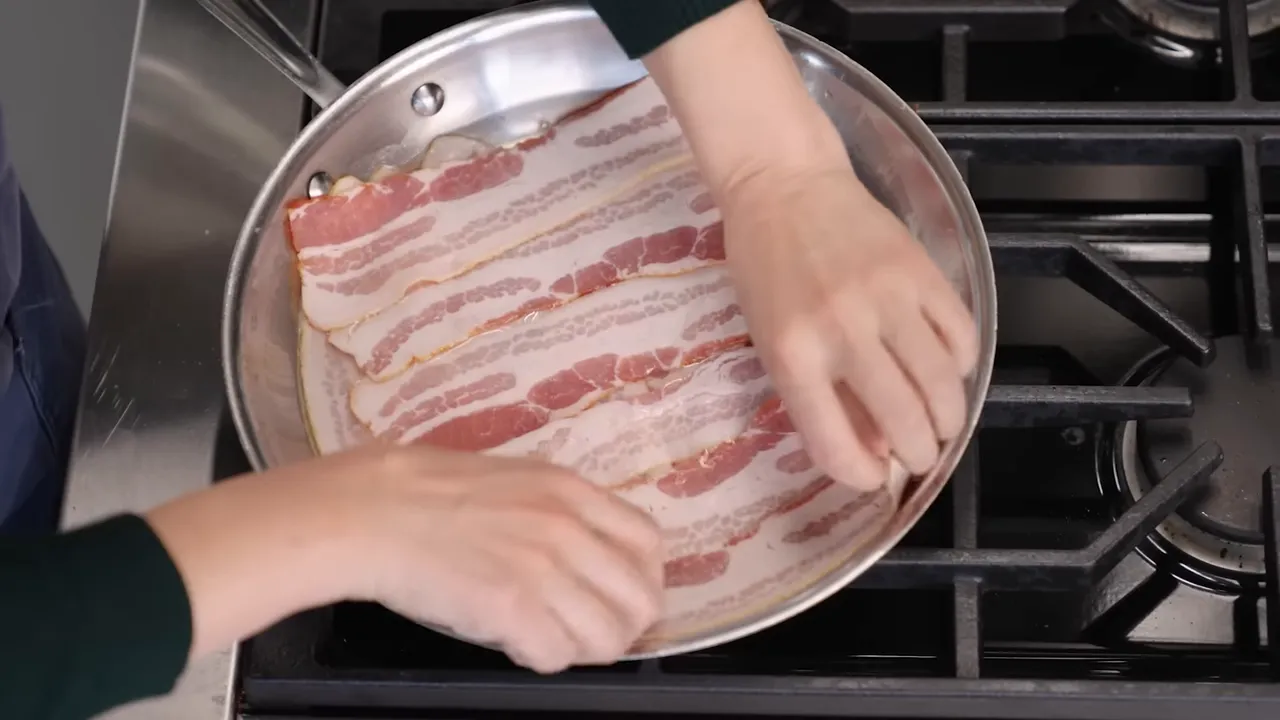
This method produces uniform browning, more tender meaty bits, and less tending at the stove. For a full package in one pan, scale to about one cup of water, layer the bacon in perpendicular rows, and simmer 15 to 20 minutes before finishing in the rendered fat. Stirring as the water evaporates helps all pieces brown evenly without worrying about perfect, single-layer placement.
Oven method: hands-off and great for crowds
When the goal is large quantities and minimal babysitting, the oven wins. Lay strips on a sheet pan (touching is fine, just don’t overlap) and bake at 400°F. Rotate the pan once after about five minutes; a typical package finishes in 12 to 15 minutes. The oven delivers consistently browned slices and frees up burners for other dishes — a true kitchen multitasker that aligns with cooking, recipes, bon apetit sensibilities.

Shopping smart: center-cut, uncured, and thick cut explained
- Center-cut trims fatty ends from the belly for less fat per slice. It costs more because fat removed becomes waste.
- Uncured or nitrite-free labels can be misleading. Producers sometimes use natural nitrite sources like celery powder. Lab tests show some “uncured” products have similar nitrite levels to cured ones.
- Thick-cut offers meatier bites and suits recipes where crispness is less critical. Thicker slices take longer to cook because they hold more water.
Practical tips for perfect bacon every time
- Choose the method to match the meal: skillet with water for a small, perfectly textured batch; oven for feeding a group.
- Pay attention to sound and bubbles: sizzle quieting and foamy fat signal readiness.
- Drain while hot: bacon pulls apart more easily and will crisp as it cools if laid flat on paper towels.
- Use the fat: reserved bacon fat is great for frying eggs, sautéing greens, or adding flavor to roasts.
Quick takeaways for happy home cooks
- Adding a small amount of water to skillet bacon yields more uniform browning and tender meaty bits.
- The oven is best for quantity and convenience, finishing a package in about 12 to 15 minutes at 400°F.
- Label claims like uncured may not mean zero nitrites; check ingredients for celery powder or similar additives.
- Match thickness to purpose: thin for fast, crispy results; thick for hearty, chewy bites.
- Keep the kitchen joyful: quiet sizzling often equals perfectly crispy bacon — a simple rule that delivers consistent smiles and aligns with cooking, recipes, bon apetit.
Which style makes breakfast brighter: crispy and crackly or tender and a little chewy? Whether the kitchen is testing techniques or serving a feast, these methods help every cook create better bacon with confidence and cheer.
This article was created from the video The Best Way To Cook Bacon? | Techniquely with Lan Lam with the help of AI.
The Best Way to Cook Bacon? A Happy Guide to Perfect Slices — cooking, recipes, bon apetit. There are any The Best Way to Cook Bacon? A Happy Guide to Perfect Slices — cooking, recipes, bon apetit in here.

