Key takeaways
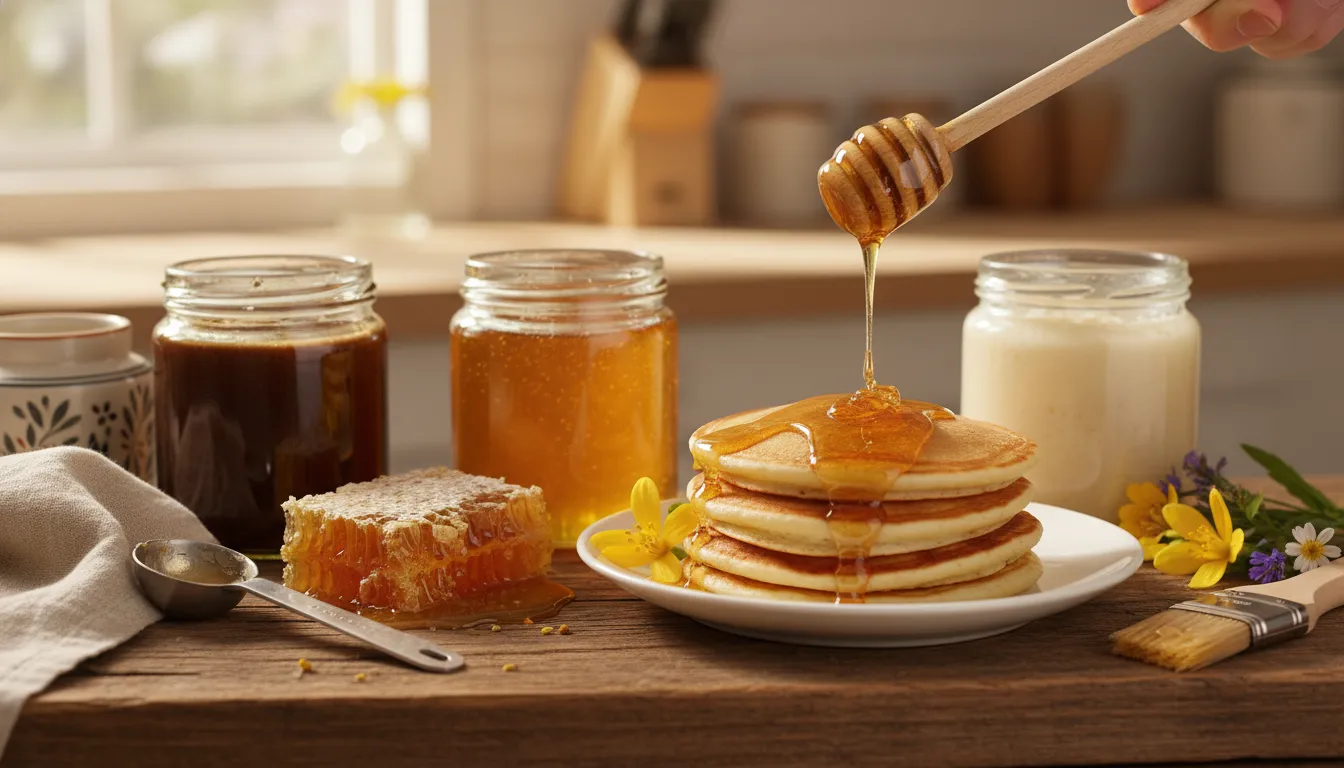
- Buy raw and unfiltered when possible to preserve complex flavors.
- Single-flower honey tastes like terroir; multi-flower honey is more balanced.
- Creamy honey is deliberately crystallized for a spreadable texture.
- Bold honeys like buckwheat stand in for maple syrup; lighter orange blossom or multi-flower honeys are great in delicate desserts.
Honey has been collected for thousands of years and now fills grocery shelves with delightful options for cooking, recipes, bon apetit moments. Choosing the right jar can transform pancakes, dressings, glazes, and baked goods from ordinary to joyful.
Raw versus heated: what to look for on the label
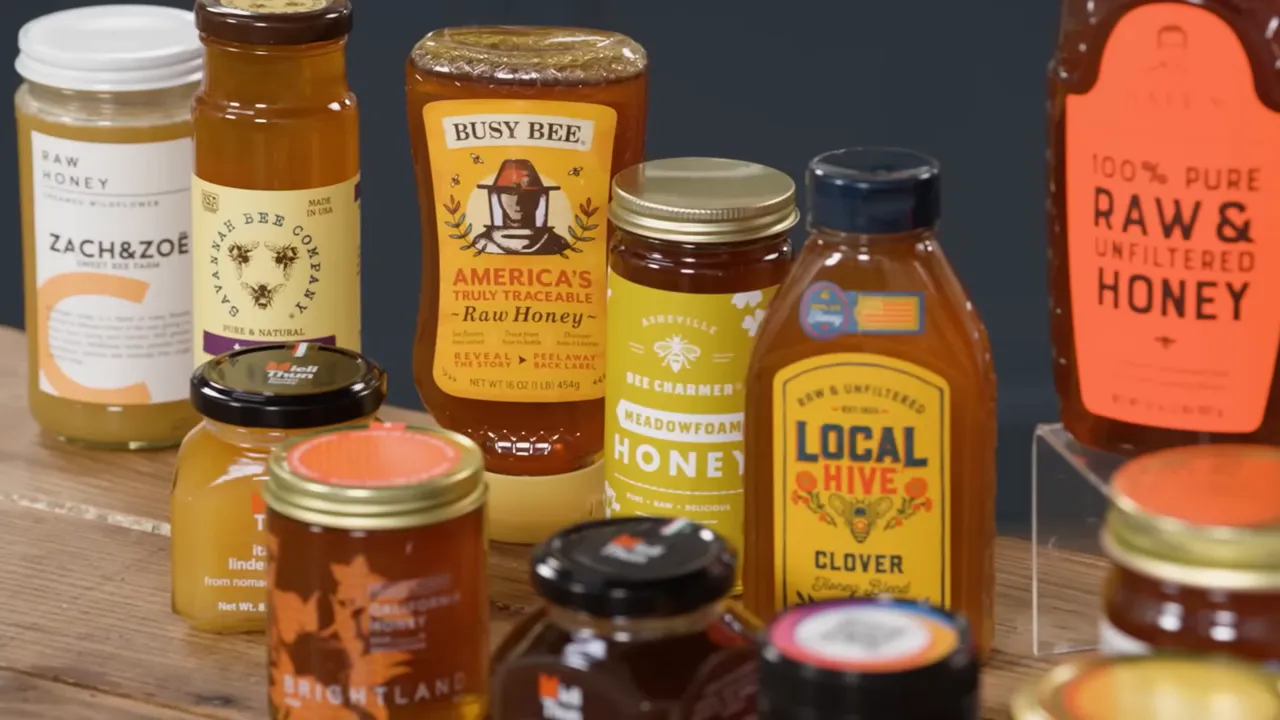
The most important shopping rule is to reach for raw, unfiltered honey. Heating honey slows crystallization and makes it look smooth, but it also flattens those delicate aromatics that give honey its character. Raw honey keeps the complex floral notes intact, so it smells and tastes like the place and season where the bees foraged.
Single-flower or multi-flower: choose your flavor adventure
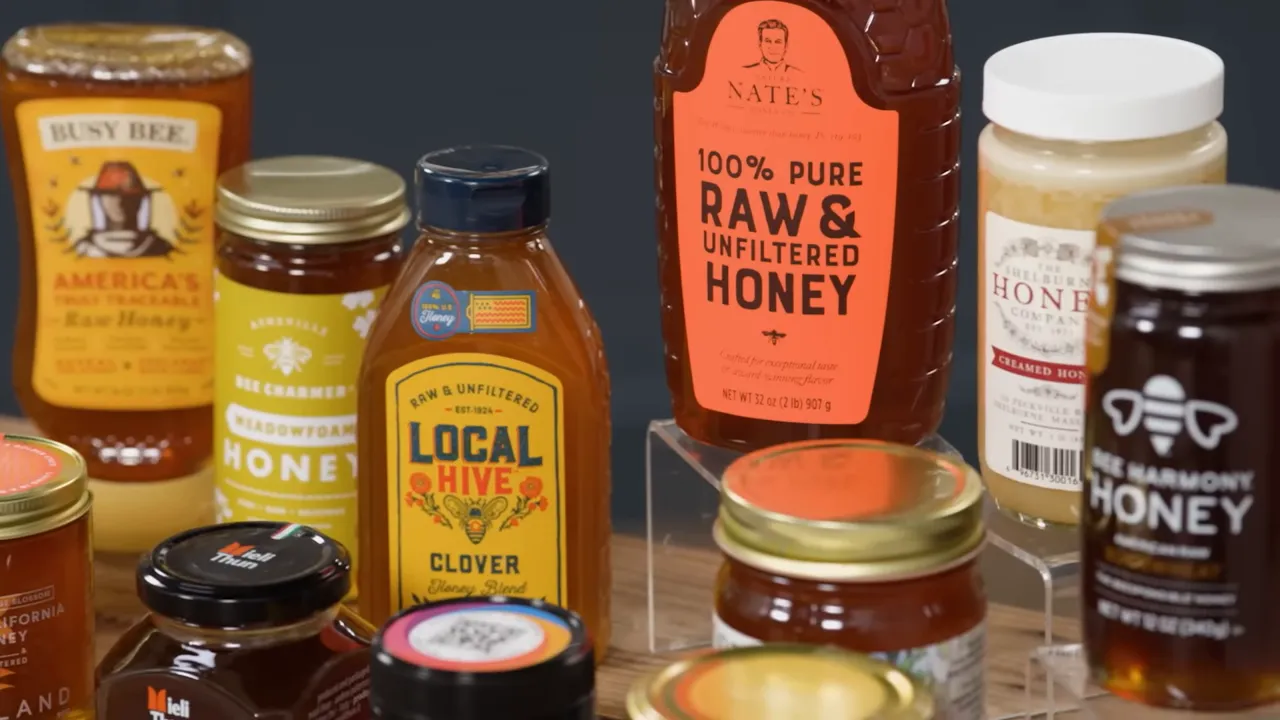
Honey labeled as single-flower (also called monofloral) means most of the bees' nectar came from one plant. That can be anything from orange blossom to buckwheat, and it produces a focused flavor profile—imagine a honey that tastes like smoked oak or citrus blossom. Multi-flower honey blends nectars from many sources, giving a balanced, approachable sweetness that works almost anywhere.
Flavor examples and how they behave
- Orange blossom: bright, floral, a hint of acidity—excellent in vinaigrettes, fruit-based desserts, and honey-orange glazes.
- Creamy (whipped) honey: deliberately crystallized for a lemon-curd-like texture—perfect as a spread on warm scones or cornbread instead of jam.
- Buckwheat: dark, bold, with smoky and molasses-like notes—treat it like maple syrup for pancakes, roasted root vegetables, or savory marinades.
Practical tips for using honey in cooking
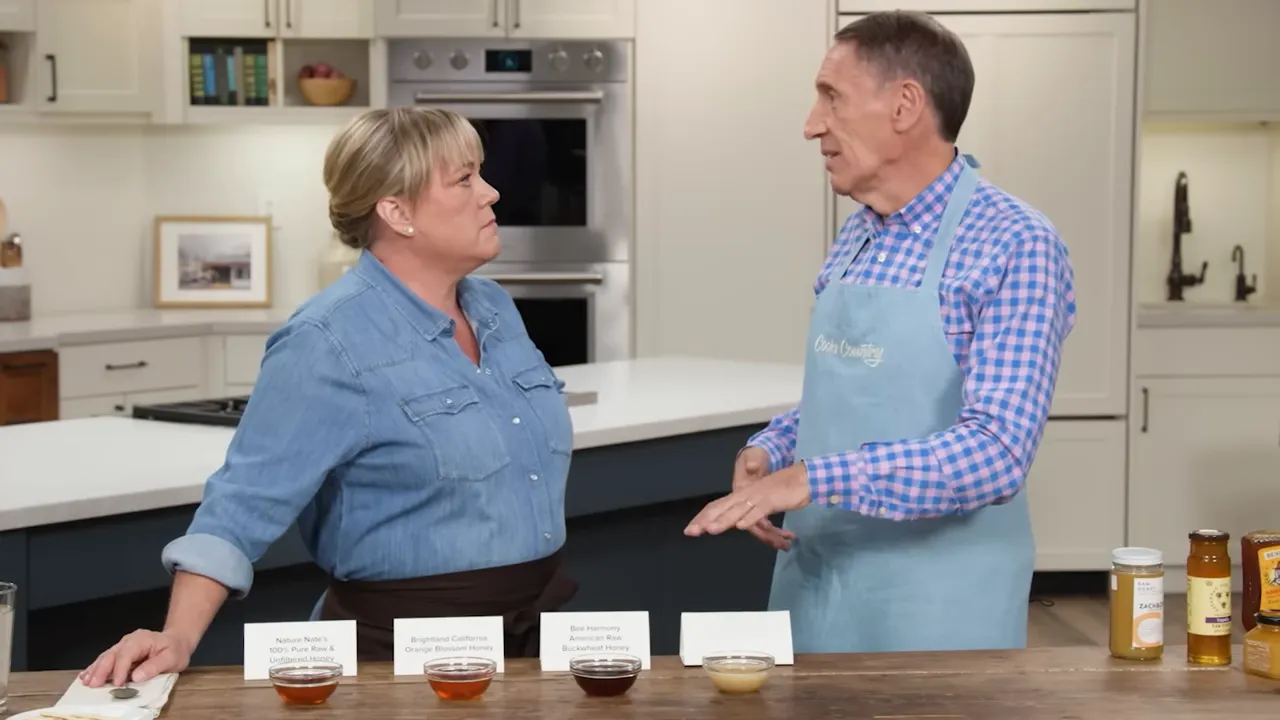
Honey is remarkably versatile in both sweet and savory cooking. Here are simple ways to bring out its best.
- Swaps and pairings: Use buckwheat honey where you might use maple syrup. Use orange blossom in light cakes, fruit salads, or cocktails.
- Balance acidity: A squeeze of lemon or a splash of vinegar brightens honey-heavy dressings and reduces cloying sweetness.
- Heat gently: If a recipe calls for melted honey, warm it slowly over low heat to avoid flavor loss.
- Spreadable option: Keep a jar of creamy honey on the table for breads and biscuits—its texture makes it a natural topping.
Shopping checklist
- Look for raw and unfiltered on the label.
- Decide whether you want single-flower intensity or the versatility of multi-flower.
- Try a small jar of a bold honey like buckwheat before committing to large amounts for savory experiments.
- Pick a creamy version if you want spreadable honey for breakfast and pastries.
Brand notes and reader favorites
A few standouts often recommended by honey lovers include NatureNectar for a balanced multi-flower option, Brightland's orange blossom for citrus-forward recipes, buckwheat honey for deep savory uses, and small-batch creamy jars that serve beautifully as a tabletop spread. Each jar tells a story of flowers, soil, and season.
Final sweet notes
Choosing the right honey is an easy way to brighten everyday cooking, recipes, bon apetit occasions. Experiment with one light and one bold jar, keep a creamy spread on hand, and treat honey as an ingredient with personality. A thoughtful jar of honey will reward simple dishes and inspire new flavor pairings.
This article was created from the video The Best Raw Honey to Buy at the Grocery Store | America's Test Kitchen with the help of AI.
The Sweet Guide to Grocery-Store Honey for Better Cooking, Recipes, Bon Apetit. There are any The Sweet Guide to Grocery-Store Honey for Better Cooking, Recipes, Bon Apetit in here.

