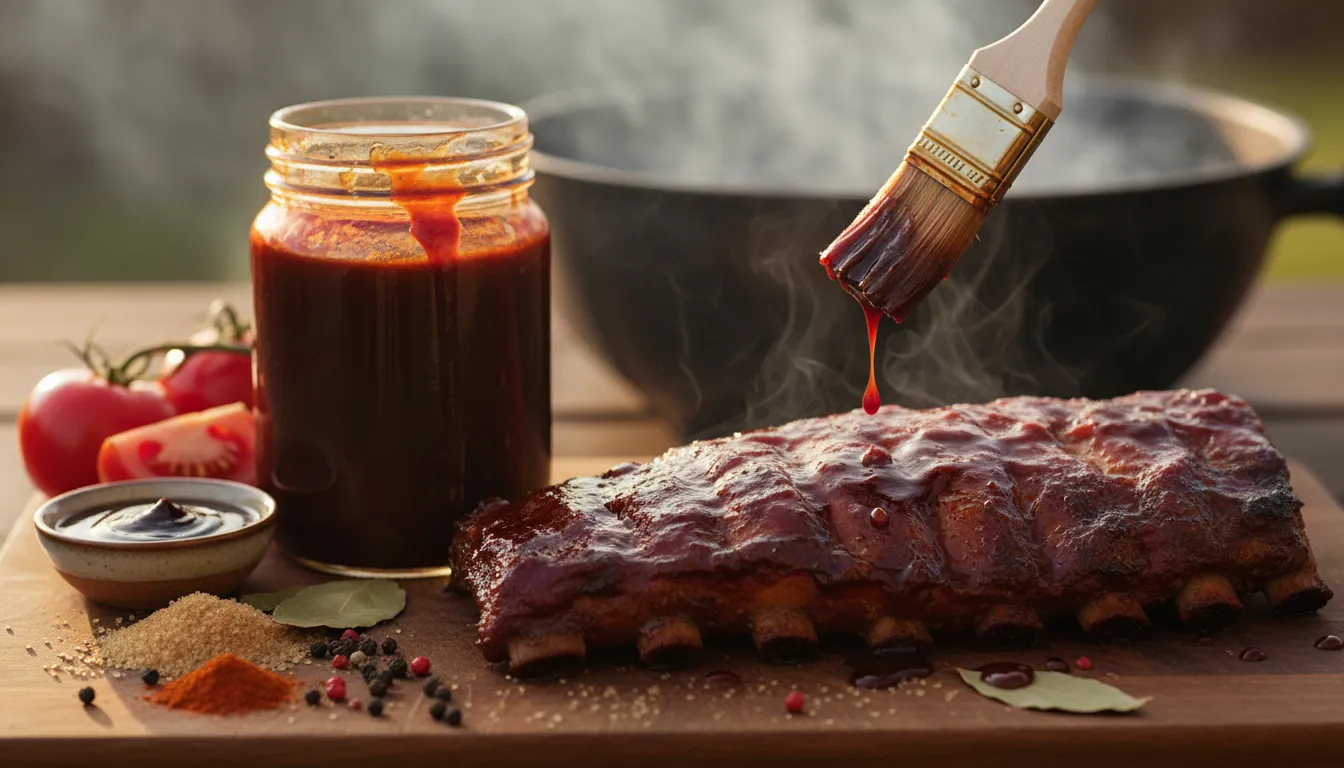
Why Kansas City sauce matters
Kansas City–style barbecue sauce is the sweet, smoky, tomato-forward syrup that many imagine when thinking about backyard ribs and glazed chicken. For anyone who loves cooking, recipes, bon apetit, understanding the range of Kansas City sauces unlocks simple ways to transform ordinary meals into something joyful and memorable.
Quick history and defining features
The earliest barbecue sauces were unexpectedly simple: lard, cayenne, and vinegar in the early 1900s. Over time, tomatoes and sweeteners joined the party, evolving into the molasses-and-ketchup-rich sauces familiar today. The hallmark is a tomato and sugar base with smoke, herbs, and spices layered on top.
What a simple taste test reveals
A small tasting of Kansas City–style sauces shows two broad families: national supermarket brands that are thick, clingy, and smoke-forward, and local restaurant sauces that often lean herbaceous or vinegary. Trying a few different jars side by side reveals surprising differences and helps home cooks choose a bottle for specific uses.

Four sauces that represent the spectrum
The following profiles cover four distinct approaches to Kansas City sauce — from classic supermarket to local legends — with practical notes for pairing and use.
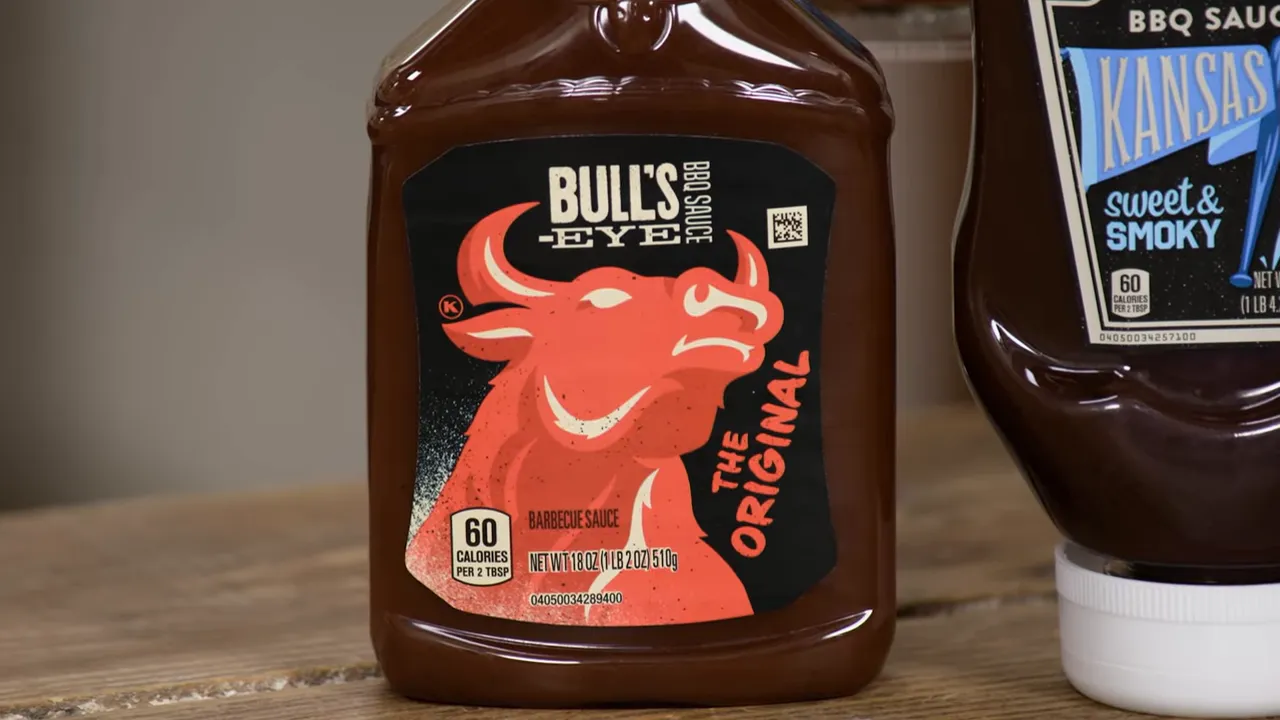
Bullseye — Classic supermarket smoke
Bullseye is the archetypal sugar-and-smoke supermarket sauce. It is molasses-sweet, clingy, and designed to deliver a pronounced smoke flavor right from the bottle. It works well when a bold, familiar barbecue note is desired, especially on grilled chicken or store-bought ribs that need an instant hit of barbecue character.
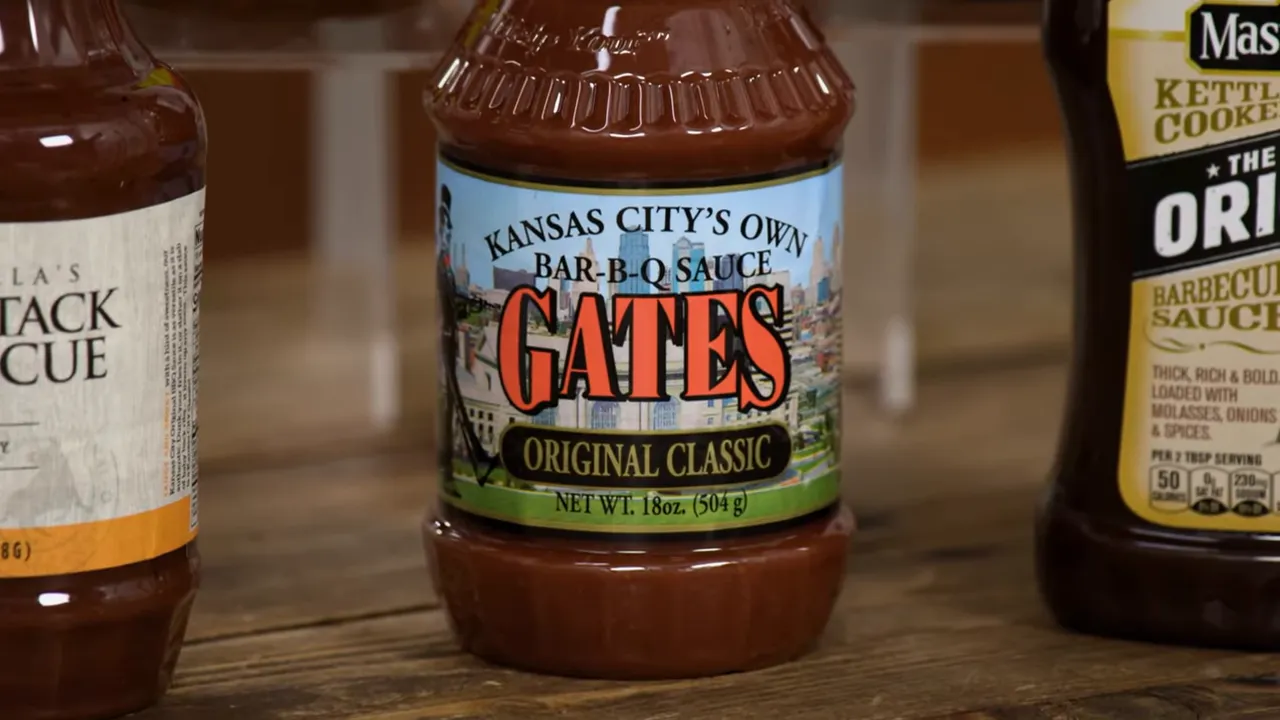
Gates — Sweet, balanced, and regionally famous
Gates is a local Kansas City landmark and offers a slightly sweeter, more balanced take than many national brands. It still nods to that classic sweetness but keeps things approachable and not syrupy. Gates is a great all-purpose sauce for pulled pork, smoked brisket, and even as a dipping sauce for fries.
Jones (Two Sisters) — Jammy, peppery, unexpectedly fruity
Jones’s sauce tastes jammy and a bit fruity, with prominent black pepper specks visible in the bottle. Tasters often described a pineapple-like fruitiness even though pineapple is not listed as an ingredient. This sauce pairs beautifully with pork and ham, and it is versatile enough to work as a glaze or a bolder sandwich spread.
Arthur Bryant — Savory, herbaceous, and salty
Arthur Bryant’s leans toward savory and salty with noticeable herbaceous notes and minimal sweetness compared with the other bottles. Some tasters picked up a roast-beef-like savoriness. This sauce is perfect for those who prefer umami-rich glazes on brisket or a complex finishing sauce for roasted vegetables.

How to run a friendly at-home taste test
Recreating a small tasting is fun, fast, and informative. Home cooks learn which flavor profile suits their weeknight needs or next backyard party.
- Pick four to six sauces — include a mix of national and local bottles.
- Sample on neutral carriers — plain smoked chicken, sliced pork shoulder, or a neutral cracker.
- Note texture and cling — some sauces glaze better, others are great as dips.
- Rate sweetness, smoke, herbaceousness, and salt — a simple 1–5 scale helps decide favorites.
Serving suggestions and pairing tips
- Bold, smoky supermarket sauces pair well with grilled meats and smoked sausages where a big smoke note is welcome.
- Sweeter local sauces like Gates complement pulled pork, chicken wings, and glazed vegetables.
- Jammy or fruity sauces cut through fatty pork and ham and make excellent sandwich condiments.
- Herbaceous, savory sauces work great with beef brisket and roasted root vegetables.
Key takeaways for home cooks
- Kansas City–style sauces span sweet-and-smoky to herb-forward and savory. Picking a favorite depends on the intended use.
- Simple taste tests reveal how a sauce behaves on food, not just how it tastes from the bottle.
- Experimenting with sauces is a joyful way to explore cooking, recipes, bon apetit while finding go-to bottles for weeknight meals and entertaining.
Final notes on enjoying Kansas City sauce
Trying a few different Kansas City–style sauces makes cooking more playful and tasty. Whether seeking the sticky sweetness of a national brand or the herbaceous edge of a local classic, the right bottle transforms simple proteins and sides into crowd-pleasing plates. Home cooks who love cooking, recipes, bon apetit will find that a small collection of sauces opens a lot of culinary doors.
This article was created from the video What's The Best Kansas City–Style BBQ Sauce? | America's Test Kitchen with the help of AI.
What's the Best Kansas City–Style BBQ Sauce? A Happy Guide to cooking, recipes, bon apetit. There are any What's the Best Kansas City–Style BBQ Sauce? A Happy Guide to cooking, recipes, bon apetit in here.

