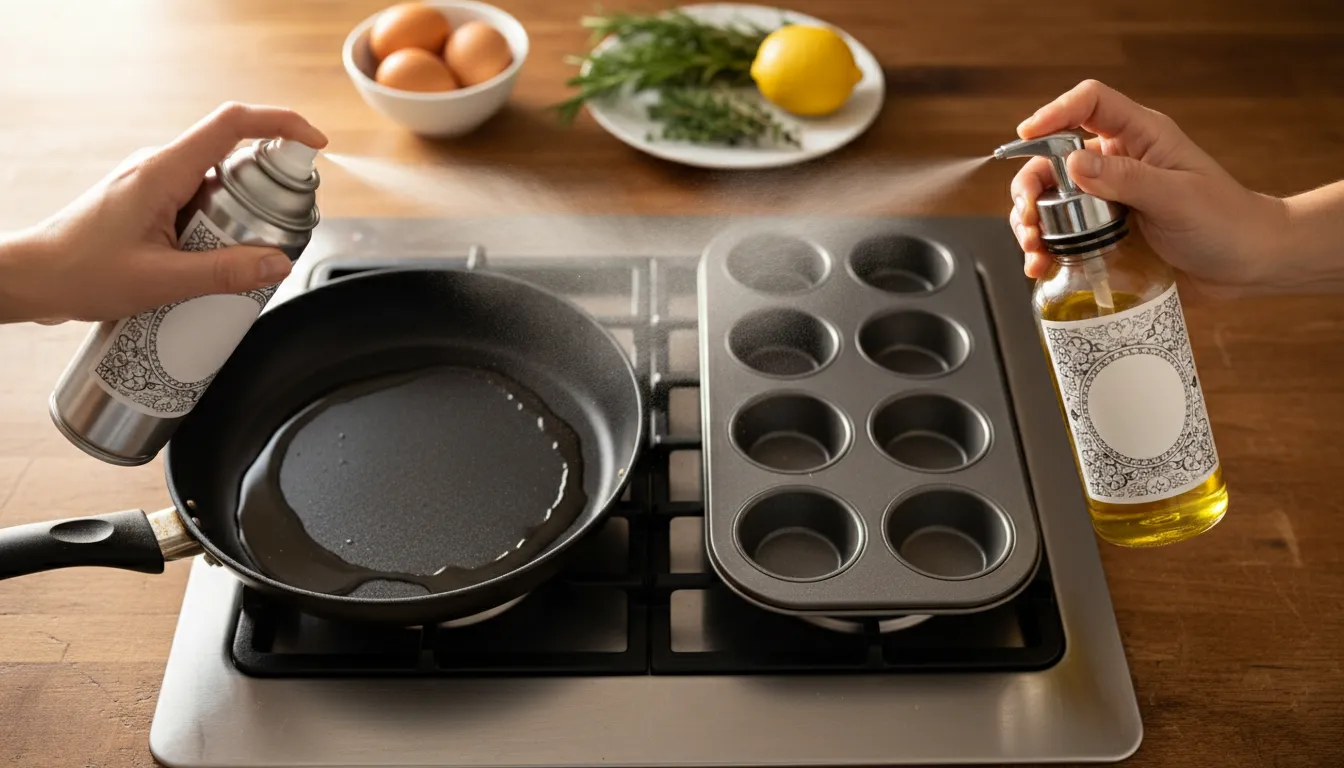
Cooking, recipes, bon apetit are about enjoying food, not getting bogged down in tiny decisions. When it comes to cooking spray, the oil you see on the shelf is less important than how that oil gets delivered. A little clarity and a couple of practical tips make everyday cooking happier and more reliable.
Why the oil choice usually doesn’t matter
Most sprays add only a whisper of oil to a pan or baking tin. At that level, differences between olive, avocado, grapeseed, or coconut oil are imperceptible. The important factor is the delivery system: how evenly the product sprays, how controllable the stream is, and whether it handles heat well.

Two spray styles and what they mean for the kitchen — cooking, recipes, bon apetit
1. Traditional propellant sprays
These cans contain oil plus a liquid propellant such as propane or butane. When the nozzle is pressed, the propellant flashes to gas and propels a fine mist of oil. Many of these sprays include lecithin, an emulsifier, which helps produce an even coating and easier cleanup.
- Pros: Very even coverage, great for greasing baking pans and crevices.
- Cons: Lecithin can reduce smoke point, making them less ideal for very high heat sautéing.
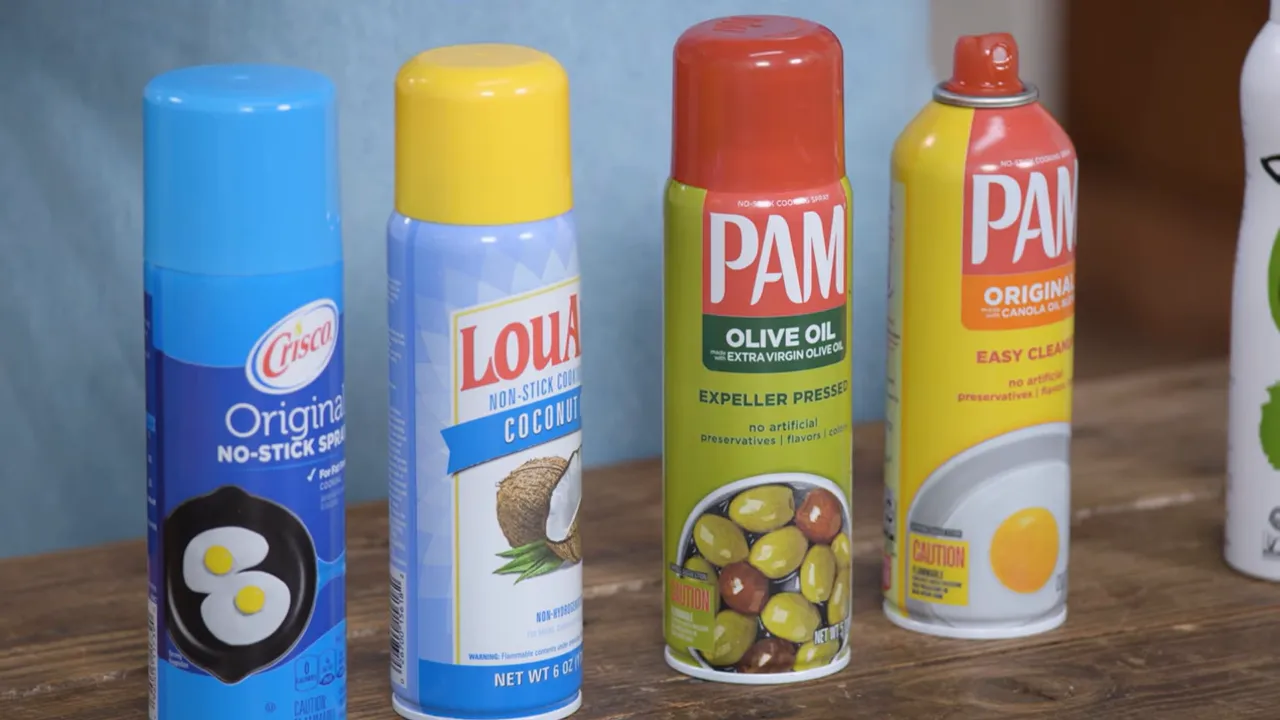
2. Propellant-less (bag) sprays
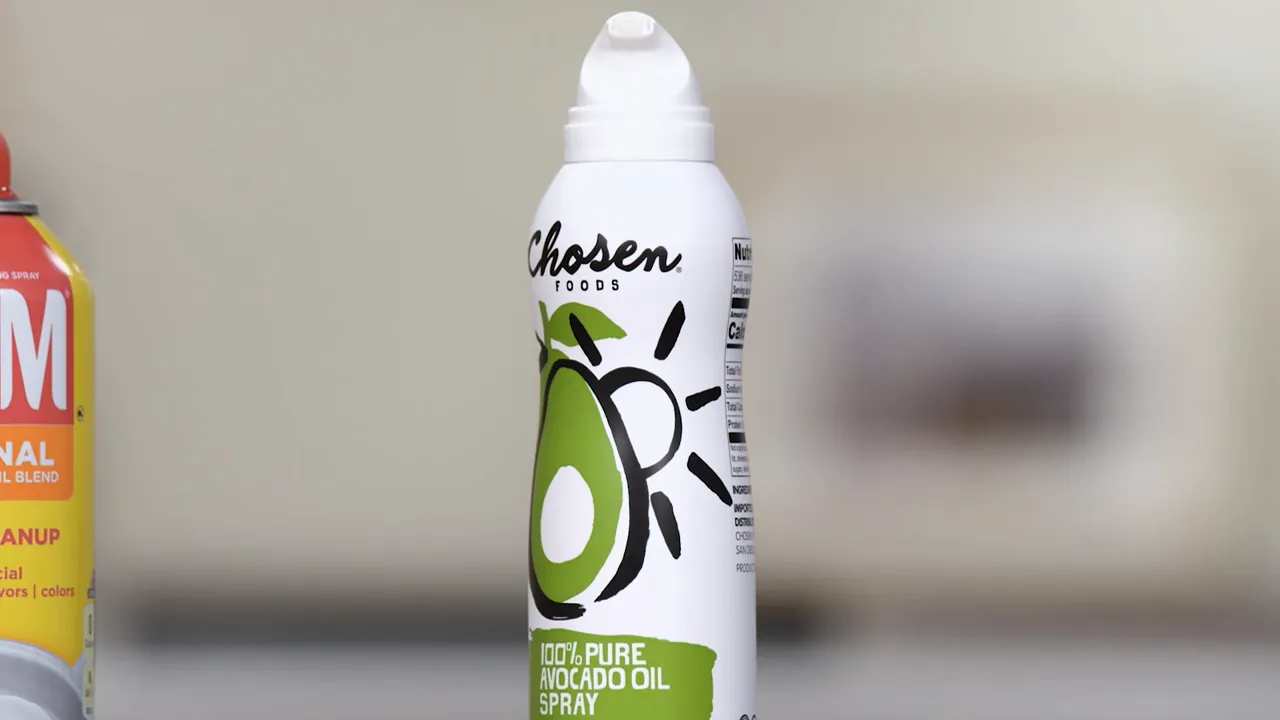
These cans contain a flexible bag of oil surrounded by compressed air or nitrogen. Pressing the nozzle squeezes the bag and forces oil out. The stream can be less even and the nozzle design matters a lot for control.
- Pros: Higher smoke point behavior in some formulas, better for higher-heat work when formulated for that purpose.
- Cons: Many feel harder to aim and provide less even coverage; nozzle design varies widely.
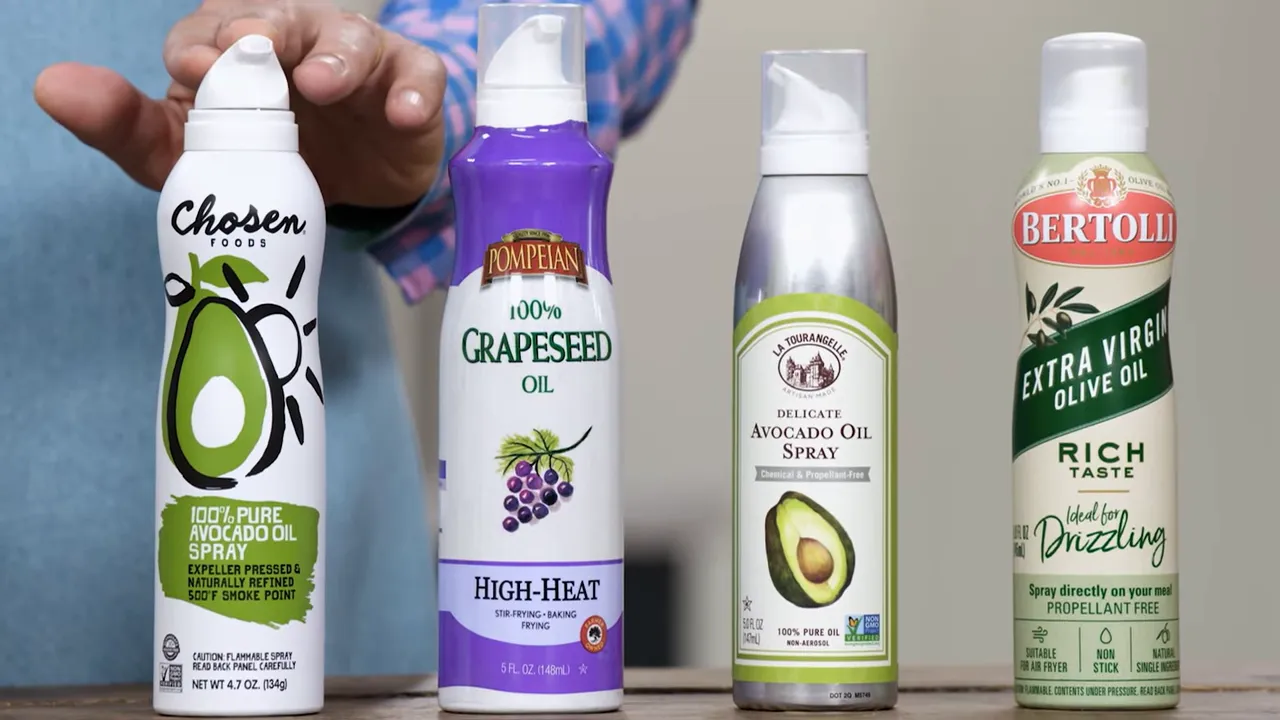
How nozzle design changes everything
Try to imagine aiming at a small ramekin. A can with a straight-forward nozzle points where the hand points, giving precise, circular coverage. A nozzle that points up or away from where the can faces can cause accidental sprays and uneven oil distribution. In practice, one intuitive nozzle beats a technically superior oil every time for day-to-day cooking.
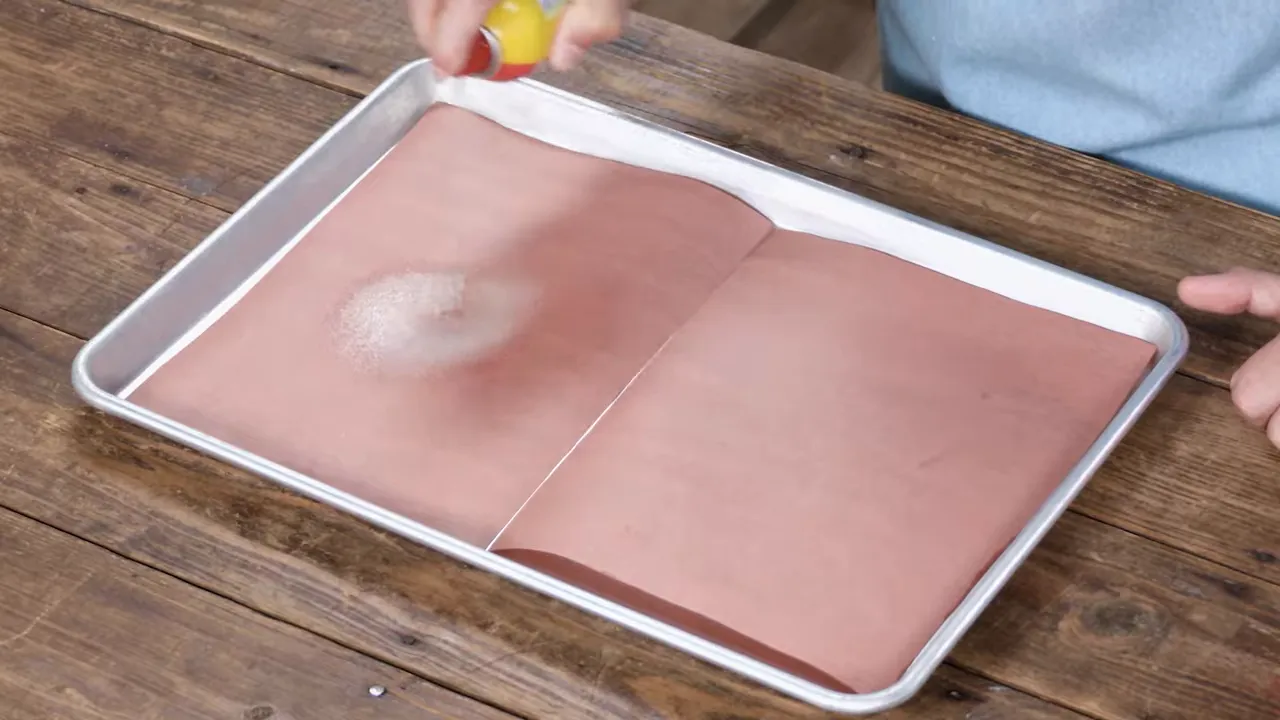
Practical recommendations
The simplest approach keeps cooking enjoyable: pick the spray that fits how the kitchen actually works.
- For general greasing and baking: Choose a traditional propellant spray with a reliable nozzle for even coverage and easy cleanup.
- For higher-heat sautéing: If using spray over high heat, consider a propellant-less option formulated for that use. Many cooks still prefer pouring a tablespoon of olive oil for sautéing vegetables.
- Control tip: Aim the nozzle at the pan from a consistent distance and spray in short bursts to avoid over-application.
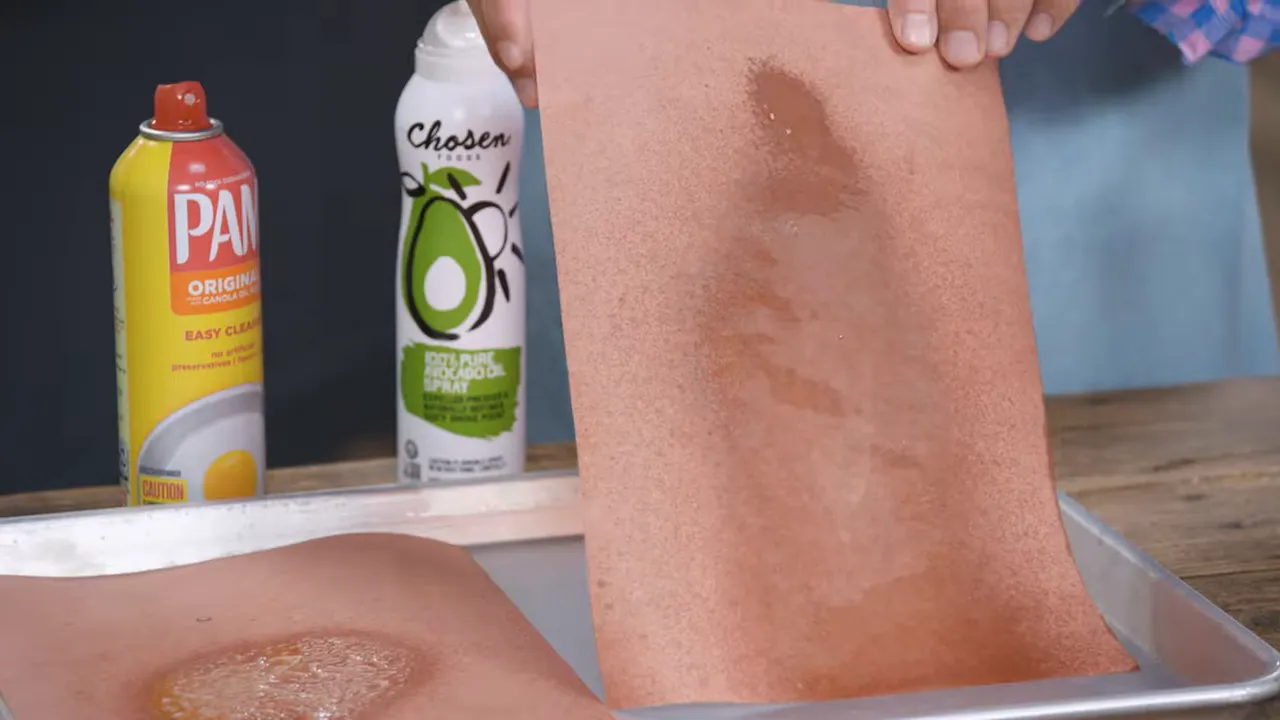
Quick favorites to consider — cooking, recipes, bon apetit
Two clear picks work for most kitchens. One reliable traditional spray for everyday non-high-heat tasks, and one propellant-less option for those who want to use spray at higher temperatures. Pair either with good habits: a measured pour for serious sauté work and a short burst of spray for baking pans.
Pro tips for happier cooking
- Store cans upright and away from heat.
- Wipe nozzles after use to prevent clogging.
- Shake as directed on the label for consistent sprays.
- When in doubt for flavor or smoke point, use a small drizzle of olive oil for sautéing vegetables.
Cooking, recipes, bon apetit is about small choices that add up to delicious meals. The right spray makes those small choices easier and cleaner.
Keep it simple and enjoy the food
Lots of product options can make cooking feel complicated. Selecting a spray comes down to two questions: do you want precision and even coverage, or do you need higher-heat performance? Most kitchens will be happiest with a reliable traditional spray for everyday use and a propellant-less option only if high-heat spraying is a regular habit.
Happy cooking, recipes, bon apetit!
This article was created from the video Which Cooking Spray is Best? | America's Test Kitchen with the help of AI.
Which Cooking Spray is Best? — A Friendly Guide for cooking, recipes, bon apetit. There are any Which Cooking Spray is Best? — A Friendly Guide for cooking, recipes, bon apetit in here.

